From over 100,000 films, discover the handful you'll love.
Free or premium access to the world's largest documentary library.
92 films(Page 2 of 2)
North America's wildlife, including cougars, wolves, and spirit bears, inspires myths and legends while facing the challenges of nature and human imagination.
In Africa, apex predators such as lions, tiger sharks, and Nile crocodiles exhibit advanced hunting strategies and territorial behaviors essential for survival.
Three harrowing accounts from the African savannah illustrate the terrifying reality of human encounters with apex predators, including a conservationist's lion attack and the Man-Eaters of Tsavo.
In the Atacama Desert of Chile, unique wildlife such as Patagonian pumas and blue whales adapt to extreme conditions and scarce resources for survival.
Springtime in Europe brings a vibrant transformation as flora and fauna awaken, showcasing the intricate relationships and challenges of seasonal renewal.
Tasmania's ancient rainforests and unique wildlife, including the platypus and Tasmanian devil, highlight the ecological diversity of Australia's national parks.
Animal Armoury examines the unique hunting and defensive adaptations of various species, including the walrus's high-pressure spit and the spitting cobra's venomous fangs.
In Africa's deserts and savannahs, plants like the camelthorn and sausage tree support diverse wildlife, including springboks, giraffes, and leopards, in their survival strategies.
In Zambia's wilderness, the sausage tree plays a vital role in supporting hippos, lions, leopards, and elephants as they navigate survival challenges.
In the animal kingdom, species exhibit remarkable self-medication techniques, social complexities, and same-sex behaviors, highlighting their adaptability and intelligence.
In Serengeti, Tanzania, a lioness named Lucia and her cubs face the challenges of survival while humans contend with conflicts over livestock.
Young predators in the animal kingdom, including lion cubs and killer whale calves, learn essential hunting skills and survival strategies from an early age.
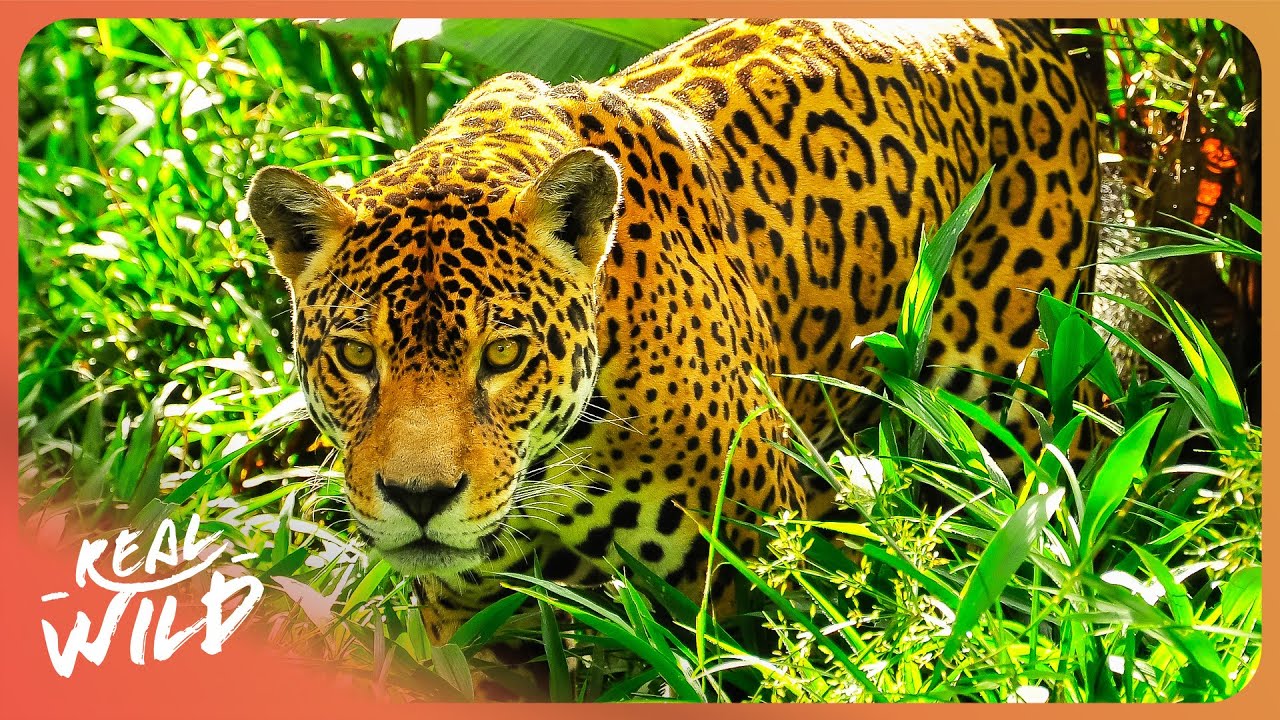
Ian Max Maxwell tracks jaguars in Brazil's Pantanal, elephants in Namibia with the Himba tribe, and Himalayan bears in Nepal's rugged terrain.
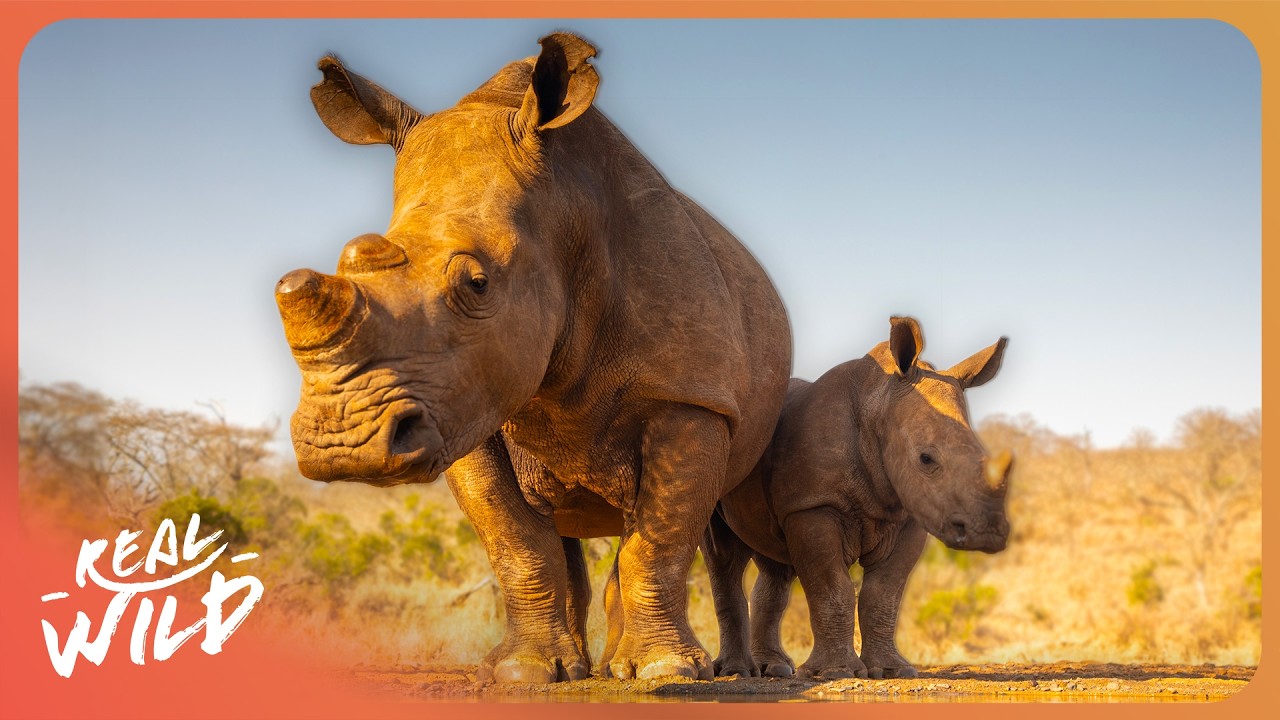
In Zimbabwe's Savé Valley Conservancy, the Sango Safari Lodge finances extensive anti-poaching efforts to protect critically endangered black and white rhinos.
In Zimbabwe's Kavinga Safari Camp, a lone lion confronts rival males while hunting an elephant calf, showcasing the harsh realities of survival in the wild.
In Spain, dedicated conservationists have successfully increased the Iberian lynx population from fewer than 100 individuals to over 1,000 through breeding and reintroduction efforts.
Max Maxwell, a Kenyan big game tracker, investigates reports of phantom panthers in the UK, analyzing evidence and interviewing witnesses to determine their existence.
In the Iberian Peninsula, red deer engage in intense battles during the annual rut, where only the strongest males secure breeding rights.
In Southeast Oklahoma, conservationists led by Ivan Carter conduct vital research on the remarkable resurgence of the American black bear in its native habitat.
In Brazil's Pantanal wetlands, ancient predators like jaguars and giant otters engage in a relentless struggle for survival during the harsh dry season.
Daintree National Park, a 180-million-year-old rainforest in Australia, is home to prehistoric animals and critical apex predators like the saltwater crocodile and cassowary.
Foxes and wolves are examined for their unique adaptations and hunting strategies, highlighting the solitary nature of foxes versus the social dynamics of wolf packs.
Komodo dragons, geckos, bearded dragons, chameleons, and the marine iguana of the Galapagos Islands showcase the incredible diversity and survival strategies of lizards.
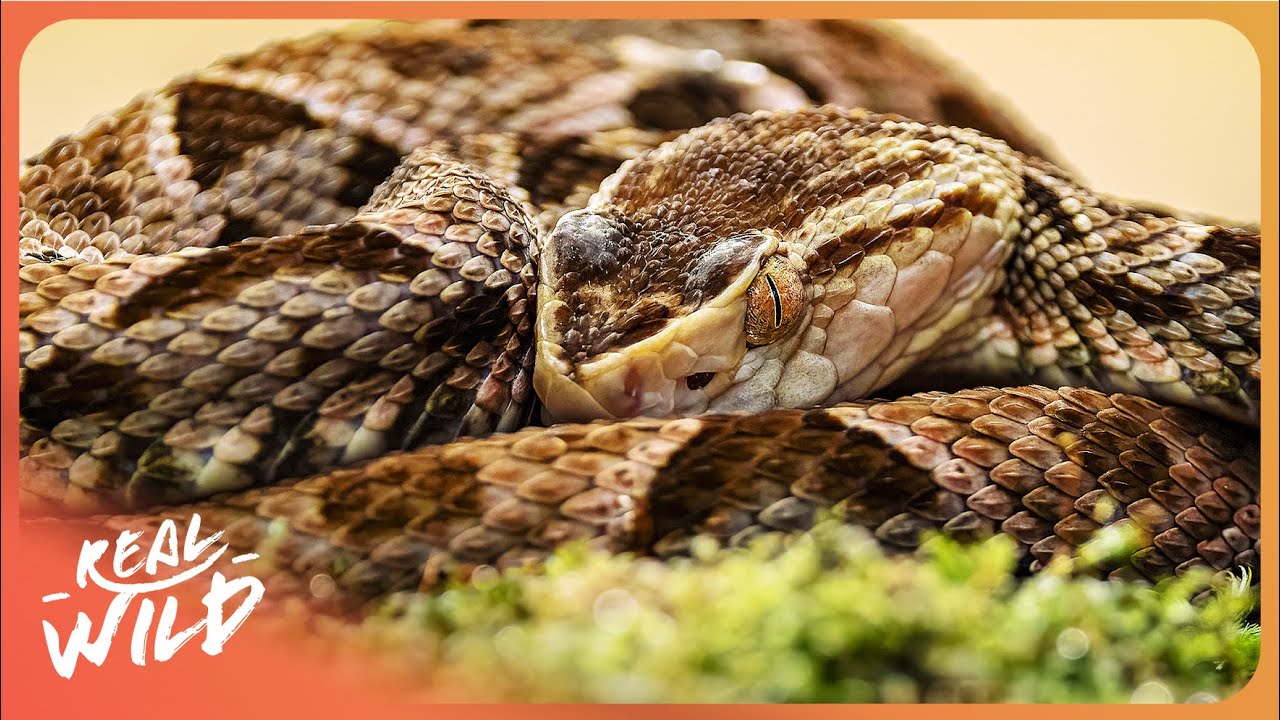
In Argentina's Patagonia, reptile hunter Mark O'Shea leads an expedition to locate the elusive Patagonian lancehead viper and study its breeding colony.
Rambo, a male tiger rescued from Florida, faces numerous challenges during his transport to England, highlighting the plight of captive tigers in America.
In diverse habitats across Africa, North America, and Asia, baby animals such as tree-climbing goats, black bear cubs, and panda cubs showcase their early lives and survival instincts.
In the Kenyan grasslands, two young cheetah sisters learn the importance of strategy in hunting while facing the global crisis threatening their species.
In the Borneo rainforest, expert tracker Ian Maxwell employs high-tech camera traps and traditional methods to locate the critically endangered Sumatran rhino.
Australia's diverse wildlife, including koalas, dingoes, and red kangaroos, showcases remarkable adaptations to extreme environments and unique survival strategies.
In Kenya's western Mara, hippos and crocodiles interact in the Mara River, showcasing their social dynamics and survival strategies in a vital ecosystem.
In northern Manitoba, a mother polar bear teaches her cub survival skills amid extreme temperatures and threats from starving adult males.
In the Florida Everglades, ancient apex predators like alligators and crocodiles face competition from invasive Burmese pythons, threatening the delicate ecosystem's balance.
A group of lions can weigh between 280 and 420 pounds and hunt in packs of three to eight, capable of taking down prey as large as a 13,000-pound elephant.
Australia's eucalyptus groves, the Amazon's tropical giants, and the Pacific Northwest's cedar ecosystems illustrate the vital connections between trees, wildlife, and climate resilience.
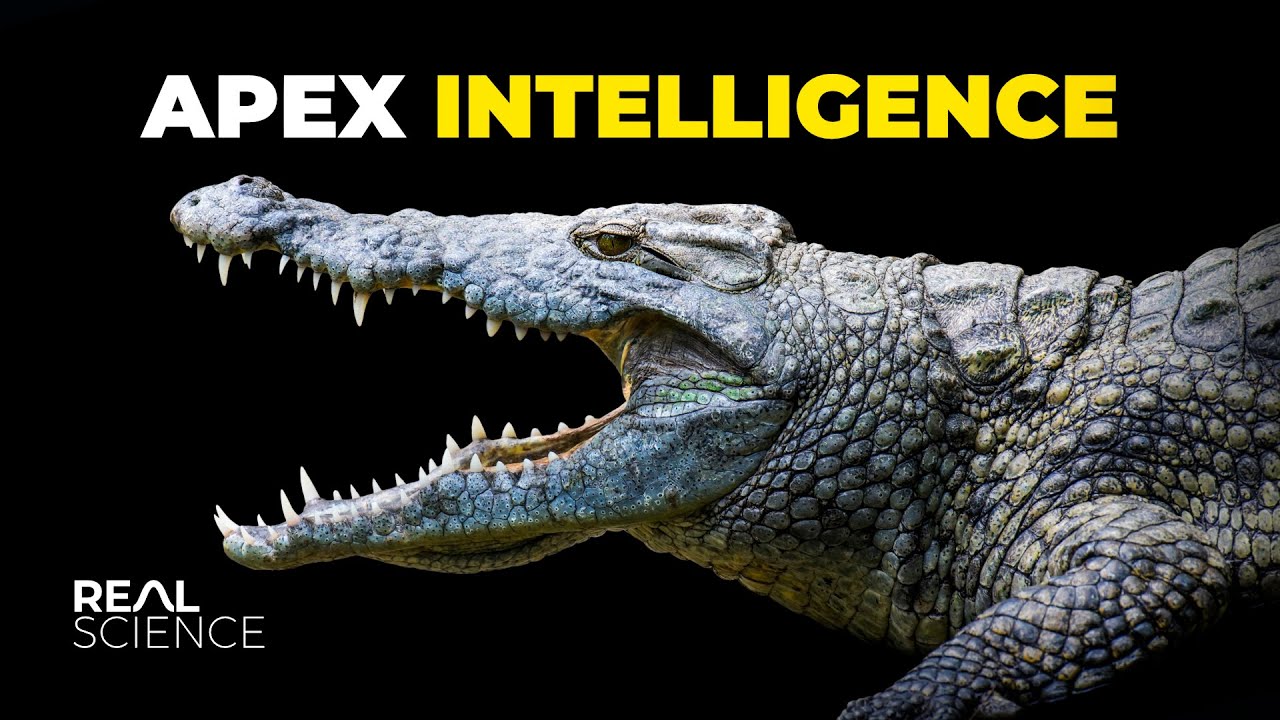
Saltwater crocodiles can reach lengths of six meters and possess the strongest bite force of any living animal, making them formidable apex predators.
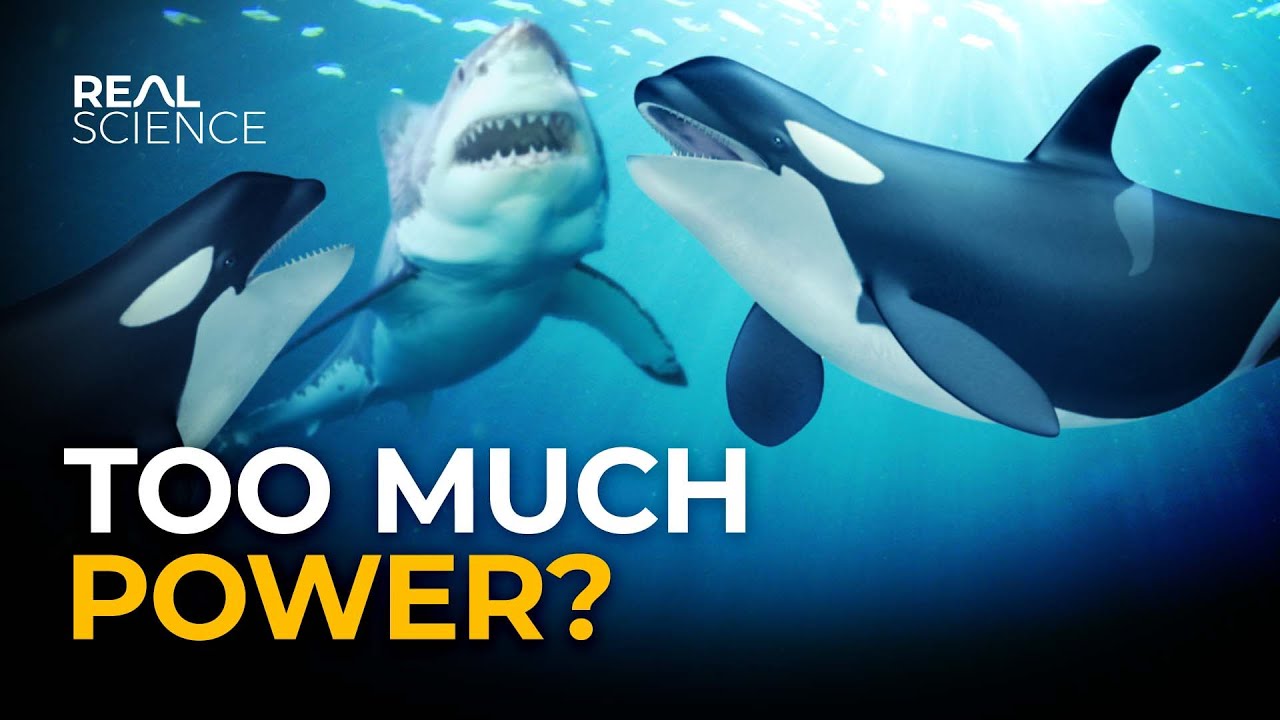
Orcas can coordinate hunts involving as many as 50 individuals, using complex strategies to capture prey like seals and great white sharks.
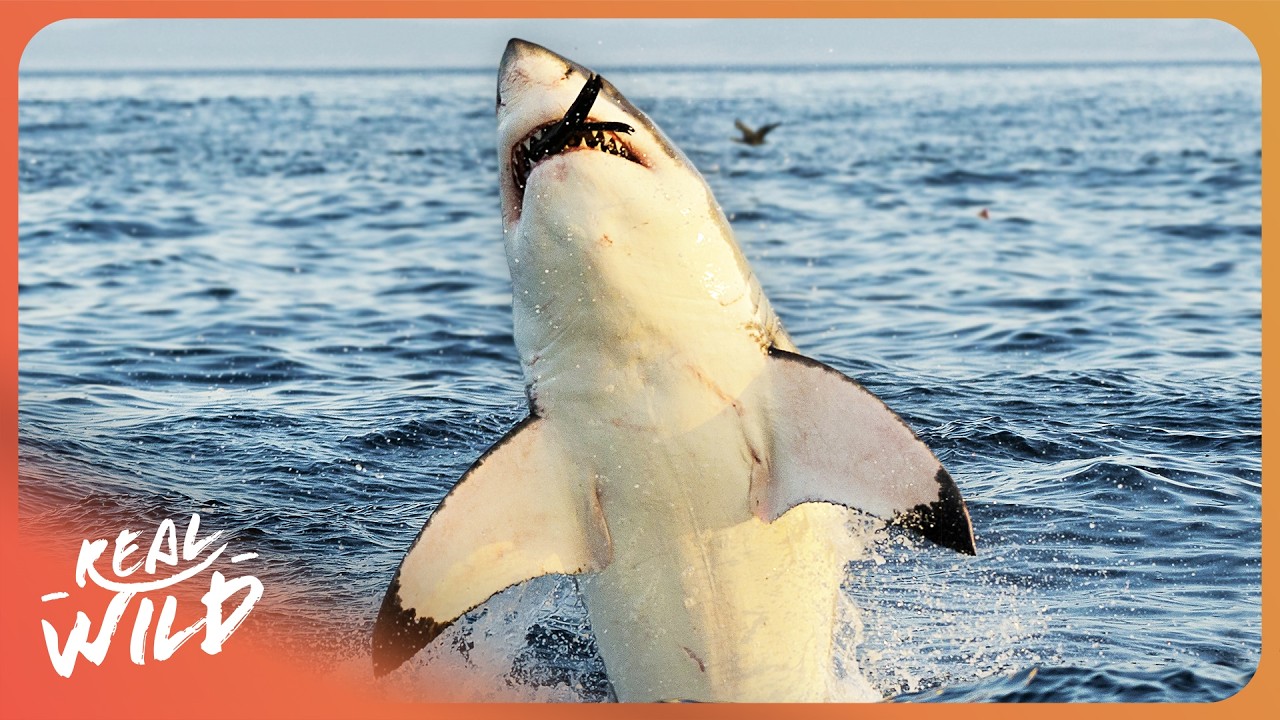
In South Africa, scientists led by Mark Evans dissect a great white shark, revealing insights into its unique anatomy and advanced sensory systems.
A giant trevally can weigh more than 85 kilos and is known to ram sharks with its blunt head in the waters off Tanzania's coast.
Petunia, a wild-raised Mustang at the Horse Protection Association of Florida, faces rehabilitation efforts by expert Pat Parelli to overcome her fear of humans.
Dr. Andrew Pask's team at the University of Melbourne has sequenced the entire thylacine genome in an effort to revive the extinct Tasmanian tiger.
Sharks kill fewer than 10 people globally each year, while humans kill an estimated 100 million sharks annually, largely due to fishing practices.
Robert Irwin gets up close with a blacktip shark while diving at Lady Elliot Island, learning techniques from conservationists Paul de Gelder and Matty Stewart.
About 100 wolves now roam Yellowstone National Park, a significant recovery after they were eradicated for over 70 years due to hunting and bounties.
Hateg Island's ecological niche for apex predators was filled by a giant pterosaur, showcasing the unique evolutionary adaptations of prehistoric life in Europe.