From over 100,000 films, discover the handful you'll love.
Free or premium access to the world's largest documentary library.
92 films(Page 1 of 2)
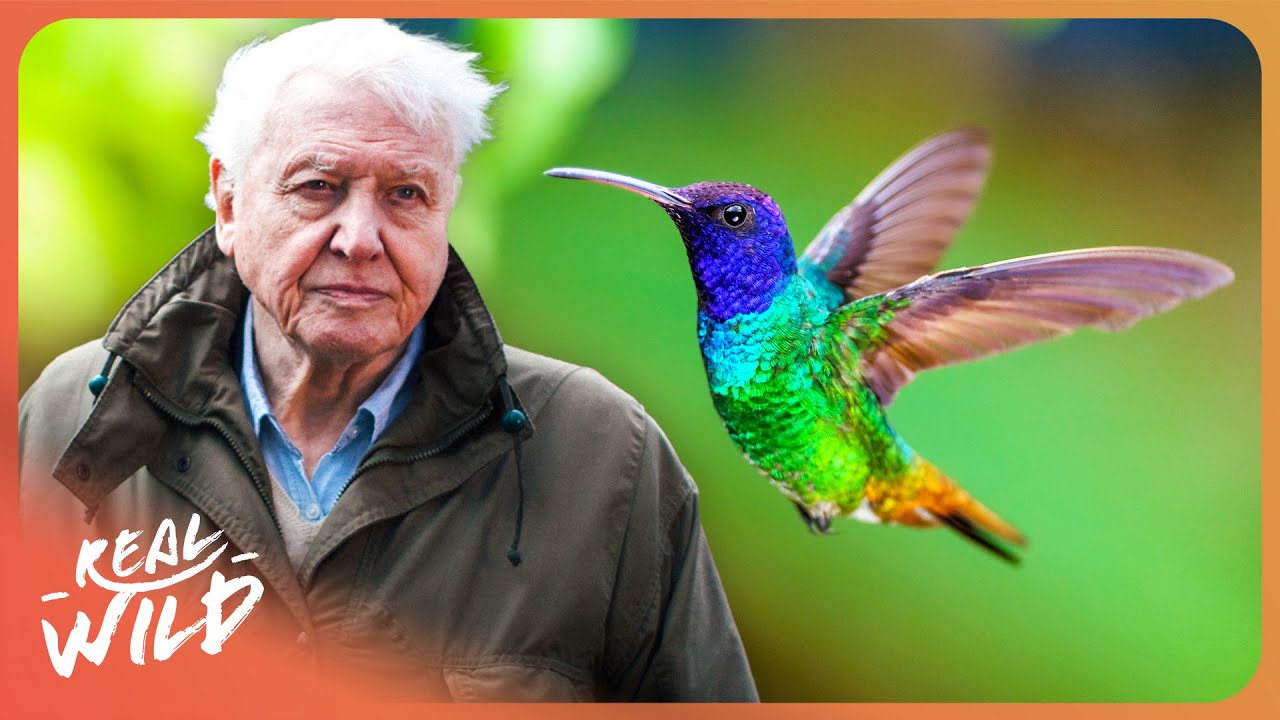
Hummingbirds, native to South America, exhibit remarkable flying abilities and unique relationships with flowers, as explored through stunning slow-motion footage.
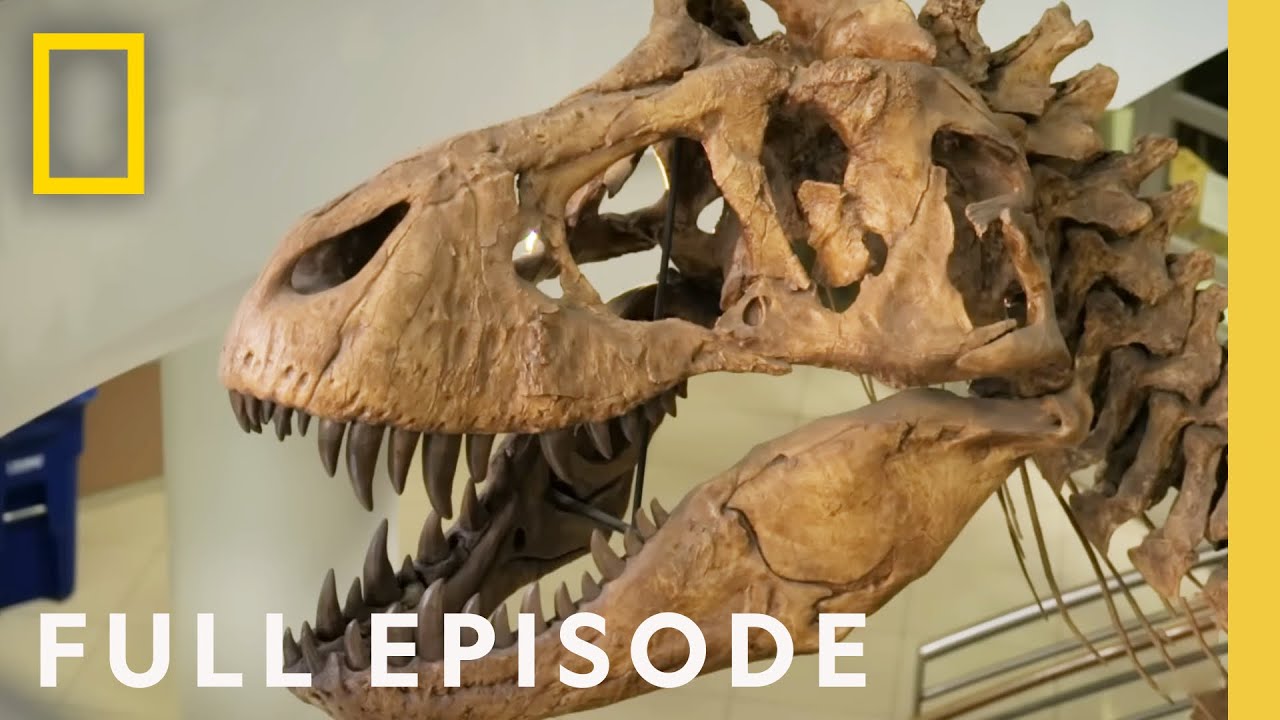
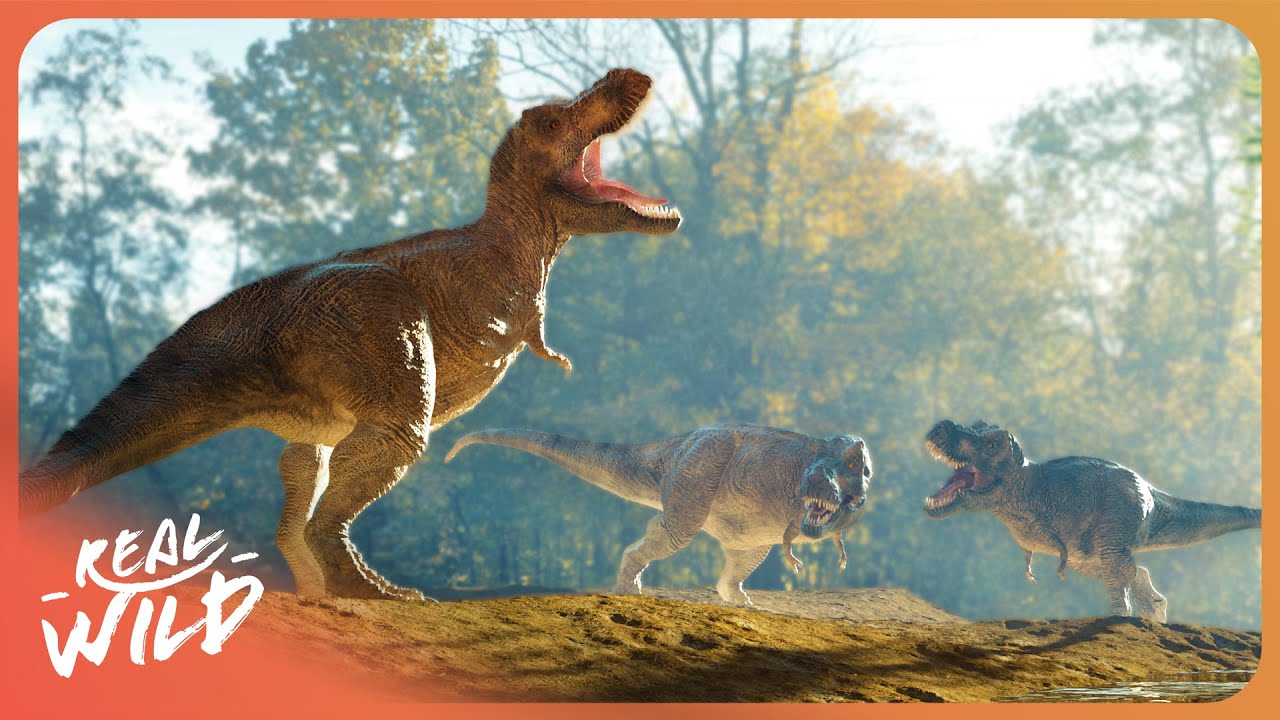
66 million years ago, a huge inland sea covered much of Wyoming, preserving dinosaur bones and footprints from the Tyrannosaurus rex.
Australia's unique ecosystems, featuring 80% endemic wildlife like the platypus and the world's most venomous snakes, showcase a continent shaped by extreme evolution.
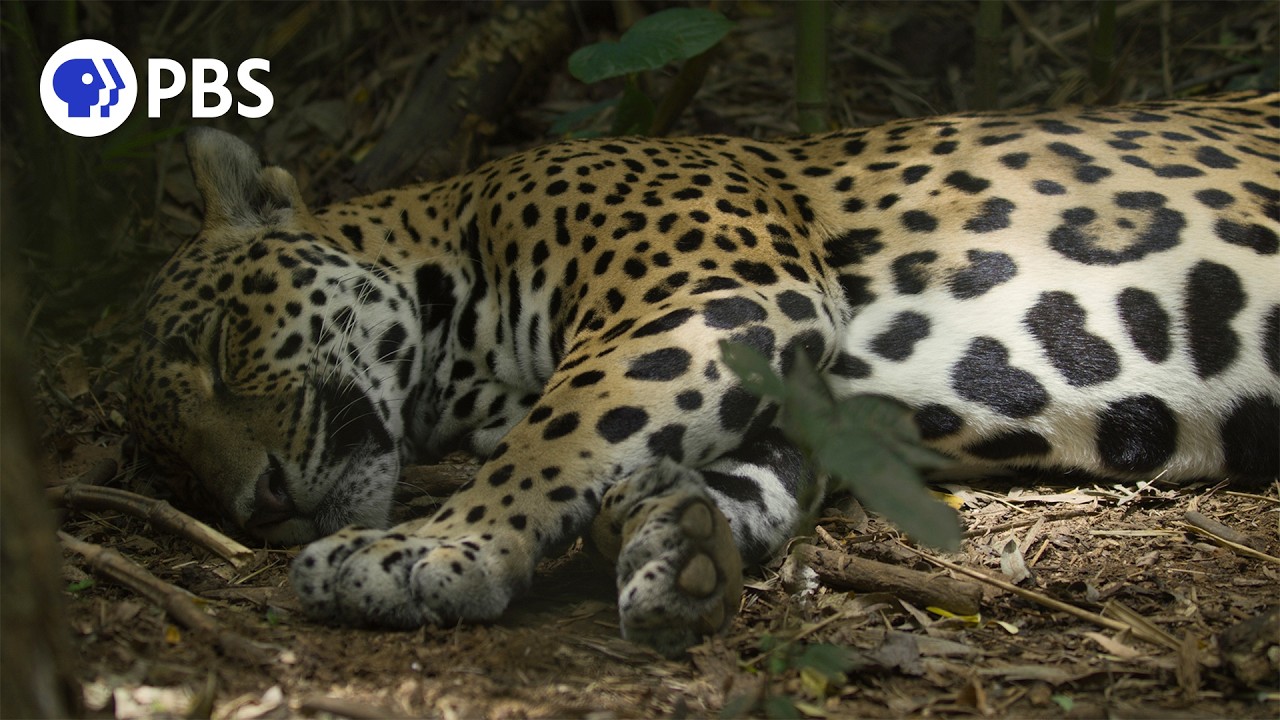
On Costa Rica's Pacific coast, the interaction between sea turtles and jaguars highlights the ecological dynamics of their unique volcanic and tropical habitats.
Sir David Attenborough reflects on his influential career in natural history broadcasting, highlighting his contributions to environmental awareness and the climate crisis.
On January 12, 2019, a dead sperm whale carcass was towed eight miles offshore near Oahu, attracting various shark species, including tiger sharks.
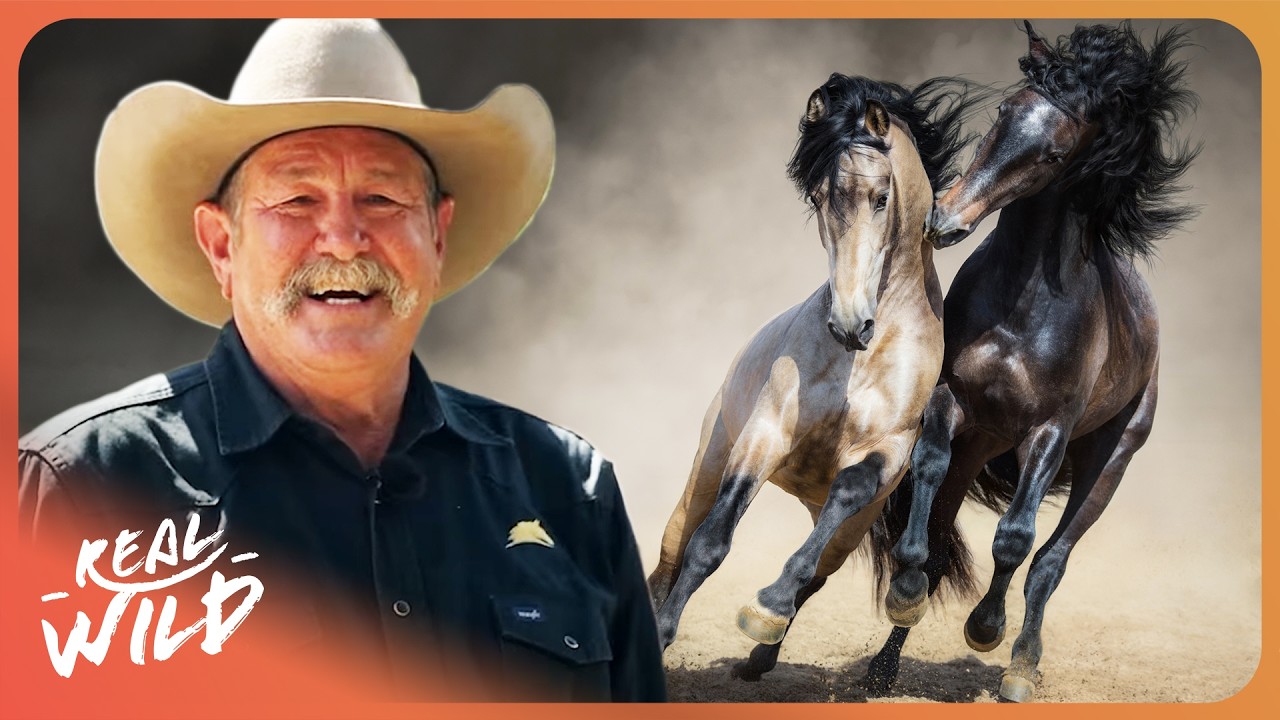
Pat Parelli works with horse owners like Grace and her horse Bella, addressing behavioral issues through understanding prey animal behavior and effective communication.
Pat Parelli addresses behavioral issues in four challenging horses, including Luna and Solo Tu, using natural horsemanship techniques to foster trust and safety.
In Romania, a young wolf named Slava leaves his pack and travels over 1,000 kilometers across Europe, facing numerous challenges in search of a new home.
Brazil's Mata Atlântica and Pantanal regions showcase a rich biodiversity, featuring species like muriqui monkeys, jaguars, and unique coastal wildlife amid environmental challenges.
A former hunting guide in Western Canada shifts from trophy hunting to coexistence with grizzly bears, promoting mutual respect and understanding of these apex predators.
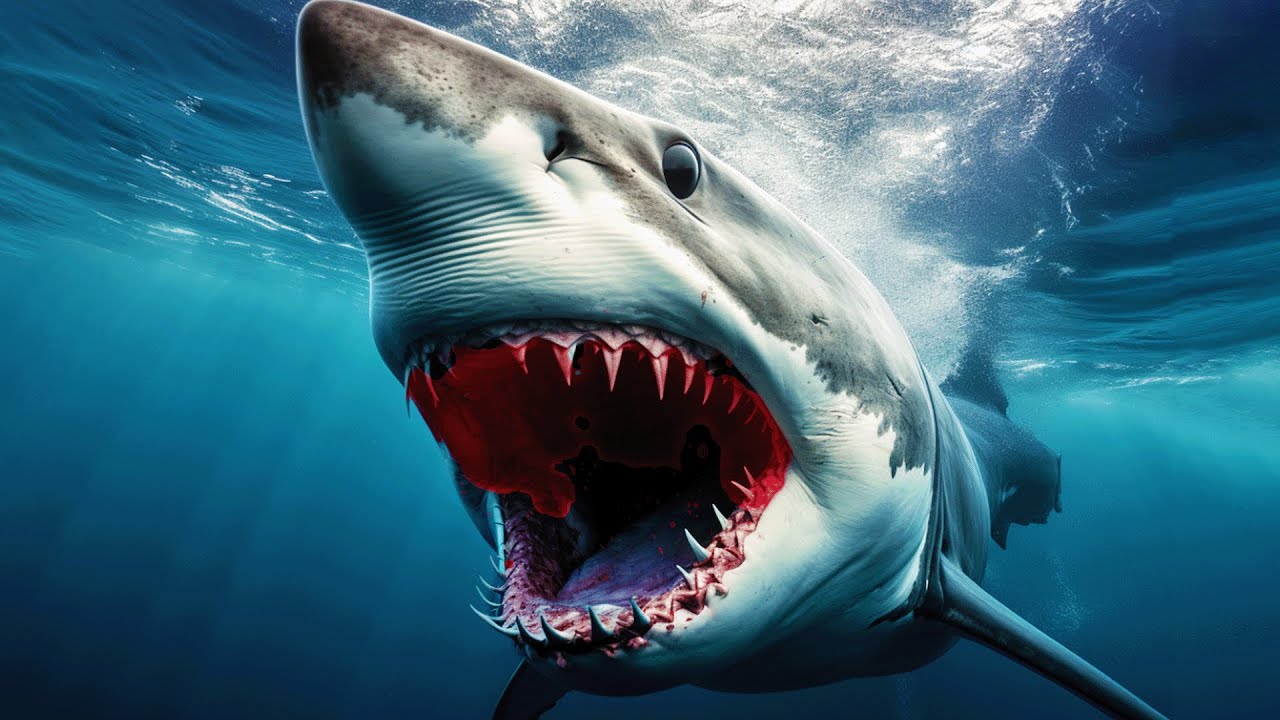
Great white sharks, often portrayed as man-eaters by media, are examined for their misunderstood nature and the impact of human fear on their conservation.
Tiger sharks, known for their aggressive behavior, are responsible for a significant number of shark attacks in tropical waters worldwide.
A series of shark attacks in 1916 along the Jersey shore transformed public perception, turning sharks from myths into symbols of fear.
A 10 cm baby catshark grows in its egg for 8 to 15 months before fending for itself in the cold waters of western Sweden.
In Yellowstone National Park, Common Ravens exhibit remarkable intelligence and survival strategies, including their unique partnership with wolves in the Lamar River Valley.
Along the Zambezi River, Ivan Carter investigates the increasing frequency of Nile crocodile attacks on humans amid rising local populations.
Great white sharks, weighing up to 2,300 kg, possess an extraordinary sense of smell that allows them to detect a single drop of blood in 100 liters of water.
In the remote Alaskan wilderness, Andreas Kieling explores the habitat of giant Kodiak bears, examining their size, behavior, and the ecosystem that supports them.
Plant-eating dinosaurs, including Argentinosaurus and Seismosaurus, are examined through fossilized tracks and massive skeleton recoveries by paleontologists.
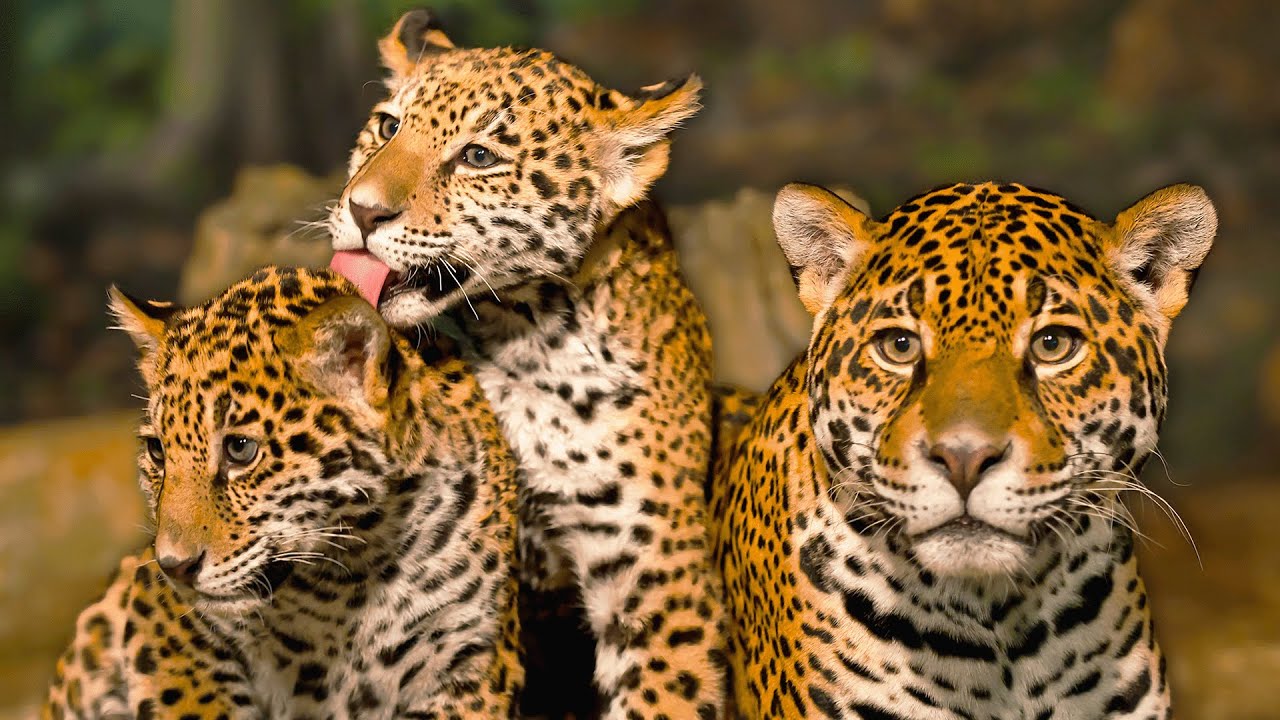
Jaguar cubs in the Amazon must learn to hunt quickly, as they face threats from predators like caimans and piranhas in their perilous environment.
Yellowstone National Park's diverse wildlife, including bison, wolves, grizzly bears, and elk, adapts to the challenges of seasonal changes throughout the year.
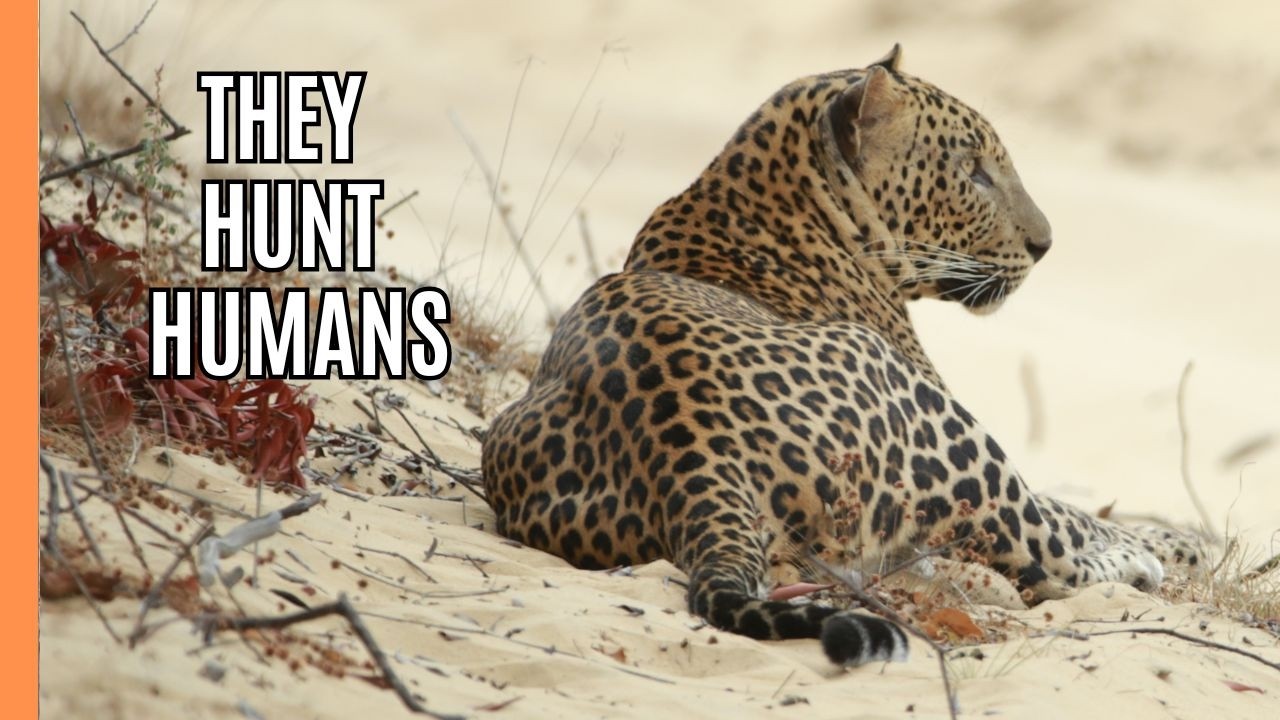
A leopard killed over 20 people in the village of Punani during the 1920s, marking Sri Lanka's first known case of a man-eater.
The Nile River, originating in Rwanda's Nyongu National Park, supports diverse wildlife while facing threats from poaching and invasive species.
Ancient Antarctica, once a vibrant ecosystem, hosted colossal dinosaurs like Cryolophosaurus and Glacialisaurus, revealing insights into mass extinctions and avian evolution.
In Zimbabwe’s Malilangwe Game Reserve, lioness Manyari faces threats to her cubs and pride, forcing her to flee and protect her young from rival males.
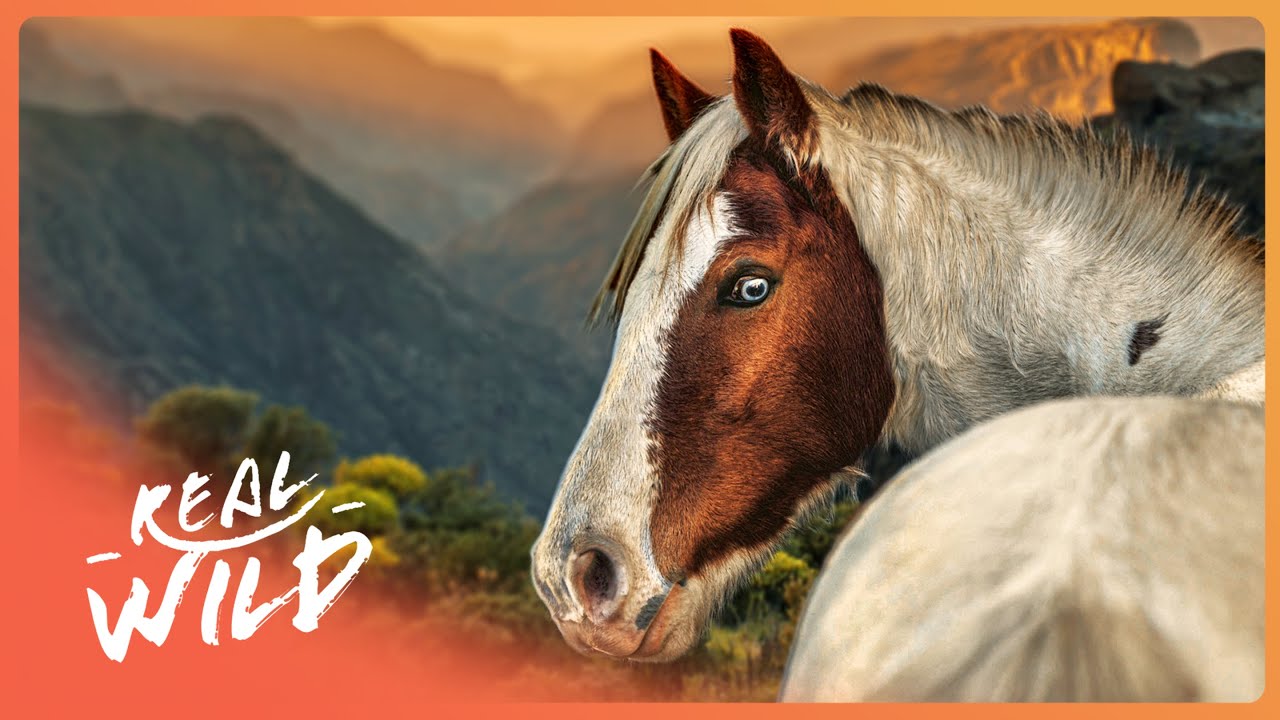
In the Gredos mountains of Spain, scientists study the last wild herd of Pottoka horses, revealing insights into their social dynamics and natural behaviors.
In the diverse landscapes of Italy, golden eagles and short-toed snake eagles showcase their unique hunting strategies while navigating a fragile Mediterranean ecosystem.
Pat Parelli applies his expertise in equine behavior to help Leslie regain her confidence and address the dangerous outbursts of her Thoroughbred mare, Solo 2.
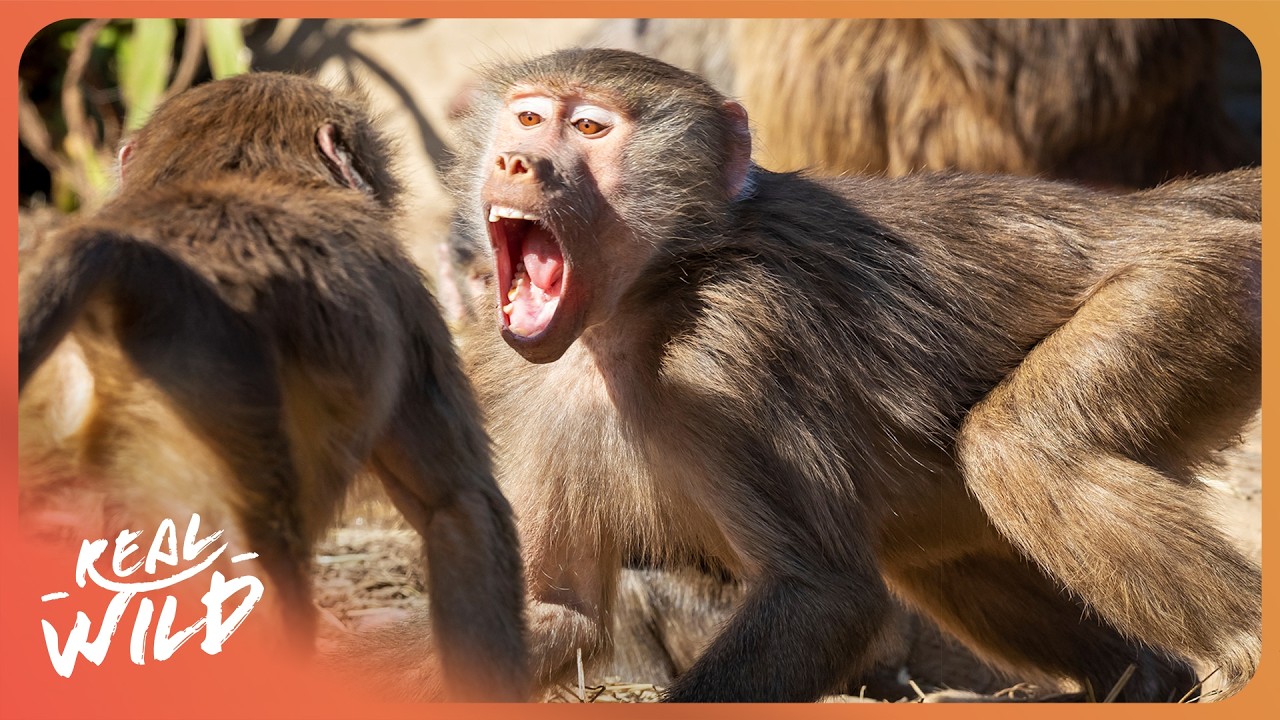
In the wild, Japanese macaques enjoy hot springs, while olive baboons exhibit complex social structures and young primates learn survival skills through play.
Wild cats face significant survival challenges due to habitat fragmentation and human-wildlife conflict, as illustrated by the rehabilitation of Duke the caracal and conservation efforts for cheetahs and Iberian lynx.
A massive asteroid impact 66 million years ago caused catastrophic environmental changes, leading to the extinction of dinosaurs and the rise of mammals.
Yellowstone National Park's diverse wildlife, including bighorn sheep, bison, and wolves, faces seasonal challenges that shape their survival and interactions.
In New Zealand's alpine regions, the Kea parrot exhibits remarkable intelligence and adaptability, facing challenges from introduced predators and environmental changes.
Animal communication is explored through examples like honeyguide birds, border collies, and elephants, highlighting the debate over language versus instinct.
In the Amazon Rainforest, jaguars and ecitom ants exemplify survival strategies, while the Maasai Mara showcases the complex interactions between baboons and cheetahs.
Wildlife investigator Ivan Carter examines various African animals, including the black rhino, elephant, lion, hippo, and Nile crocodile, to determine which is the most dangerous.
In Africa, lions and cheetahs form coalitions to secure territory, while black-backed jackals adapt to desert life in Namibia and polar bears face challenges from climate change.
Sharks, the ocean's apex predators, have evolved over 380 million years, showcasing unique hunting strategies and mating rituals across diverse species.
Animal behavior is examined through the lens of emotions, politics, culture, and homosexuality, highlighting complex social interactions across species.
Paleontologists from McGill University and the Tier team investigate fossil sites in Saskatchewan and Alberta to understand the mass extinction that killed the dinosaurs.
Mountain gorillas in the Virunga Mountains face threats from poaching, habitat loss, and the Rwandan refugee crisis, highlighting the urgent need for conservation efforts.
The equatorial ecosystem, spanning three continents, showcases how animals and plants adapt to extreme solar energy and seasonal changes, including the African monsoon.
In the animal kingdom, various species such as Puffins, Cheetahs, and Dolphins exhibit unique survival strategies and behaviors essential for their existence.
In Africa's national parks, apex predators like lions and cheetahs navigate the harsh realities of survival, facing challenges during annual migrations.
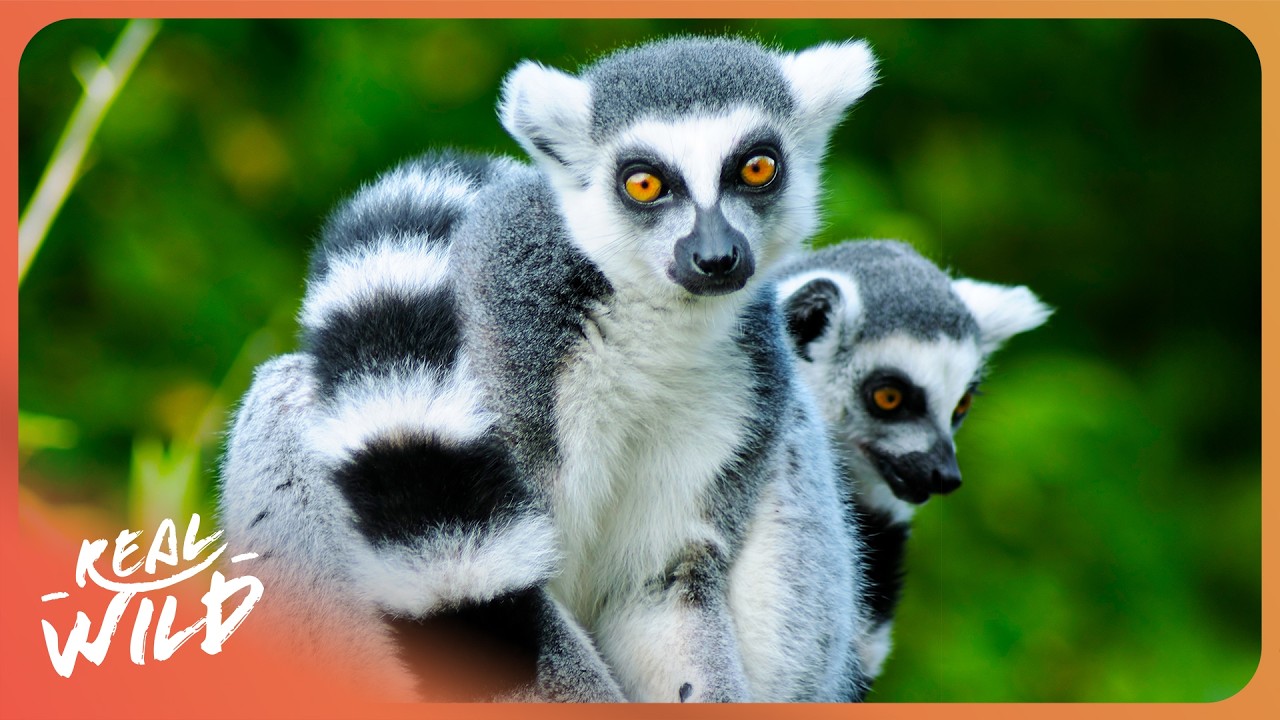
Madagascar's unique ecosystems, shaped by millions of years of isolation, support diverse wildlife, including endemic lemurs, chameleons, and culturally significant Zebu cattle.
In Namibia's Oma Pride, lions exhibit complex social structures and hunting techniques, while sharks demonstrate unique predatory behaviors in their marine environments.
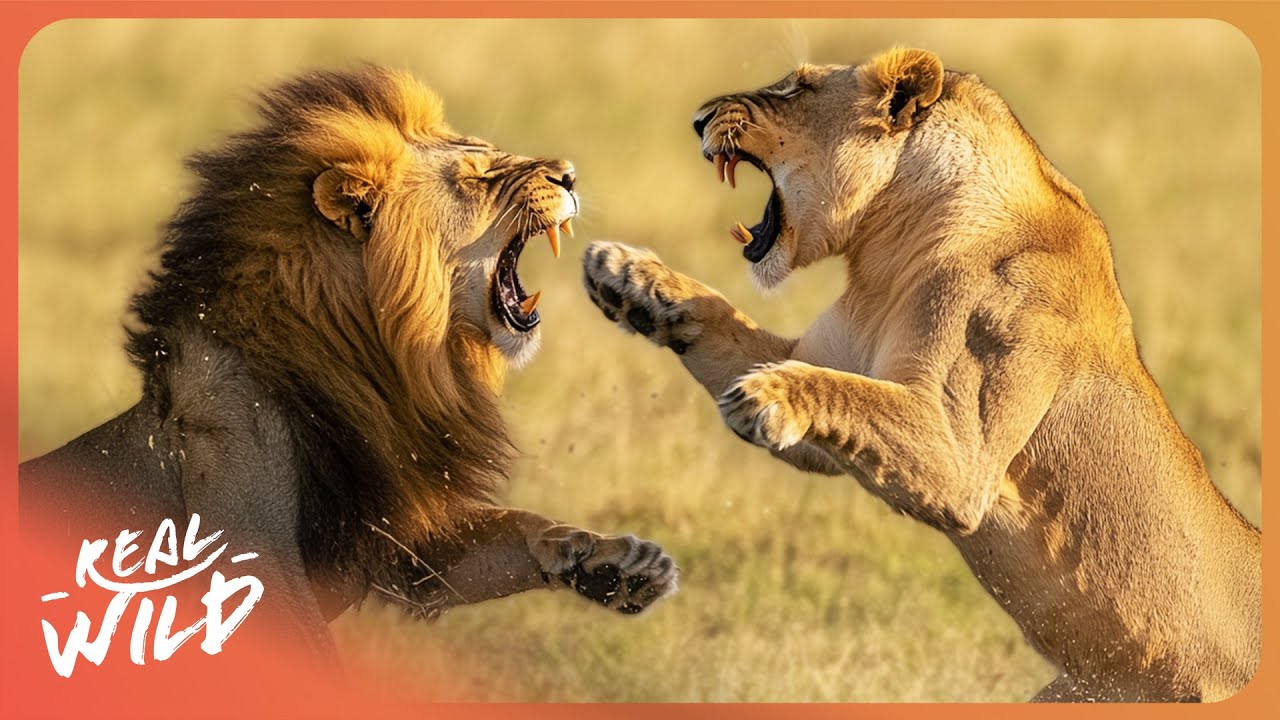
Animals have evolved remarkable combat strategies, showcasing powerful weapons like the elk's antlers, bison headbutts, and the lethal kick of an ostrich.