From over 100,000 films, discover the handful you'll love.
Free or premium access to the world's largest documentary library.
109 films(Page 2 of 3)
In 1925, Howard Carter's excavation of Tutankhamun's tomb revealed a pair of daggers, one forged from a meteorite, highlighting ancient Egyptian metallurgy.
Over 4,000 miles of the Nile River shaped the civilization of ancient Egypt, influencing agriculture and culture for thousands of years.
A 22-meter-high granite monolith weighing 140 tons was relocated from the ancient temple of Philae to protect it from rising waters caused by dam construction.
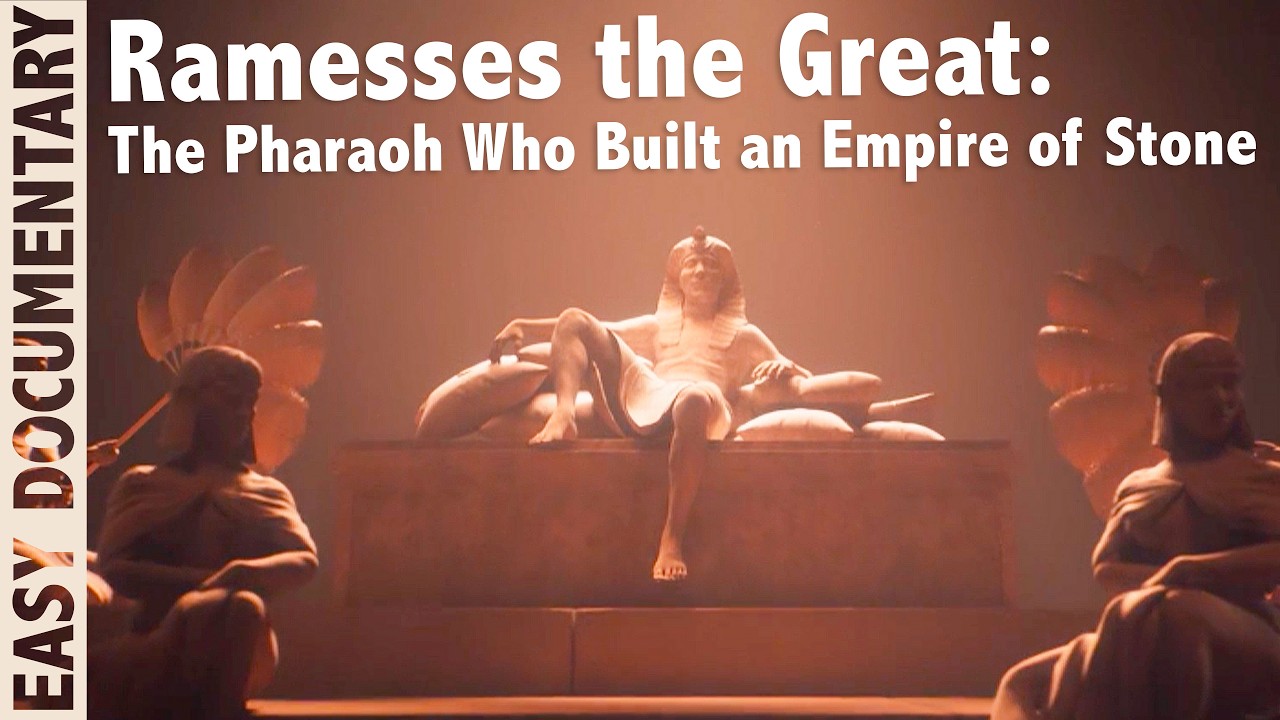
Ramesses II, the legendary warrior pharaoh of Ancient Egypt, is examined for his military campaigns and lasting influence during the New Kingdom era.
5,398 objects from Tutankhamun's tomb will be displayed together for the first time in a new $1-billion museum, revealing secrets of the young pharaoh's life.
In the Valley of the Kings, a rare tomb excavation reveals insights into Tutankhamun's lineage and health, including the incestuous relationship of his parents.
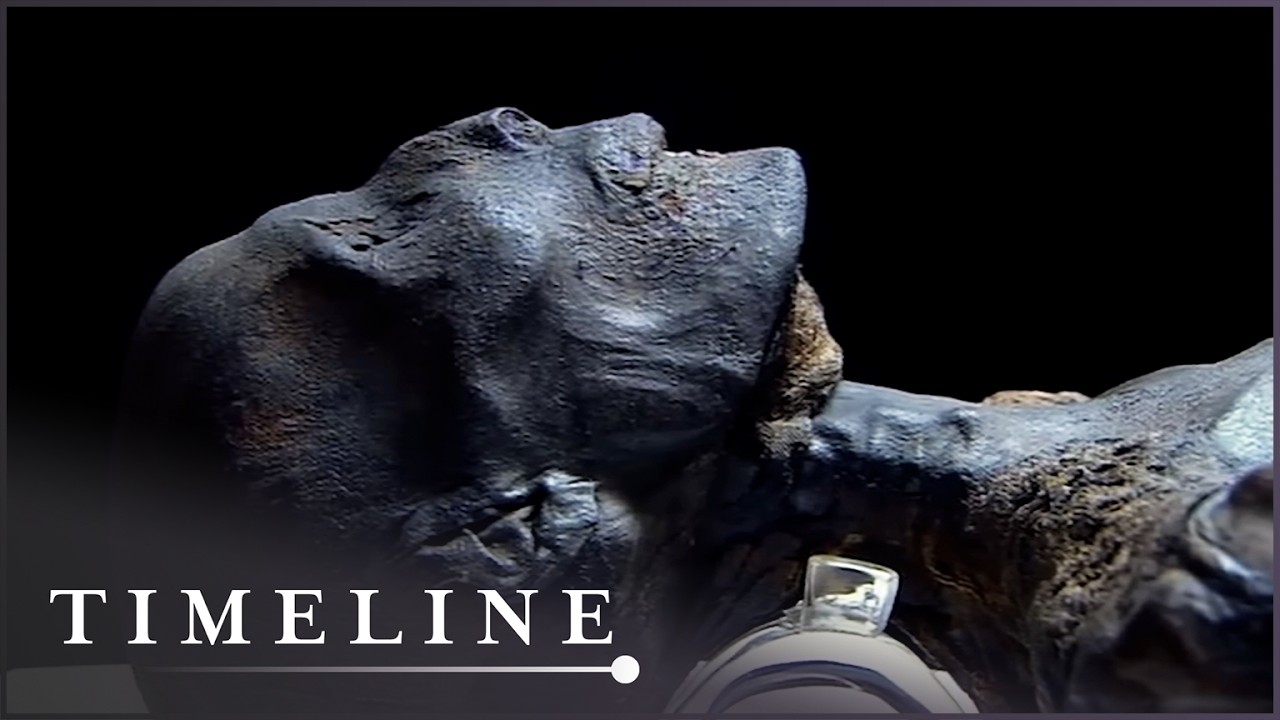
A dying man offers his body for a mummification experiment to help solve the ancient Egyptians' secret preservation techniques.
More than 5,000 years ago, ancient Egyptians built the Step Pyramid of Saqqara, a key site for understanding their burial practices and beliefs about the afterlife.
Cleopatra and her descendants employed various strategies, including political alliances and seduction, to challenge Roman dominance during Egypt's decline.
Cleopatra VII was born in 69 BC in Alexandria, the capital of the Ptolemaic Kingdom of Egypt, and became the last active pharaoh of the dynasty.
A 5,000-year-old book of magic, said to contain spells that can predict the future, is central to the quest for understanding its historical significance.
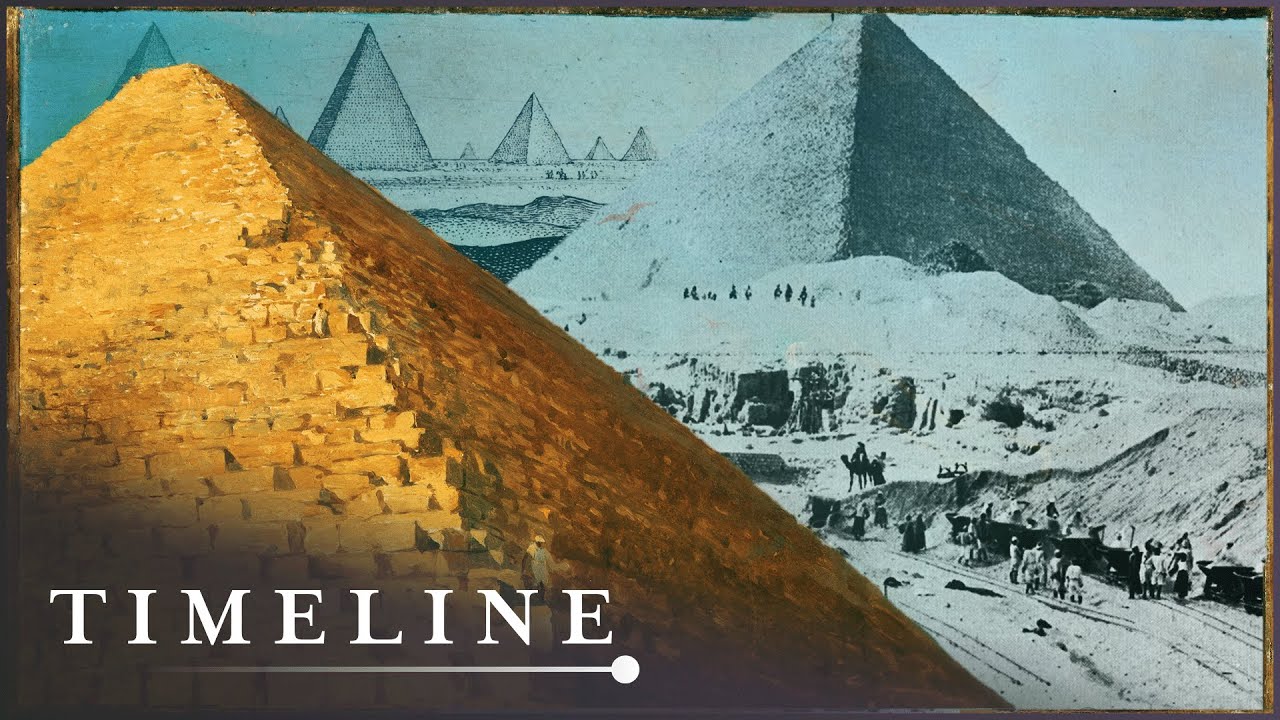
The Great Pyramid of Giza rises over 140 meters and serves as the final resting place of King Khufu, built more than 4,500 years ago.
66 years is the exceptional reign of Pharaoh Ramses II, known for his military conquests and monumental building projects in ancient Egypt.
On December 4, 1970, Bruce Gernon and his father encountered a strange cloud while flying from Andros Island in the Bahamas to Palm Beach, Florida.
The Great Pyramid at Giza was the tallest building ever created by mankind until the early 20th century.
In the 1960s, archaeologists in China opened a twelve-hundred-year-old tomb of a Tang dynasty princess, revealing stunning murals and insights into the era's culture.
The Great Pyramid of Giza, built for Pharaoh Khufu, reveals secret chambers that aim to shed light on its enduring mysteries and ancient construction techniques.
A recently discovered mummified hand from the 18th century may provide crucial insights into the location of Cleopatra's tomb in ancient Egypt.
Seventeen people connected to the discovery of Tutankhamun's tomb died under mysterious circumstances, fueling rumors of a pharaoh's curse.
In Saqqara, a dedicated team of Egyptian scientists conducts a three-month excavation to reveal ancient artifacts and secrets of Egypt's illustrious civilization.
Renowned archaeologist Zahi Hawass explores the ancient necropolis of Saqqara in search of Imhotep's tomb, the architect of the Step Pyramid of Djoser.
A dagger found in the tomb of Tutankhamun was forged from a meteorite, revealing advanced ancient Egyptian metalworking techniques.
Dr. Zahi Hawass and his team explore the ancient stone maze of Gisr el-Mudir in Saqqara, searching for the tomb of the polymath Imhotep.
Cleopatra's life is examined through archaeological findings and expert insights, focusing on her reign, mausoleum, and the downfall alongside Mark Antony.
Ancient Egypt's towering obelisks, traditionally viewed as monuments to pharaohs, are examined for their potential technological purposes in this episode.
The construction of the Egyptian pyramids, particularly the Great Pyramid of Giza, is examined through recent advancements in aerial and satellite imaging technology.
Cleopatra's allure is examined alongside the ancient wonders of her capital, Alexandria, revealing insights into her historical image and significance.
The Great Pyramids of Egypt are examined for their design and connections to prophecies from Nostradamus, the Bible, and ancient texts in this episode.
Ancient Alexandria's geometric design attracted over 1 million residents and significantly influenced urban planning and Greek scholarship.
Howard Carter's 1922 discovery of Tutankhamun's tomb in the Valley of the Kings is examined through new footage, 3D imagery, and expert insights on its significance.
Meïdoum, Egypt's least known pyramid, is examined for its architectural complexity and historical significance in the context of ancient Egyptian civilization.
Dr. Joanne Fletcher investigates a mummy found in Bolton Museum, revealing that the individual was likely a victim of a brutal murder.
Tutankhamun's mask, nearly 3,500 years old, may contain erased hieroglyphics that could reveal the name of its original owner.
Tutankhamun's tomb is reconstructed using 2D and 3D imagery to explore its significance in shaping Egyptian history and the Valley of the Kings.
Once a simple staple, bread is now a branded product with countless varieties. This film explores its production, from artisan bakers to industrial factories, and the future of baking.
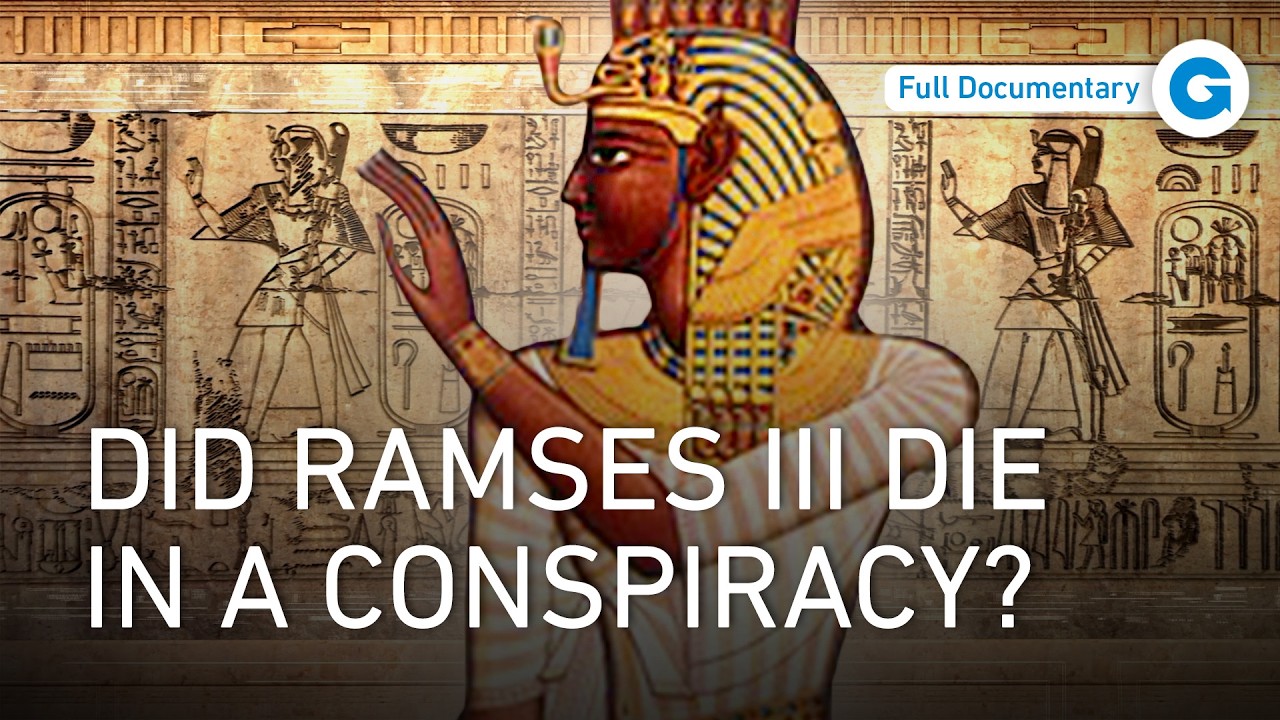
Ramses III ruled Egypt for over 30 years before his death in 1156 BC, which modern forensic examinations suggest may have been a murder.
The Great Pyramid, built around 2580-2560 BCE, stands 481 feet tall and consists of 2.3 million blocks, some weighing as much as 50 tons.
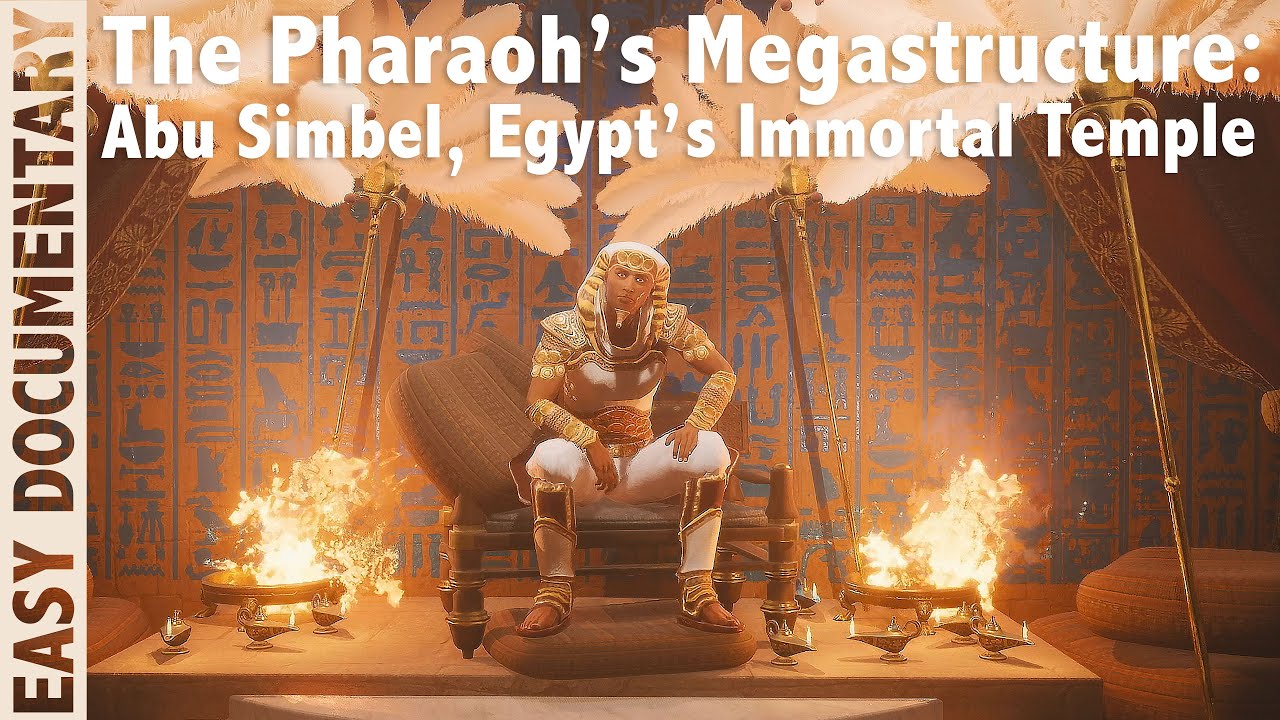
Abu Simbel, built by Pharaoh Ramses II over 3,000 years ago, showcases ancient engineering prowess and modern preservation efforts against the Aswan High Dam's threat.
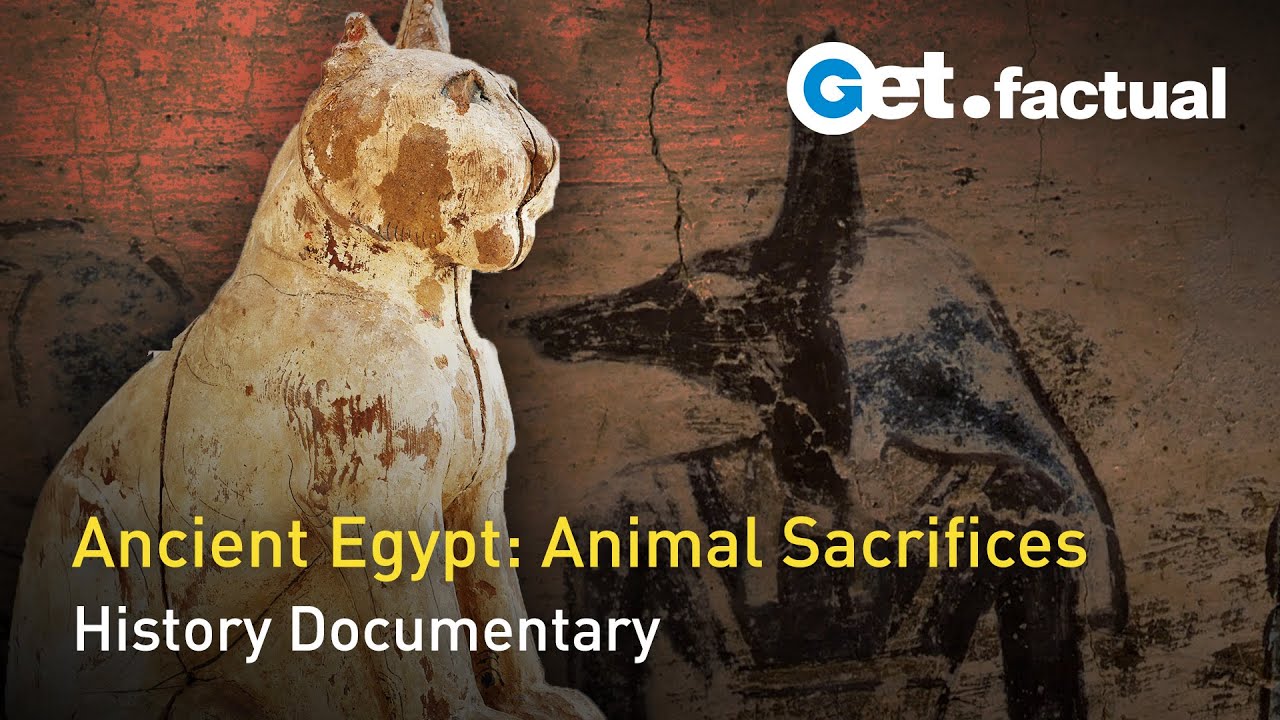
180,000 cat mummies were destroyed in the 19th century, yet countless others remain, raising questions about ancient Egyptian animal mummification practices.
Ancient architectural marvels such as the Pyramids of Giza, the Great Wall of China, and Stonehenge are examined for their engineering significance and influence on modern construction.
LiDar scans near Saqqarah reveal an ancient canal that allowed boats to reach the necropolis over 4,000 years ago.
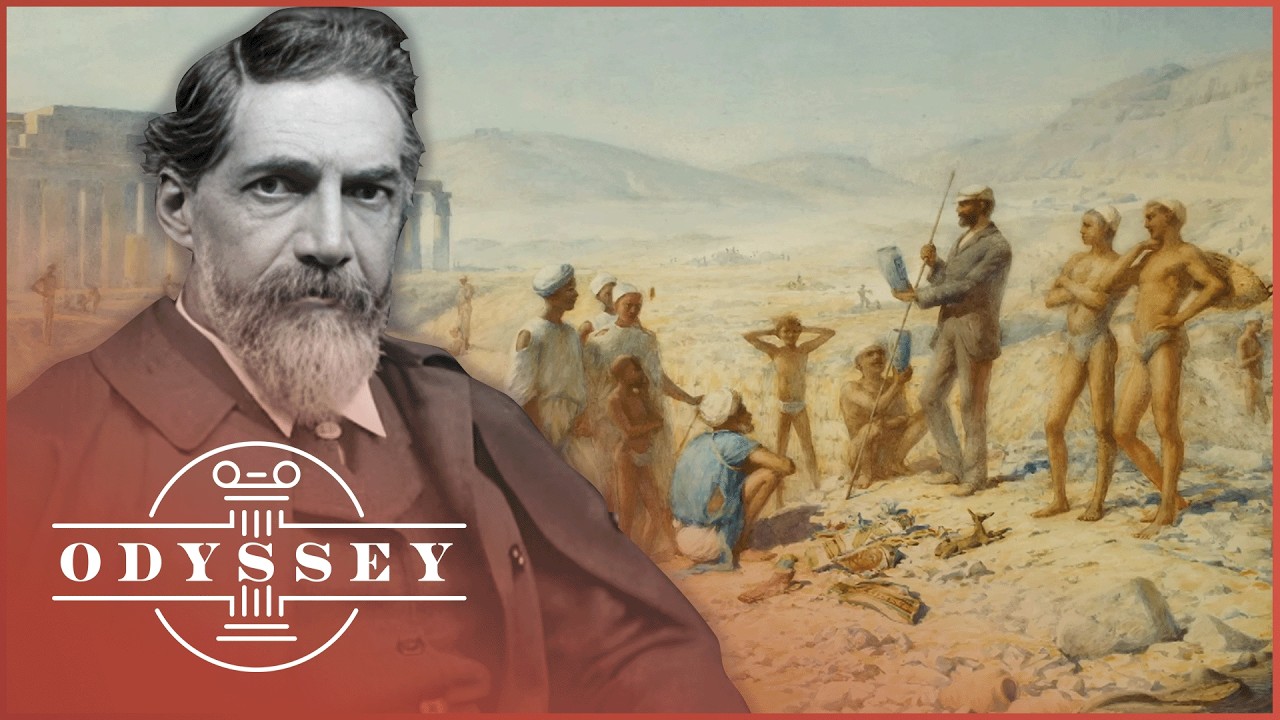
Flinders Petrie, an English Egyptologist, pioneered systematic archaeological methods to combat the vandalism of ancient Egyptian sites by treasure hunters.
In Dahshur, the Bent Pyramid and the Red Pyramid represent significant advancements in ancient Egyptian pyramid construction, marking a pivotal evolution in architectural design.
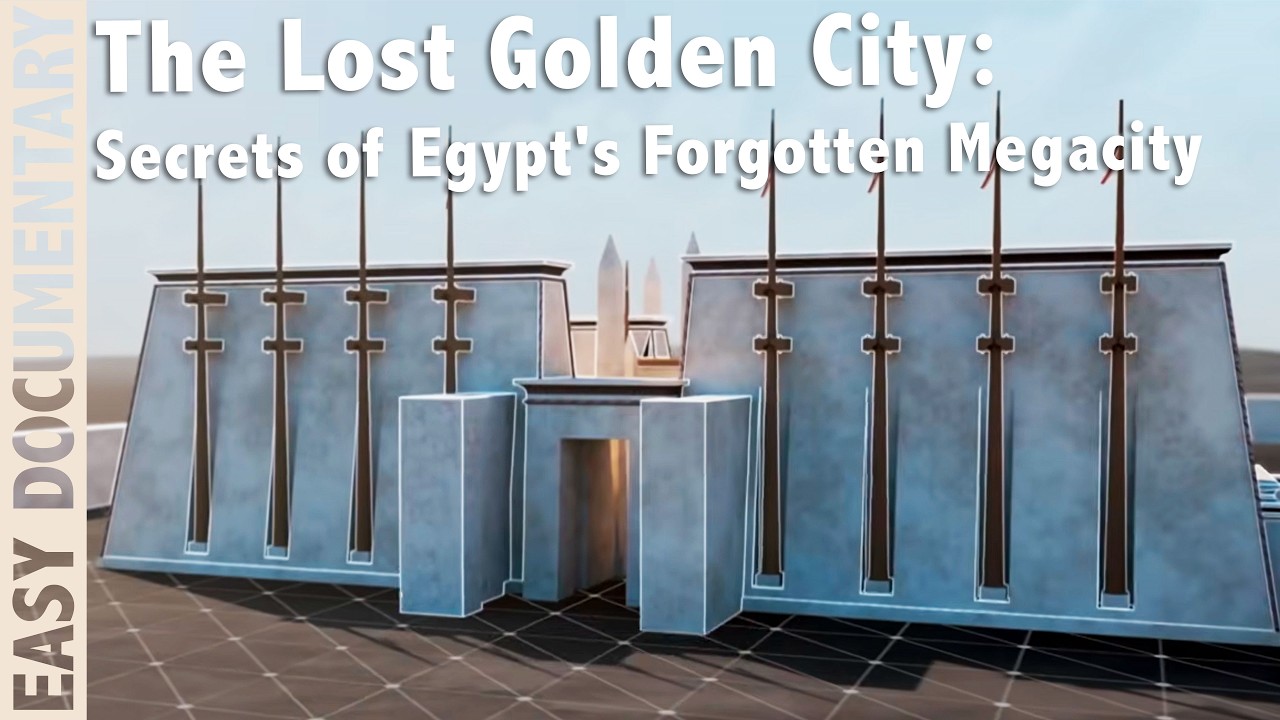
In 2020, archaeologists near Luxor revealed the remains of Aten, a well-preserved ancient city founded during the reign of Amenhotep III, challenging existing narratives of Egyptian history.
Khufu, the powerful pharaoh of Egypt’s Old Kingdom, orchestrated the construction of the Great Pyramid of Giza, a monumental achievement still studied today.
Ancient Egypt's economic systems are examined to trace the evolution of capitalism, featuring insights from experts like Dr. Julianne Malveaux and Dr. Leonard Jeffries.
Ramesses II, known as Ramesses the Great, ruled Ancient Egypt for 66 years, expanding its borders through military campaigns and monumental architectural projects like Abu Simbel.
Many obelisks from Ancient Egypt were re-erected in cities like Istanbul, Rome, Paris, London, and New York, symbolizing a connection to the past.