From over 100,000 films, discover the handful you'll love.
Free or premium access to the world's largest documentary library.
109 films(Page 1 of 3)
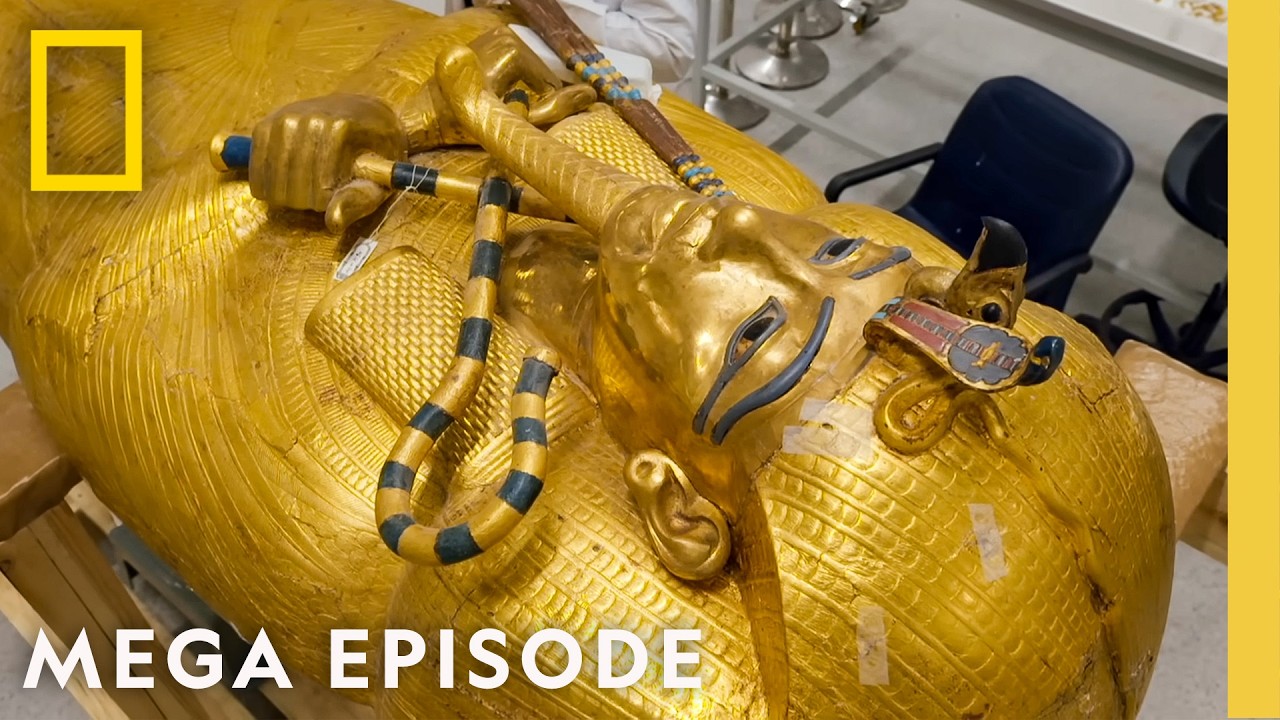
Over 5,000 artifacts were found in Tutankhamun's tomb, including a coffin made of more than 200 pounds of solid gold.
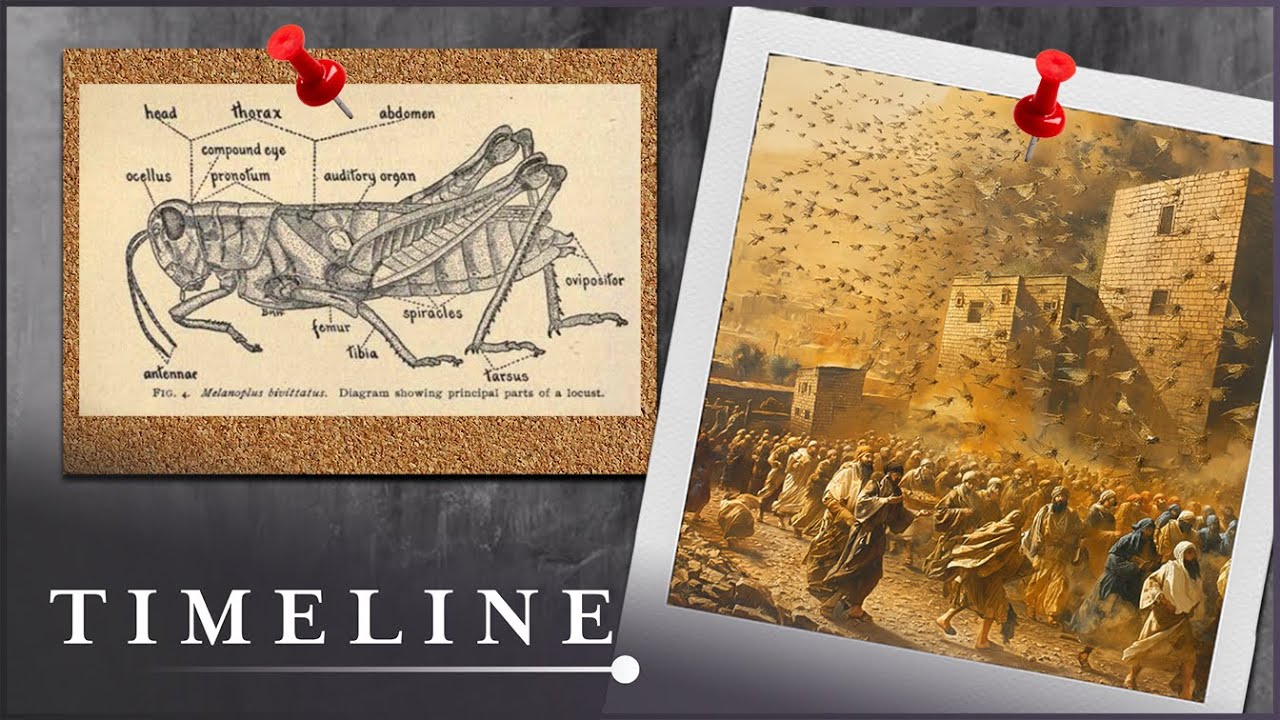
Ancient hieroglyphics and stone carvings depict the parting of the sea and the biblical plagues, suggesting these events may have historical roots.
Ancient Egypt's history spans over 6,000 years, yet the stories of its powerful women remain largely untold.
A thirty-foot-wide cavity is discovered beneath a temple entrance, suggesting a possible burial site for Cleopatra in the Valley of the Kings.
A 750-meter-long causeway at Saqqara symbolizes the connection between life and death during Ancient Egypt's Pyramid Age and its subsequent decline.
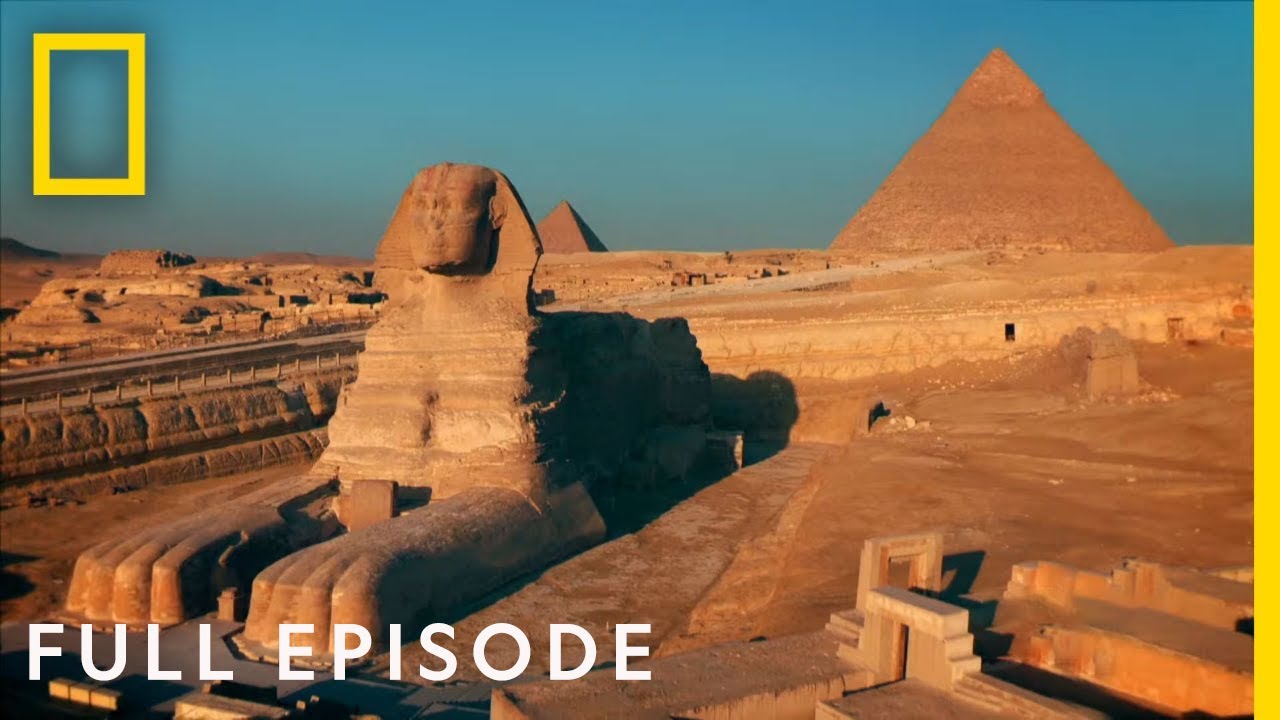
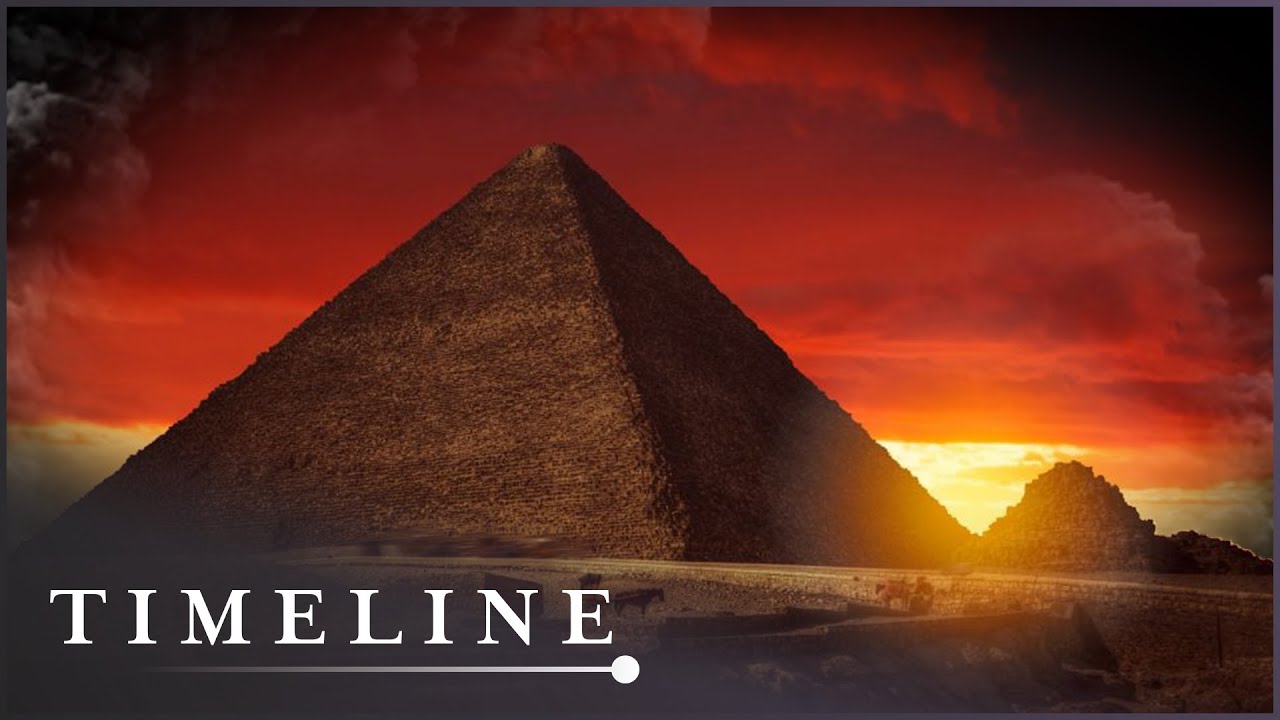
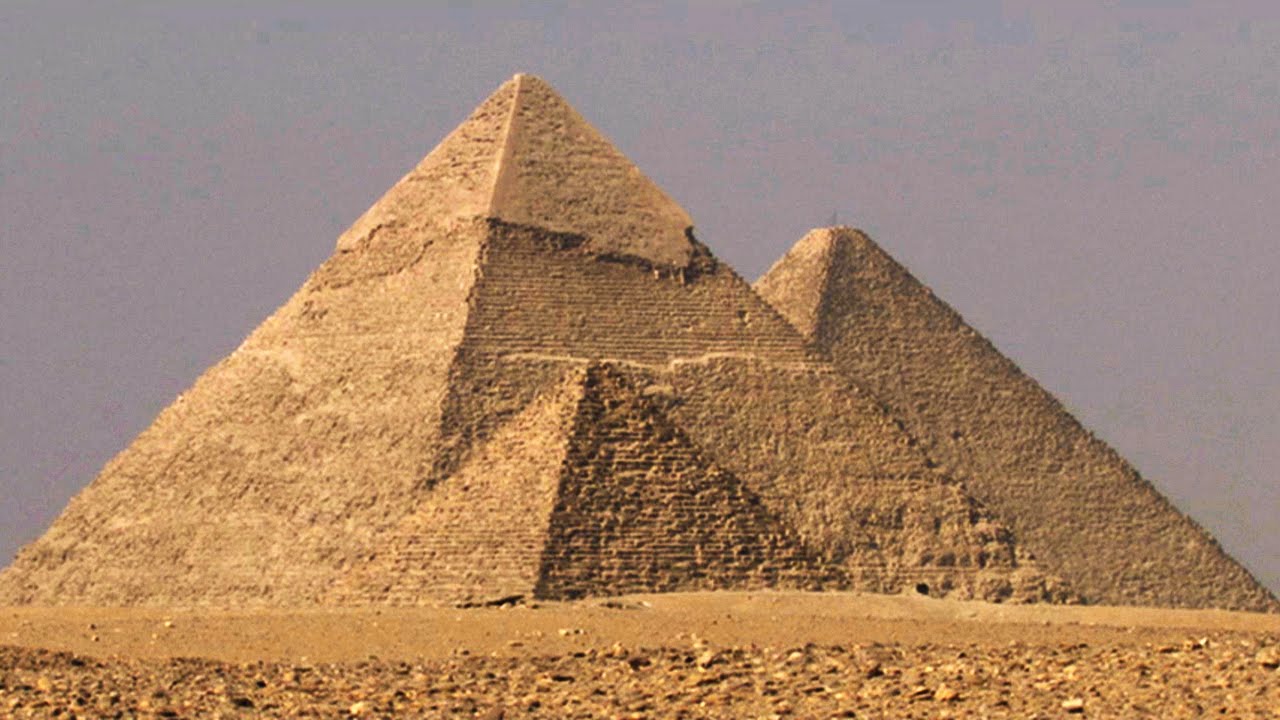
The Great Pyramid of Giza stands over 140 meters tall and serves as the final resting place of King Kufu, symbolizing ancient Egypt's architectural achievements.
10,000 soldiers and officials could be housed in the massive forts built by Egyptian Pharaohs to protect their civilization and control trade.
A 3,500-year-old gold image, possibly carved by an eyewitness to the biblical Exodus, is claimed to be hidden in plain sight.
Over 4,500 years ago, the Great Pyramid of Giza was built for King Khufu, marking the beginning of ancient Egyptian civilization.
A fleet of boats, buried six miles from the Nile, reveals insights into Egypt's original Valley of the Kings.
By 945 BC, Libyan generals seized control of Egypt during the 22nd dynasty, adopting local customs to maintain their power.
A funerary temple spanning over 86 acres is excavated at the Colossi of Memnon, revealing the grandeur of Amenhotep III's reign in ancient Egypt.
A volcanic eruption could have generated tsunamis up to 100 feet high, potentially influencing the biblical story of the parting of the Red Sea.
A female mummy, sealed in an intricately painted coffin, was found to have been murdered by a knife attack to the abdomen, complicating her afterlife.
Twenty-three stab wounds were inflicted on Julius Caesar during his assassination on the Ides of March, marking a turning point in Roman history.
The Great Pyramid of Giza, built over 4,500 years ago, stands 481 feet tall and weighs nearly six million tons, consisting of 2.3 million stone blocks.
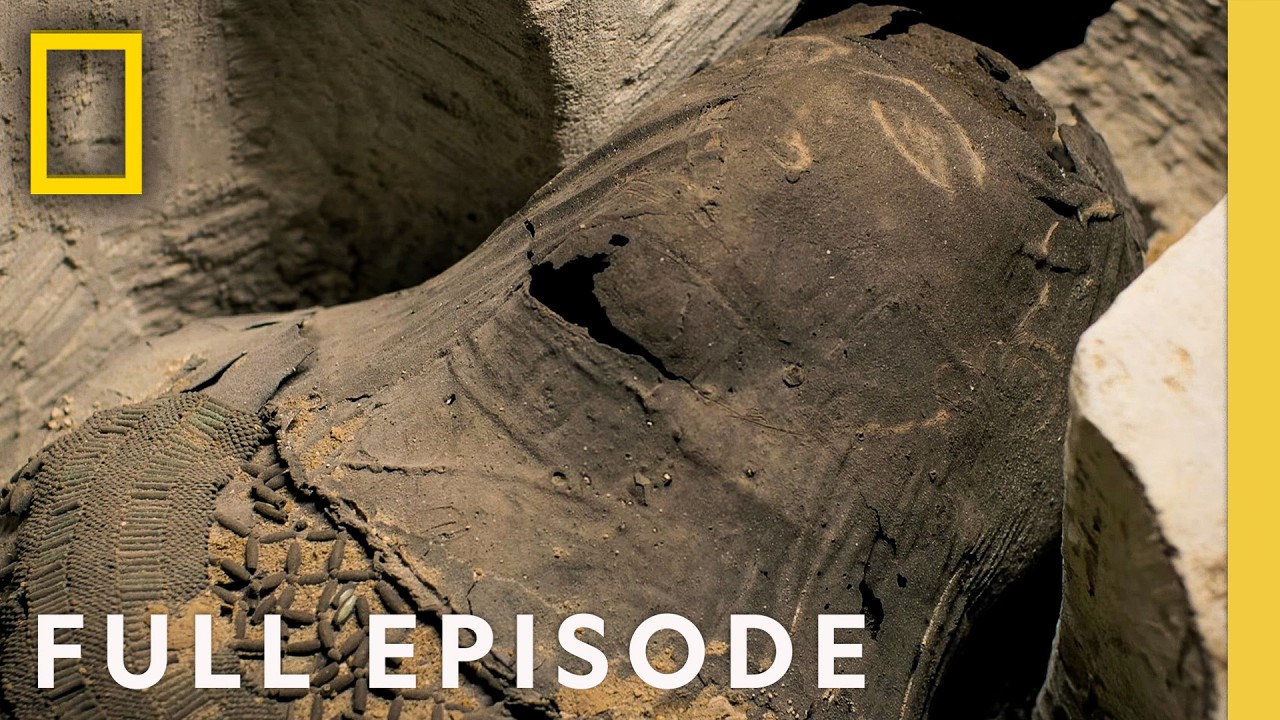
A mummy with an overbite and missing genitals is found in a coffin too large for its body, prompting an investigation into its identity and unusual condition.
5,398 objects from Tutankhamun's tomb are reunited for the first time in a new $1 billion museum, revealing insights into the pharaoh's life and legacy.
A thirty-foot-wide cavity beneath the Taposiris Magna temple may hold the lost tomb of Cleopatra, according to archaeologist Kathleen Martinez.
In 1323 BC, Tutankhamun sustains a thigh bone injury that may have resulted from battle, leading to his eventual death, while exploring the 1920s phenomenon of Tutmania.
Two mummified priests, Chanam and Yut, are discovered in a tomb complex dating back to 600 BC, revealing connections to a previously unknown cult.
An intact tomb from 1906, undisturbed for over 3,000 years, holds the mummies and belongings of a working man named Carr and his wife Merit.
Over 130 pyramids have been discovered in Egypt, with teams of archaeologists investigating the origins and secrets of these ancient structures.
A team of experts reconstructs two replicas of ancient Egyptian chariots to test their effectiveness in warfare during the New Kingdom era.
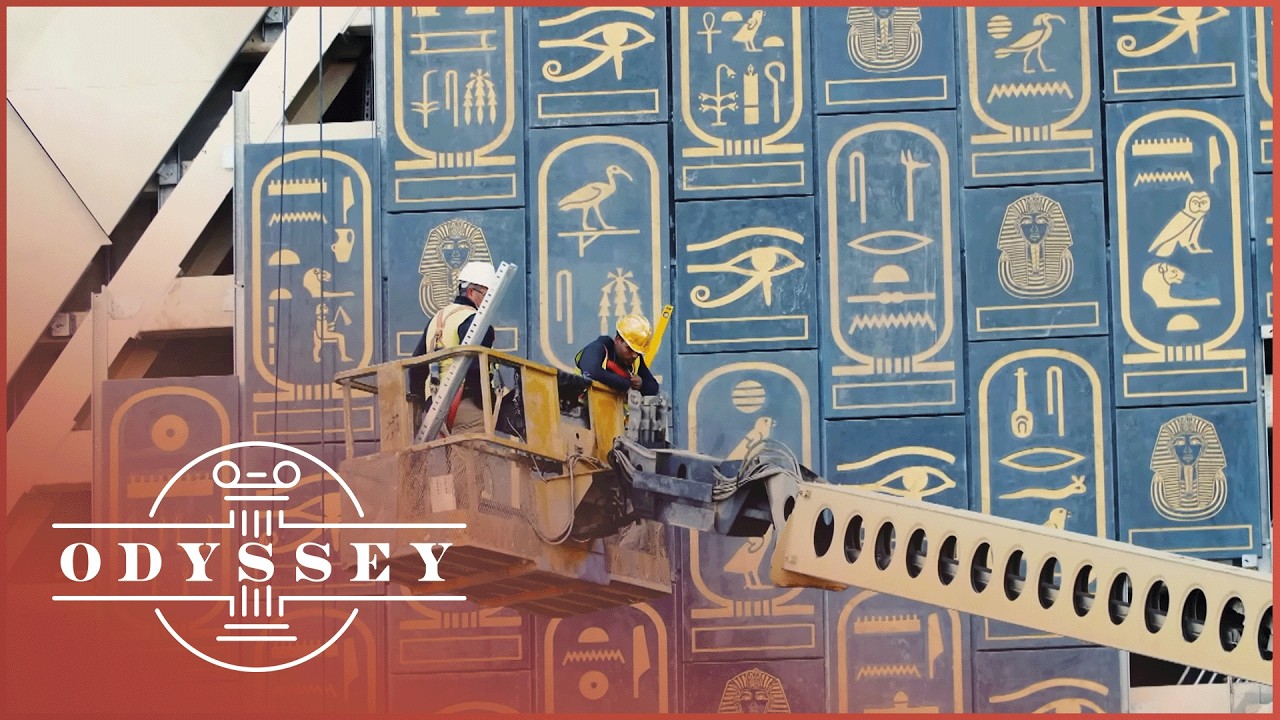
The Grand Egyptian Museum, located near the Cheops pyramids, is the largest museum in the world, housing 100,000 archaeological artefacts within its 260,000 square feet.
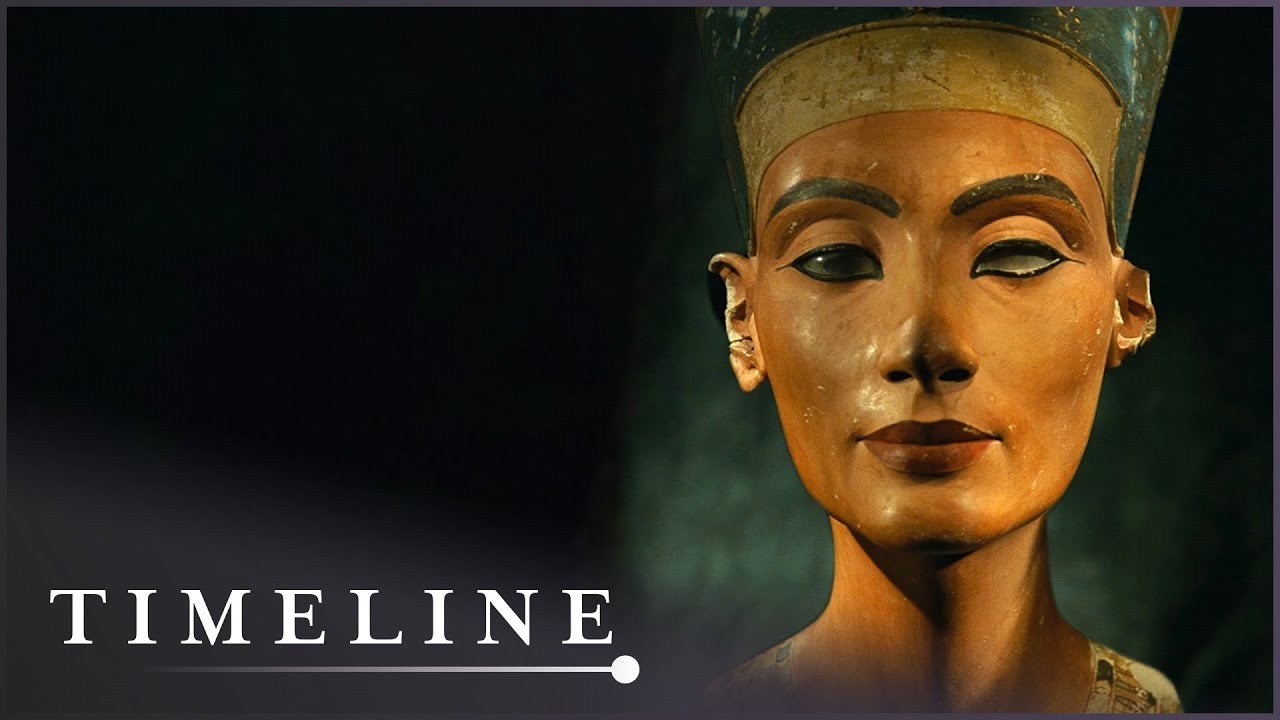
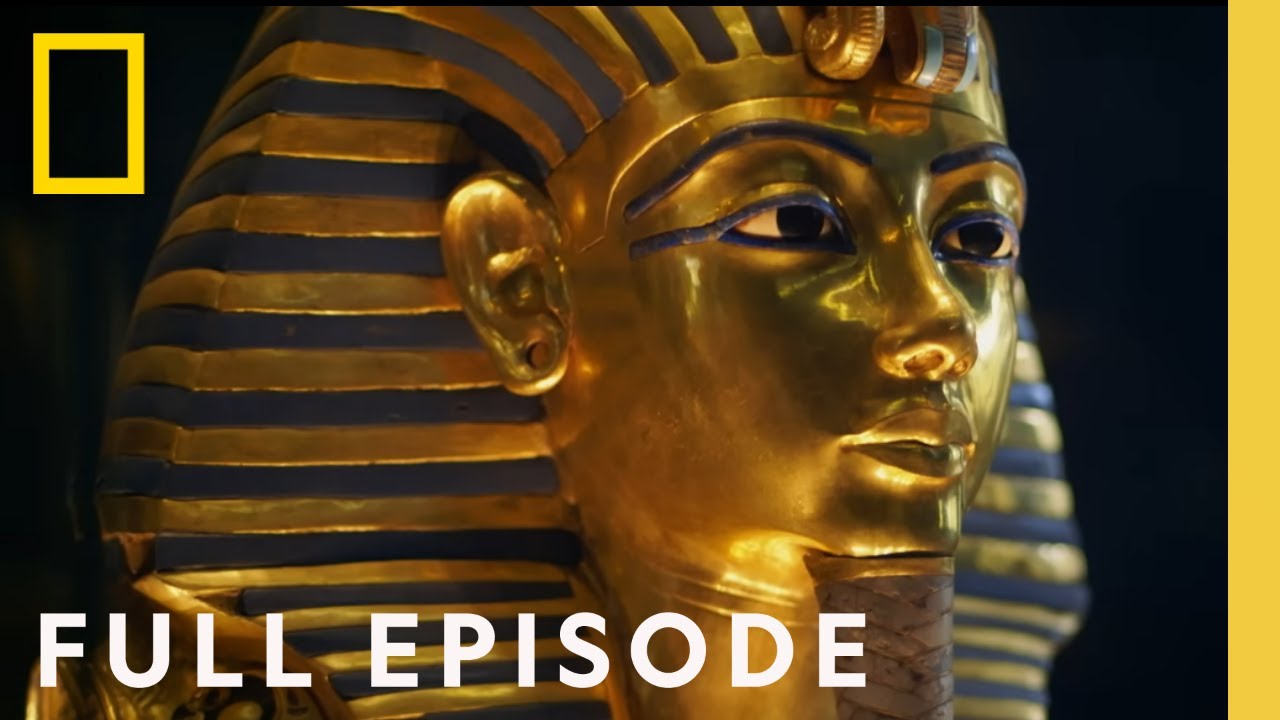
Crafted from 22 pounds of gold, Tutankhamun's death mask has sparked debate over whether it was originally made for him or for Queen Nefertiti.
Tutankhamun's burial reveals anomalies, including mismatched faces on coffins and canopic jars, highlighting the rushed quality compared to Seti's tomb.
A 4,000-year-old sealed burial chamber is discovered in Egypt's Valley of the Kings, revealing insights into ancient burial practices and looting.
A team of archaeologists in Saqqara has discovered the first gilded silver mummy mask in Egypt for nearly a century, revealing insights into ancient burial customs.
The Nile River shapes the lives of communities in its valley, showcasing a blend of tradition, creativity, and the remnants of ancient civilizations.
A 40-foot deep shaft in the hills above ancient Philadelphia may hold the unopened tomb of Cleopatra, potentially revealing royal treasures.
Over the course of eight months, a team of over 60 workers excavates a one square mile area south of the Great Pyramids of Giza.
Tutankhamun's burial was a rush job, with evidence suggesting that powerful factions competed for the throne immediately following his unexpected death in 1323 BC.
A 750-meter-long causeway at Unas Pyramid Complex symbolizes the connection between life and death during Ancient Egypt's transition from prosperity to turmoil.
Three and a half thousand years ago, a tightly packed community of ordinary Egyptians lived in a village on Luxor's West Bank, near the Valley of the Kings.
Three and a half thousand years ago, a tightly packed community thrived in a village on Luxor's West Bank, home to ordinary Egyptians living daily lives.
Pharaoh Ramesses II, known as Ramesses the Great, is examined alongside the Karnak and Luxor temples and the transformative reign of Akhenaten in ancient Egypt.
Egyptologist Lark Lenher investigates the 4,000-year-old Black Pyramid in Egypt, revealing its intricate tunnels and significant artefacts.
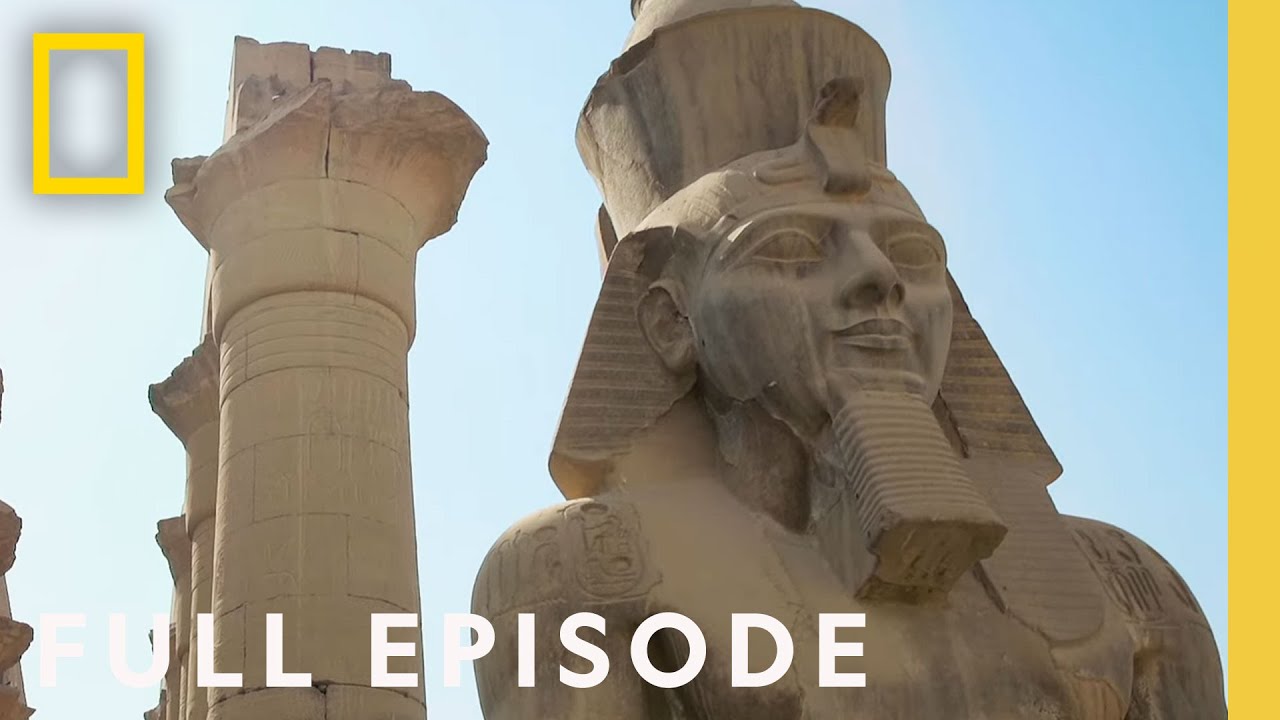
134 sandstone columns in Karnak Temple, each inscribed with Ramses II's name, stand 66 feet high, revealing his monumental legacy in ancient Egypt.
In 1939, French archaeologist Pierre Montet unearthed the remarkable treasures of Tanis, including the tombs of pharaohs Sheshonq II and Psousennès I, which are now being re-explored using.
Ancient Egypt has been studied for almost 4,000 years, beginning with the Egyptians themselves and later by Greek, Roman, and Arab scholars.
A 13-meter deep shaft discovered in Saqqara, Egypt, reveals an ancient embalmer's cachette used for mummification tools and vessels.
Tutankhamun died around 1324 BCE after only a decade on the throne, and his tomb contained lavish gold and grave goods.
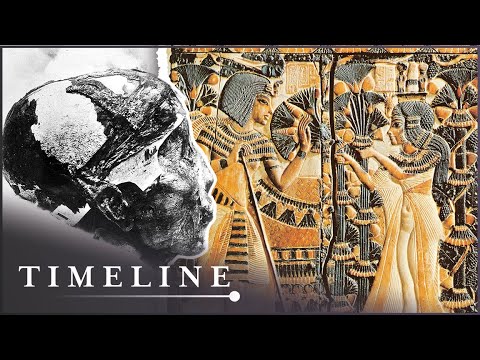
Tutankhamun was born in the late 1340s BC and became pharaoh during a time of significant religious and political upheaval in ancient Egypt.
Amenhotep III's reign is examined through the construction of the Colossi of Memnon and the lives of workers involved in the Valley of the Kings project.
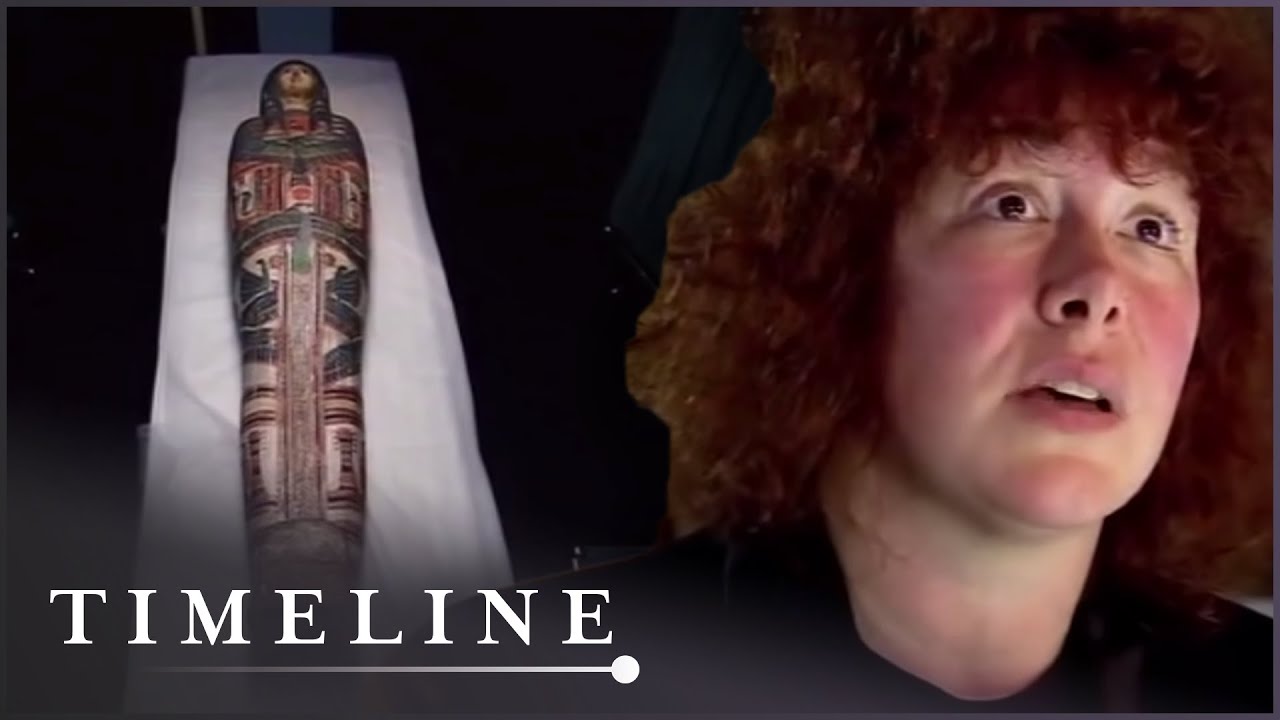
Dr. Joanne Fletcher studies three mummies from Ancient Egypt, including one woman whose coffin is described as a "fantastic preservation" after 3,000 years.
During a season of excavations, archaeologists search for clues to Ramses II's success, including a temple believed to be the first built during his reign.
Egyptian pyramids continue to intrigue researchers as Egyptologists and archaeologists utilize aerial and satellite imagery to reveal new insights into these ancient structures.