From over 100,000 films, discover the handful you'll love.
Free or premium access to the world's largest documentary library.
514 films(Page 4 of 11)
Mary Norris clarifies the difference between 'less' and 'fewer' using examples from The New Yorker.
A finger index triggers warmth as it contemplates the emotional toll of peace in a world shaped by war and its aftermath.
Lines of British boys are depicted rewinding back to their trenches, reflecting on the memories of home and the weight of loss during World War I.
Mary Norris clarifies that ending sentences with prepositions is a matter of preference.
The episode discusses reflexive pronouns and their correct usage in English grammar.
The video discusses the difference between inshore and ensure, clarifying their meanings.
A soldier puts a bullet through his brain in the trenches, reflecting the despair faced by many during World War I.
The video discusses split infinitives and their use in English grammar, including Star Trek examples.
Two lines of soldiers with guns on their shoulders toss gum and colored sweets to workers killing pigs outside a slaughterhouse on a Tuesday morning.
Britain's finest actors read World War 1 poetry, remembering the war's impact and sacrifices.
Magicians from around the world seek to identify the elusive author of "The Expert at the Card Table," a pivotal book on sleight of hand.
Bullets chirp in vain as a soldier's face kisses the mud, captured in a reading of World War I poetry by actor Sean Bean.
Bangor, Maine, earned the nickname "the devil's halfacre" due to its history of brothels, saloons, and weekly murder headlines in the 1800s.
The episode discusses the serial comma's importance using JFK, Stalin, and strippers as examples.
Ernest Hemingway falls in love with Sun Valley, Idaho, where he writes 'For Whom The Bell Tolls.'
The video questions if Da Vinci's mirror writing indicates dyslexia or a coded message.
Marco Polo's claim of being a Chinese governor lacks evidence in historical records.
George Washington reflects on power and the Constitution during Presidents Day weekend.
Bob Mankoff discusses cartoons by Paul Noth and Cameron Hafeez in The New Yorker.
Forks, Washington, becomes famous for vampires through Stephenie Meyer's Twilight series.
Anne Frank, a widely read writer, documents her life in hiding during the Holocaust.
Crossword puzzle makers discuss the meaning of 'thirst trap' and how it fits into clues for modern puzzles.
J B Priestley shares insights on his writing process and character inspirations while showcasing his Isle of Wight home and a new television set.
John Whiting explores the setting and characters of his play The Devils, set in the historic French town of Loudun, featuring notable performances from 1961.
Spike Milligan's unpredictable humor transforms a serious interview with Huw Wheldon into a chaotic and entertaining exchange, showcasing his comedic genius.
Donald Rowland, a prolific Suffolk author, has written nearly 200 romantic novels under various pseudonyms, raising questions about the exploitation of "broiler-house" writers.
Edward Bond critiques the philosophy of acceptance in Shakespeare's King Lear through his new play, Lear, in a conversation with David Jones.
Roger McGough reflects on the profound impact of Reverend Joseph Parker's 1972 interview about his son's death during Bloody Friday, which inspired his acclaimed poem, The Identification.
Watership Down, a best-selling novel featuring anthropomorphic rabbits, captivates readers with its blend of fantasy and realism, sparking discussions on its deeper meanings.
Mike Tomkies, a former glamorous journalist, abandoned his urban lifestyle at 38 to embrace a simpler life in the wilderness, focusing on nature and writing.
Otto Frank shares poignant insights about his daughter Anne's original diaries in a heartfelt interview, highlighting the enduring impact of her story.
James Herriot shares insights about his dual career as a veterinarian and bestselling author, revealing his writing habits and enduring love for rural Yorkshire.
Roald Dahl shares insights into his writing process and the evolution of his career from adult short stories to beloved children's literature in his garden shed.
Douglas Adams discusses the potential of adapting The Hitchhiker's Guide to the Galaxy into a computer game, highlighting future interactive technology possibilities.
The rise of multimedia formats raises questions about the future of traditional books, as experts explore their potential evolution in a digital age.
Viktor Lazić aims to build Belgrade's biggest library using only donations of books.
A Fulbright scholar in the 1950s, Norton Juster reflects on the unexpected elements in his children's book during a conversation at The New Yorker Festival.
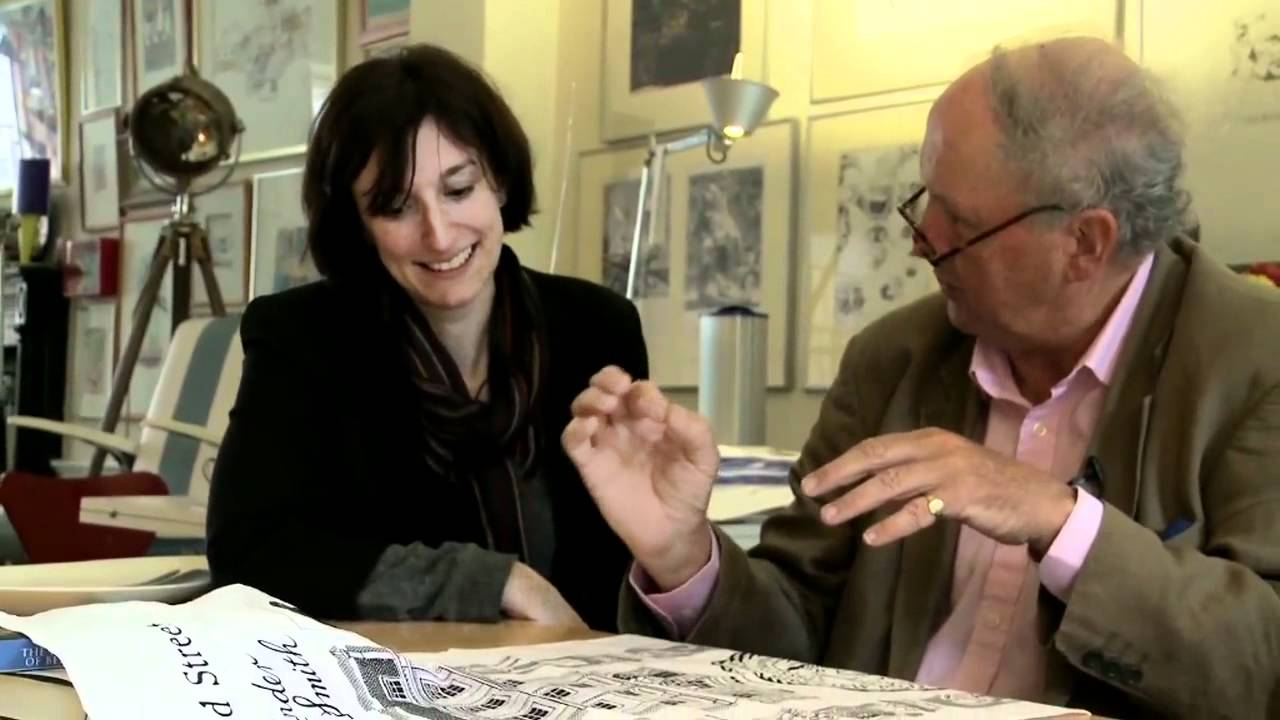
Alexander McCall Smith tours Scotland Street, home to his 44 Scotland Street novels.
Iain Sinclair and Alan Moore reimagine JB Priestley's 'English Journey' across England.
Gopnik describes his first apartment in New York City as a 9 by 1 room, where he began his writing career while facing numerous rejections from The New Yorker.
In 1985, Mary Norris's brother picks up William Shawn, the editor of The New Yorker, who praises her writing talent during their taxi ride.
Joyce Carol Oates and Cherie Maroni celebrate the beauty and complexity of cats in poetry.
1,400 submissions were reviewed to determine the 20 finalists for the 2016 National Book Awards, now in its 67th year.
Tony Bourdain recounts his unexpected rise to prominence after submitting an article to the New Yorker, transforming his career from fry cook to writer.
Jhumpa Lahiri reflects on her writing process, exploring themes of isolation and connection through her narratives set in diverse locations like New England and India.
A.
Creepypasta explores the world of internet horror stories, examining their origins, cultural impact, and the community that shares them.
Mr. Widemouth, a sinister creature from internet folklore, embodies the fears and creativity of online storytelling through chilling narratives.