From over 100,000 films, discover the handful you'll love.
Free or premium access to the world's largest documentary library.
514 films(Page 2 of 11)
Katherine Cookson sold more than 130 million copies of her 104 novels, becoming the most borrowed author from public libraries until 2004.
On July 4, 1957, an inquest determined that Malcolm Lowry died from misadventure after consuming gin and barbiturate sleeping pills.
More than 100 years have passed since Peter Rosegger wrote about the forests filled with snow hares, red deer, and blooming fruit trees.
Merlin Holland discusses the legacy of Oscar Wilde, including his trials, affairs, imprisonment, and the impact on his family with Anthony Delaney and Maddy Pelling.
William Golding, the renowned author of Lord of the Flies, shares insights on his writing process and the challenges he faced before achieving success.
Ancient legends like King Arthur, Odysseus, and Sigurd are analyzed for their cultural significance regarding community values and attitudes toward death.
Homer's 'The Odyssey', the Old English poem 'Beowulf', and the works of Augustan Poets are analyzed for their historical significance and literary impact.
John the Apostle, exiled on the Greek island of Patmos, is examined alongside the other twelve apostles for their historical and contemporary significance.
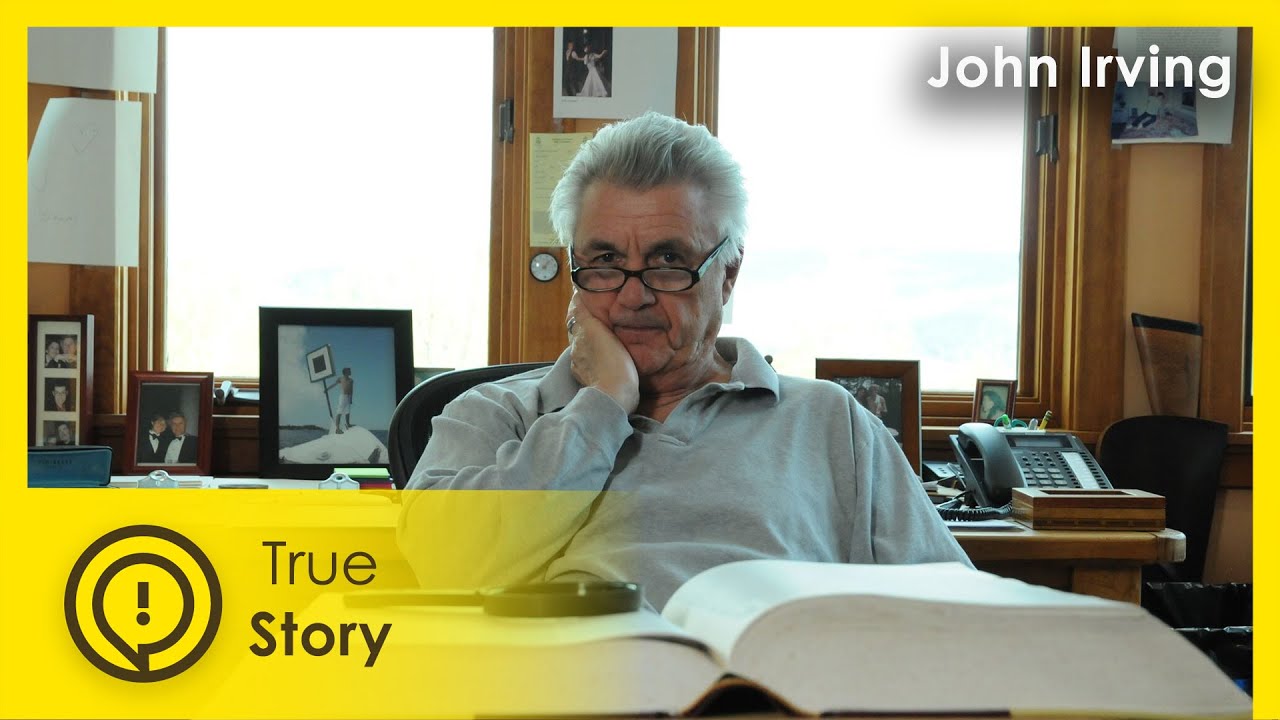
John Irving, a celebrated American author known for novels like "The World According to Garp" and "The Cider House Rules," has influenced global literature with his accessible narratives.
Wilhelm and Jacob Grimm, renowned for their fairy tales, collected these stories to preserve cultural heritage and influence political change in 19th-century Germany.
In 1200 BC, the era of the Trojan War and the Bronze Age Collapse, the origins and historical context of Homer's "The Odyssey" are examined through archaeology and storytelling.
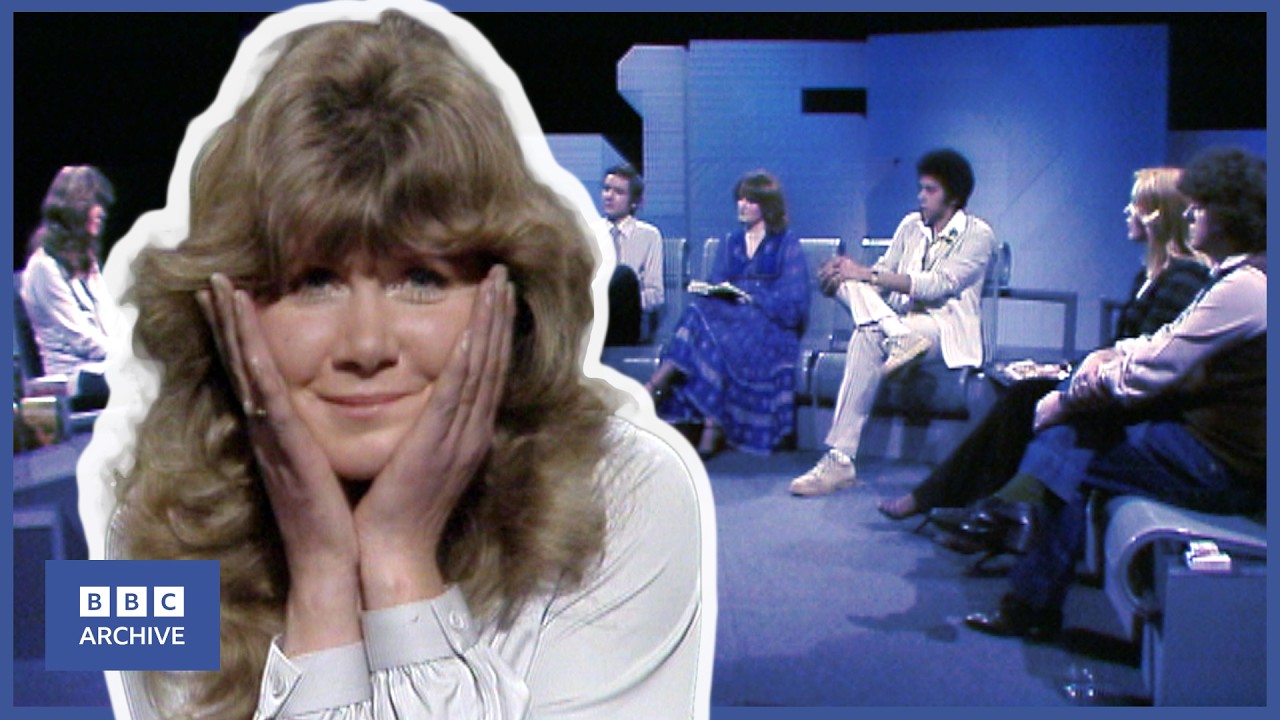
Jilly Cooper engages with five young interviewers, addressing her controversial writing, class perspectives, and the evolving nature of societal taboos.
Odysseus faces mythical challenges and trials on his return to Ithaca, while his family fights to protect his legacy and kingdom.
Sandra Cisneros reflects on her upbringing in Chicago, her feminist awakening, and the frustrations that inspired her acclaimed novel, The House on Mango Street.
Five thousand Native Americans negotiate a treaty in Walla Walla on May 30, 1855.
Margaret Atwood has written nearly 13,000 tweets, reflecting her engagement with contemporary issues and the creative process behind her speculative fiction.
A citywide slam poetry competition in Stockton, California, prompts high school students to express their experiences with violence and community through workshops.
Joe Spud has a Grand Prix racetrack in his backyard and £100,000 a week in pocket money, but he has no friends to share it with.
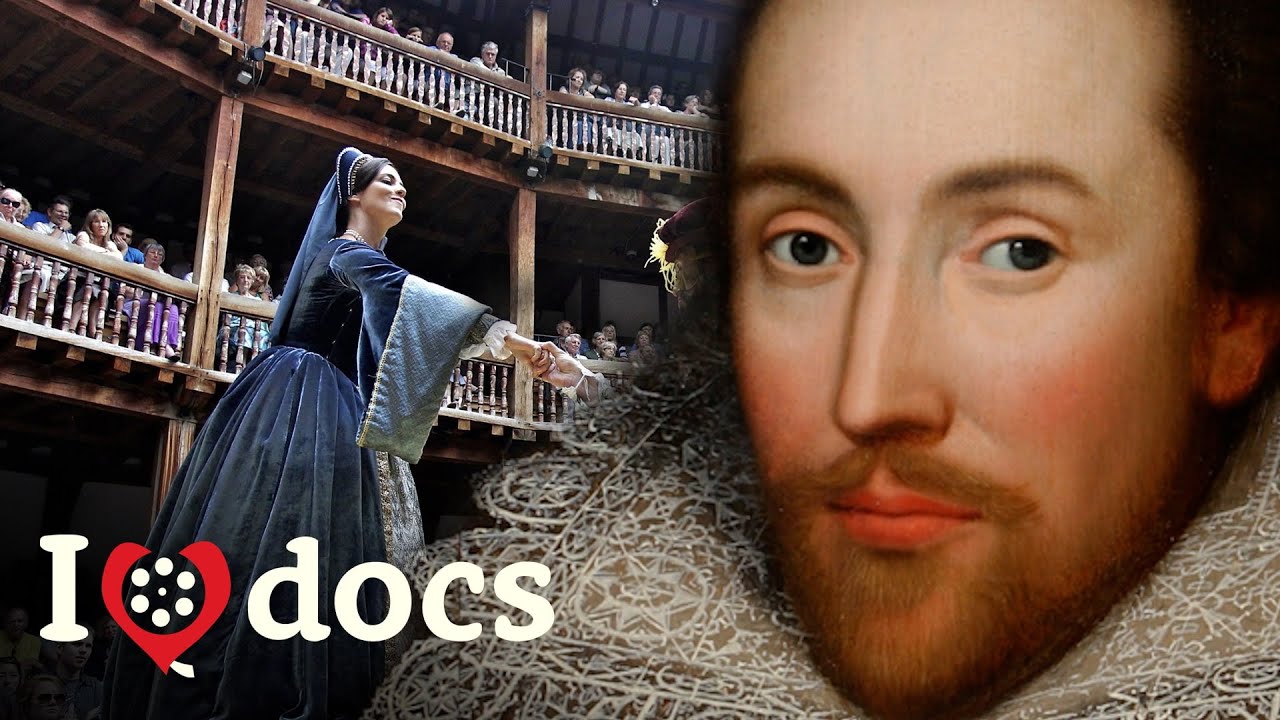
William Shakespeare's life in Stratford and London is examined, highlighting his impact on theatre and the English language during a transformative era.
Sandro Botticelli's extensive artistic exploration of Dante's depiction of hell reveals intricate narratives and symbolism within his Renaissance masterpieces.
Agatha Christie’s literary success is analyzed through scientific methods, exploring her writing techniques and the elements that contribute to her enduring popularity.
Spring's arrival is celebrated in a lyrical tribute featuring stunning visuals and narration by Meredith Edwards, capturing the essence of the season.
Dante Alighieri's "The Divine Comedy" explores themes of love, politics, and theology through a symbolic narrative of Hell, Purgatory, and Paradise.
Judy Blume reflects on her writing career, the influence of the Women’s Movement, and her advocacy against censorship through organizations like the National Coalition Against Censorship.
Liam Dale's documentary reveals Shakespeare's genius beyond the real torture of studying him.
In World War I, ambulance driver Frederic Henry navigates love and conflict as he falls for Nurse Catherine Barkley amidst the chaos of battle.
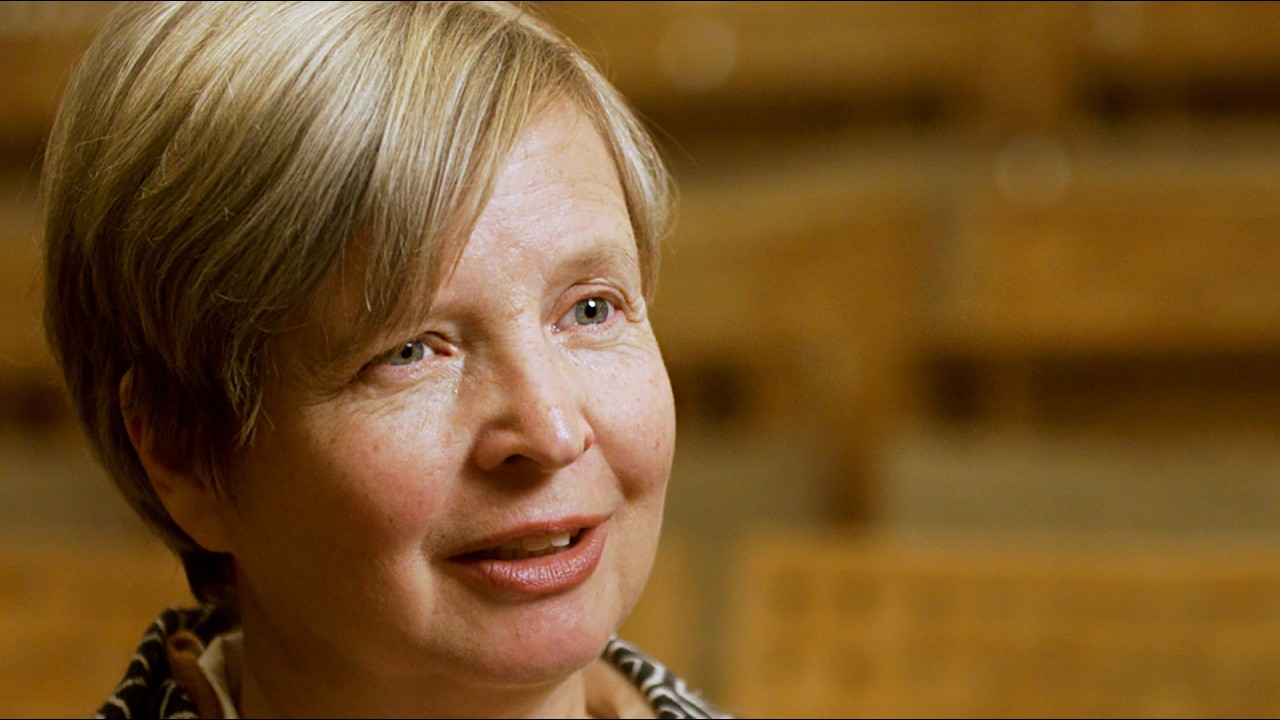
German writer Jenny Erpenbeck discusses her literary journey, the impact of Germany's reunification, and the nuances of language in a conversation at the Louisiana Museum of Modern Art.
Three stories about New York are shared during the New Yorker Festival, where Andy Borowitz introduces the event and its featured storyteller, Leo Cary.
Barbie entered the 1992 presidential race as a surprise candidate, raising questions about her age and qualifications amid a backdrop of real political campaigns.
Uwe Timm, a prominent German author born in Hamburg in 1940, is known for his diverse literary works that explore personal and historical themes.
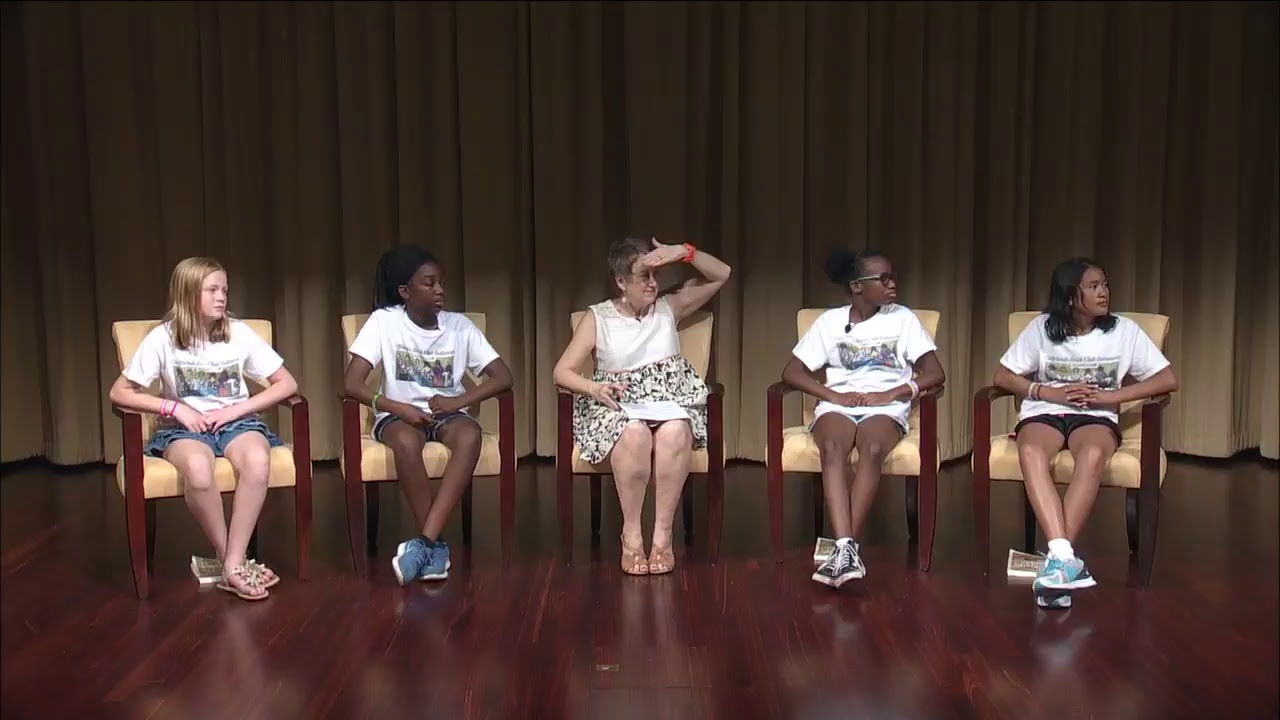
Young readers from Girlfriends Book Club Baltimore engage with author Janet Macreery and NPR's Susan Stamberg during the "Write" Stuff Family Research & Literacy Day at the National Archives.
Agatha Christie's writing is analyzed through advanced computer techniques, revealing insights into her sentence structure, story arcs, and use of clues and red herrings.
Three Christmas stories are told by a narrator sitting by a roaring fire, including "The Elves and the Shoemaker" and "The Day that Santa was Kidnapped."
A horse symbolizes strength and fertility in a Romanian ritual brought to life in the Saskatchewan village of Wood Mountain.
Romance fiction, a billion-dollar industry, is explored through the experiences of three writers and insights from major figures in Toronto and New York.
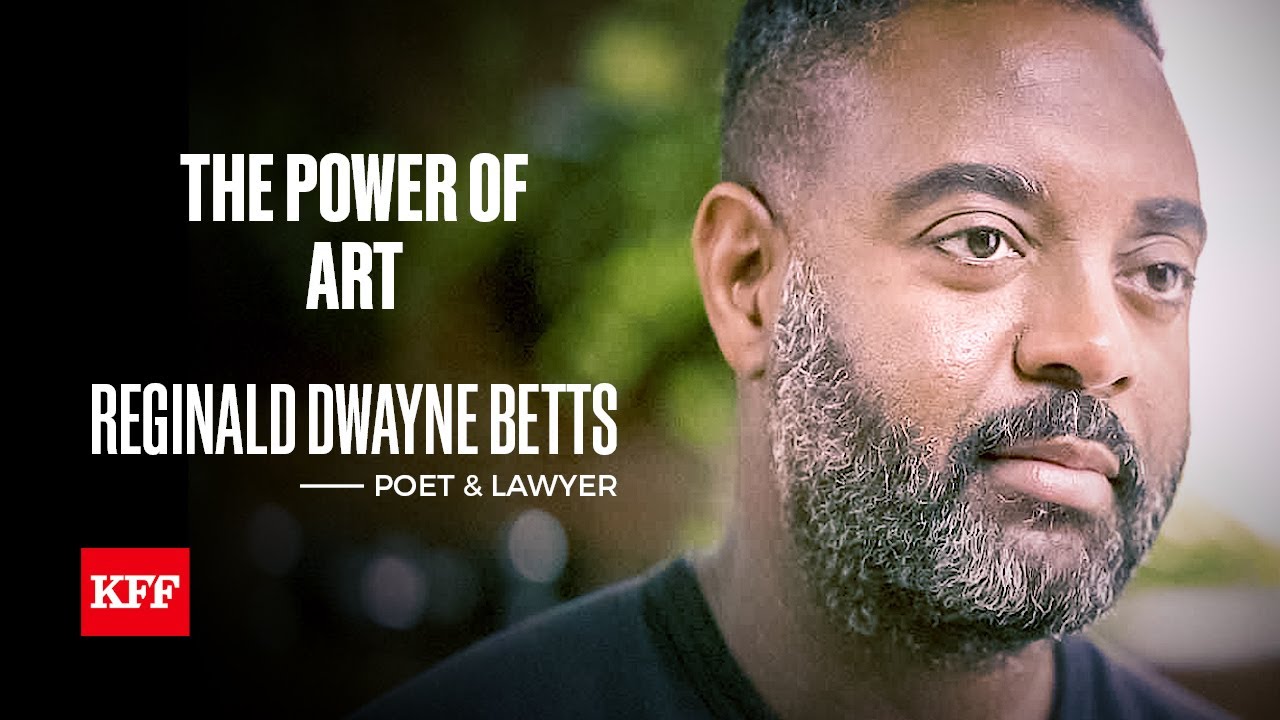
Reginald Dwayne Betts reflects on his carjacking conviction at age 16, his advocacy for prison reform through Freedom Reads, and his poetry collection, *Felon: Poems*.
Reginald Dwayne Betts, a former inmate and founder of Freedom Reads, advocates for incarcerated individuals through poetry and the establishment of Freedom Libraries in U.S. prisons.
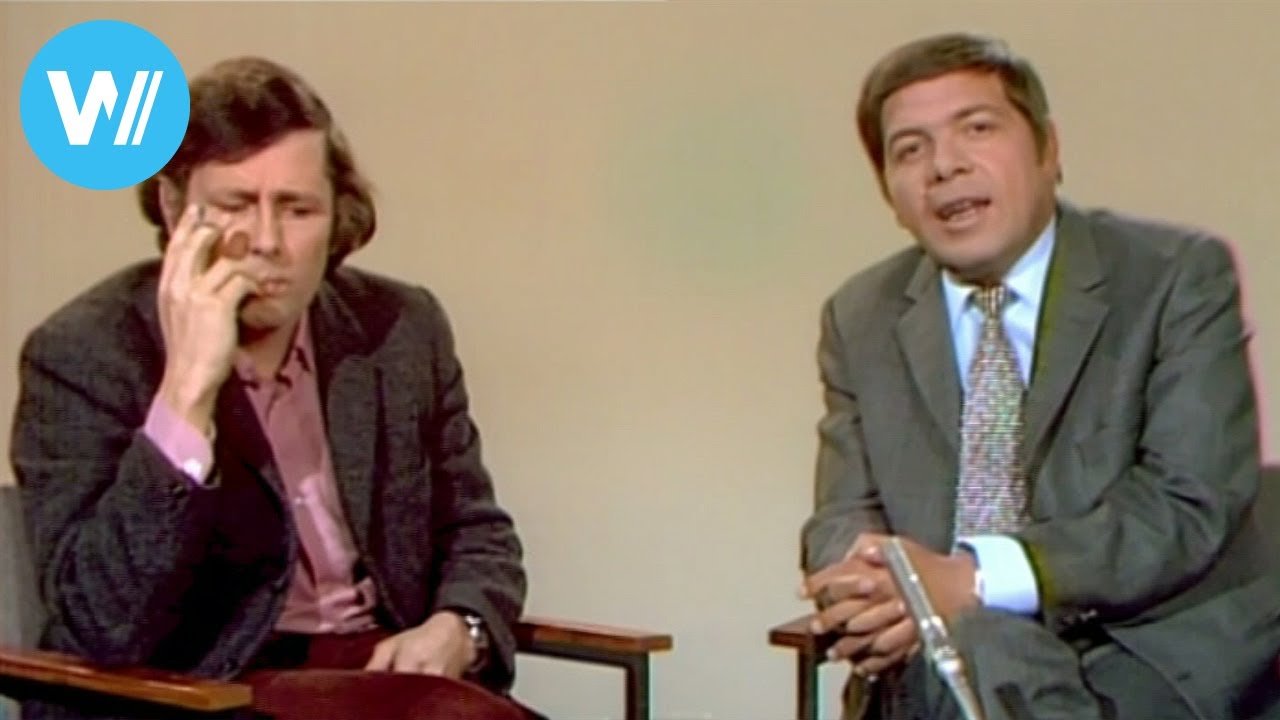
Wagenbach-Verlag, a prominent Berlin publishing house, reflects on its 50-year history, influential authors, and the cultural landscape of the 1960s.
Jack Kerouac's childhood home serves as a canvas for a Film Poem that intertwines visual history, language, and jazz, reflecting his profound connection to Lowell.
Nearly 3,000 documents from the National Archives reveal Walt Whitman's connections to the government and his experiences during the Civil War and Reconstruction.
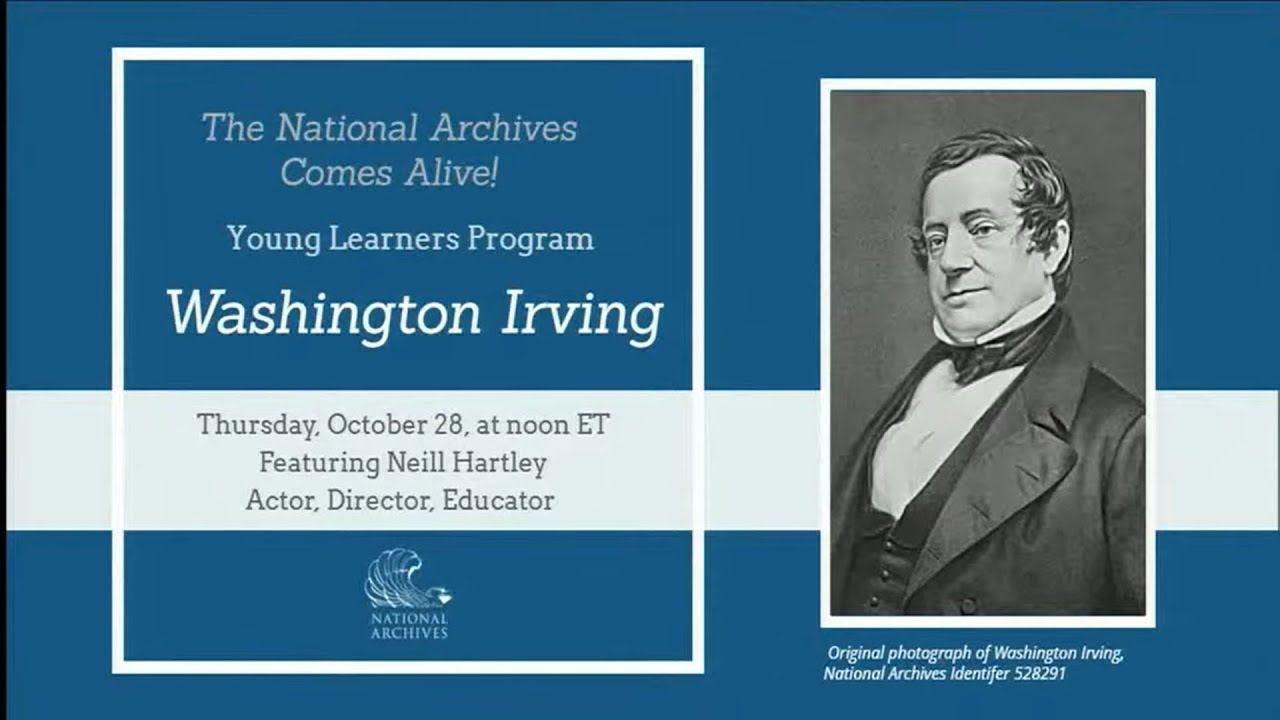
Washington Irving, the father of the American short story, is portrayed by Neill Hartley as he shares insights and readings from his works, including "The Legend of Sleepy Hollow."
The digital revolution sparks a contentious debate over access to literature versus the protection of copyright, impacting libraries, classrooms, and corporate offices.
Junot Diaz, a Pulitzer Prize-winning author from the Dominican Republic, explores themes of identity and culture in his literary works alongside Joyce Carol Oates.
Two years and four rewrites pass as a young writer seeks a publisher for his first novel while contemplating a shift to freelance work.
Popular science fiction literature and film reflect a shift from optimistic utopias to dystopian narratives, prompting cultural critics and authors to explore societal attitudes towards hope and progress.
Betty Rollin reflects on her unconventional childhood in Yonkers, her career as a journalist for NBC News, and the personal challenges of breast cancer and loss.
Alden Nowlan, a celebrated Canadian poet and author, reflects on his life and work in this film recorded shortly before his death in 1983.
Giovani Aldini's controversial experiments with galvanism in 1803 sparked public fear and inspired Mary Shelley's Frankenstein, influencing modern medical ethics and technology.