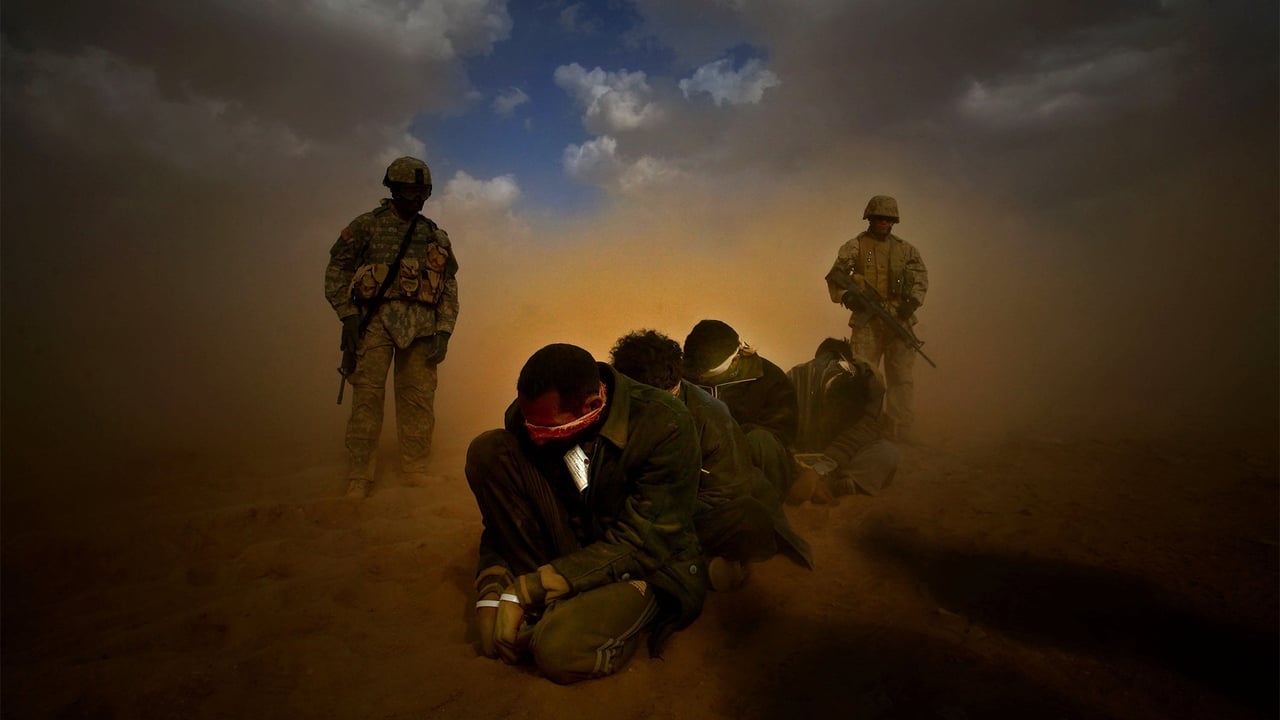
Six minutes connect market methods and CIA torture techniques to events like Pinochet's coup in Chile and the Tiananmen Square Massacre.
Synopsis
Six minutes connect market methods and CIA torture techniques to events like Pinochet's coup in Chile and the Tiananmen Square Massacre.


Synopsis
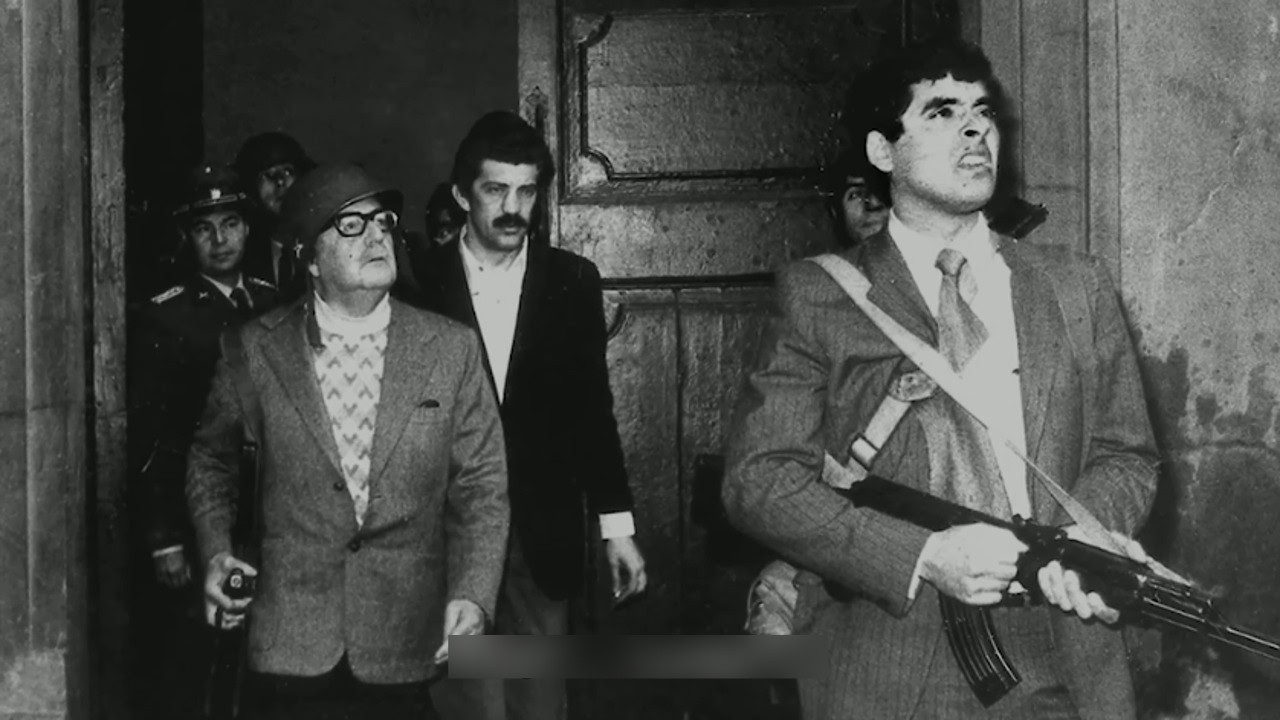
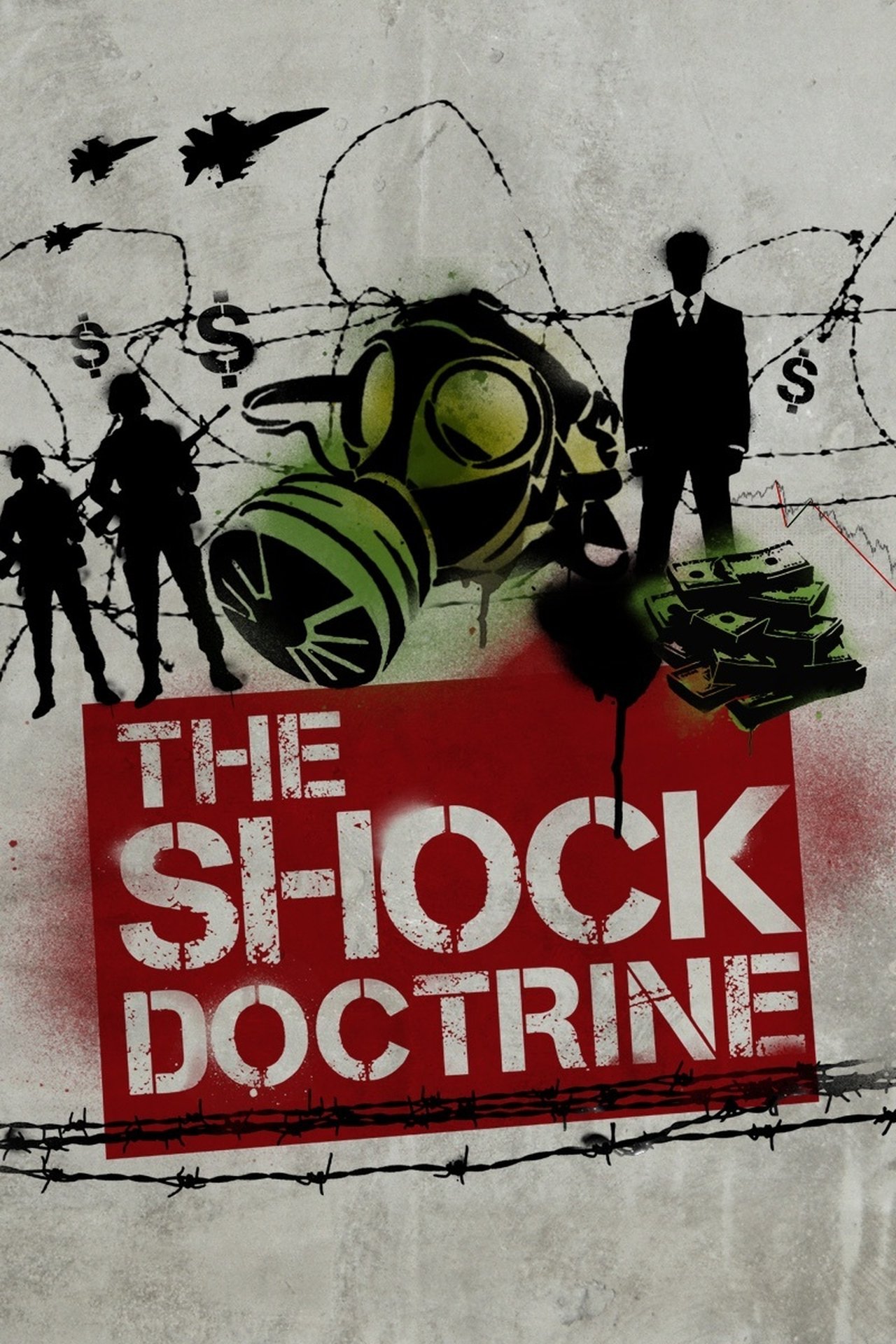
Augusto Pinochet's coup in Chile in 1973 marked a significant moment in the application of economic shock tactics. The Shock Doctrine connects this event to CIA torture methods developed in the 1950s, illustrating how crises have been exploited for market reforms. The film also references the Tiananmen Square Massacre and the Iraq War, showing how these incidents served as platforms for implementing controversial economic policies. Naomi Klein's analysis provides a critical lens on the relationship between trauma and capitalism.
Deep Dive
Why Watch
- See how Pinochet's coup shaped economic policies.
- Find out about CIA techniques linked to market strategies.
- Meet Naomi Klein's critical perspective on capitalism.
Did You Know
- The film connects CIA torture techniques developed in the 1950s to market methods.
- Pinochet's coup in Chile is presented as a key example of the shock doctrine.
- The Tiananmen Square Massacre is cited as another event where shock tactics were used.
- The film discusses the war in Iraq as a contemporary application of these strategies.
Perfect For
Frequently Asked Questions
What events are connected to the shock doctrine in the documentary?
The documentary connects the shock doctrine to events such as Pinochet's coup in Chile, the Tiananmen Square Massacre, and the war in Iraq.
Who is the author of the book that the documentary is based on?
Naomi Klein is the author of the book 'The Shock Doctrine' which the documentary is based on.
What techniques are compared in the documentary?
The documentary draws connections between market methods and CIA torture techniques developed in the 1950s.
What are people saying?
Play More Like This



Browse more like this





Related Films
Is this your film?
If you made this film or hold the rights to it, we'd like to talk. We can license it and pay you a share of what it earns.
Comments