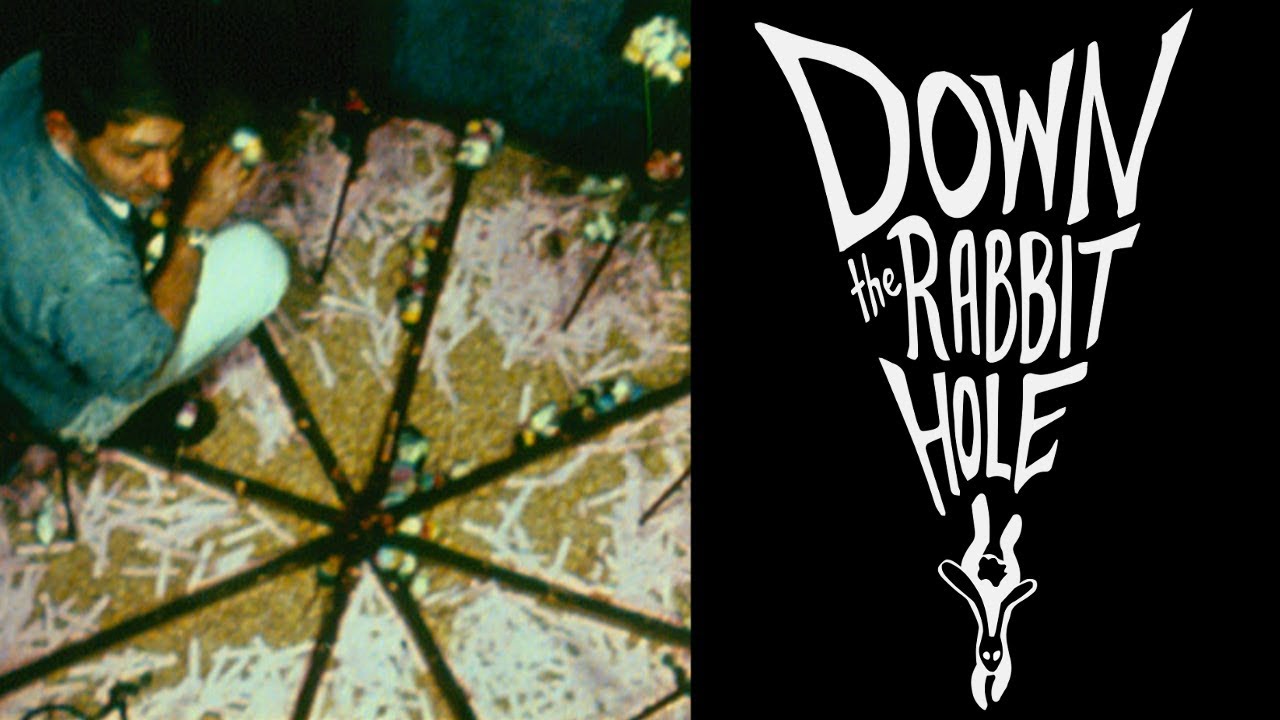
The Mouse Utopia Experiments
Synopsis
John B. Calhoun conducted mouse utopia experiments in the 1960s, observing societal collapse as population density increased in a controlled environment.
Synopsis
John B. Calhoun conducted a series of experiments in the late 1940s and early 1950s at Johns Hopkins University, focusing on the effects of population density on behavior. He created a controlled environment for mice, providing abundant food and space. As the population grew, the mice exhibited alarming changes, including aggression and social withdrawal. These findings were published in Scientific American and sparked widespread concern about overpopulation and societal collapse, influencing discussions on urban living and social dynamics for decades.
Deep Dive
Why Watch
- See how John B. Calhoun's experiments shaped views on population.
- Find out what social density reveals about animal behavior.
- Meet the neo-Malthusians who warned about overpopulation.
Did You Know
- John B. Calhoun began his research on mouse populations in 1947.
- The mouse utopia experiments took place from the 1950s to the early 1970s.
- Calhoun's findings were published in Scientific American, influencing public discourse.
- The term 'Malthusian catastrophe' refers to the fears of overpopulation and resource depletion.
Perfect For
Frequently Asked Questions
What were the mouse utopia experiments?
The mouse utopia experiments were conducted by John B Calhoun in the 1950s to 1970s to investigate the effects of population growth on behavior.
Who was John B Calhoun?
John B Calhoun was a researcher born in 1917 who focused on ethology and conducted the mouse utopia experiments to study social density and its effects.
What is a Malthusian catastrophe?
A Malthusian catastrophe is a theory proposed by Thomas Robert Malthus suggesting that population growth would outpace food production, leading to societal collapse.
What are people saying?
Play More Like This






Where else to watch







Related Films
Is this your film?
If you made this film or hold the rights to it, we'd like to talk. We can license it and pay you a share of what it earns.
Comments