Film Lens
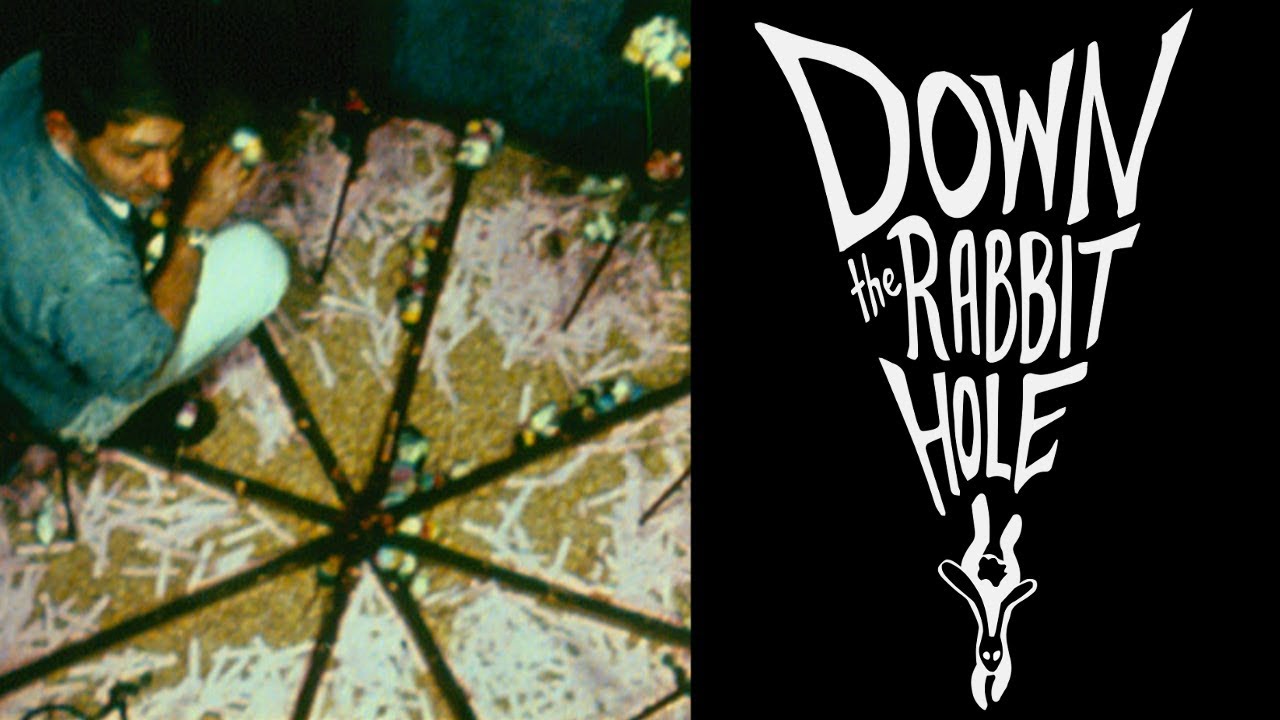
The documentary examines the mouse utopia experiments conducted by John B. Calhoun in the mid-20th century. These experiments aimed to investigate the effects of population density on behavior, using a large enclosure designed to support a growing population of mice. The results, published in major magazines like Scientific American, raised concerns about overpopulation and societal collapse, reflecting the anxieties of post-war America. Calhoun's work is framed within the context of neo-Malthusian thought, which warned of the dangers of unchecked population growth and its potential consequences for civilization.
Through Calhoun's research, the film discusses the concept of social density and its impact on animal behavior. It shows how high social density can lead to negative interactions among individuals, suggesting that human environments could be designed to mitigate these issues. The documentary also addresses the ongoing debate surrounding Calhoun's findings, noting how various political groups have interpreted his work to support their views on social degradation.
Why Watch
- •See how John B. Calhoun's experiments shaped views on population.
- •Find out what social density reveals about animal behavior.
- •Meet the neo-Malthusians who warned about overpopulation.
Did You Know
•John B. Calhoun began his research on mouse populations in 1947.
•The mouse utopia experiments took place from the 1950s to the early 1970s.
•Calhoun's findings were published in Scientific American, influencing public discourse.
•The term 'Malthusian catastrophe' refers to the fears of overpopulation and resource depletion.
Perfect For
Animal behavior studiesPopulation dynamicsEnvironmental concerns