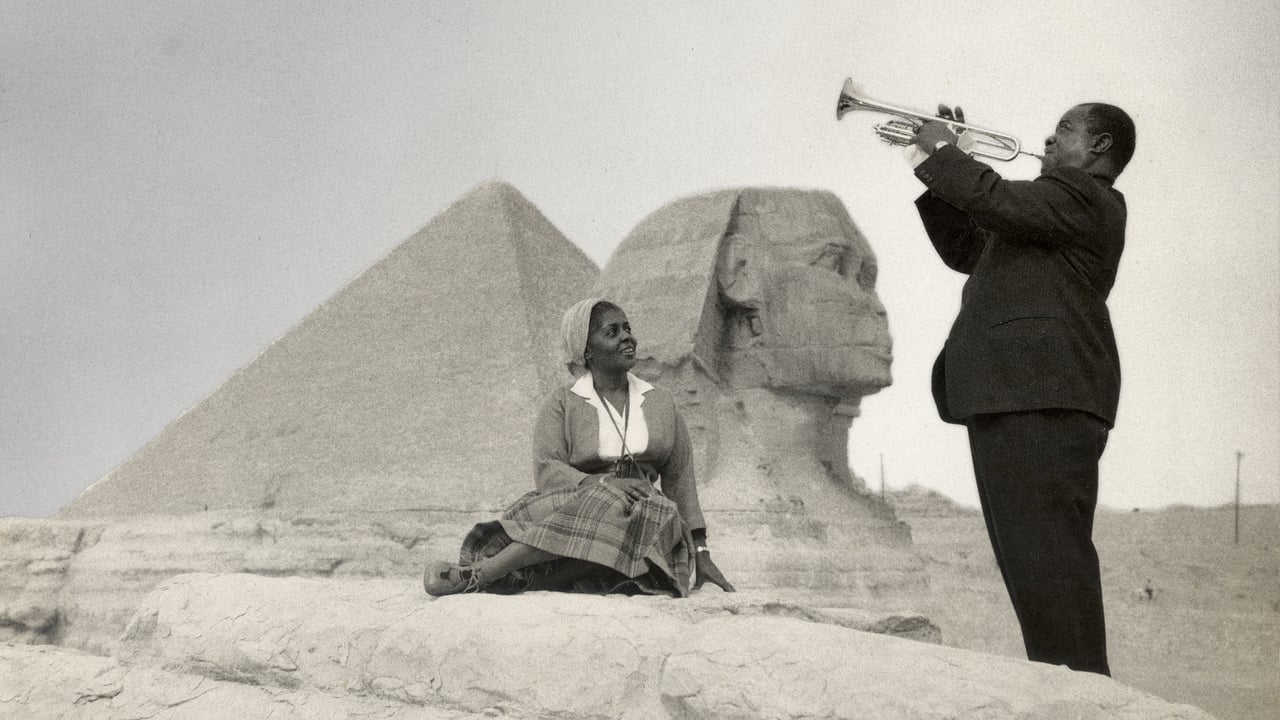
In 1955, the U.S. government enlisted jazz musicians like Louis Armstrong and Duke Ellington to promote American culture during the Cold War.
“The untold story of America's coolest weapon in the Cold War”
Synopsis
In 1955, the U.S. government enlisted jazz musicians like Louis Armstrong and Duke Ellington to promote American culture during the Cold War.
People
View all →
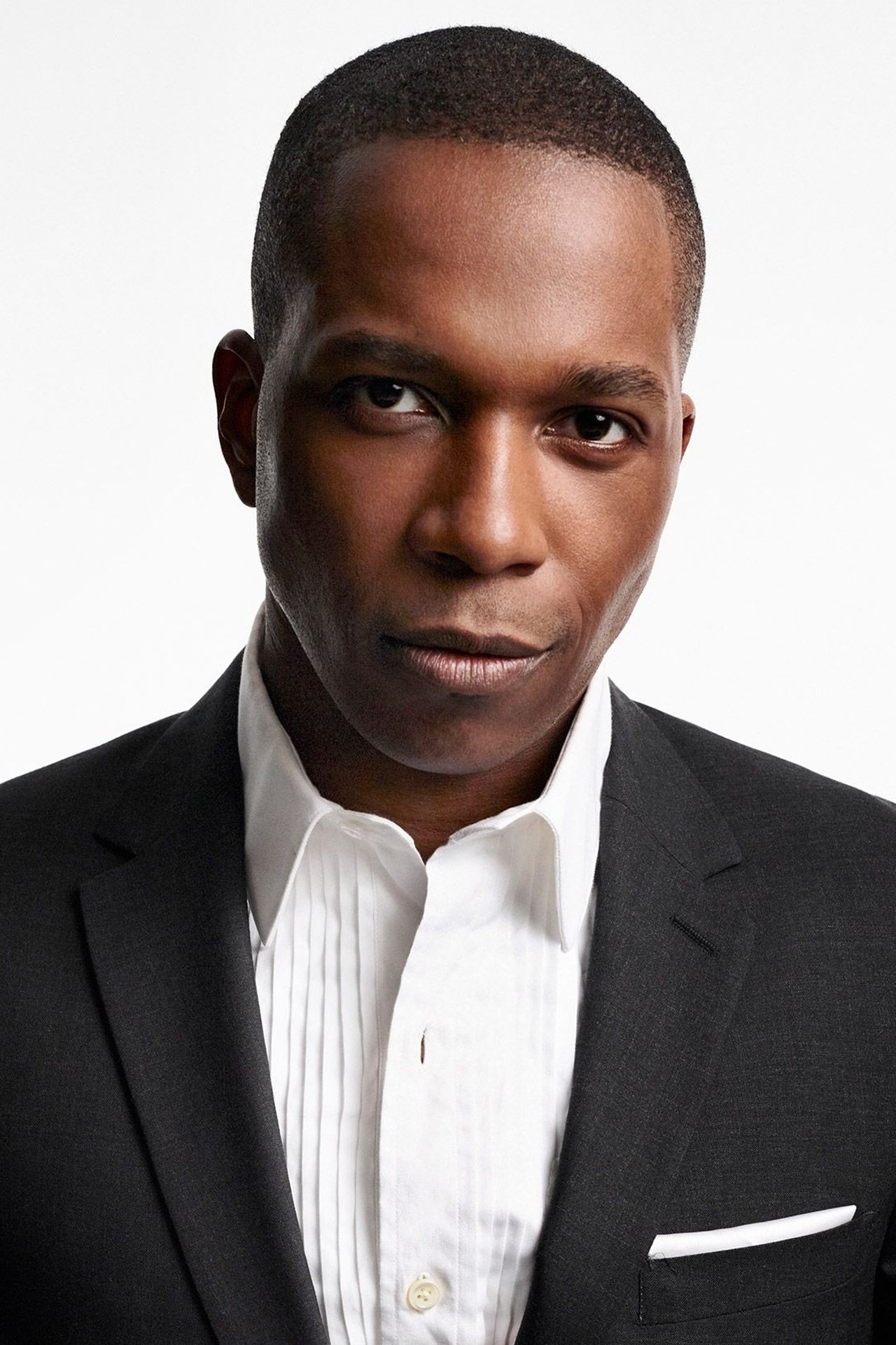

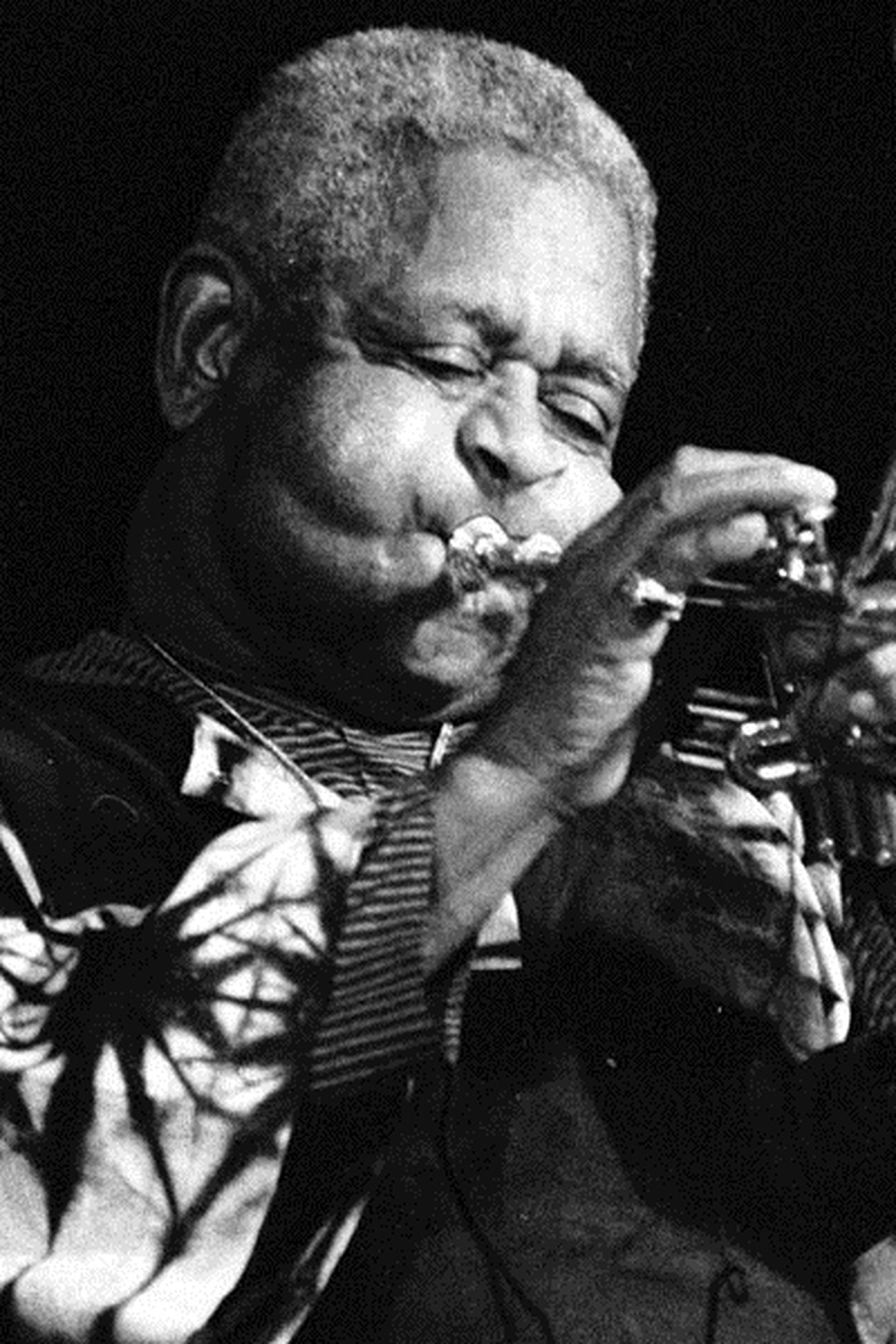
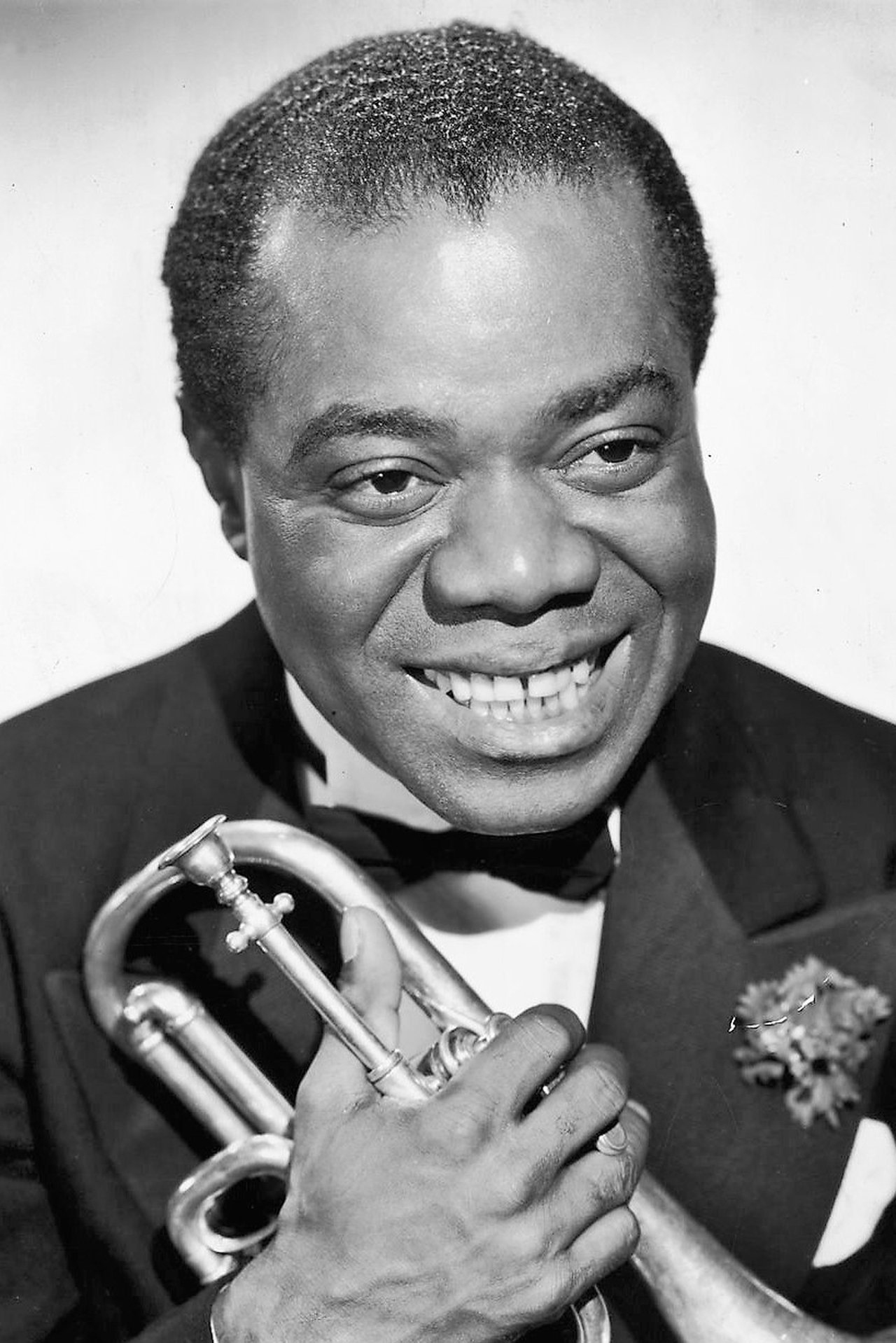
Synopsis
Louis Armstrong, Dizzy Gillespie, and Duke Ellington traveled the world from 1955 as cultural ambassadors for the United States. They performed jazz to promote American culture during the Cold War. At the same time, these artists faced the realities of Jim Crow segregation at home. The documentary details their efforts to connect with global audiences while grappling with the contradictions of a nation still marked by racial discrimination.
Deep Dive
Why Watch
- Meet Louis Armstrong and Dizzy Gillespie on global stages.
- Find out how jazz influenced Cold War diplomacy.
- See the impact of Jim Crow laws on famous musicians.
Did You Know
- The U.S. government began enlisting jazz musicians as cultural ambassadors in 1955.
- Louis Armstrong, Dizzy Gillespie, and Duke Ellington were key figures in this initiative.
- The documentary features a runtime of 60 minutes.
- The film was directed by Hugo Berkeley.
Perfect For
Frequently Asked Questions
Who were some of the jazz musicians enlisted as cultural ambassadors by the U.S. government?
Iconic jazz musicians like Louis Armstrong, Dizzy Gillespie, and Duke Ellington were enlisted as cultural ambassadors.
What years did the U.S. government begin enlisting jazz musicians for diplomacy?
The U.S. government began enlisting jazz musicians for diplomacy in 1955.
What social issues did the jazz musicians face while promoting American culture abroad?
The jazz musicians grappled with the realities of Jim Crow segregation and racial discrimination at home.
Awards & Festivals
What are people saying?
Play More Like This










Related Films
Is this your film?
If you made this film or hold the rights to it, we'd like to talk. We can license it and pay you a share of what it earns.

Comments