
In 1982, the Raiders filed an antitrust lawsuit that ultimately cleared their move from Oakland to Los Angeles, marking the start of a cultural shift in the city.
“Raiders ruled from Compton to the Coliseum.”
Synopsis
In 1982, the Raiders filed an antitrust lawsuit that ultimately cleared their move from Oakland to Los Angeles, marking the start of a cultural shift in the city.
Go deeper
Synopsis
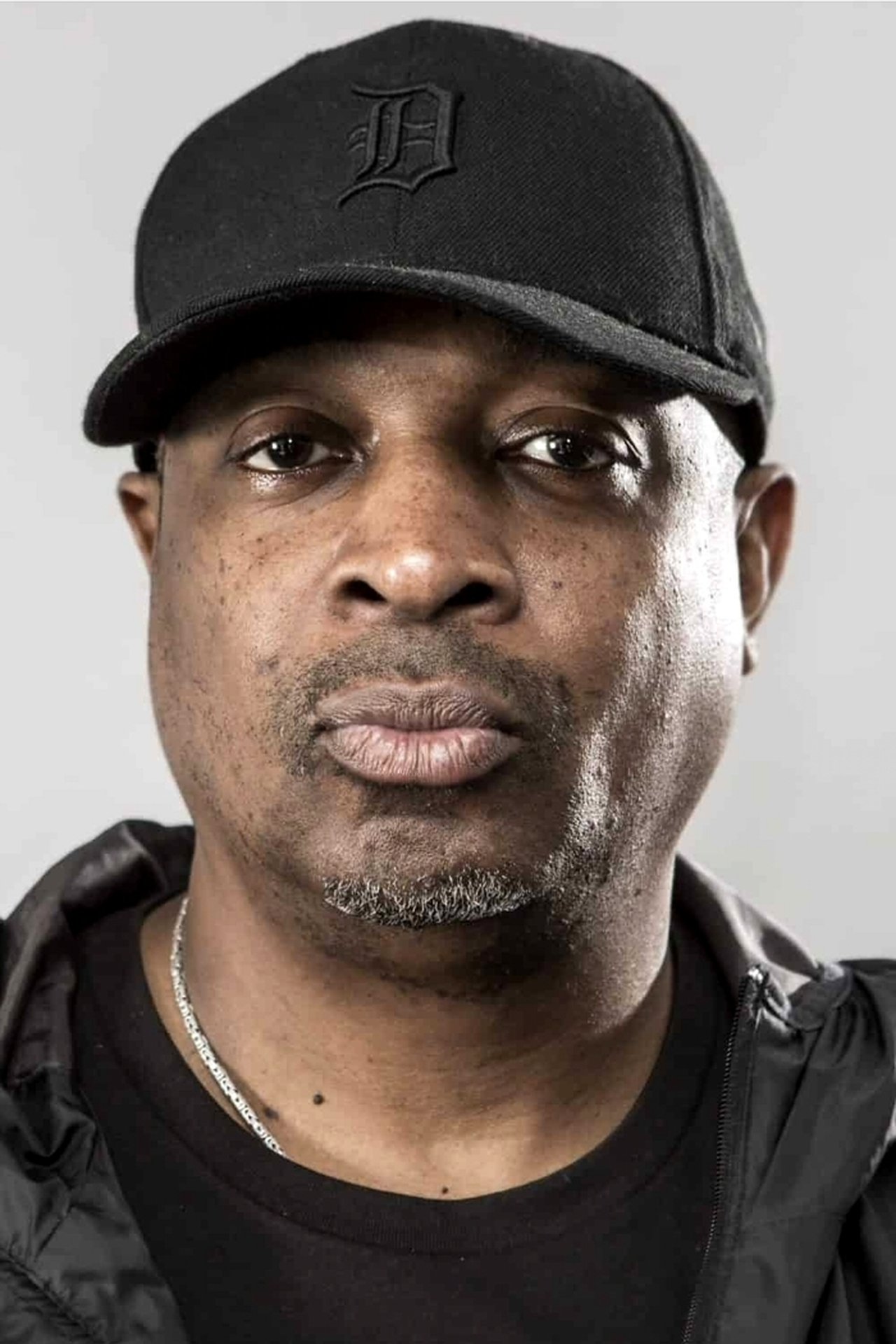
Ice Cube narrates the rise of the Los Angeles Raiders from 1982 to 1994. The team, led by owner Al Davis, became a cultural icon in Los Angeles, particularly among fans in South Central and Compton. As the crack epidemic and gang violence surged, the hip hop group N.W.A emerged, adopting Raiders imagery in their music. Interviews with Ice Cube, Raiders players like Howie Long and Marcus Allen, and local leaders illustrate the deep ties between the team and the community. The film premiered at the 2010 Tribeca Film Festival and aired on ESPN on May 11, 2010.
Deep Dive
Why Watch
- See Ice Cube's take on Raiders culture and hip hop's evolution.
- Find out how N.W.A used Raiders symbolism in their music.
- Meet key figures like Al Davis and contemporary Raiders players.
Did You Know
- The Raiders moved to Los Angeles in 1982 after a successful antitrust lawsuit.
- N.W.A began recording 'reality rap' in 1987, shifting hip hop's focus.
- Ice Cube is a founding member of N.W.A and a lifelong Raiders fan.
- The film features interviews with contemporary Raiders players like Howie Long.
Perfect For
Frequently Asked Questions
Who directed the documentary Straight Outta L.A.?
Ice Cube directed the documentary Straight Outta L.A.
What years did the Raiders play in Los Angeles?
The Raiders played in Los Angeles from 1982 to 1994.
What significant change in hip hop is discussed in the documentary?
The documentary discusses the transition of Los Angeles hip hop from party jams to gangsta rap, led by N.W.A.
Awards & Festivals
What are people saying?
Play More Like This











Related Films
Is this your film?
If you made this film or hold the rights to it, we'd like to talk. We can license it and pay you a share of what it earns.


Comments