
On September 9, 1977, girls aged 12 to 16 were imprisoned for protesting the closure of labor classes while working at Pyeonghwa Market.
Synopsis
On September 9, 1977, girls aged 12 to 16 were imprisoned for protesting the closure of labor classes while working at Pyeonghwa Market.

Synopsis
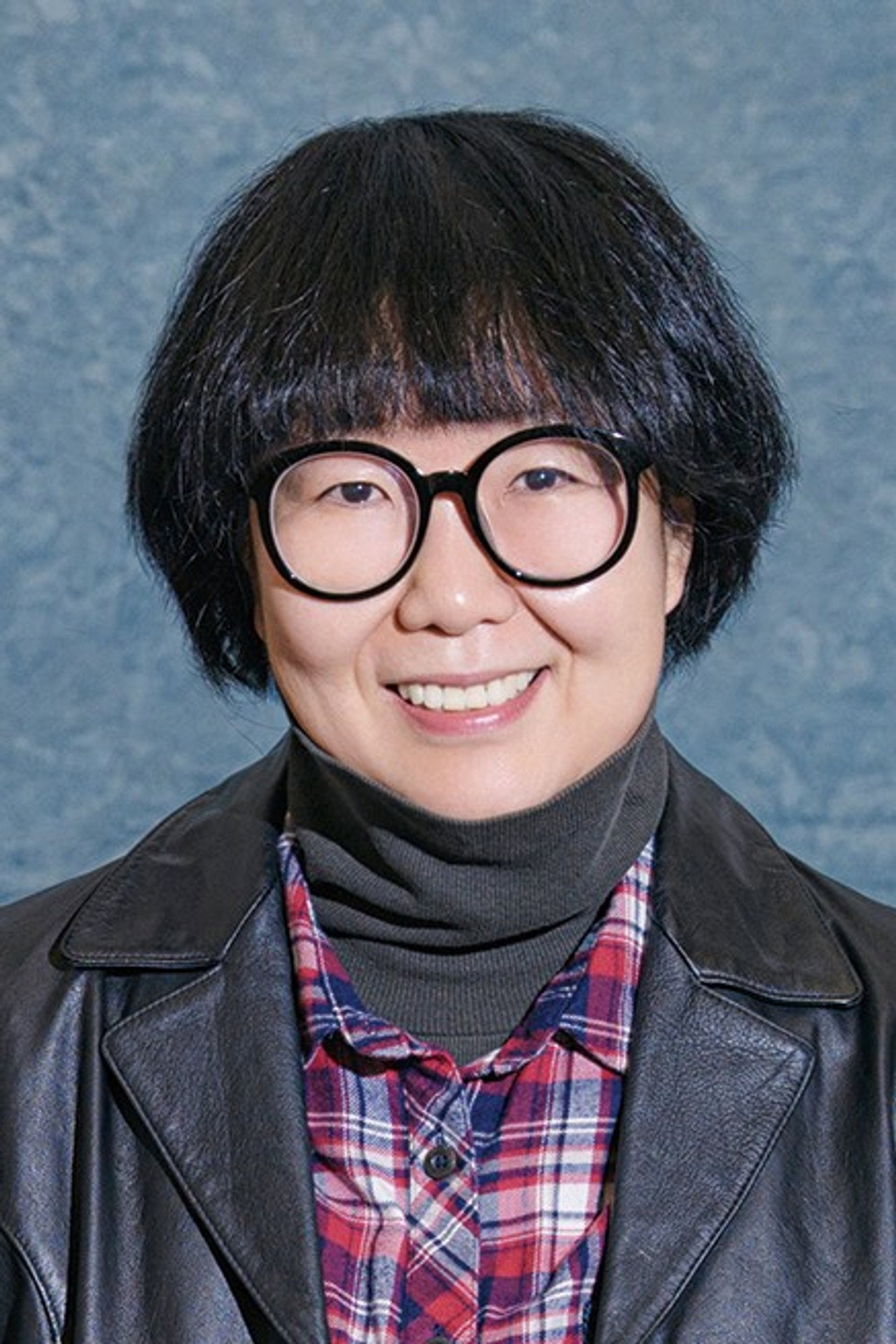
At Pyeonghwa Market in the late 1960s, girls aged 12 to 16 operated sewing machines while learning about labor rights under Jeon Taeil. On September 9, 1977, they protested against the government’s closure of labor classes, declaring, “The next Jeon Taeil will be a woman.” Now, as middle-aged women, they reflect on their experiences as female workers facing social stigma. Sewing Sisters features interviews with members of the Cheonggye Clothes Union, reshaping the narrative of labor struggles in 1970s Korea.
Deep Dive
Why Watch
- Meet the brave girls of Pyeonghwa Market.
- Find out about Jeon Taeil's influence on young workers.
- See the impact of the Cheonggye Clothes Union.
Did You Know
- Girls aged 12 to 16 worked at Pyeonghwa Market in the late 1960s.
- On September 9, 1977, these girls were imprisoned for protesting.
- Jeon Taeil taught them about the Labor Standards Act.
- The girls shouted, 'The next Jeon Taeil will be a woman!' during protests.
Perfect For
Frequently Asked Questions
What age group of girls worked at Pyeonghwa Market in the 1970s?
Girls aged 12 to 16 began working at Pyeonghwa Market in the late 1960s and early 1970s.
What significant event happened on September 9, 1977, involving female workers?
On September 9, 1977, female workers were imprisoned for protesting against the government that closed labor classes.
Who was the tutor of the girls studying the Labor Standards Act?
The girls studied the Labor Standards Act under the tutelage of Jeon Taeil.
What are people saying?
Play More Like This












Related Films
Is this your film?
If you made this film or hold the rights to it, we'd like to talk. We can license it and pay you a share of what it earns.
Comments