A screenplay was written overnight in February 1991, shortly after a World Economic Forum where a key question about Russia's future was posed.
Synopsis
A screenplay was written overnight in February 1991, shortly after a World Economic Forum where a key question about Russia's future was posed.
Synopsis
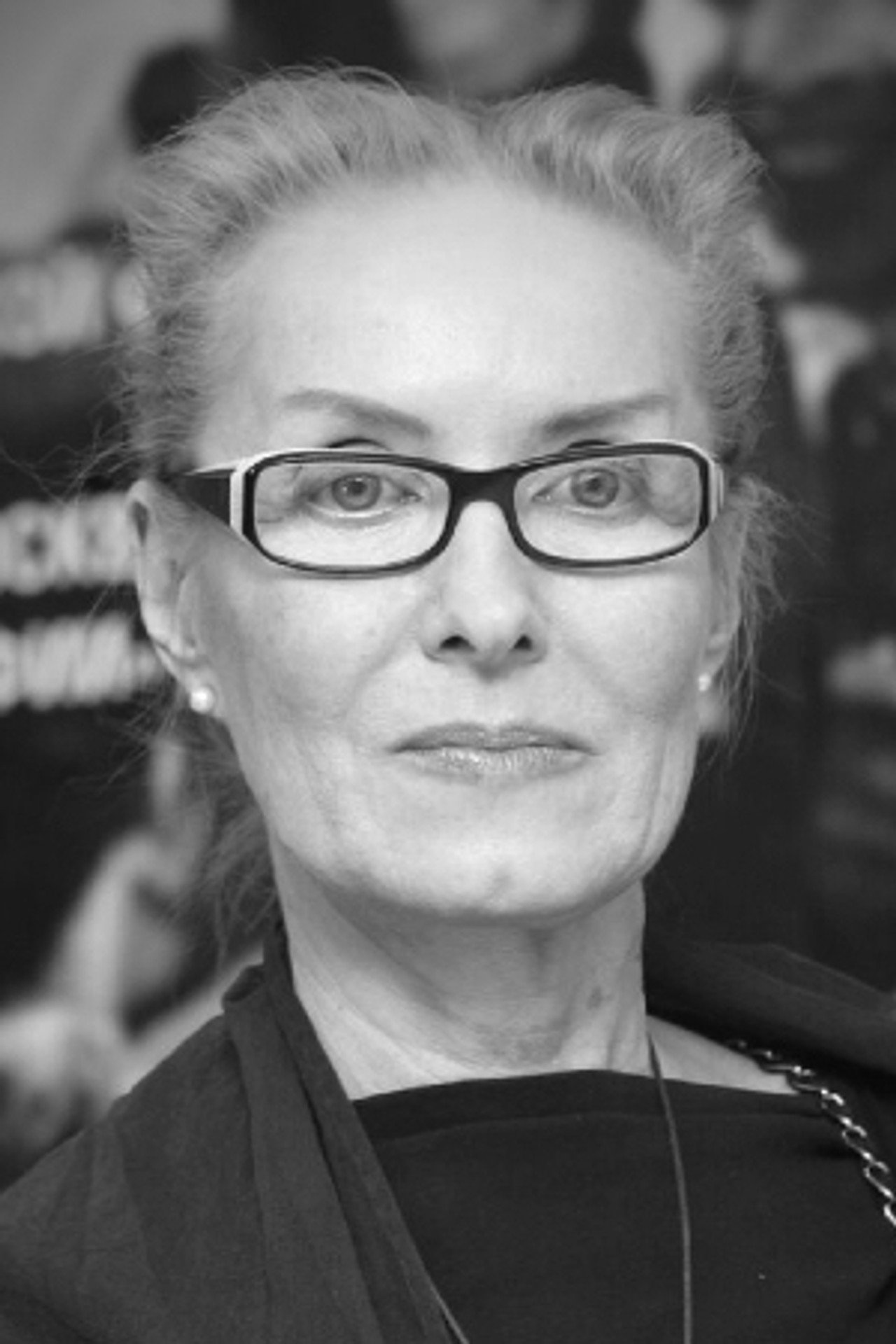
Olga Sviblova stood at the World Economic Forum in February 1991, responding to a question about Russia's future with a stark prediction: "A putsch." Set against the backdrop of late 1980s Russia, the film captures the role of modern art as a reflection of societal tensions and political unrest. Written overnight, the screenplay encapsulates a time of both hope and turmoil, as artists grapple with the impending changes that would reshape the nation.
Deep Dive
Why Watch
- See Olga Sviblova's insights on Russia's future.
- Find out how art reflected societal changes in the Soviet Union.
- Meet artists responding to political upheaval in the 1980s.
Did You Know
- The screenplay was written overnight in February 1991.
- Olga Sviblova predicted a coup in Russia during the World Economic Forum.
- The film has a duration of 56 minutes.
Perfect For
Frequently Asked Questions
What year was the documentary 'Looking for a Happy Ending' released?
The documentary was released in 1991.
Who wrote the screenplay for 'Looking for a Happy Ending'?
Olga Sviblova wrote the screenplay for the documentary.
What significant event did Olga Sviblova respond to in February 1991?
Olga Sviblova responded to a question about Russia's future at the World Economic Forum, predicting a putsch.
What are people saying?
Play More Like This


Browse more like this



Browse more by Olga Sviblova
View all films →
Related Films
Is this your film?
If you made this film or hold the rights to it, we'd like to talk. We can license it and pay you a share of what it earns.
Comments