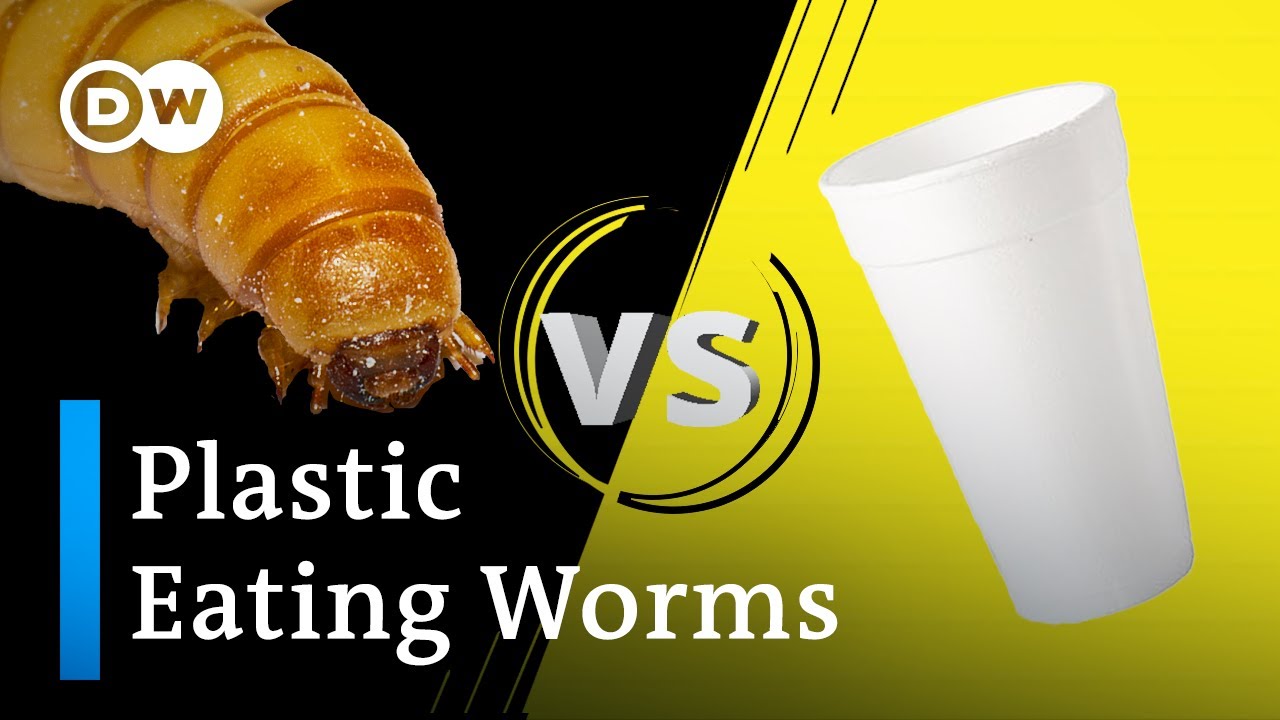
How worms could help solve plastic pollution
Synopsis
Mealworms can reduce a piece of styrofoam in just a week, offering a potential solution to the growing problem of plastic pollution.
Synopsis
Federica Bertocchini, a molecular biologist, discovered in 2017 that mealworms can consume polystyrene, a common plastic. The documentary details her findings and the potential of these insects to address plastic pollution. It discusses the environmental challenges posed by plastic waste and the need for innovative recycling methods. Susan Frenkel, a science writer, explains the history of plastic and its impact on the environment. The film is part of the Planet A initiative, which seeks sustainable solutions for climate change.
Deep Dive
Why Watch
- Meet Federica Bertokini and her groundbreaking discovery.
- Find out how worms can eat plastic waste.
- See the impact of plastic on the environment.
Did You Know
- Worms can reduce a piece of styrofoam in just a week.
- Federica Bertokini discovered these worms in 2017 while cleaning a beehive.
- Plastic can take centuries to degrade, leading to microplastics in the environment.
Perfect For
Frequently Asked Questions
What did Federica Bertokini discover in 2017?
Federica Bertokini discovered that certain worms could eat their way out of plastic bags, indicating their ability to degrade plastic.
What is the main problem with plastic according to the documentary?
The main problem with plastic is that it is made from fossil fuels and is often used for trivial and unnecessary items, leading to environmental issues.
How quickly can worms reduce a piece of styrofoam?
Worms can reduce a piece of styrofoam in just a week.
What are people saying?
Play More Like This




Where else to watch



Related Films
Is this your film?
If you made this film or hold the rights to it, we'd like to talk. We can license it and pay you a share of what it earns.
Comments