From over 100,000 films, discover the handful you'll love.
Free or premium access to the world's largest documentary library.
39 films
Over 300 million tons of plastic are produced globally each year, impacting ecosystems and human health across the planet.
Five animals per week undergo surgery to remove plastic from their stomachs in a country facing a severe plastic waste crisis.
By 2050, projections indicate that oceans could contain more plastic than fish, a crisis stemming from decades of unchecked pollution.
Every year, an association collects around 60 tons of plastic and fishing nets from the beaches of Cape Verde, but lacks the means to dispose of them properly.
Over 70% of the planet is covered with water, yet plastic pollution has created massive debris fields in every major ocean, impacting marine ecosystems.
About 40% of plastic produced is single-use items, contributing significantly to environmental pollution and wildlife harm.
During the length of this film, nearly 13 million plastic bottles will have been sold by the Coca-Cola group throughout the world.
During the length of this film, nearly 13 million bottles of plastic will have been sold by the Coca-Cola group throughout the world.
During the length of the film, nearly 13 million bottles of plastic will have been sold by the Coca-Cola group throughout the world.
Coca-Cola's extensive plastic production and recycling promises raise critical questions about the effectiveness of corporate commitments in combating ocean pollution.
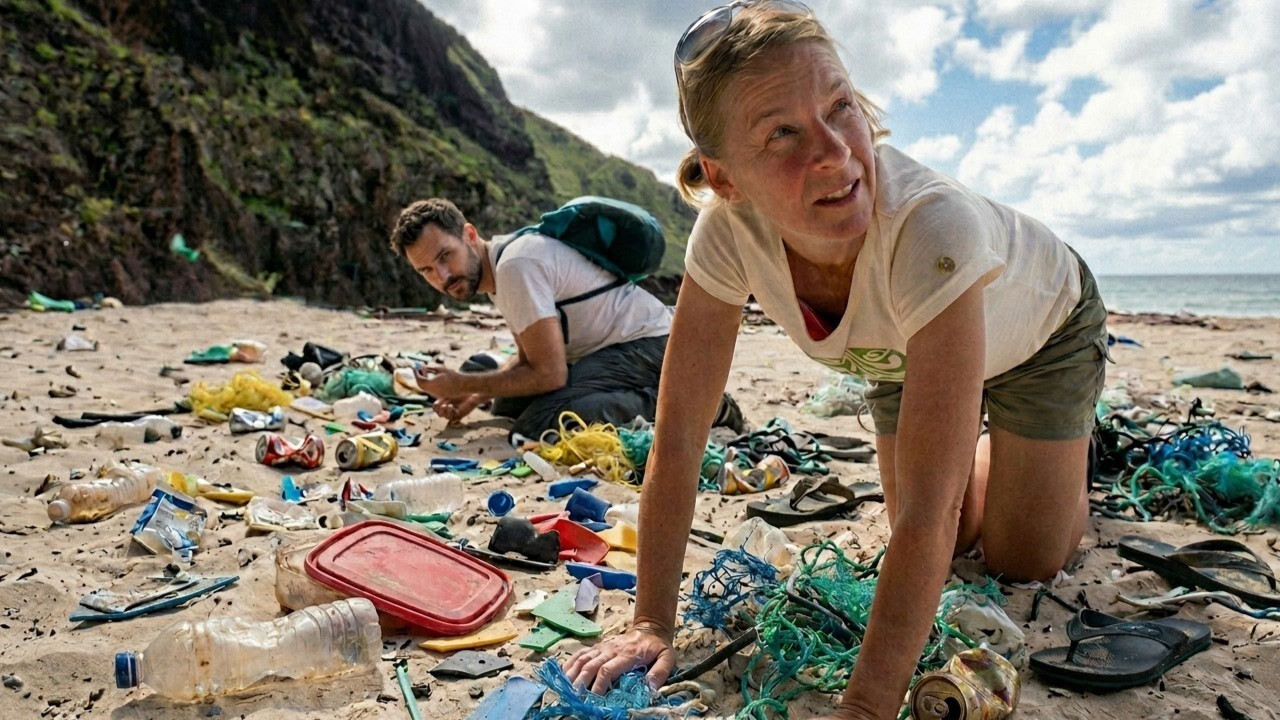
Trillions of plastic pieces threaten marine life and ecosystems, prompting wildlife biologist Liz Bonnin to explore the urgent implications for all living beings.
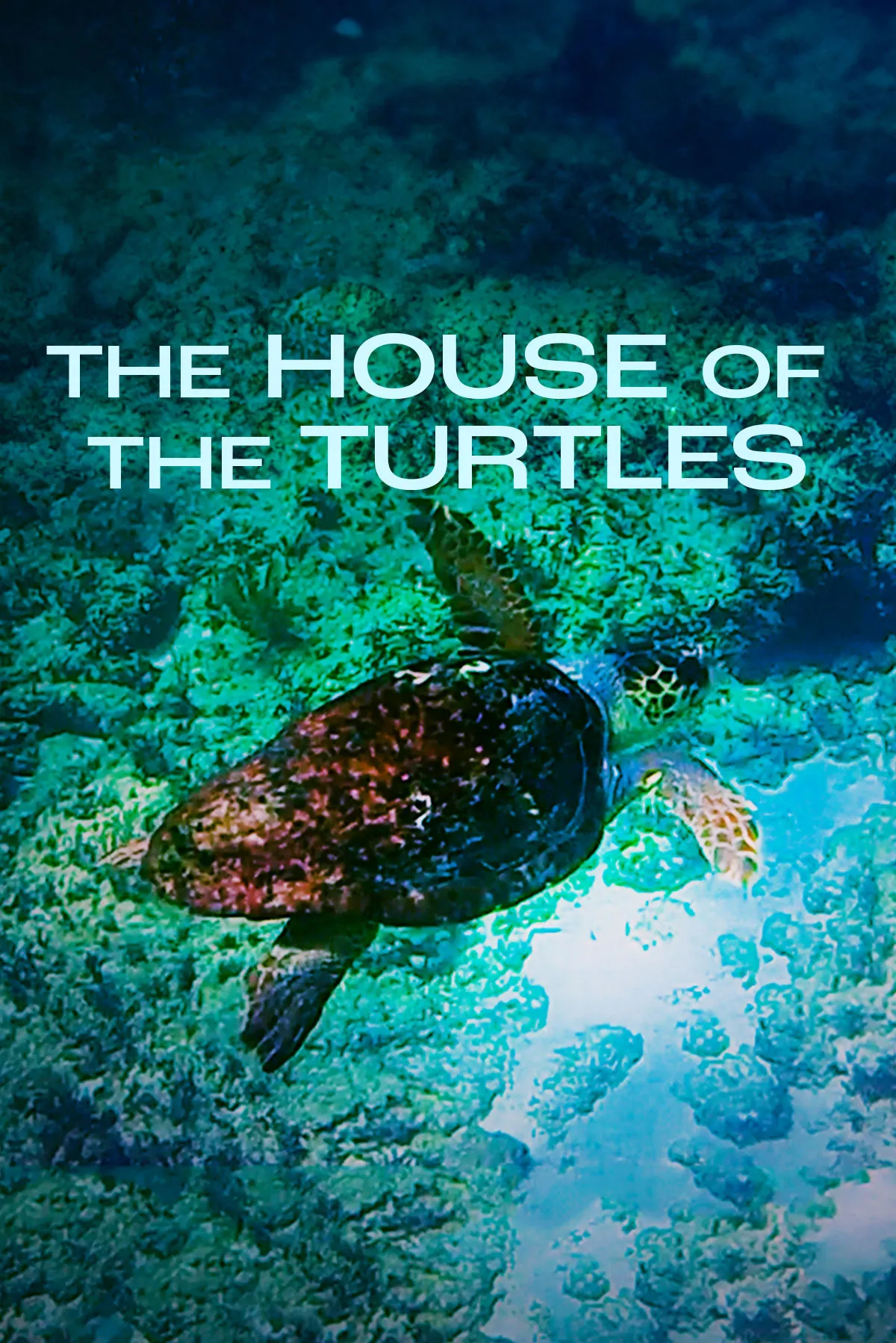
Marine turtles in the Mexican Caribbean face severe threats from the expanding tourist industry and increasing plastic pollution.
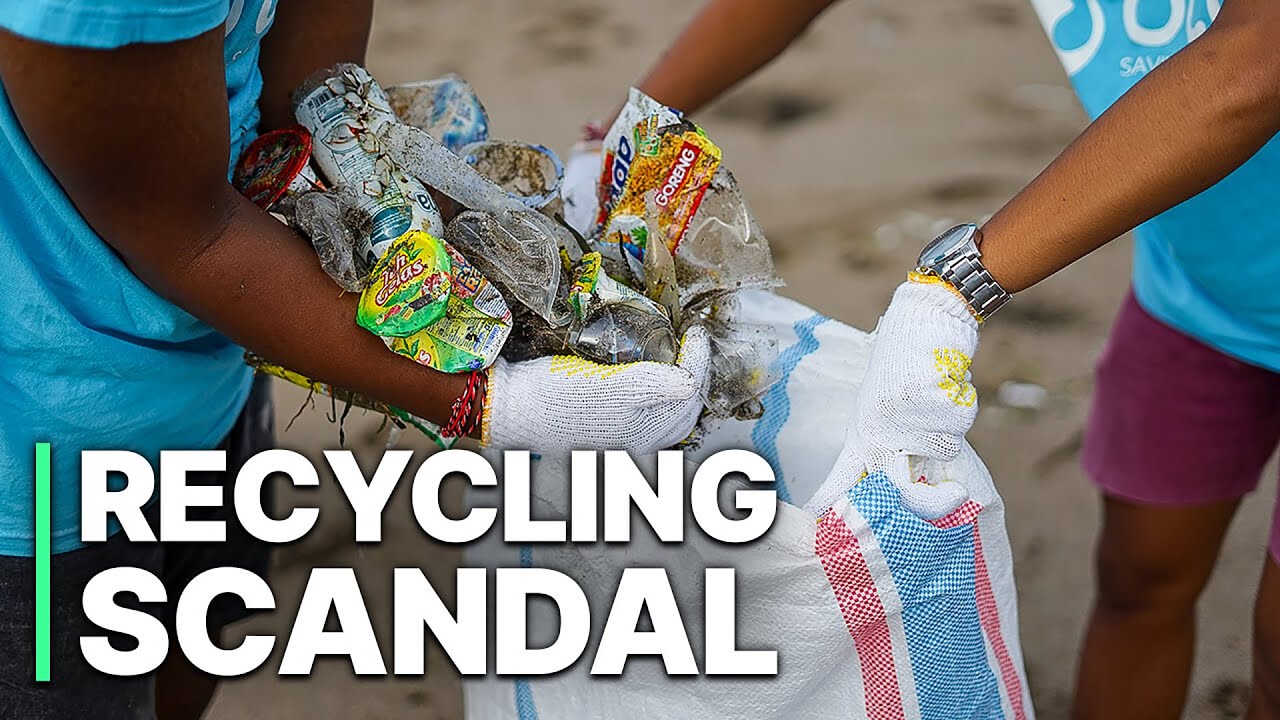
In Bali, activist Daru confronts Indonesia's ecological crisis driven by plastic pollution, illegal waste imports, and aggressive industrialization threatening local communities.
During the length of the film, nearly 13 million plastic bottles will have been sold by the Coca-Cola group throughout the world.
Recycling, particularly cradle-to-cradle methods, is proposed as a potential solution to mitigate the environmental and health impacts of plastic pollution.
Six million metric tons of plastic enter the oceans each year, a volume comparable to the world's total production in 1960.
Over a million tons of plastic fishing gear are lost or dumped at sea each year, severely impacting marine life and ecosystems.
Indonesia faces an ecological crisis marked by rampant deforestation, pollution, and the threat of rising sea levels, endangering both its environment and communities.
Over 5,000 tablets of the diabetes drug metformin flow into the ocean daily from the Thames, raising concerns about chemical pollution's impact on marine life.
Southern Spain's Almeria region features 32,000 hectares of greenhouses that rely on approximately 100,000 migrant workers to produce fruits and vegetables for European markets.
Plastic pollution in the oceans creates new habitats for microorganisms, prompting researchers to assess their impact on marine ecosystems and human health.
Monty Halls and his family explore the Galapagos Islands, addressing critical issues like illegal shark finning and plastic pollution while promoting conservation efforts.
Microplastics are increasingly found in the human body, as journalist Ziya Tong tests their presence in her home, food, and health, highlighting their potential dangers.
Three young friends fight marine plastic pollution through education, hands-on cleaning, and organizing for legislative change in Tijuana, Mexico.
Taiwan has a recycling fleet that collects waste five days a week, supported by a national fund that ensures recyclers are financially protected.
Billions of pads and tampons end up in the environment each year, contributing to significant plastic pollution linked to menstrual product stigma.
Eight million tons of plastic waste end up in the ocean each year, yet many major food companies fail to meet their sustainability commitments.
Innovative companies are creating sustainable packaging solutions from algae and mushrooms to combat the growing plastic waste crisis.
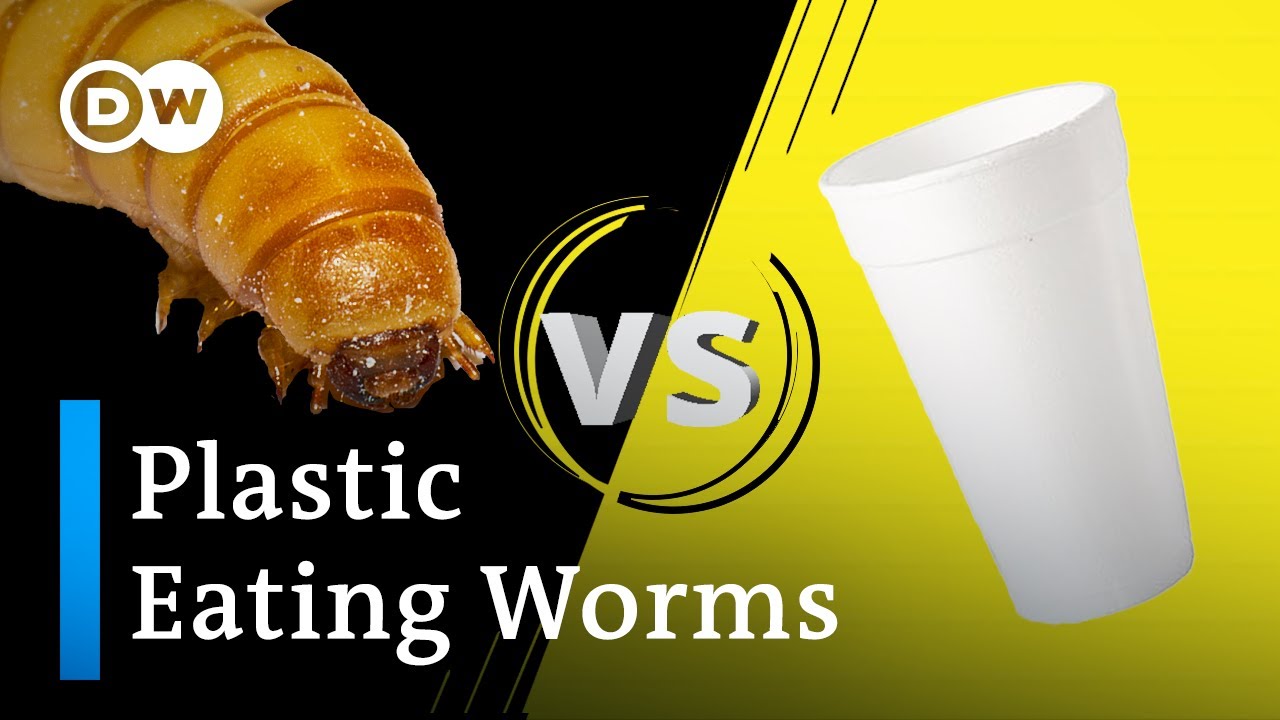
Mealworms can reduce a piece of styrofoam in just a week, offering a potential solution to the growing problem of plastic pollution.
95 percent of what would typically require disposal is eliminated at Silo, a zero waste restaurant in Hackney, East London.
Currently, bioplastics make up about one percent of all plastics, but their market is growing as consumers seek more eco-friendly options.
A passionate eco-activist rallies a community in Yerevan to combat litter and inspire environmental change.
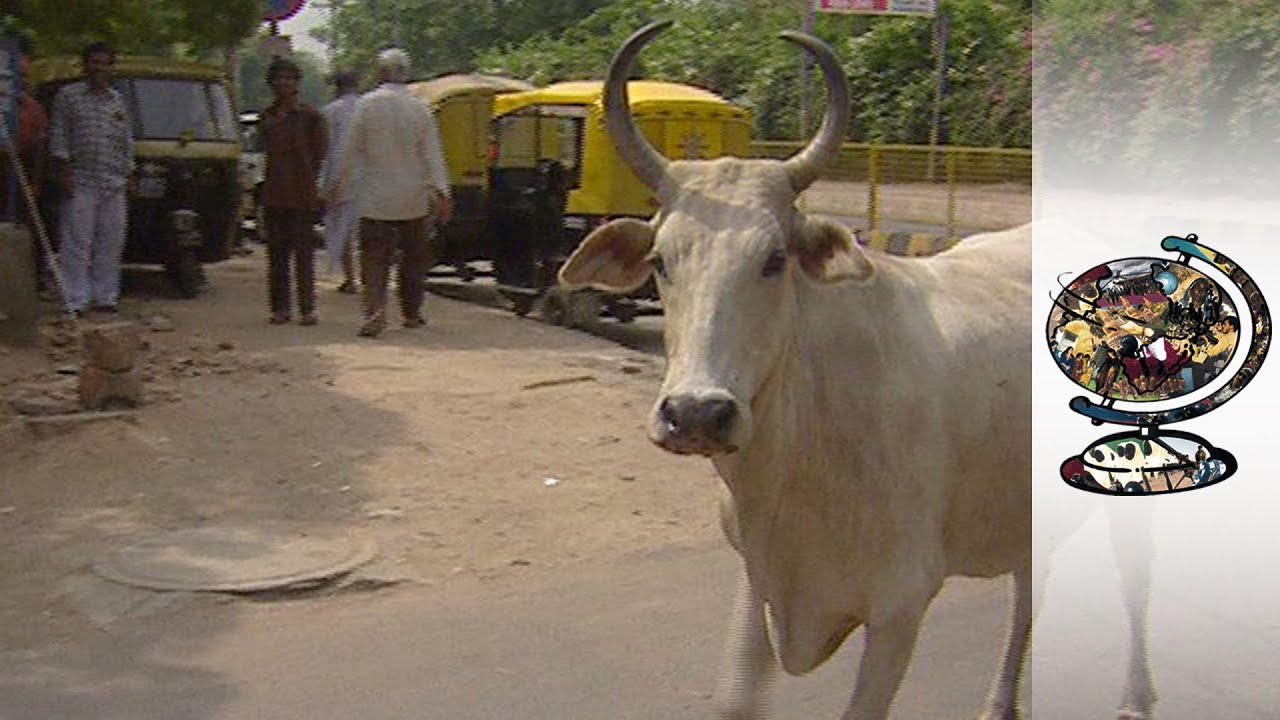
There are 20,000 cows on the streets of New Delhi, where they forage through garbage and face health issues from consuming plastic waste.
Only 1% of the plastic that enters the ocean is visible, while the remaining 99% remains unseen, impacting even the remote Galápagos Islands.
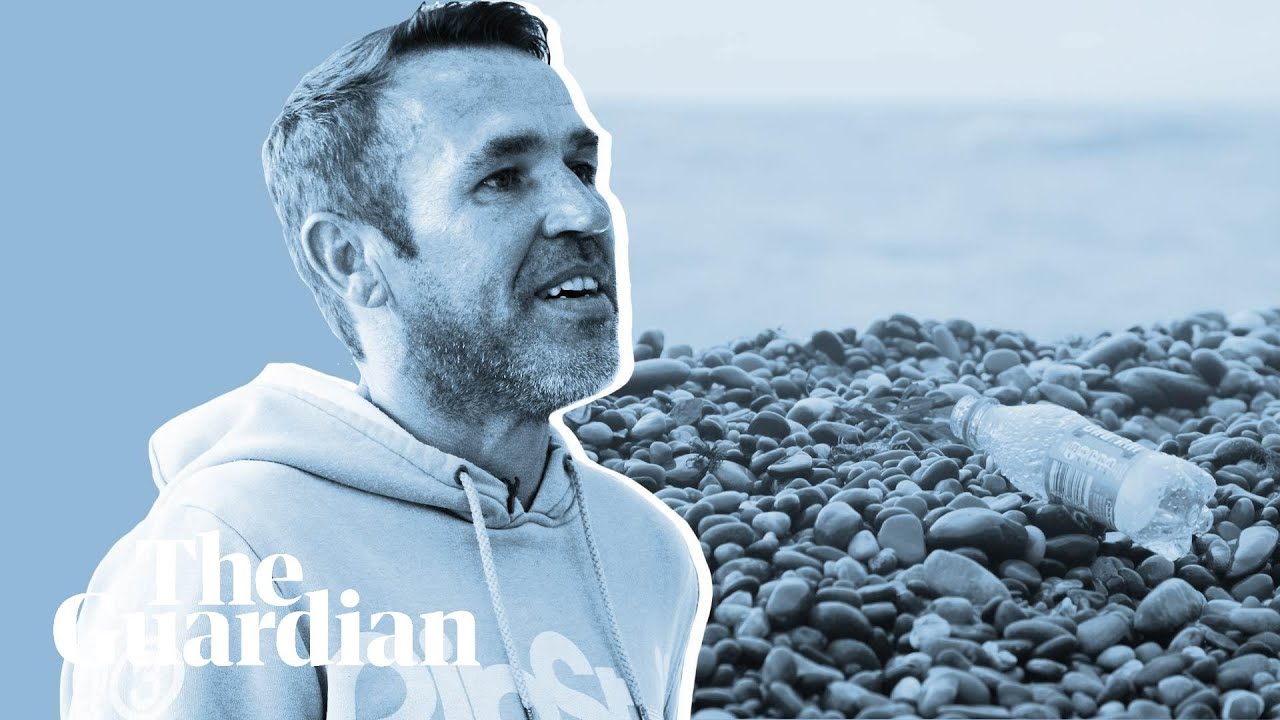
In 2019, Robin collected 1,731 cigarette butts and numerous single-use plastic bottles from North Beach, Aberystwyth, during a beach clean.
A catamaran made from recyclable plastics is designed to sail across the Pacific Ocean, with a prototype achieving speeds of around 8 knots.
30 million pounds of trash are targeted for removal from the ocean by a robot and a team of volunteers in a competition against time.
Global plastic production is projected to reach 350 million tons annually by 2060, with 11 to 14 million tons entering the ocean each year.
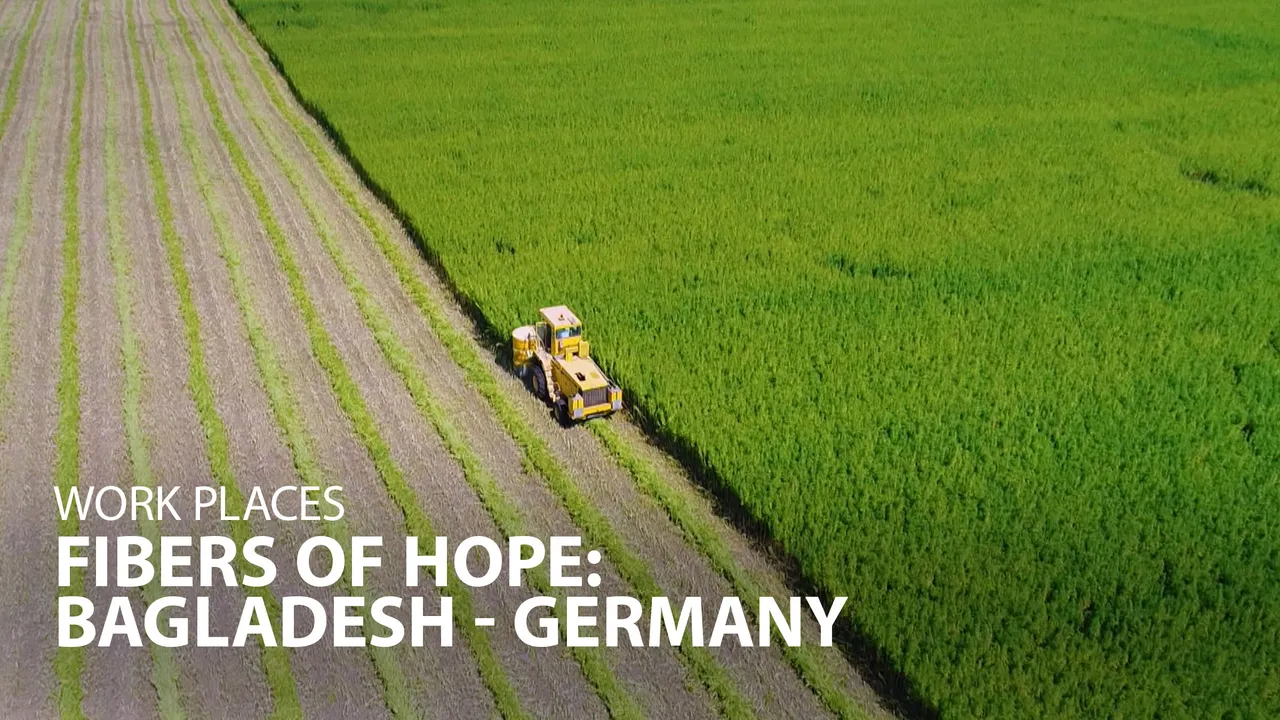
A Bangladeshi initiative promotes jute as a sustainable alternative to plastic bags, while natural fibers gain popularity in Germany.