
Egypt, Pharaoh's magic
Synopsis
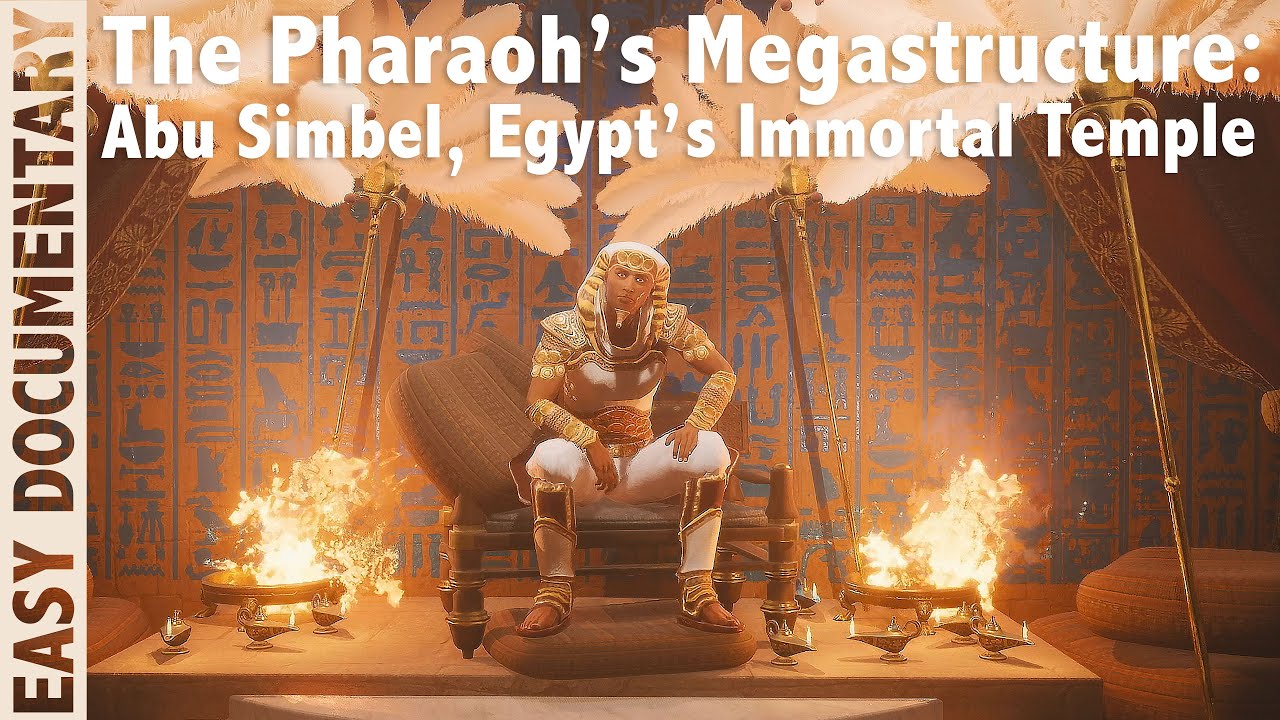
Twice a year, the sun illuminates the sanctuary of the Temple of Ramses II, connecting the pharaoh to the divine forms of Amon and Ra.
Synopsis
Usermaatre Setepenre, known as Ramses II, emphasizes his divine connection as he speaks of his lineage from the god Ra. The film outlines the Egyptian belief that cosmic order, represented by the goddess Maat, is maintained through magic. It details how pharaohs and priests performed rituals in temples to communicate with the gods and ensure a successful afterlife, drawing parallels with similar practices in cultures such as the Moche and Chachapoyas in Peru.
Deep Dive
Why Watch
- See how Maat influenced Egyptian life and beliefs.
- Find out the connection between magic and religion in Egypt.
- Meet the pharaohs who were seen as living gods.
Did You Know
- Maat is represented as a feminine deity with an ostrich feather.
- The pharaoh was considered a living god with unique magic powers.
- Twice a year, the sun illuminates the Temple of Ramses II.
- The Moche culture buried their leaders in pyramids with food for the afterlife.
Perfect For
Frequently Asked Questions
What is Maat in ancient Egyptian religion?
Maat represents order, justice, and truth, and is usually depicted as a feminine deity with an ostrich feather.
Who performed magic in ancient Egypt?
The great wizard, the pharaoh, and the priests were responsible for performing magic.
What was the purpose of the Egyptian temples?
Egyptian temples served as connections between the real world and the world of the gods, where rituals and magical ceremonies could take place.
What are people saying?
Play More Like This


Where else to watch




Related Films
Is this your film?
If you made this film or hold the rights to it, we'd like to talk. We can license it and pay you a share of what it earns.
Comments