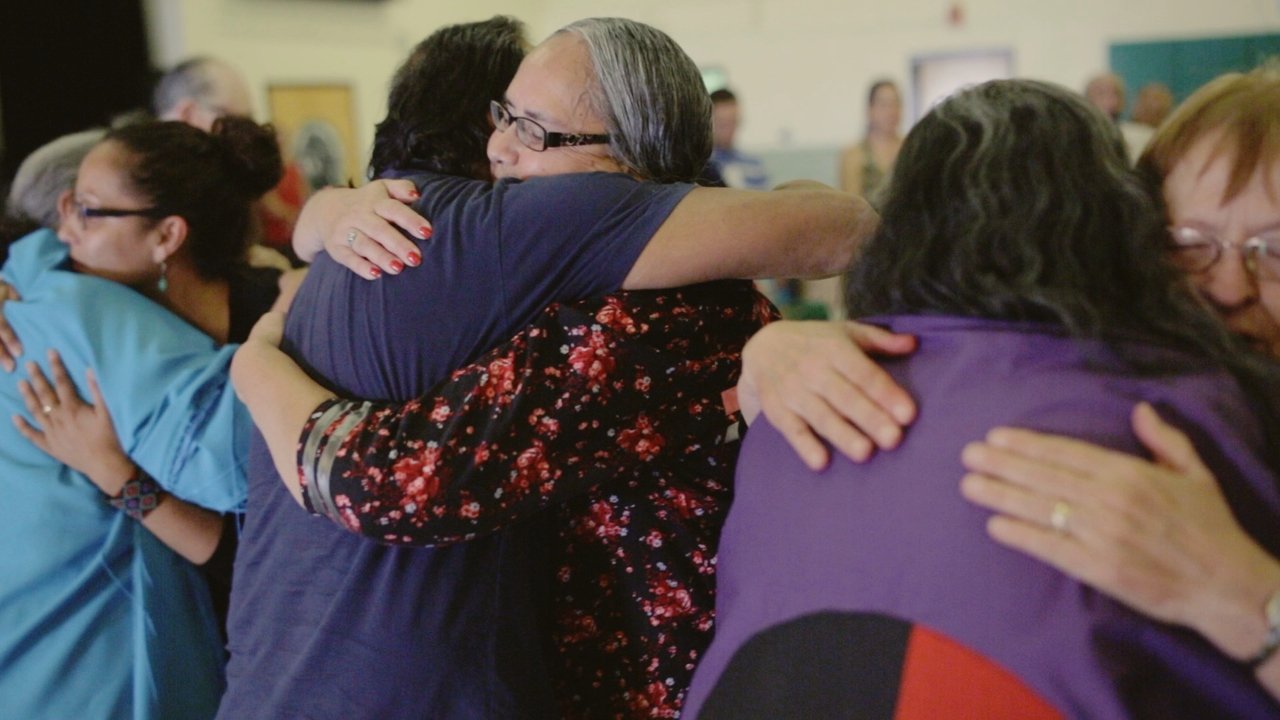
Thousands of Native children were taken from their families during America's Indian Adoption Era, a practice aimed at erasing their cultural identities.
Synopsis
Thousands of Native children were taken from their families during America's Indian Adoption Era, a practice aimed at erasing their cultural identities.
Synopsis
A woman recalls her childhood in the 1950s, torn from her family during America's Indian Adoption Era. Children were forcefully removed and placed into non-Native homes. The film details testimonies from families affected by this policy, which aimed to erase Native cultures. It also connects to organizations that fought for the rights of these children. The documentary runs for 111 minutes and features key voices from this painful chapter in history.
Deep Dive
Why Watch
- Meet survivors of the Indian Adoption Era.
- Find out how adoption policies erased Native identities.
- See the impact on Native communities today.
Did You Know
- The Indian Adoption Era involved the removal of thousands of Native children from their families.
- Many Native children were placed in non-Native homes to erase their cultural identities.
- The documentary spans a history that contributed to the loss of generations of Native culture.
Perfect For
Frequently Asked Questions
What was the Indian Adoption Era?
The Indian Adoption Era refers to a period in American history when Native children were taken from their families and forced to assimilate into non-Native cultures.
How long is the documentary Blood Memory?
Blood Memory has a duration of 111 minutes.
What is the main focus of Blood Memory?
The main focus of Blood Memory is the impact of the Indian Adoption Era on Native American culture and families.
What are people saying?
Play More Like This


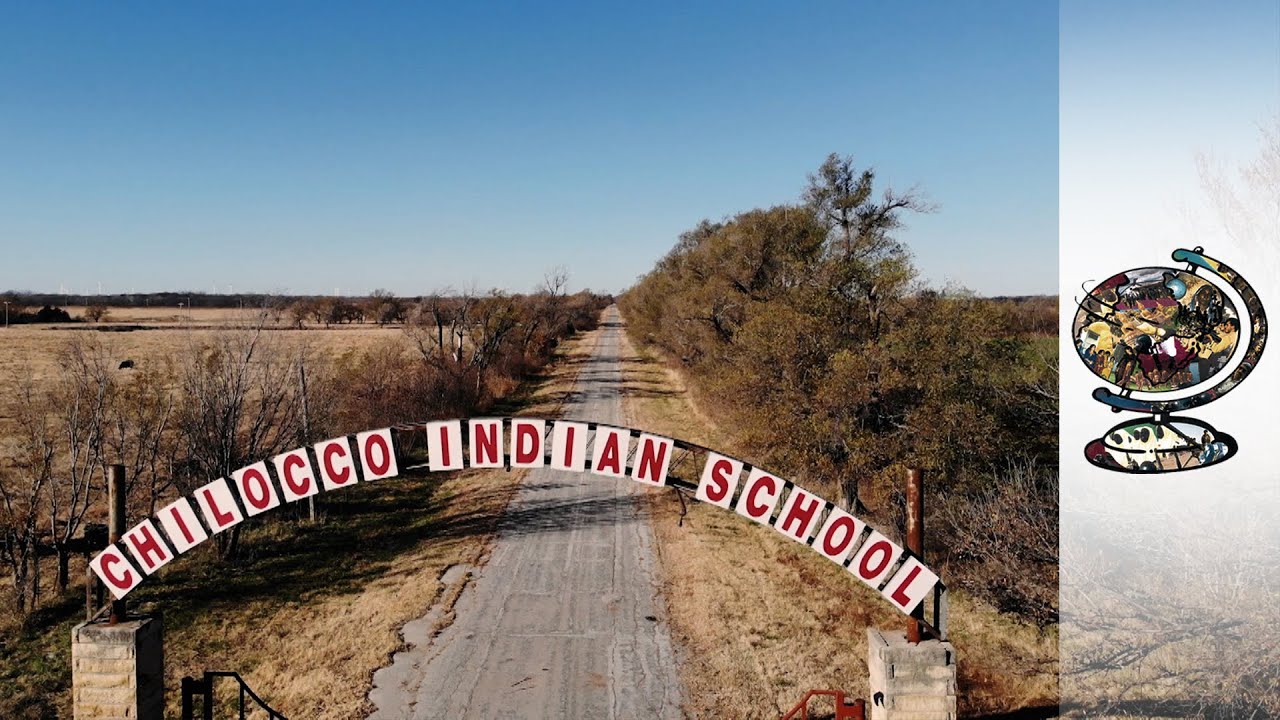

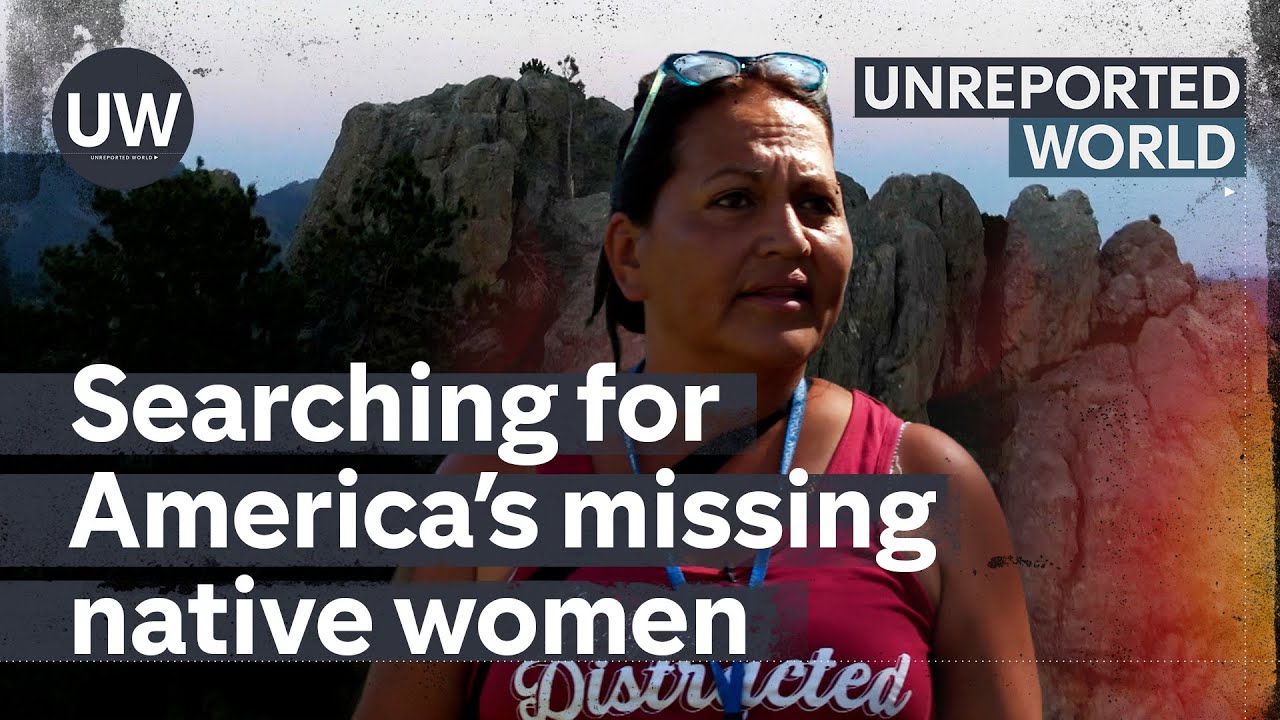


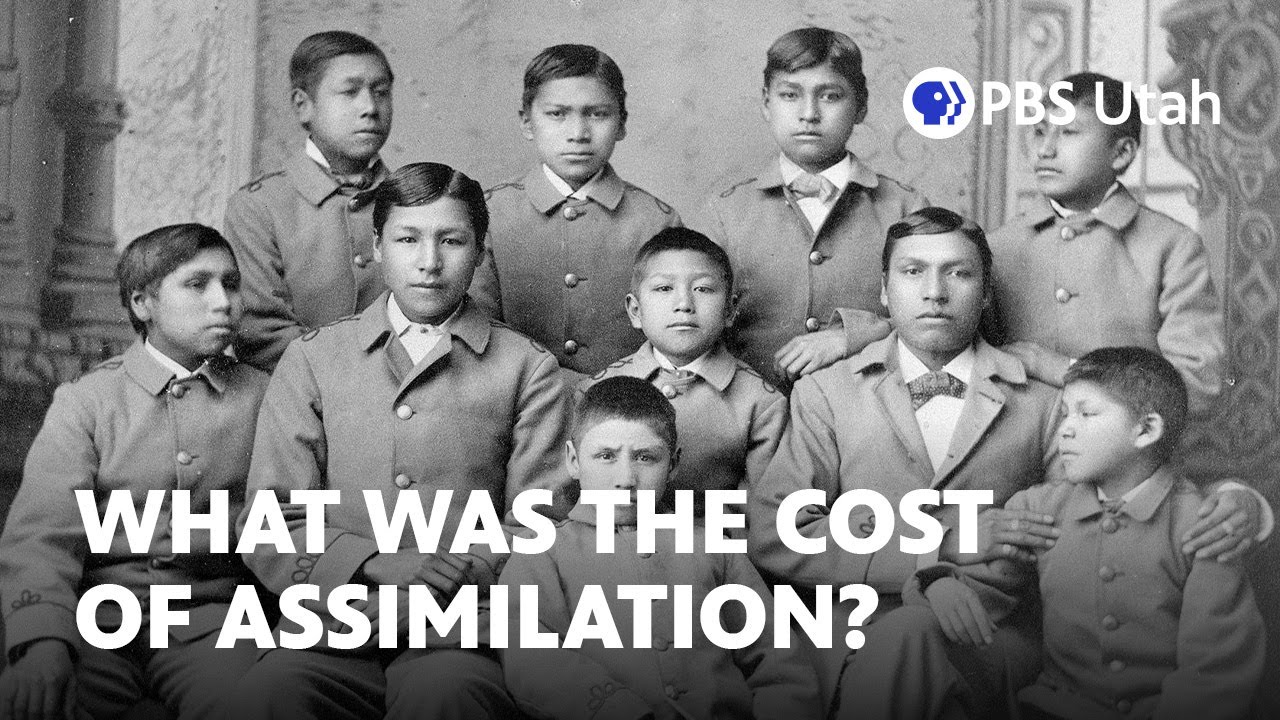

Explore Blood Memory



Related Films
Is this your film?
If you made this film or hold the rights to it, we'd like to talk. We can license it and pay you a share of what it earns.
Comments