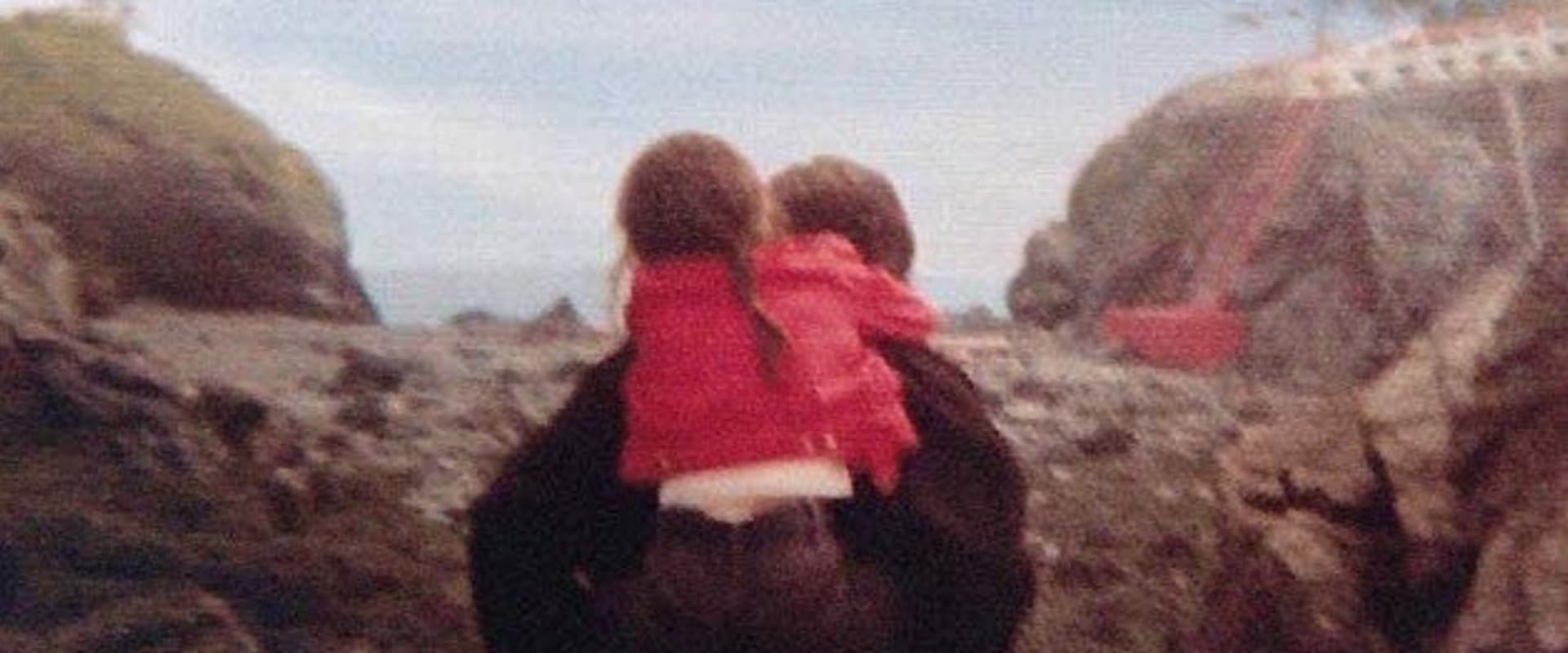
More than 20,000 Indigenous children were removed from their families in the United States as part of forced assimilation policies.
“A documentary about cultural survival and stolen children”
Synopsis
More than 20,000 Indigenous children were removed from their families in the United States as part of forced assimilation policies.
Synopsis
Maine's Wabanaki people recount their experiences with forced assimilation and child removal in 'Dawnland'. The documentary centers on the first government-endorsed truth and reconciliation commission, which seeks to address the historical injustices faced by Indigenous communities. Personal testimonies reveal the lasting impact of child welfare practices that stripped families of their culture and identity. Through these narratives, the film questions whether reconciliation can heal the deep scars left by these traumatic events.
Deep Dive
Why Watch
- Meet the Wabanaki people and their stories.
- Find out about the truth and reconciliation commission.
- See the impact of child welfare practices on culture.
Did You Know
- The documentary focuses on the Wabanaki people of Maine.
- It is based on the first government-endorsed truth and reconciliation commission.
- The film has a runtime of 86 minutes.
- The director of 'Dawnland' is Ben Pender-Cudlip.
Perfect For
Frequently Asked Questions
What is the main focus of the documentary 'Dawnland'?
The documentary focuses on the history of Indigenous child removal in the United States, particularly the experiences of the Wabanaki people of Maine.
Who directed the documentary 'Dawnland'?
Ben Pender-Cudlip directed the documentary 'Dawnland'.
What year was 'Dawnland' released?
Dawnland was released in 2018.
What are people saying?
Play More Like This




Browse more like this




Related Films
Is this your film?
If you made this film or hold the rights to it, we'd like to talk. We can license it and pay you a share of what it earns.



Comments