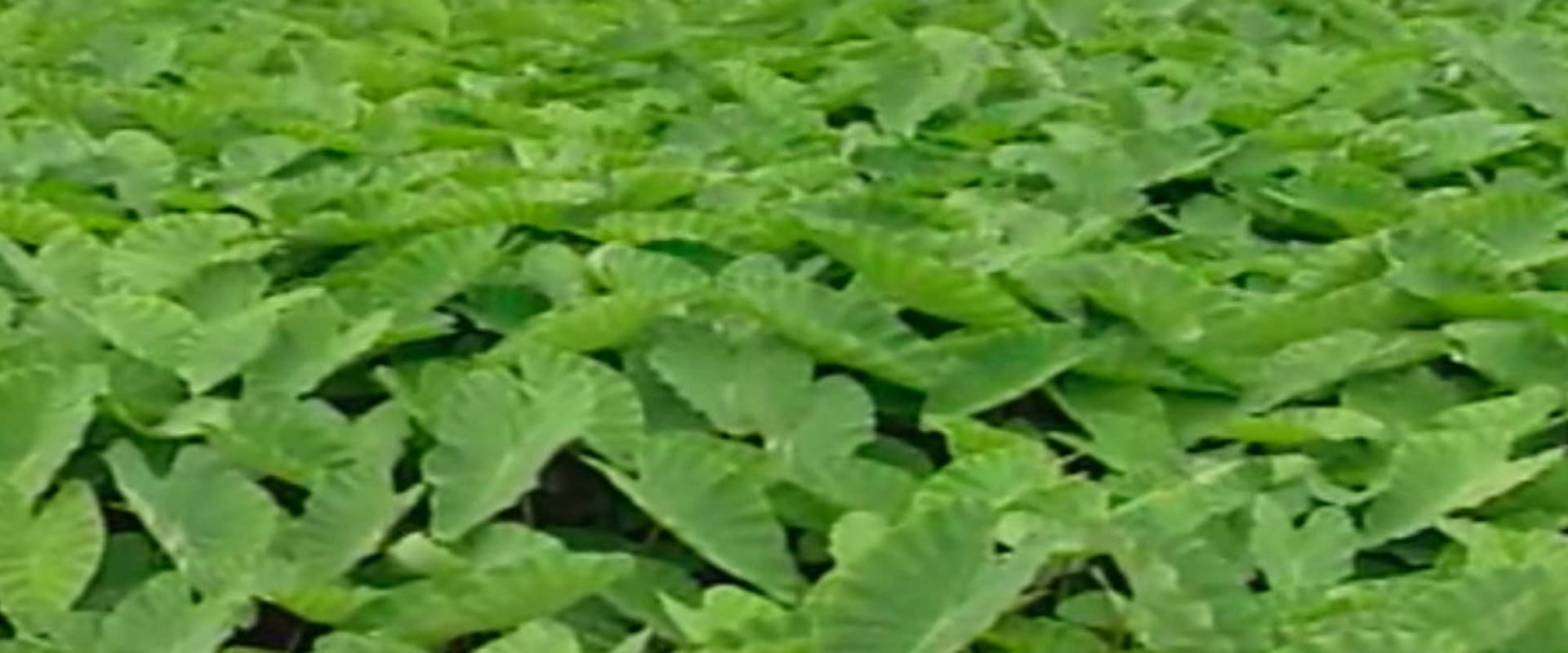
Five major islands of Hawai'i cultivate kalo, with some family farms maintaining their lo'i for generations.
Synopsis
Five major islands of Hawai'i cultivate kalo, with some family farms maintaining their lo'i for generations.
Synopsis
On the island of Maui, family growers cultivate kalo in traditional lo'i. Farmers from Maui, Moloka'i, Hawai'i, O'ahu, and Kaua'i share their stories of growing taro, a staple food in Hawaiian culture. The film covers the history and culture of kalo, and the challenges related to land and water use. It also addresses the future of taro production in Hawai'i. This 56-minute documentary captures the connections between people and their land.
Deep Dive
Why Watch
- Meet dedicated kalo growers across five Hawaiian islands.
- Find out about the cultural history of kalo in Hawai'i.
- See how land and water issues affect taro production.
Did You Know
- Kalo cultivation has been a family tradition for generations in Hawai'i.
- The documentary features growers from five major Hawaiian islands.
- Kalo is a significant cultural crop for native Hawaiians.
Perfect For
Frequently Asked Questions
What is kalo and where is it produced?
Kalo, also known as taro, is produced on the major islands of Hawai'i, including Maui, Moloka'i, Hawai'i, O'ahu, and Kaua'i.
What issues are related to kalo cultivation in Hawaii?
Issues related to kalo cultivation include land and water management.
How long have some families been cultivating kalo in Hawaii?
Some families have been cultivating kalo for generations and even centuries.
What are people saying?
Play More Like This






Browse more like this






Browse more by Victoria Keith
View all films →
Related Films
Is this your film?
If you made this film or hold the rights to it, we'd like to talk. We can license it and pay you a share of what it earns.
Comments