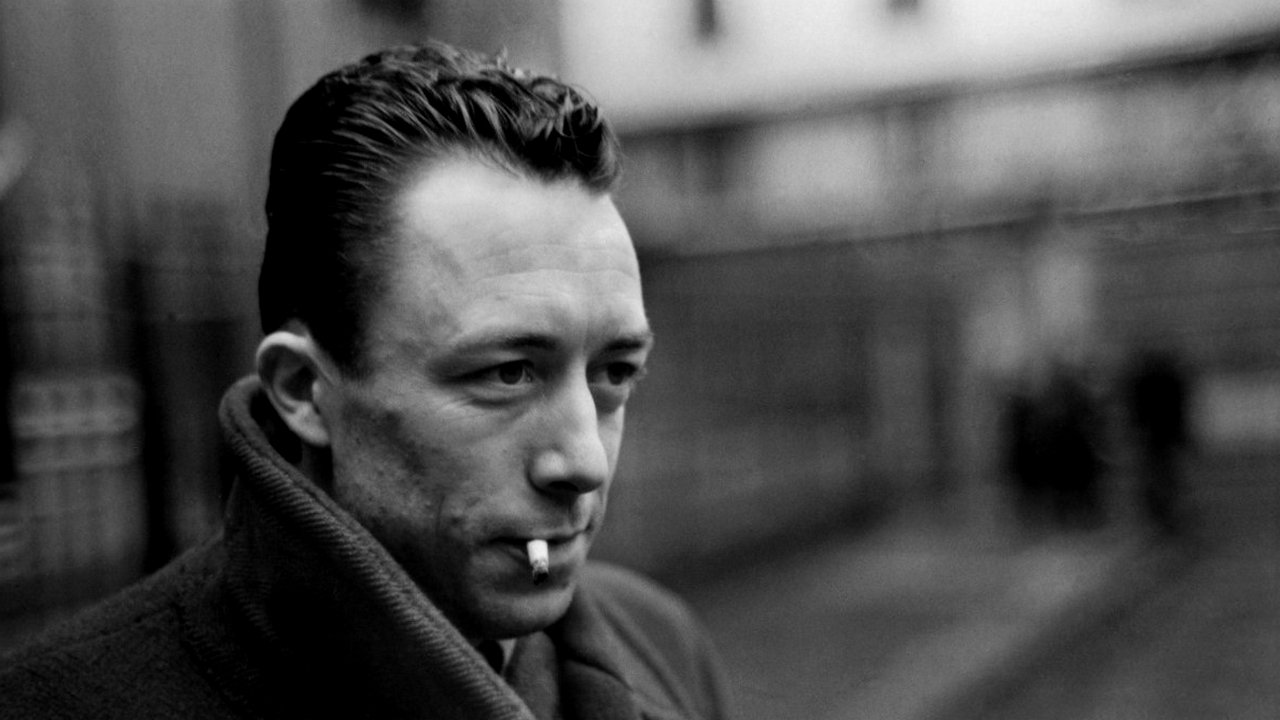
A 52-minute examination of Albert Camus reveals his Spanish roots, literary beginnings in Algiers, and complex views on Algerian independence.
Synopsis
A 52-minute examination of Albert Camus reveals his Spanish roots, literary beginnings in Algiers, and complex views on Algerian independence.
People
View all →

Synopsis
Albert Camus, born in Algeria in 1913, navigated a complex identity shaped by his Spanish roots from Menorca and his upbringing in Algiers. The documentary details his literary beginnings and his struggle against the pretentiousness of French intellectuals. It addresses his commitment to communism and his controversial views on Algerian independence, which he believed could sever his connection to his homeland. Camus's life, marked by a sense of estrangement, continued until his death in 1960.
Deep Dive
Why Watch
- Meet Albert Camus, the Nobel Prize-winning writer.
- Find out about his Spanish roots from Menorca.
- See his views on Algerian independence and its impact.
Did You Know
- Albert Camus was born in Algeria in 1913.
- He had Spanish roots from the island of Menorca.
- Camus won the Nobel Prize in Literature in 1957.
- He was a communist writer who battled against French bourgeois intellectuals.
- Camus had a controversial stance on Algerian independence during the 1954-62 war.
Perfect For
Frequently Asked Questions
When was Albert Camus born?
Albert Camus was born in 1913.
What was Albert Camus's stance on Algerian independence?
Albert Camus had a controversial stance against Algerian independence, fearing it would sever his ties to his homeland.
What are the languages spoken in the documentary 'Amour de vivre'?
The languages spoken in the documentary include English, Catalan, Spanish, and French.
What are people saying?


Where else to watch



Related Films
Is this your film?
If you made this film or hold the rights to it, we'd like to talk. We can license it and pay you a share of what it earns.






Comments