
Amina Filali, a 16-year-old girl, committed suicide in March 2012 after being forced to marry her rapist under Moroccan law.
Synopsis
Amina Filali, a 16-year-old girl, committed suicide in March 2012 after being forced to marry her rapist under Moroccan law.
Synopsis
Amina Filali, a 16-year-old girl from a village near Larache, took her own life in March 2012 after being forced to marry her rapist. Her death followed a legal loophole in Article 475 of the Moroccan penal code, which allows rapists to evade punishment by marrying their victims. The film features interviews with Filali's parents, her rapist's father, and a lawyer, revealing the societal and legal challenges faced by women in Morocco. It also critiques the media's portrayal of the case and the systemic issues surrounding women's rights in the country.
Deep Dive
Why Watch
- Meet Amina Filali's family and hear their story.
- Find out how Moroccan law affects women's rights.
- See the impact of media coverage on societal issues.
Did You Know
- Amina Filali committed suicide in March 2012 at age 16.
- Article 475 allows rapists to avoid prosecution by marrying their victims.
- The film was produced without shooting permits as an act of civil disobedience.
- Filali's death received significant attention from both Moroccan and international media.
Perfect For
Frequently Asked Questions
What tragic event is central to the documentary 475?
Amina Filali, a 16-year-old Moroccan girl, committed suicide in March 2012 after being forced to marry her rapist.
What does Article 475 of the Moroccan penal code allow?
Article 475 allows a rapist to escape prosecution if he marries his victim.
How was the documentary 475 produced?
It was produced clandestinely without shooting permits and funded through a crowd-funding campaign.
What are people saying?
Play More Like This


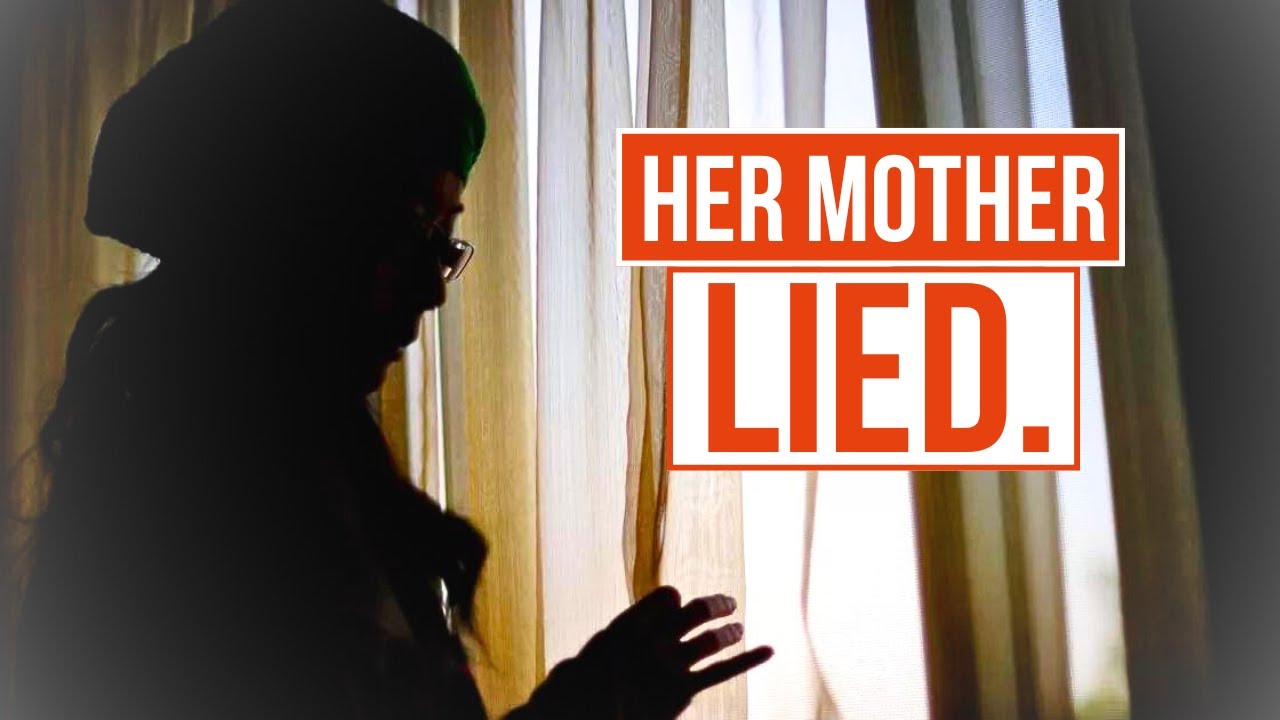



Explore 475









Related Films
Is this your film?
If you made this film or hold the rights to it, we'd like to talk. We can license it and pay you a share of what it earns.
Comments