From over 100,000 films, discover the handful you'll love.
Free or premium access to the world's largest documentary library.
Europe
831 films(Page 3 of 18)
Four children in Germany attend a class that covers 33 key events related to the Holocaust, reflecting on their country's history and its impact today.
Adolf Hitler's rise to power in 1930s Germany faced a significant internal resistance, as individuals within his regime plotted to end his reign of terror.
A humble river in north-west Germany showcases the vibrant Banded Demoiselle dragonflies and the unique hunting techniques of kingfishers and dippers.
Adolf Hitler's obsession with art led him to burn books and delegitimize entire artistic movements to enforce a Nazi cultural vision in Germany.
On June 16, 1940, Philippe Pétain became Prime Minister of France and quickly organized surrender terms with Nazi Germany, leading to his later trial for treason.
American forces suffered about 33,000 casualties during the brutal combat in the Hürtgen Forest, which became known as the "Death Factory."
In Lüsche, Germany, head surgeon Dr. Jan Hein Swagemakers leads a luxury veterinary clinic that attracts horse owners worldwide seeking advanced equine care.
In early 1933, Adolf Hitler's consolidation of power in Germany was marked by the March 5th election, the Reichstag Fire, and the passing of the Enabling Act.
Calshot served as a marine craft maintenance facility for the RAF until its closure in 1961, after playing a key role in seaplane operations.
On December 19, 1989, Helmut Kohl delivered a speech in Dresden that was seen as a turning point for German reunification, receiving an enthusiastic reception from the crowd.
Home movies and personal diaries from 1937 to 1941 reveal the experiences of ordinary Germans during the Third Reich, including early WWII victories and emerging atrocities.
Half of all of Germany's dead in the Second World War occurred in the last ten months of the war, marking a devastating period of loss and destruction.
Adolf Hitler's refusal to retreat costs millions of Germans their lives as he seeks advanced weapons.
German U-boats become a significant threat to the Allied war effort during World War II.
The intense competition between J. Robert Oppenheimer and Werner Heisenberg during World War II highlights the race to develop the atomic bomb and its global implications.
By 1933, the Nazi Party had risen to become the most popular political party in Germany, with Hitler now serving as Chancellor.
Tom Plümmer's Wingcopter delivers medication in Malawi and parcels in Germany using drones.
A kingfisher can dive at speeds of up to 40 miles per hour while hunting along a tributary of the Rhine in Germany.
Adolf Hitler's rise from a World War I soldier to Germany's political leader is examined through his own words and speeches, alongside insights from historians like Dan Snow and Suzannah Lipscomb.
East Germany's emergency command centers and Albania's underground networks illustrate the extensive preparations made by European governments for potential nuclear conflict during the Cold War.
157 Goethe-Instituts operate worldwide, promoting cultural collaboration as Klaus-Dieter Lehmann concludes his tenure as president in 2020.
Between 1940 and 1945, the German Army lost 50,000 tanks and four million men on the Eastern Front during World War II.
Over 20 million Volkswagen Beetles have been produced since their inception, despite their controversial origins tied to Nazi ambitions.
Adolf Hitler's rise to power is examined through the ambitions and actions of his inner circle, including Dietrich Eckart, Hermann Göring, and Heinrich Himmler.
Hitler's failure at the Munich Beer Hall Putsch leads to a new strategy for power.
Montgomery proposes a plan in September 1944 to cross the Rhine and end the war by Christmas.
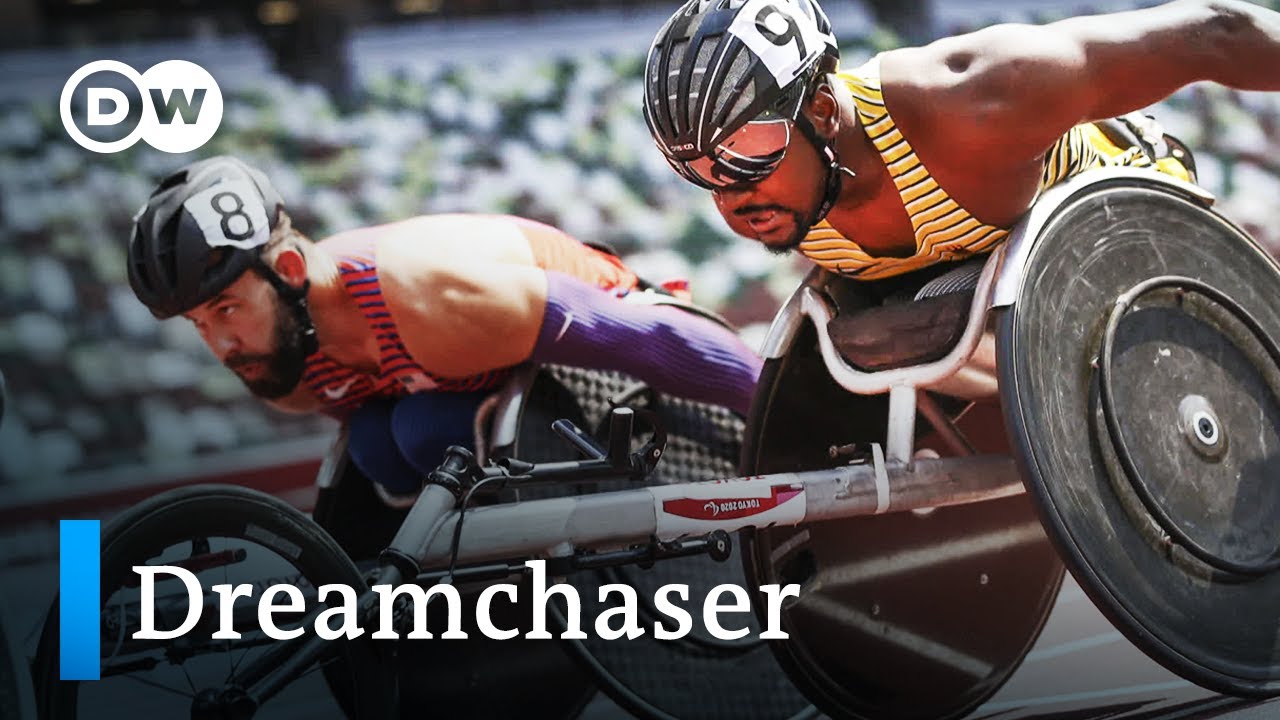
Two athletes, Alhassane Baldé and Shugaa Nashwan, prepare for the 2020 Paralympic Games in Tokyo, facing significant physical and societal challenges.
A 16-year-old dancer flees war-torn Ukraine and finds refuge in Mainz, Germany, where he trains under former ballerina Irina Starostina.
A 40 by 20 meter court serves as the playing field for blind soccer, where athletes like Ali Can Pektas train for the 2024 Paralympics in Paris.
Ten pairs of sea eagles nest in the Lauenburg Lake District, a region where their population has stabilized after facing extinction 30 years ago.
160 artists present their work at documenta 14, which runs simultaneously in Athens and Kassel for the first time in its 60-year history.
The Thyssens highlight a legacy of heavy industry and art intertwined with scandal.
Son Kee Chung wins gold at the 1936 Berlin Olympics, forced to run under the Japanese flag.
Five refugees from Syria, Bosnia, Chile, Germany, and Nigeria share their experiences of fleeing violence and finding new lives in Germany through art.
Allied airmen fight for survival in Buchenwald Concentration Camp during WWII under Director Michael Dorsey.
By 2020, the European Union aims to cut food waste by half, as current estimates suggest 120 million tons of food will be discarded annually.
87-year-old Mrs. C, a Holocaust survivor, experiences a sudden loss of vision while working in the finance department at Sears.
Christian Schmidt and Giuliana Pachner engage in philosophical dialogue about the human condition within an abandoned building in Lausitz and the Libyan desert.
Germany aims for 50% of its energy to come from renewable sources by 2050, driven by the landmark EEG law mandating above-market rates for renewable electricity.
Itamar Rose critiques the deceptive practices of YouTube capitalism and the role of click farms in shaping viral content and ethical dilemmas in social media.
In the aftermath of the Holocaust, German and Jewish leaders engage in secret negotiations to establish the first reparations for survivors.
Only 3% of clothing sold in the United States is now made domestically, with the remaining 97% produced in developing countries.
Join the Animal Airport team as they transport VIP parrots and handle warring wolves in Germany.
670,000 people were arrested and 376,000 executed during Stalin's Great Purge, reflecting the violent methods of totalitarian regimes in the 20th century.
On June 28, 1914, the assassination of Archduke Franz Ferdinand triggers events that reshape Wall Street and finance during World War I.
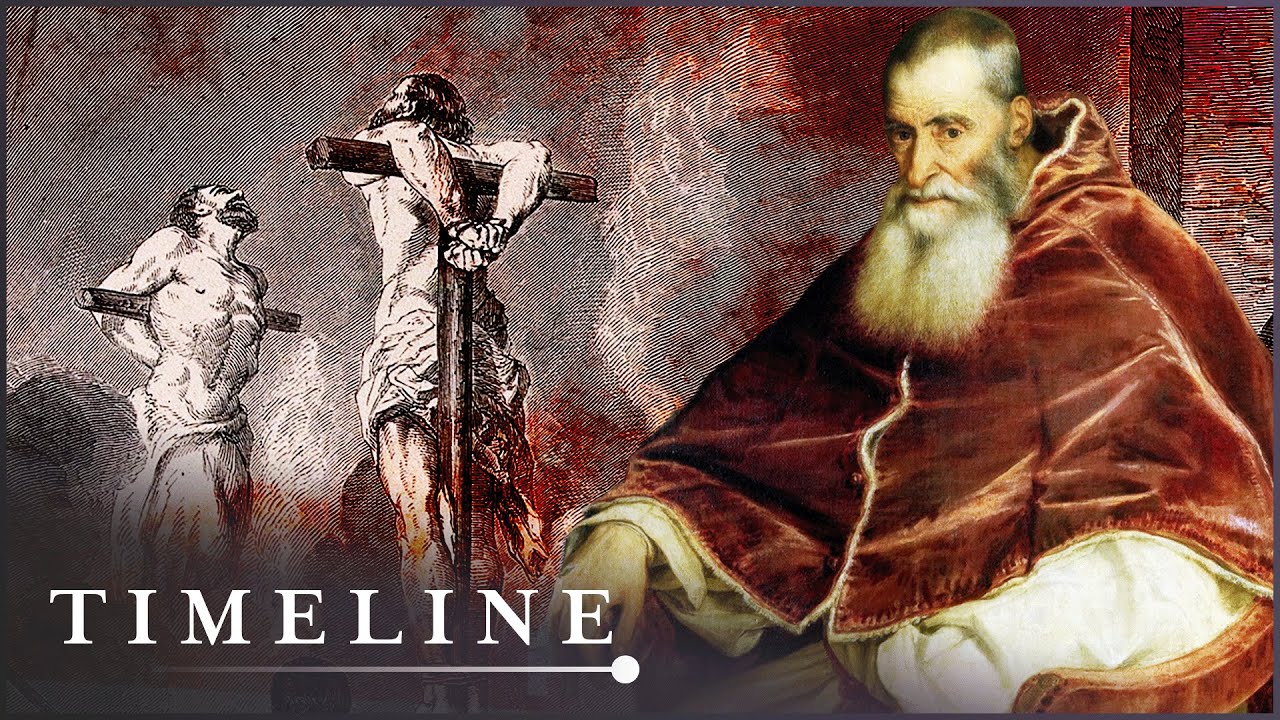
The Roman Inquisition, established by a fanatical monk under the Medici Pope, targeted heresy and punished free thinkers during the Protestant Reformation in Italy.
After 40 years of separation, an adopted woman learns about her birth mother and half siblings through DNA analysis with Professor Turi King, revealing hidden family ties.
Professor David O'Keefe and filmmaker Wayne Abbott explore the Rhineland Campaign of Winter 1945, featuring aerial reconnaissance and a WWII-era Duck vehicle ride.