From over 100,000 films, discover the handful you'll love.
Free or premium access to the world's largest documentary library.
Europe
831 films(Page 2 of 18)
Adolf Hitler entered Paris on June 14, 1940, as Britain prepared to defend itself against the impending threat of Nazi invasion.
In 1923, Adolf Hitler's failed coup, known as the Beer Hall Putsch, leads to his imprisonment, during which he writes Mein Kampf.
Hitler declared war on the USA following the Japanese attack on Pearl Harbor, escalating the global conflict during World War II.
From the early 1960s until 1989, East German spies seduced women in West Germany to extract government secrets, leaving a trail of betrayal.
Around half of the population in Germany will take their last breath in a hospital, despite many preferring to die at home.
300 cosmetic procedures are performed monthly in East Frisia, reflecting the growing popularity of lip fillers fueled by social media.
60 million people died as a result of the war ignited by Joseph Goebbels' propaganda, which fueled the Nazi regime's campaign of hate.
Charlemagne, born between 742 and 748, became King of France in 768 and expanded his empire through numerous military campaigns until his death in 814.
Vivian worked as a sex worker for four years, serving 25 to 35 customers a day before becoming a social worker supporting teenage girls.
In September 1942, a German climbing team raises the Nazi war flag on the summit of Mount Elbrus, marking a peak in Nazi military power.
Saruul Fischer returns to Mongolia twice a year, feeling overwhelming joy each time she arrives in her homeland after living in East Germany.
Only eight or nine Scottish wildcats remain in the Western Highlands, prompting urgent conservation efforts to save the species from extinction.
The Doberman Pinscher, developed by Karl Friedrich Louis Dobermann in Germany around 1890, is examined for its characteristics, training, and dietary needs.
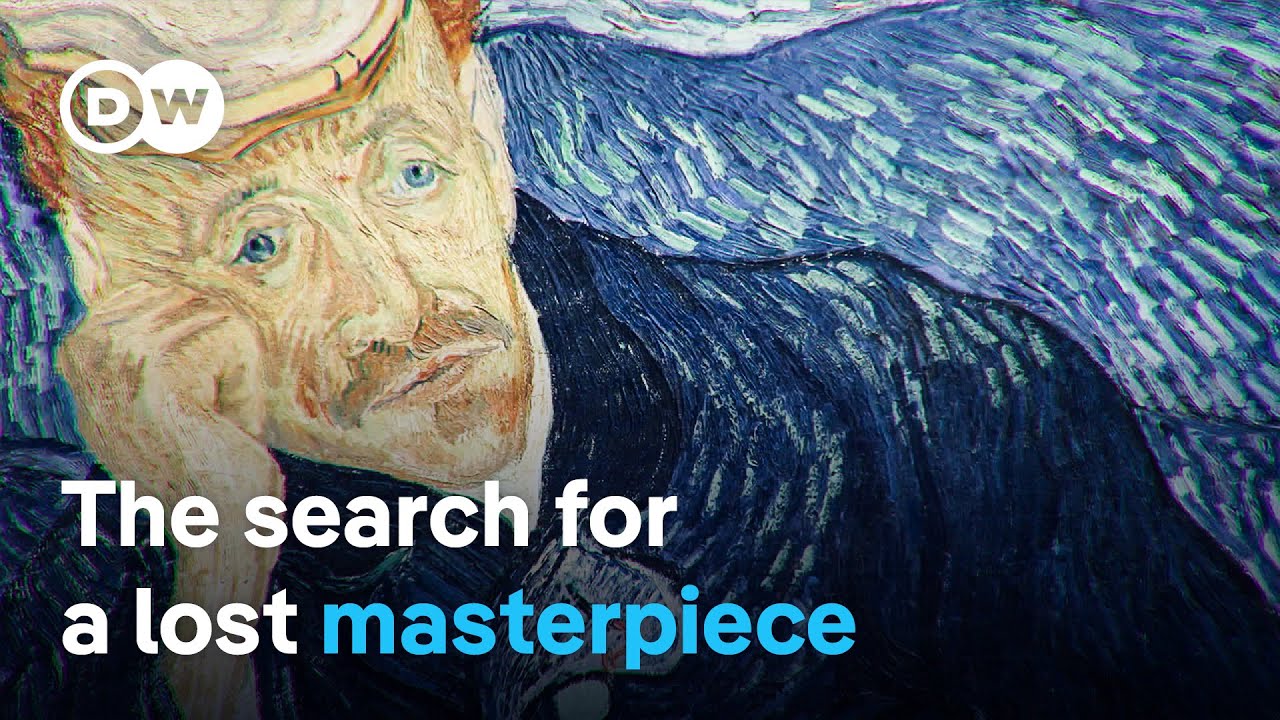
Vincent van Gogh's portrait of Dr. Paul Ferdinand Gachet, sold at auction in 1990, has vanished, prompting an investigation across France, Germany, Austria, and Switzerland.
In December 2021, Carolin Volk and Holger begin building their straw house in Burgenland, Austria, using locally sourced renewable materials.
Heinrich Himmler, the second most powerful figure in Nazi Germany, was responsible for the genocide of millions and the establishment of death camps.
Hitler and Goebbels initiate a pogrom against the Jews while Hitler hides Eva Braun in Obersalzberg.
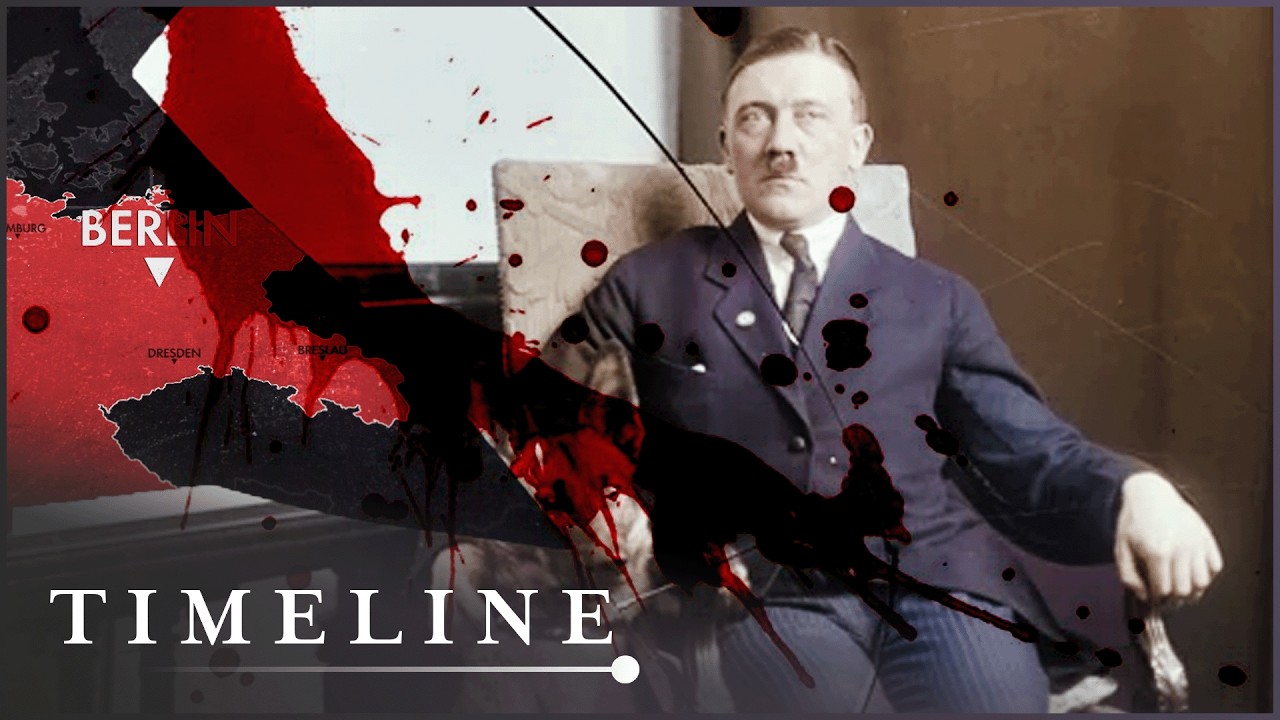
Adolf Hitler's rise to power in post-World War I Germany exploited economic turmoil and political instability, leading to the establishment of a regime that orchestrated the Holocaust and instigated World War II.
A cow with a disabled rear leg and a weak calf, both destined for slaughter, are rescued by animal rights activists in Germany.
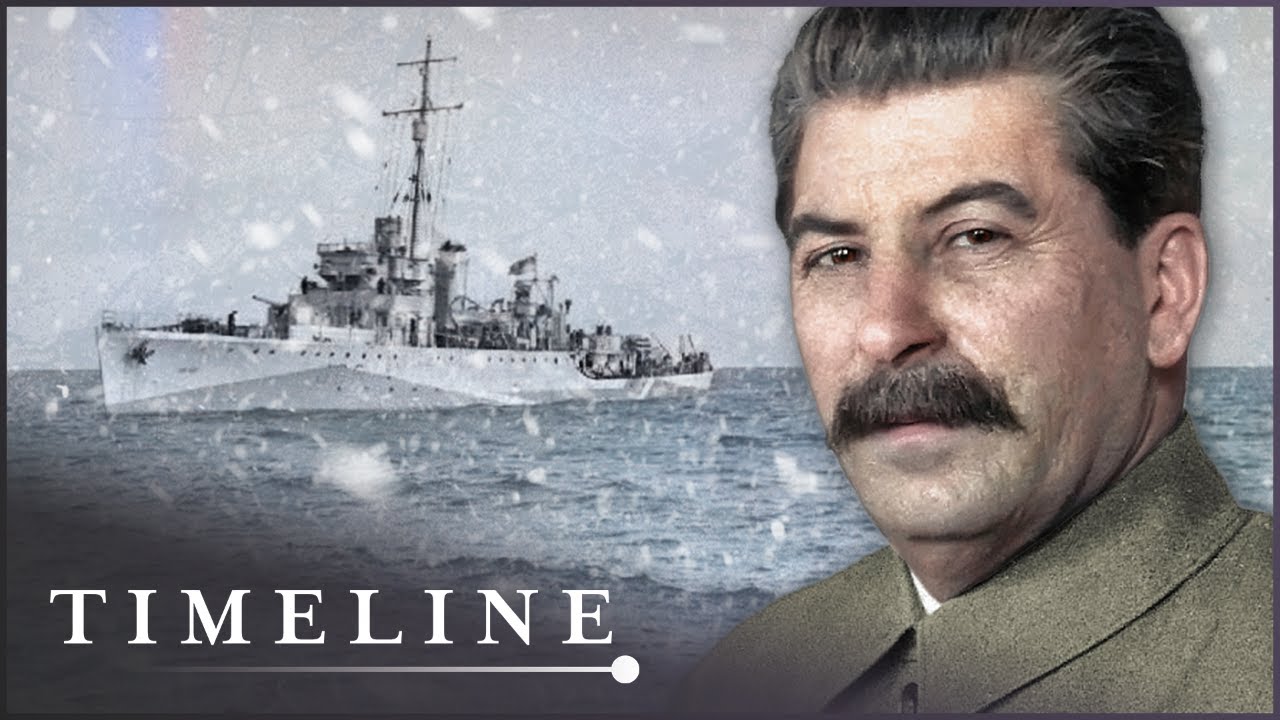
In August 1941, the Allies launched Operation Dervish to support the Soviet Union during WWII.
Two million fatalities from World War I and economic turmoil set the stage for Adolf Hitler's rise to power in Germany.
Three million inhabitants welcomed the annexation of Austria into the German Reich, as Hitler's aggressive territorial claims escalated tensions in Europe.
Vataslaf Molotov was born on February 25, 1890, in Kukara, Russia, and became a key figure in Soviet politics under Joseph Stalin.
Life in East Germany shapes the experiences of siblings in reunified Berlin today.
A fleet of 75 white buses rescued nearly 20,000 concentration camp prisoners from Nazi Germany in 1945, including Ruth Toronczyk, who spent 18 months in Theresienstadt.
40,000 transactions from the Julius Böhler art dealership between 1933 and 1945 are being analyzed to locate lost artworks from Jewish collections.
Hermann Göring's life is examined, detailing his rise as a decorated World War I ace and key Nazi leader, culminating in his trial as a war criminal at Nuremberg.
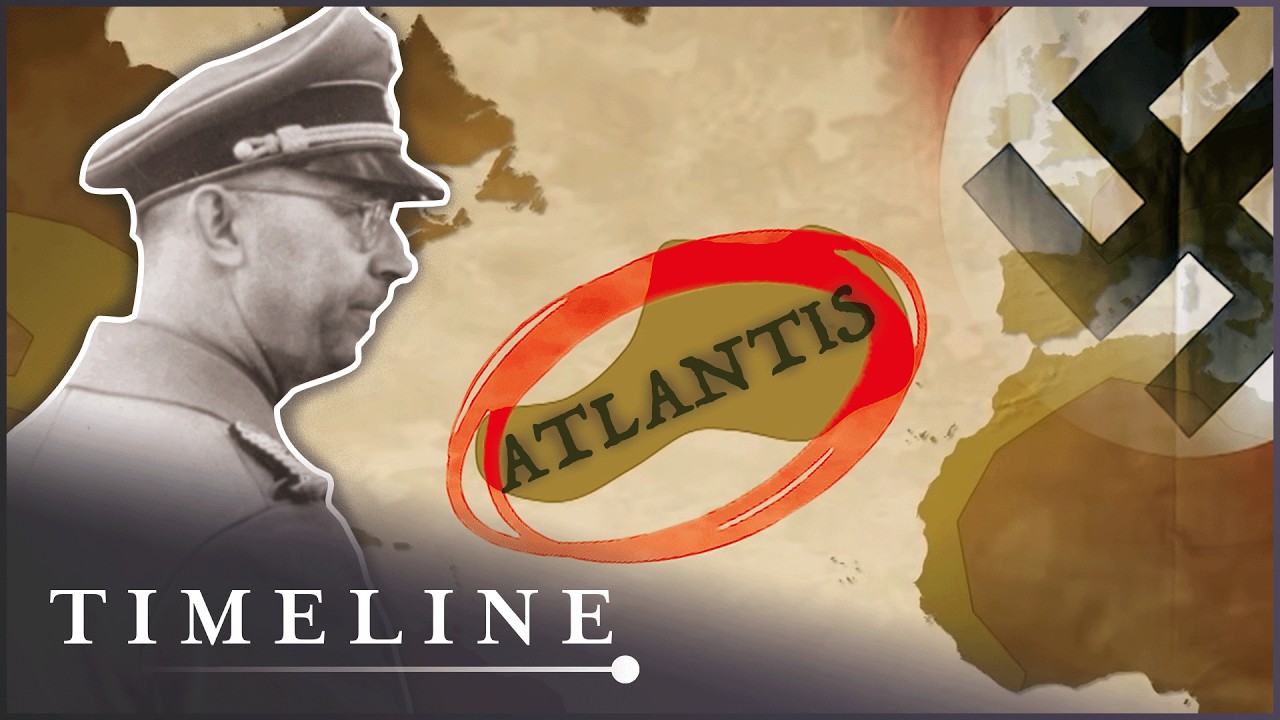
In 1938, a team of elite Nazi scientists embarked on an expedition to Tibet, seeking evidence to link the Aryan race to the lost civilization of Atlantis.
In 1933, Adolf Hitler became chancellor of Germany, allowing the Nazi regime to seize complete power and begin its rapid ascent.
Arthur Seyss-Inquart enacts brutal policies in Nazi-occupied Netherlands during WWII.
€1.5 billion of former SED party assets have been transferred to the Federal Republic of Germany, with nearly €130 million still missing.
More than 1,500 shops and food stands fill Chandri Chowk in Delhi, where Prateek Reen finds inspiration for her restaurant in Munich.
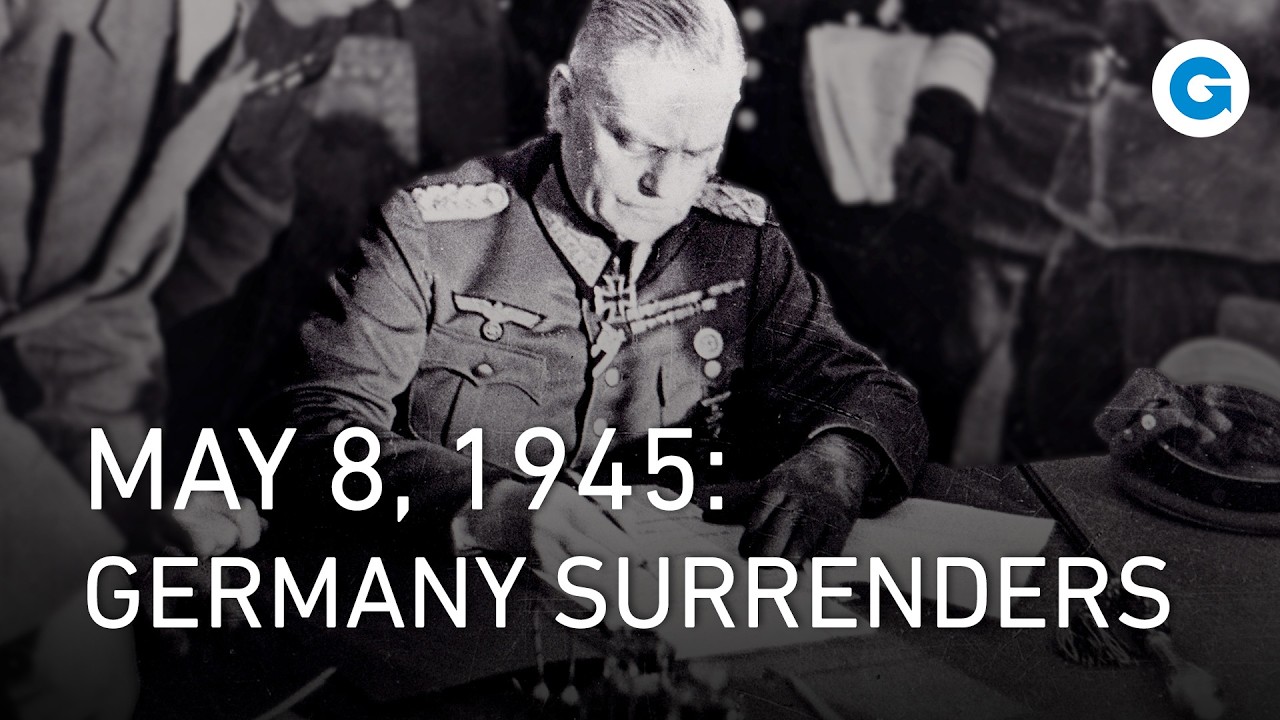
Relive Germany's unconditional surrender and VE Day celebrations captured by George Stevens.
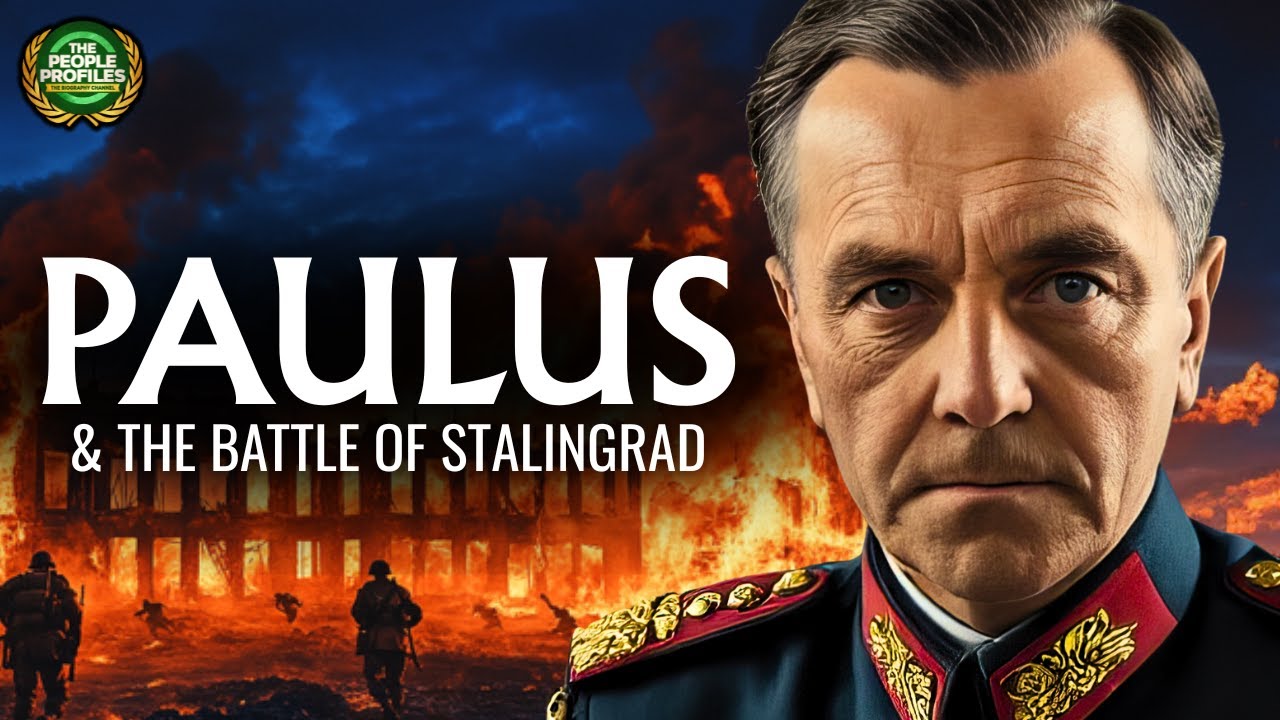
On January 31, 1943, Friedrich Paulus, commander of the German Sixth Army, surrenders in Stalingrad, marking a significant defeat for Nazi Germany.
The Red Army begins its offensive on Berlin as the Allies liberate concentration camps in April 1945.
The Teutoburg Forest covers an area of some 100 kilometres and is home to diverse wildlife, including wild boars and reindeer.
Ion Antonescu, Romania's wartime dictator, allies with Nazi Germany during World War II.
In August 2014, thousands of Iraqi Kurds, mostly Yazidis, fled to Syria to escape a genocide carried out by the Islamic State.
Jim Clark, a legendary driver, won his first championship in 1963 and died in 1968.
Albert Speer rises in the Nazi regime as Germany faces a critical stage in World War II.
Hitler promised to build 22,000 kilometers of motorways, but only 4,000 kilometers were completed before the war shifted priorities.
Heinrich Hoffmann began his association with Adolf Hitler in 1920 and became the only photographer allowed to capture the leader officially until 1945.
Vultures return to Europe after near extinction, facing ongoing threats in Germany, Spain, and France.
After the First World War, Hitler's power becomes absolute in Germany from 1933 to 1935.
Hundreds of thousands of Nazis gathered in Nuremberg in 1934 for a meticulously choreographed rally that combined spectacle with political messaging.
Natalia from Mariupol, Olena from Kyiv, and Andrey from Kyiv share their experiences of adapting to life in Germany, the UK, and Brazil after fleeing the war in Ukraine.
The Rhine empties 17,000 bathtubs of fresh water into the North Sea every second after traveling over 1,200 kilometers from its source in the Swiss Alps.
In East Germany, over 10,000 children were forcibly removed from their families under communist policies, with lasting impacts on their lives and identities.