From over 100,000 films, discover the handful you'll love.
Free or premium access to the world's largest documentary library.
146 films(Page 1 of 4)
Six reels of film capture Soviet citizens in Moscow, Kiev, and Odessa during the late 1920s, focusing on their daily activities without actors or intertitles.
Troy James Hurtubise tests his homemade grizzly-proof suit against Canada's grizzly bears, blending humor and bravery in a unique exploration of human ingenuity.
Five friends travel 1,200 miles along the United States-Mexico border to evaluate the ecological effects of a proposed border wall.
Ten cats in Weimar leave a complex web of tracks over five days, revealing their hidden activities and movements outside their homes.
A wooden ship measuring 30 feet long was discovered 22 feet beneath Ground Zero during construction of a parking garage in Manhattan.
Seals, Emperor penguins, and various seabirds thrive in Antarctica's extreme conditions, adapting to one of the harshest environments on Earth.
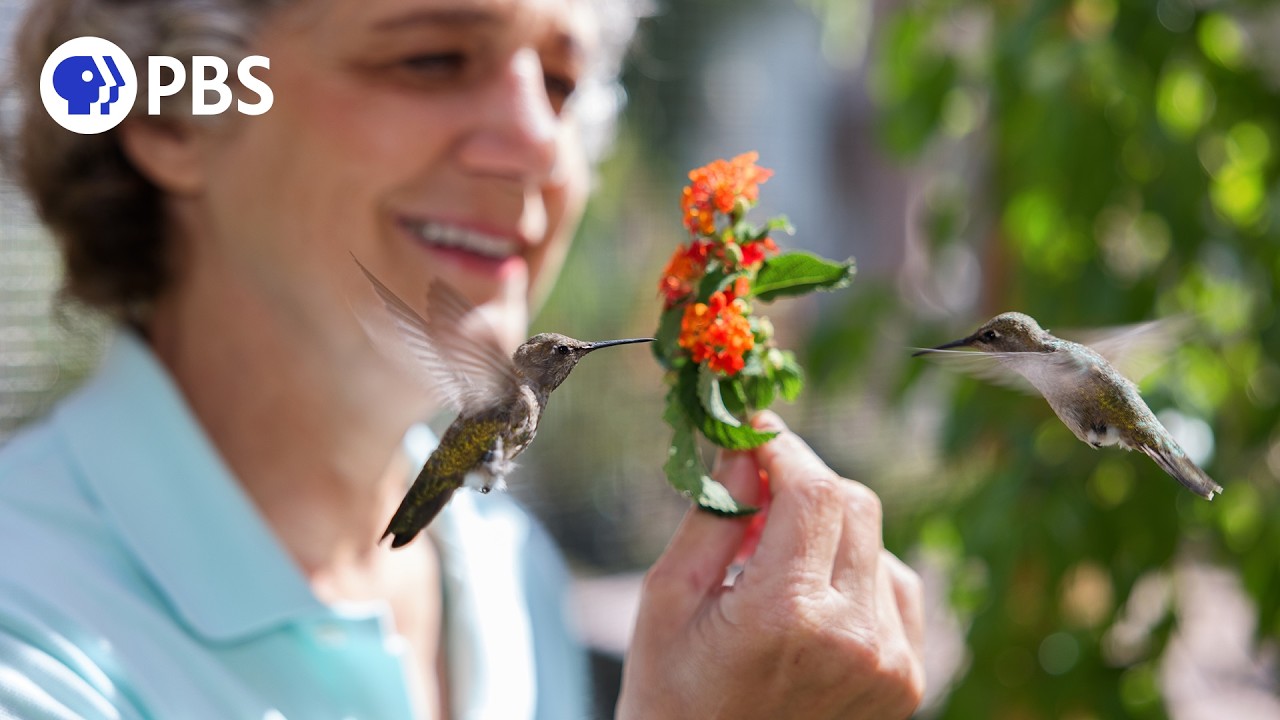
In Hollywood, a woman cares for injured hummingbirds, highlighting themes of compassion and the fragile beauty of nature amidst urban life.
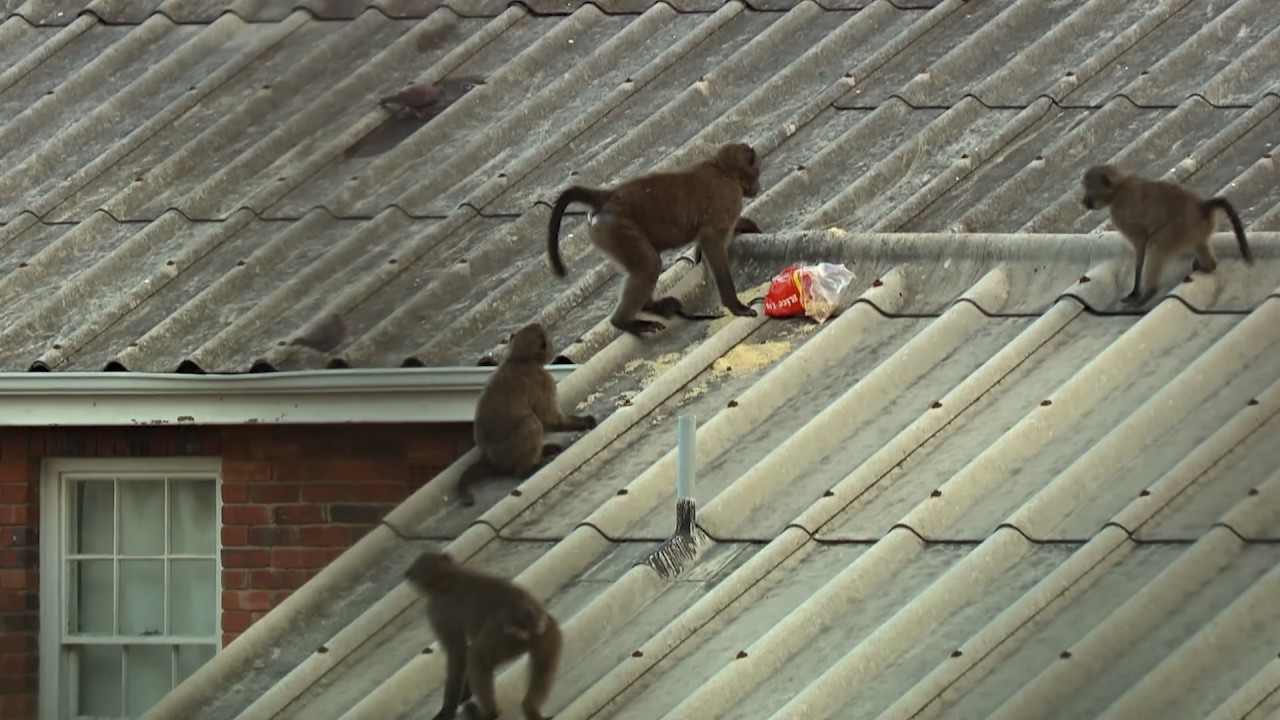
Thirty baboons from the Smits Gang live in a cave on Table Mountain, where they frequently clash with local residents over food and territory.
2,000 rivers and streams flow into the Wupper, creating a diverse ecosystem that supports wildlife such as wolves, wild boars, and red deer.
A lone wolf in the highlands of Africa struggles to survive after losing her pack and faces threats from cattle breeders and rival wolves.
Makoko, Nigeria's largest slum, showcases stories from its unique stilted community.
Coral spawning on the Great Barrier Reef occurs in a synchronized event, where millions of coral polyps release eggs and sperm into the water.
A model project launched in Vancouver in 2010 aims to understand the behavior and population of rats in urban environments, challenging long-held beliefs about them.
Hana Stitfall searches for wild hamsters in Vienna's Central Cemetery, a green space of over 500 acres, where urban wildlife thrives alongside humans.
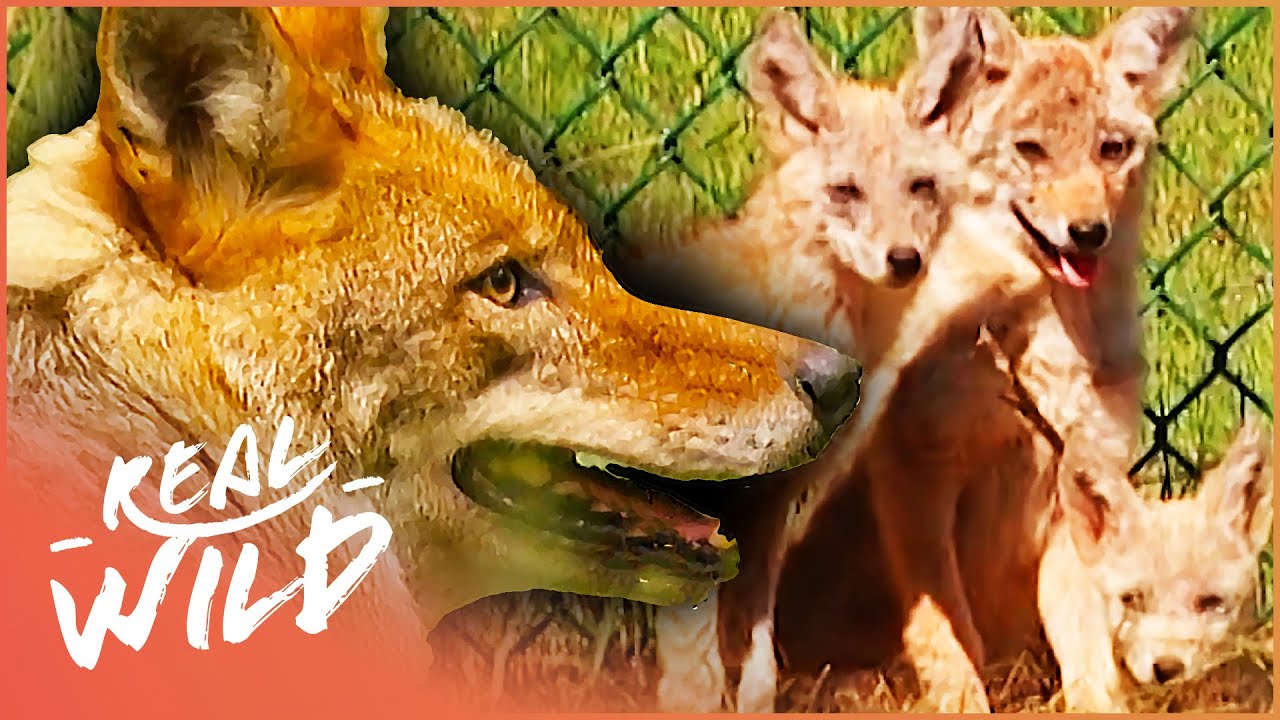
Coyotes have thrived across North America, adapting to various environments and establishing themselves as top predators while other species faced extinction.
Pigeons now account for up to 40% of the catfish's diet in the River Tarn, illustrating new predator-prey dynamics in urban environments.
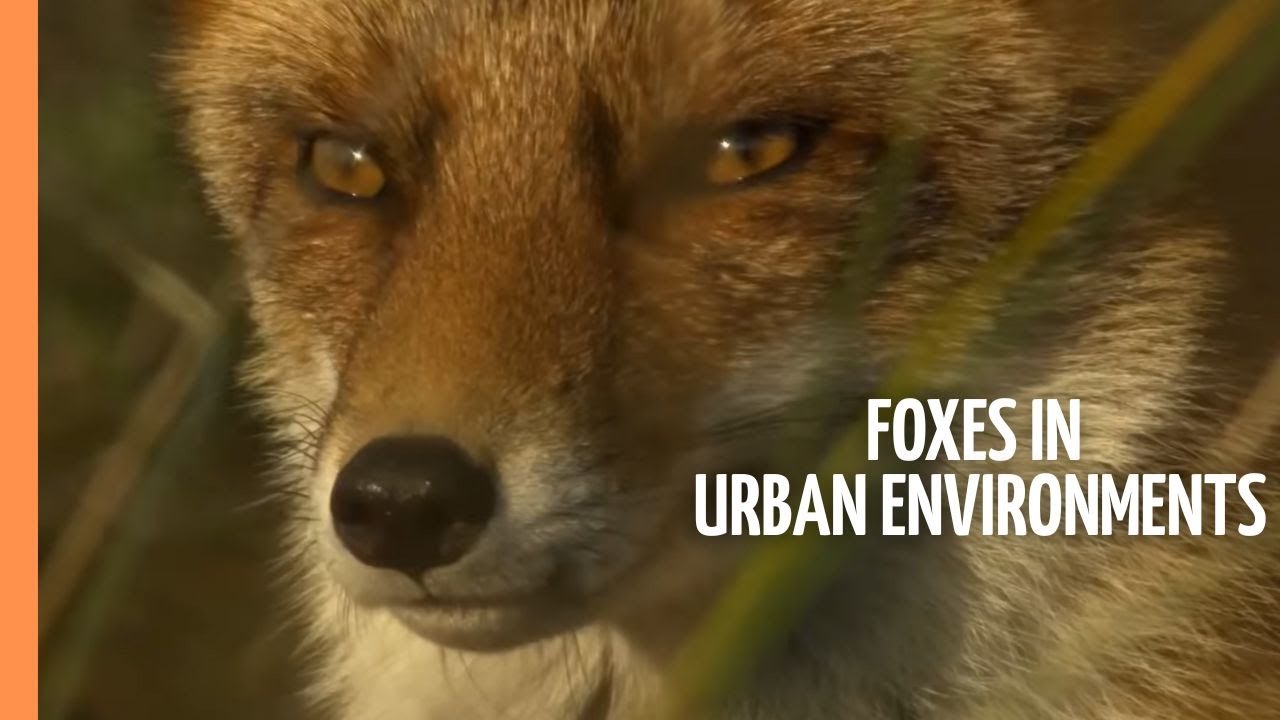
Roughly 8 million rats and an equal number of mice inhabit Berlin, providing urban foxes with ample food sources in the city.
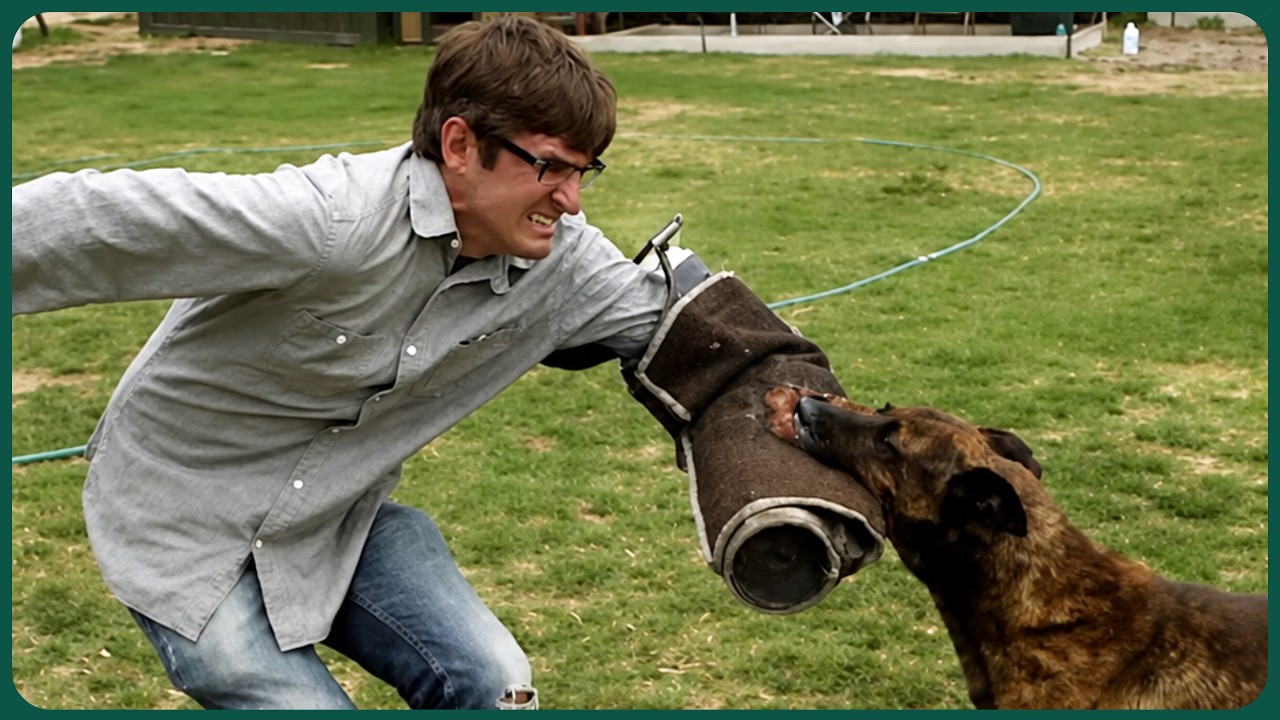
In Los Angeles, a vibrant community of dog owners and enthusiasts navigates the complexities of the city's unique and often perilous canine culture.
Three generations of elephants visit a hotel each year during mango season, curiously checking in and out while playing and exploring the grounds.
Refreshment kiosks in the Ruhr region of North Rhine-Westphalia, once numbering 20,000, now face decline, with only 2,000 remaining operational today.
More than eight million people live in New York City, a metropolis transformed by innovations in mass transit from the 19th century to the present.
A million passengers travel through Kolkata's Howrah Junction daily, making it the busiest train station in India.
Eight million people live in New York City, where thousands of species have adapted to urban life, often unnoticed amid the bustling metropolis.
Fire salamanders have thrived in the urban environment of Oviedo, Spain, since the 8th century, despite the absence of permanent water bodies essential for amphibian reproduction.
Danielle Lee studies how field mice thrive in urban parks, revealing that many wildlife species live unnoticed in neglected spaces.
Abandoned Six Flags New Orleans and Nicosia International Airport in Cyprus serve as the backdrop for urban explorers Josh and Cody's global adventure.
Roughly 8 million rats inhabit Berlin, creating a virtual paradise for urban foxes that adapt to city life and thrive in the government district.
Two immense waterfalls plunge 20 stories down into a roiling pool of water 200 feet deep, marking the border between the United States and Canada.
In Germany's Ruhr Area, abandoned industrial sites have become thriving habitats for wildlife, showcasing the region's remarkable ecological recovery.
Two urban explorers visit an abandoned film set in the Sahara Desert, once used for the series Game of Thrones, and rate its thrill a five.
3,000 wild species live in Paris, adapting to urban life as they seek food and shelter among the city's parks and streets.
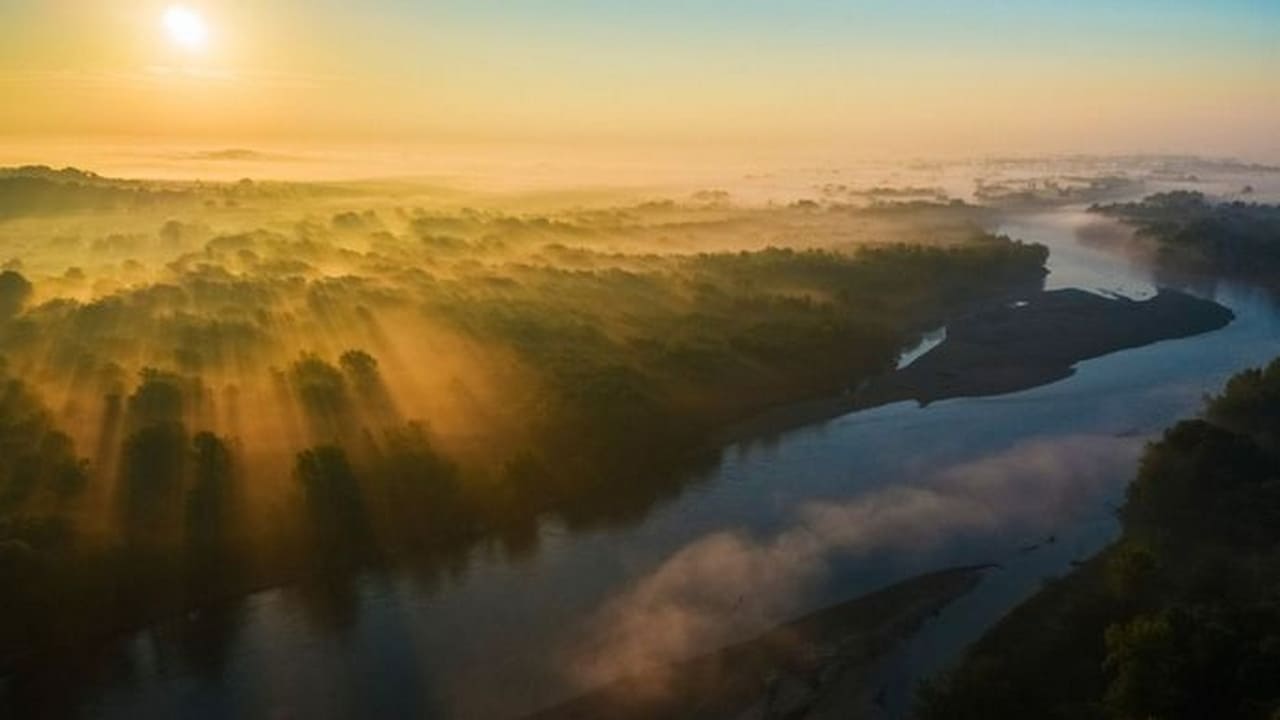
Croatia's rivers support diverse wildlife and maintain ecological stability across Europe, featuring cascading waterfalls and warm limestone springs in the Karlovac region.
Lamma Island offers a tranquil escape from Hong Kong's densely populated urban life.
Over 200 species of animals live in Berlin, including beavers that eat up to a kilo of greens every day while adapting to urban life.
Berlin's wild inhabitants include millions of animals, such as raccoons, foxes, and bats, thriving alongside the city's human population.
Three members of the Smits Baboon Gang, including the clever Jimmy and Long-Fingered Fred, engage in urban thefts across South Africa.
Malmö's offshore wind farm provides electricity for half the city, marking a significant step in its transition to sustainable urban living.
Two million people share their city with 58 mammal and 160 bird species, including swans cared for by a dedicated swan department of 120 birds.
In eastern China, a dense population of seven hundred million people coexists with diverse wildlife, including rare white dolphins and unique bird-filled wetlands.
Innovative helicopter airdrops deliver food to isolated rock wallabies affected by Australia's Black Summer bushfires in 2019-2020.
Finches on the Galapagos Islands are developing back into one species as urban falcons adapt to night hunting.
Central Park attracts nearly 42 million visitors each year, serving as a vital green space for New Yorkers amidst the urban environment.
Studies show that individuals who sleep only 5-6 hours for weeks can experience effects comparable to a blood alcohol level of 1.0 per mill.
In southern Florida, Ryan Bolton and Kristen Martyn investigate the invasions of Burmese Pythons and Nile Monitor Lizards, while Adam Henkel explores urban monkey populations in India.
A 600-kilogram manatee named Hamilton is documented over three years, revealing new insights into Florida's aquatic ecosystems and wildlife.
Chiru antelopes migrate hundreds of miles to give birth, evading predators in one of the world's most extreme habitats.
Around 130,000 Tibetans have fled China, facing dangerous journeys to preserve their culture and spirituality in neighboring countries like Nepal and India.
Insects and arachnids showcase extraordinary adaptations like fire-resistant skin and acid-spitting abilities, while urban wildlife such as rats and raccoons thrive on human food waste.