From over 100,000 films, discover the handful you'll love.
Free or premium access to the world's largest documentary library.
213 films(Page 2 of 5)
Mr. Newland and American forces patrol areas previously held by Isis in Syria.
21 individuals are currently detained in Malaysia under the Internal Security Act, which allows imprisonment without trial for political dissent.
Chad Wolfe leads federal efforts to control protests in Portland and Chicago amid local opposition.
Moscow's surveillance network uses facial recognition to monitor citizens during COVID-19.
Lee Sang leads Daily NK, risking lives to report news from North Korea in Seoul's Mapo district.
Pegasus, a spyware developed by NSO Group, enables governments to access personal data on devices, raising significant concerns about privacy and democracy.
Hunter Boone monitors NYPD communications during nationwide protests that began after George Floyd's death.
Vladimir Putin's rise to power over two decades is examined, highlighting the implications of his autocratic rule on global politics and the new Cold War.
Eight whistleblowers have been prosecuted under an administration that journalists at The New York Times say has created a climate of fear and intimidation.
Survivors recount mass rape and violence against Rohingya Muslims in Myanmar's Killing Fields.
In China, surveillance techniques use facial recognition to monitor citizens' actions and scores.
Swiss-made weapons are found in Afghanistan, raising concerns about neutrality.
The number of people monitored pre-conviction in Los Angeles increased from 24 in 2015 to 1,284 in 2021, reflecting a growing trend in electronic surveillance.
Cyber Partisans in Belarus resist Alexander Lukashenko and support Ukraine against Putin.
100,000 people have fled Bhutan due to a campaign of ethnic persecution, with many now living in refugee camps in eastern Nepal.
Nineteen victims were gunned down during a shooting in Arizona, prompting a national debate over gun control and the influence of the NRA.
China detains over a million Uighur Muslims, with journalists reporting from Washington, D.C.
In West Timor, a refugee camp houses individuals evacuated by pro-Indonesian militias following the violent aftermath of East Timor's 1999 independence referendum.
Cheshire Police utilize advanced ANPR technology to identify uninsured and disqualified drivers, leading to roadside confrontations and various legal violations.
A network of 100 translators assists Boyan Malashev in monitoring Russian military communications using software-defined radios during the war in Ukraine.
Thousands of innocent people are murdered in Thailand's Silent Killings during the drug war.
Tonight's FRONTLINE examines the release of detainees from Guantanamo Bay before President Trump took office.
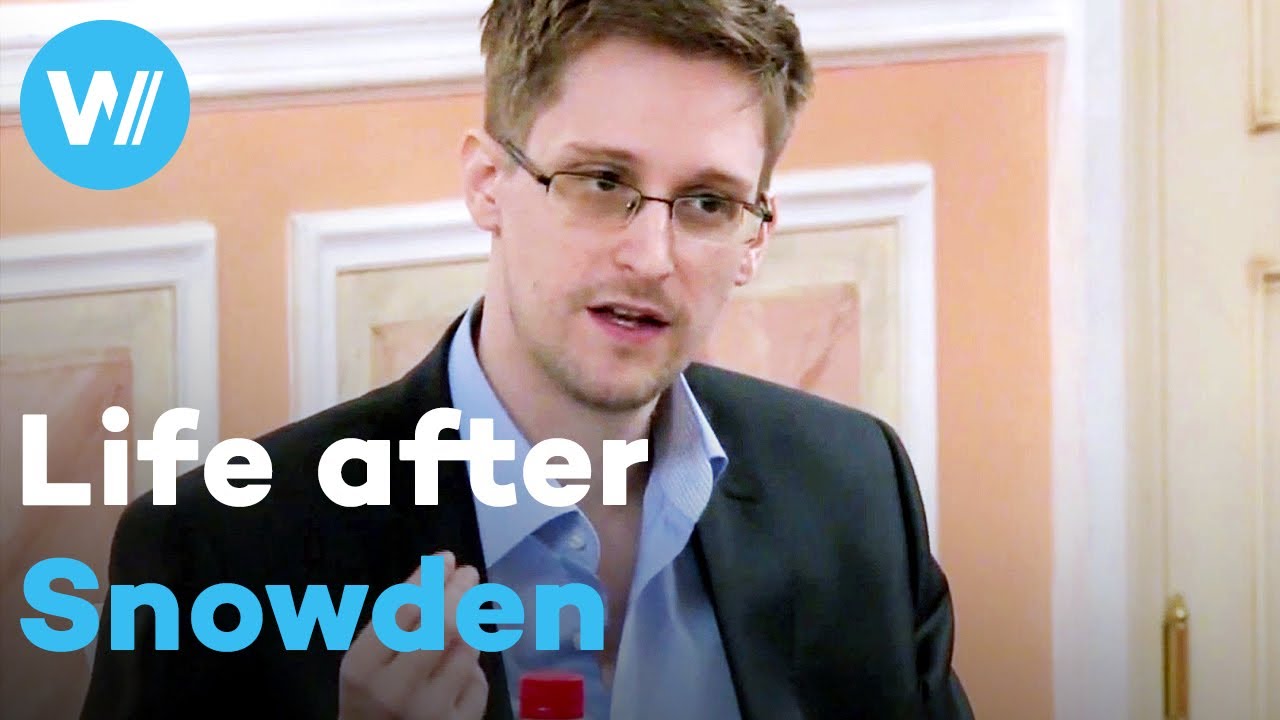
Edward Snowden's revelations about NSA surveillance highlight the critical role of whistleblowers, journalists, and activists in defending democracy against state overreach.
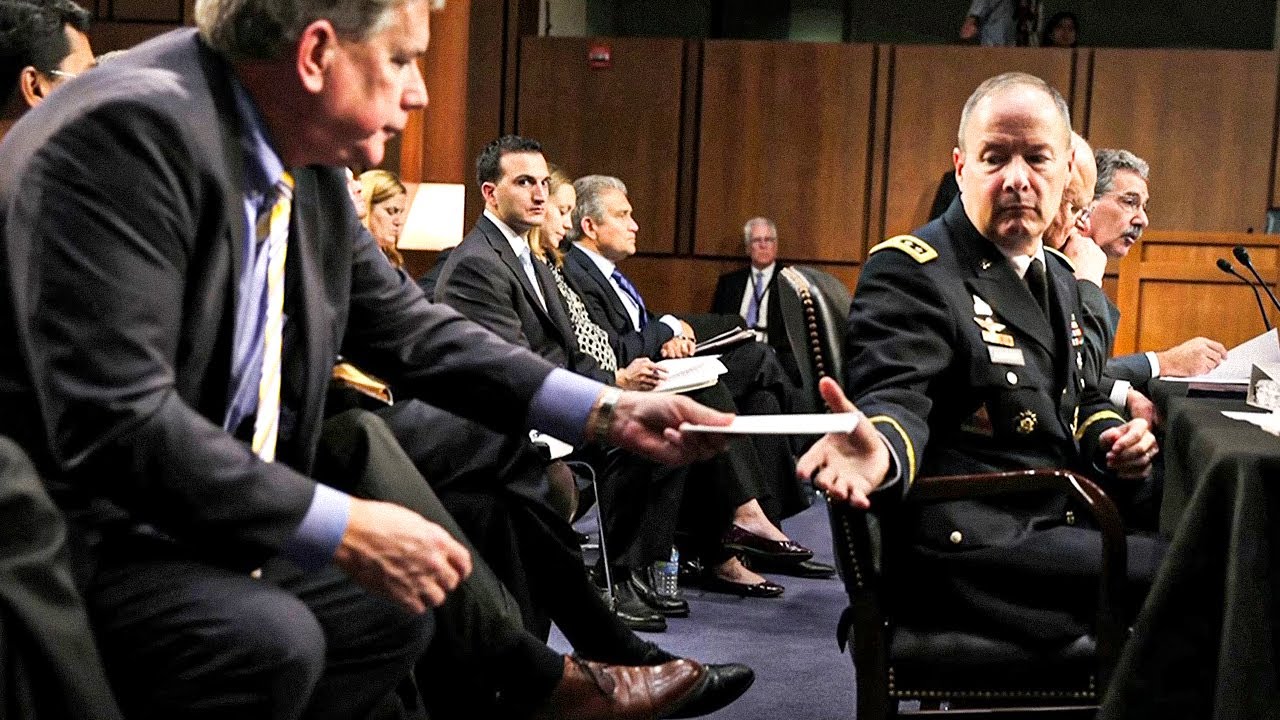
At the National Security Agency in Fort Meade, Maryland, insider threats have led to the monitoring of up to 4,000 employees suspected of untrustworthiness.
David Coleman Headley, an American citizen, played a pivotal role in planning the 2008 Mumbai attacks, exposing the limitations of electronic surveillance by intelligence agencies.
Pornhub, one of the largest adult websites, faces scrutiny over its unknown ownership and allegations of hosting abusive content, as investigated by Alexi Mostrous and Xavier Greenwood.
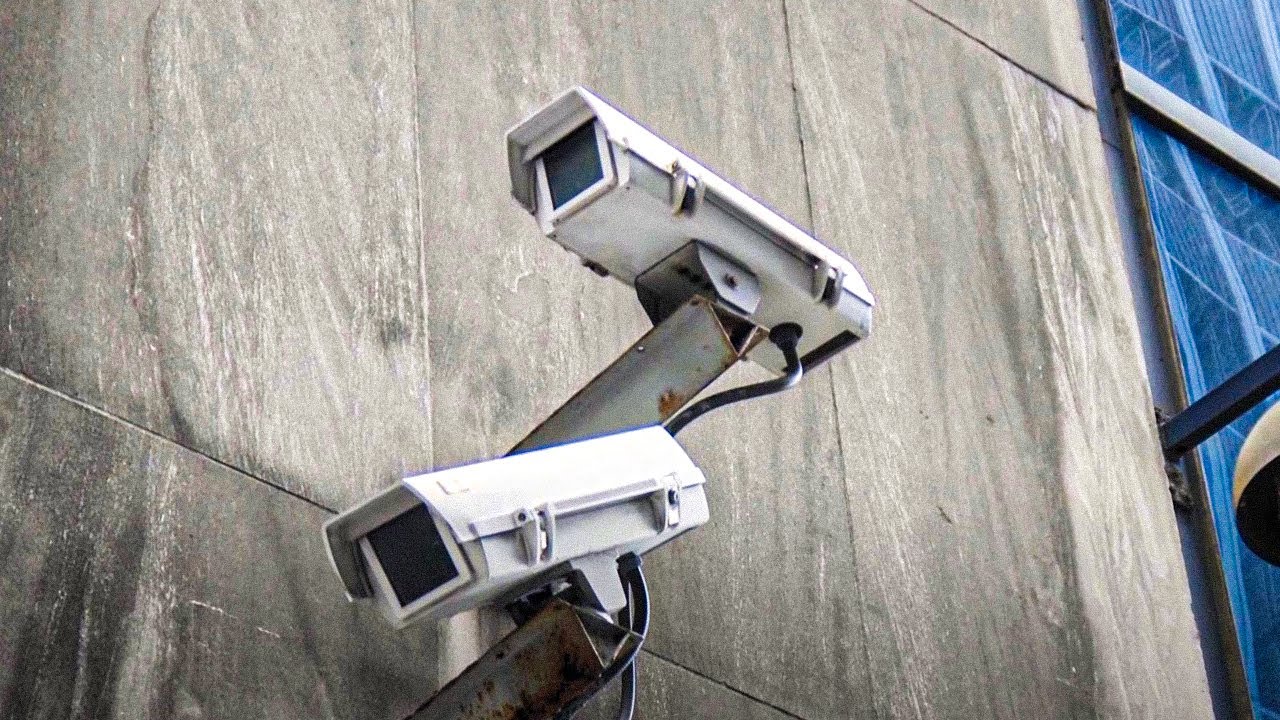
More than 15,000 surveillance cameras are now positioned on street corners across the United States, raising concerns about privacy and civil liberties.
Iran sent money, weapons, and military advisers from the IRGC to support Bashar al-Assad's regime in Syria as protests escalated in 2011.
Surveillance practices by the Russian government, CIA leaks, and Edward Snowden's revelations highlight the challenges of maintaining digital privacy in today's technology-driven world.
In South Korea's most surveilled city, the episode explores the challenges of escaping a car precariously hanging 20 meters above the ground.
An MQ-9 Reaper drone can stay in the air for up to 16 hours, performing intelligence, surveillance, and reconnaissance missions.
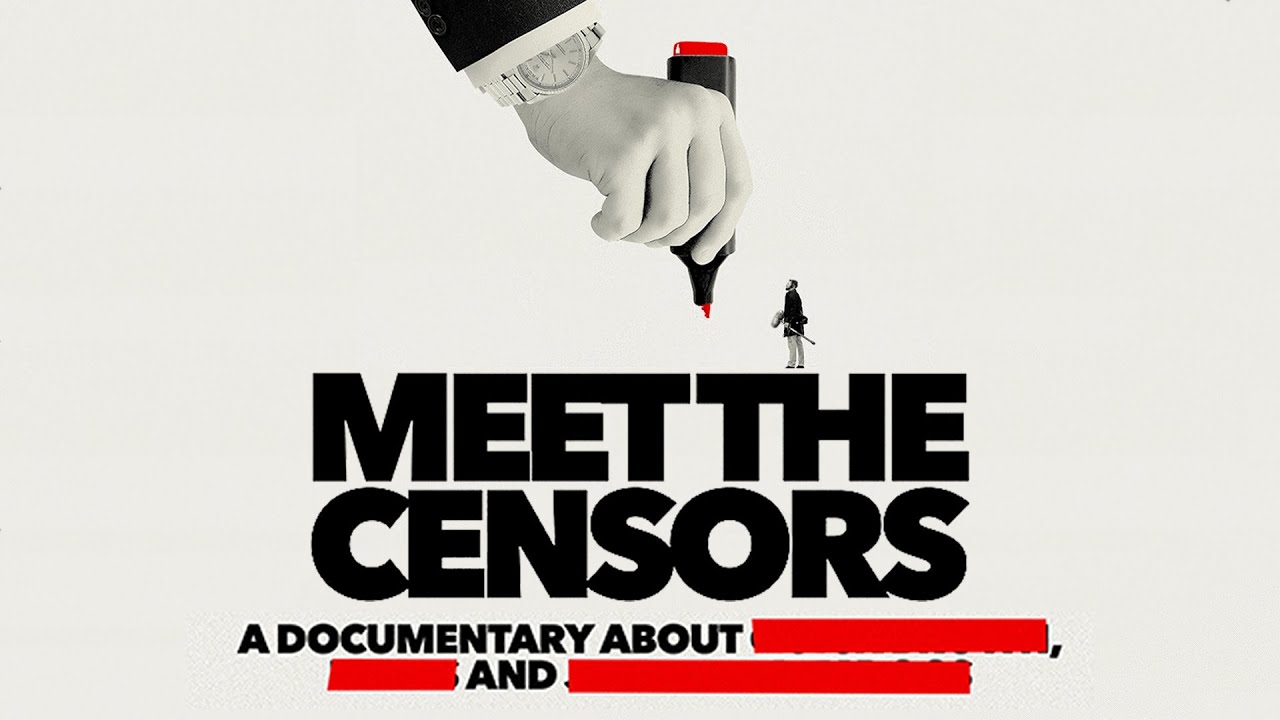
Norwegian filmmaker Håvard Fossum reveals global censorship's impact on narratives.
China's internet industry is projected to grow by 20 percent annually over the next decade, raising concerns about government control and regulation.
China leads in facial recognition technology, targeting the Muslim Uyghur population with surveillance.
A large-scale nuclear attack on the United States could produce a patchwork pattern of fallout covering two-thirds of the nation.
A large-scale strategic cyber attack could disable critical infrastructure, leading to blackouts and halted transport networks in major cities.
Snowden's leaks reveal the NSA's elite hacking unit, Tailored Access Operations, in December 2013.
A South Korean city tackles government surveillance issues and privacy concerns effectively.
The CIA sends coded messages to Hanoi Hilton prisoners using powdered-drink packages in 1971.
A 2014 study revealed that Facebook could alter users' moods and posting behavior by manipulating their feeds without consent.
A clever trick transforms any space into a Scooby Doo-style mystery without the need for wall construction.
The Manned Orbiting Laboratory captures high-resolution images of Soviet targets from space.
The video highlights concerns about surveillance technology and privacy issues.
The Boeing EA-18G Growler redefines warfare with its electronic capabilities and support role.
The United States enforces a no-fly zone over Libya using the Boeing Growler in March 2011.
The CIA's Gambit satellite system transforms aerial reconnaissance of Soviet military targets in 1963.
The FBI's Special Agents reveal their secret tactics and operations in America.