From over 100,000 films, discover the handful you'll love.
Free or premium access to the world's largest documentary library.
3266 films(Page 68 of 69)
Zimbabwe's election campaign reveals deep divisions and hopes for change in Matabeleland.
The night train from Harare to Bulawayo illustrates the decline of Zimbabwe's economy, highlighting the challenges faced by vendors like Wisdom amid political change.
Zimbabwe's economy collapses as Emerson Manager Gua seeks help from Mutulu and faces food shortages.
South African envoys meet Robert Mugabe on Thursday to address Zimbabwe's military takeover.
Zimbabwe's bond note struggles as cash shortages and inflation complicate daily life.
Two opposing ideologies clash as Nick Gillespie and Bhaskar Sankara debate the future of the American economy in a comedy club setting.
Bert shares her story of racial identity in a mixed community in Ohio, emphasizing heritage.
Five experts discuss the challenges and realities of massive open online courses, which aim to provide free education to learners worldwide.
40 million people currently carry student debt in the United States, prompting a discussion on the challenges of college affordability with President Barack Obama.
Sheona Diwakar discusses period poverty and menstrual equity through Soaring Doves.
Paul Collier and Alex Andreou debate the impact of migration on developing countries.
In 2012, Art Wilson arrived in Lincoln, Nebraska, with $5 and everything he owned in a black plastic bag after years of homelessness and addiction.
Perry visited Sunderland, Tunbridge Wells, and the Cotswolds to examine the cultural associations tied to different social classes.
Hage Geingob speaks to the Confederation of British Industry during a 1992 diplomatic visit.
Jamaica Kincaid expresses her inability to watch the video of George Floyd's death, feeling a deep connection to his last words as if she could be his mother.
Professor Jeffrey Sachs withdrew his candidacy for World Bank president after President Obama nominated Jim Kim, a leader in public health.
Joseph Stiglitz discusses President Donald Trump's impact on American society and politics.
Juneteenth marks the 156th anniversary of the arrival of Union troops in Galveston, Texas, to ensure the freedom of enslaved people on June 19, 1865.
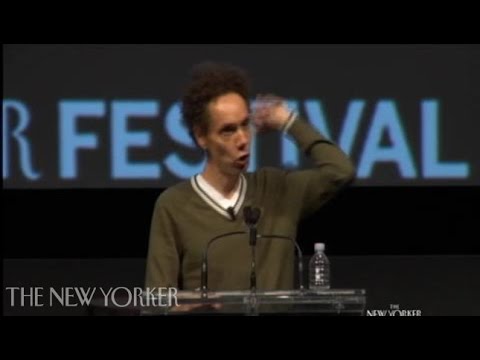
Malcolm Gladwell discusses the 91% top rate income tax during the candy johnson era.
Dima Khatib shares her experiences of double exile as a Syrian and Palestinian, reflecting on the challenges of her communities amid the Syrian conflict and Palestinian plight.
Quentin and Eve discuss seeking salvation from within through music and community support.
Simon and Jake discuss the dark side of Japan's schoolgirl culture in their documentary.
Angela Rayner became a mother at 16 and left school without qualifications, but she later returned to education and earned a qualification in care.
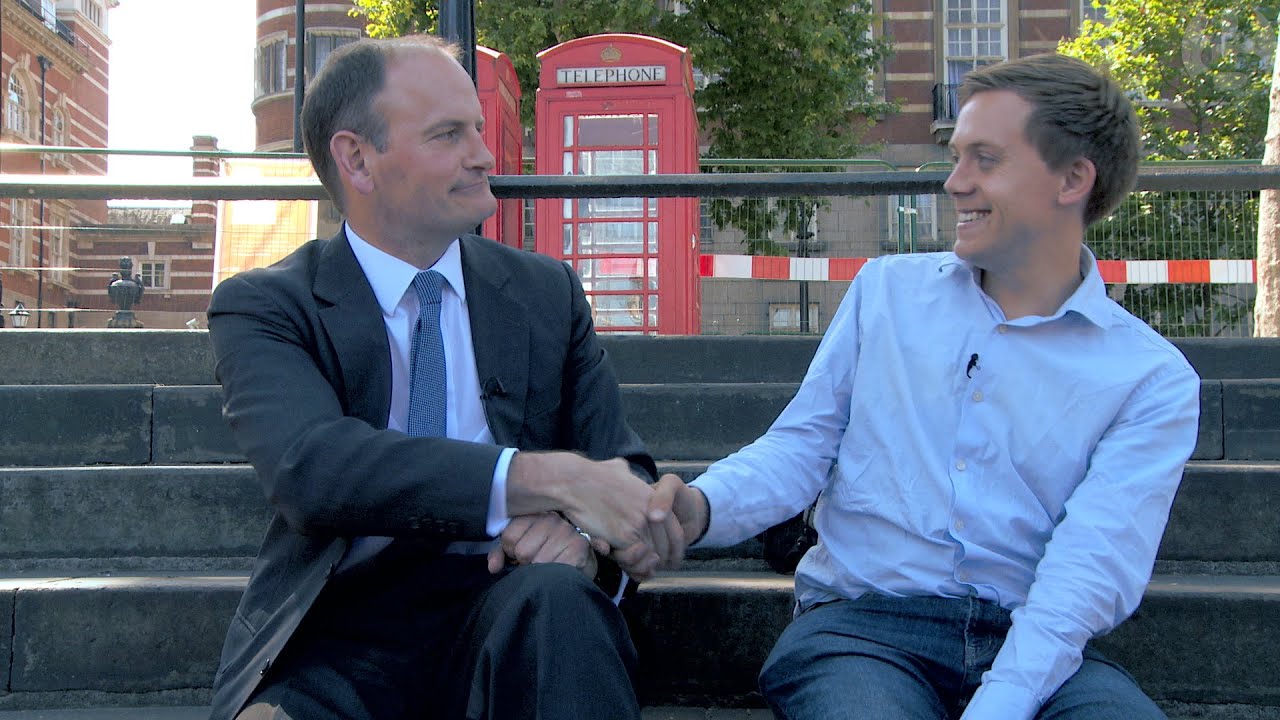
Douglas Carswell, the sole MP from UKIP, discusses his views on the NHS and competition in healthcare during an interview with Owen Jones.
Britain faces its biggest crisis since 1945, according to Ed Miliband, who discusses the political turmoil surrounding Brexit and Trumpism.
130,000 preventable deaths in the UK are linked to austerity policies, according to comedian and disability rights campaigner Francesca Martinez.
Owen Jones interviews economist Ha-Joon Chang at Cambridge University about austerity in Britain.
Owen Jones and Josie Long discuss societal injustices and the need for community support.
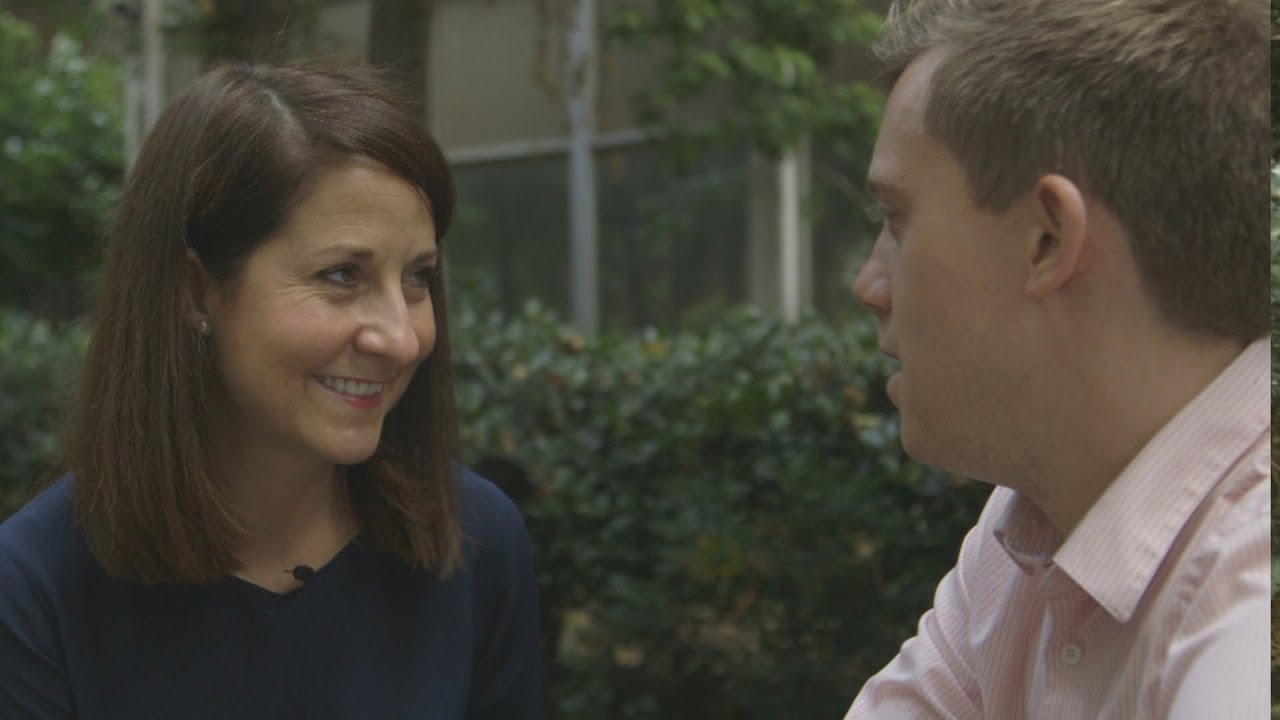
Labour lost 48 seats to the Scottish National Party, prompting Liz Kendall to discuss her candidacy and critique Jeremy Corbyn's policies in Westminster.
More chairs of the Public Accounts Committee have been murdered than prime ministers, according to Margaret Hodge in her discussion on tax avoidance.
Under 80% of leading newspaper editors in Britain come from private schools, a statistic that Michael Sheen discusses in relation to acting and privilege.
Two giant leaders threaten nuclear war while the Republican Party exploits distractions to dismantle environmental protections and financial regulations.
Rebecca Long-Bailey discusses Labour's vision and the collapse of neoliberalism with Owen Jones.
Austerity measures have contributed to a rise in knife crime in London, according to Sean Bailey, the Tory candidate for Mayor.
Yanis Varoufakis resigned as Greece's finance minister after the government accepted austerity measures imposed by the European Union.
Sei persone originarie del sud Italia discutono migrazione e ritorno alle origini.
March and April saw the highest unemployment rates since the Great Depression, prompting a discussion on power and societal change with guests Alexandria Ocasio Cortes and Seth MacFarlane.
Every single person outside in the Bronx and Queens wears a mask as they navigate long lines for groceries during the COVID-19 pandemic.
Lewis Lapham takes Ivy-League graduates on a tour of power and moral choices.
New York City in the mid-1980s was marked by a surge in crime, with abandoned buildings and graffiti creating a dangerous atmosphere in neighborhoods like Harlem.
Rafael Chiuzi discusses psychological safety and team success in the workplace.
Bill McKibben reflects on his youth in Lexington, Massachusetts, exploring the decline of American patriotism, faith, and prosperity in his book, The Flag, The Cross, and The Station Wagon.
Michael Moynihan discusses immigration's impact on the U.S. economy with Adam Davidson.
Only 5% of hospitals in the US are considered safety net hospitals, yet they provide 28% of all charity or free care in the country.
Erin Christian shares her experiences of living in East London and rising costs.
90% of taxes owed were collected by the US government in 2010, compared to just 53% in Greece, prompting a discussion on tax fairness and public opinion.
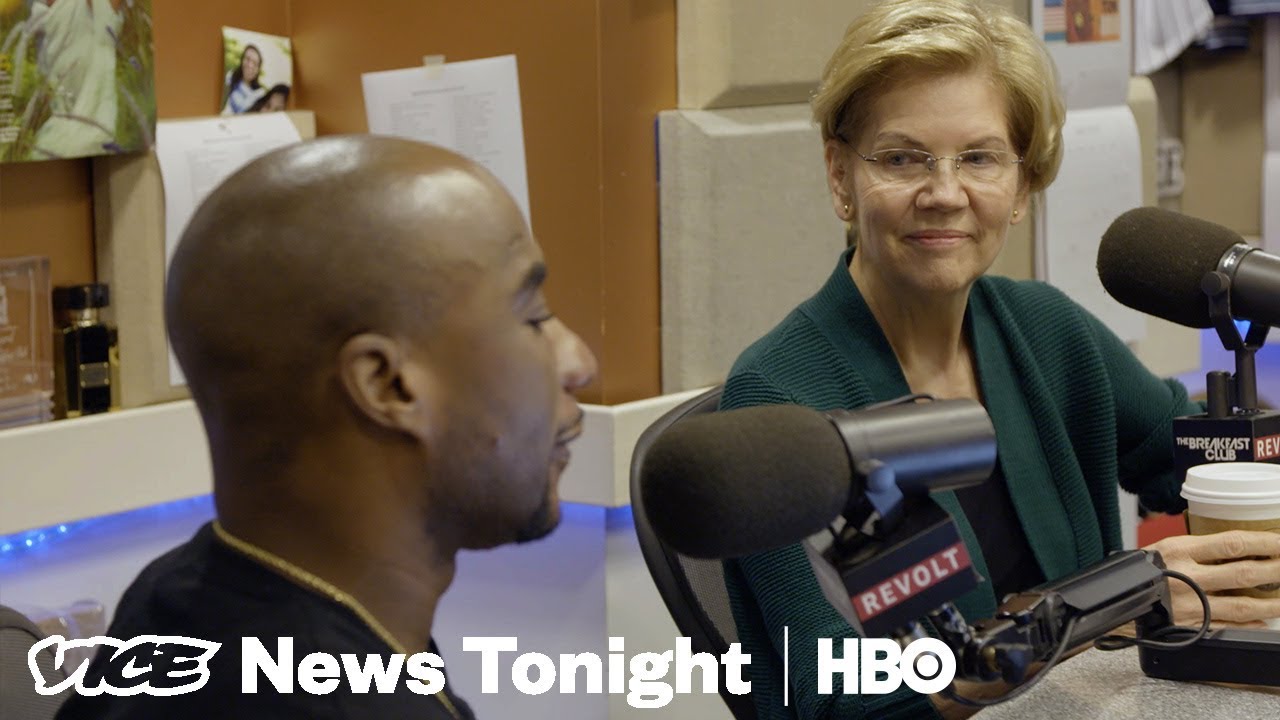
2020 presidential candidate Elizabeth Warren discusses the need for change in the country during her appearance on The Breakfast Club.
Iman experienced years of starvation and purging, leading to physical and emotional turmoil as she struggled with her eating disorder.