From over 100,000 films, discover the handful you'll love.
Free or premium access to the world's largest documentary library.
409 films(Page 7 of 9)
Seven objects, including glass bottles and a can of beans, are tested against lava and lasers to determine which is more destructive.
In the constellation Sagittarius, NASA's Spitzer Space Telescope reveals a dragon-shaped cloud of dust where baby stars are rapidly forming alongside the Omega Nebula.
The Hubble Space Telescope tracks impressive magnetic energy from a distant galaxy.
A sample of pool water can contain measurable levels of artificial sweeteners, indicating the presence of urine contamination.
Visual scientist Prof. Arthur Shapiro explores how optical illusions challenge the brain's perception of reality and the reliability of the senses.
An innovative experiment featured on History's original programming reveals unexpected results that challenge conventional perceptions of scientific inquiry.
Miguel Alcubierre's theoretical warp drive concept, inspired by Star Trek, is examined for its potential to create faster-than-light travel through real-world physics.
Captain Chris Hearn utilizes a cutting-edge ship simulator to recreate the Titanic disaster, analyzing the critical decisions made by the crew before the sinking.
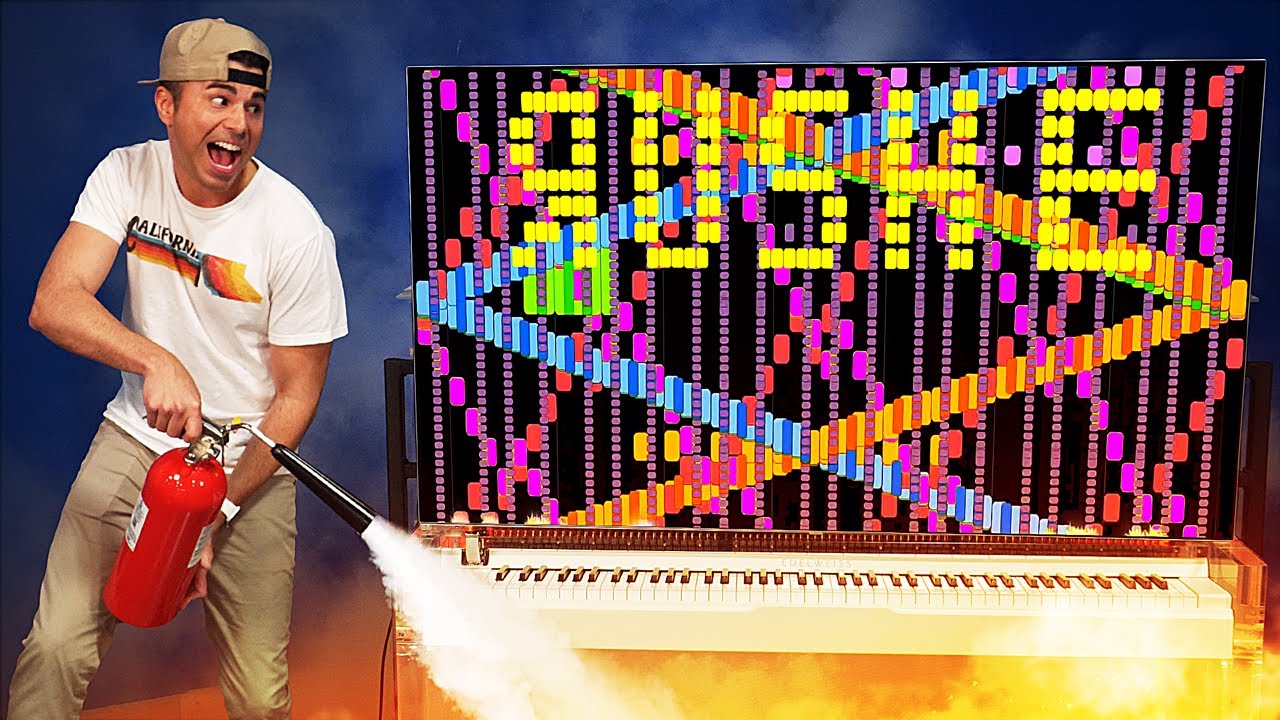
A modified piano attempts to play the world's most complicated song, 'Rush E,' while fire extinguishers stand by in case of an emergency.
NASA's Cassini observes Saturn's rings and the influence of moon Prometheus on icy particles.
Astronauts aboard the International Space Station face unique challenges in measuring their weight due to the principles of inertia and Newton's first law in a weightless environment.
Surface tension is explored through demonstrations that show how to waterproof hands and discuss the challenges of weightlessness faced by astronauts.
New research reveals how faith may influence Joan of Arc's miraculous recovery from injury.
Eight episodes explore cosmic phenomena and significant mysteries of the Universe, offering insights into space and existence.
The Crab Nebula shows unexpected brightness variations, challenging its status as a standard candle.
Jumping onto a moving train raises significant safety concerns, as expert analysis and experiments reveal the physics of momentum and speed involved.
200 billion stars exist in our galaxy, with one in five potentially hosting Earth-like planets, according to astronomer Lisa Kaltenegger.
A 27 km long loop at CERN will accelerate protons to near the speed of light, aiming to recreate conditions from a trillionth of a second after the Big Bang.
Australian inventors create Cargo Scanner technology to combat terrorism threats at airports.
A player can expect to win a jackpot only once every 30 attempts on a rigged arcade game designed to appear skill-based.
Richard Pearse, a New Zealand farmer, builds a flying bicycle and pioneers aviation in 1903.
The Hubble Space Telescope reveals the Twin Jet Nebula's intricate shells and fast-moving gas jets extending from a central star system.
Advancements in biotechnology enable scientists to print human tissue and organs using 3D printing technology, reflecting concepts from Star Trek.
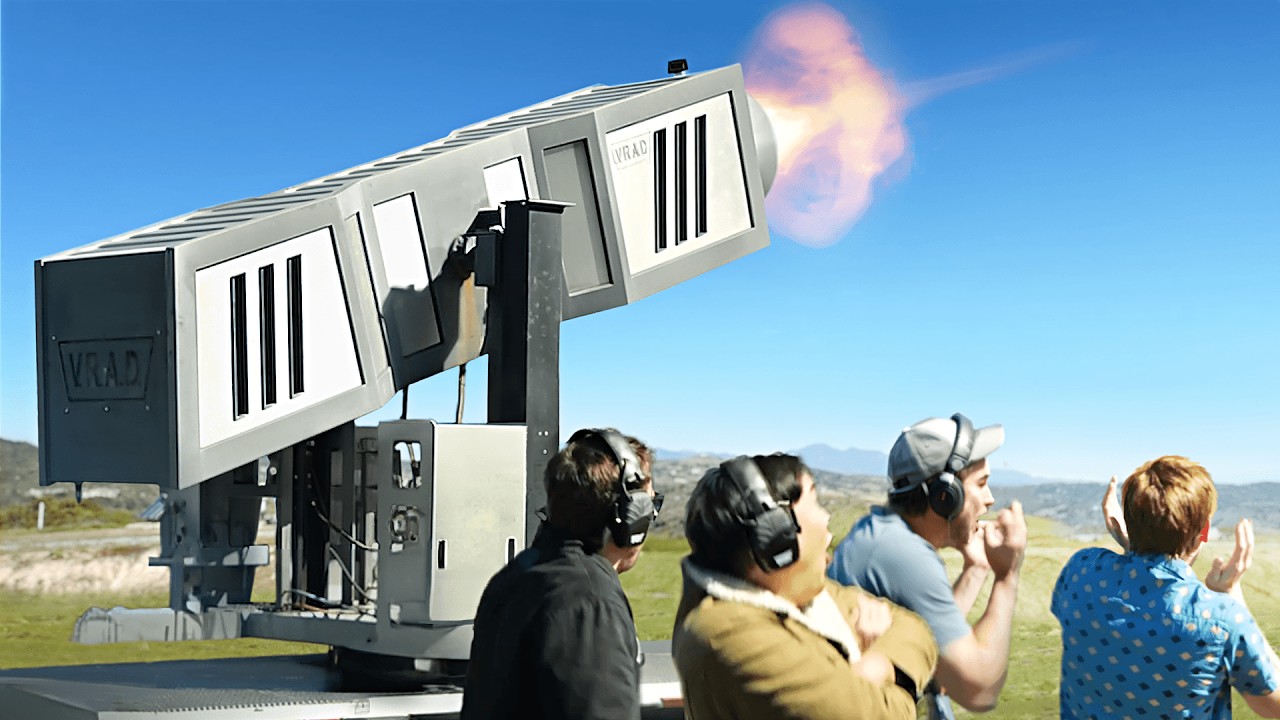
A drone weighing five times more than typical models is designed to destroy other drones in mid-air.
A scientist in Denmark studies the effects of prolonged standing, linking it to crucifixion.
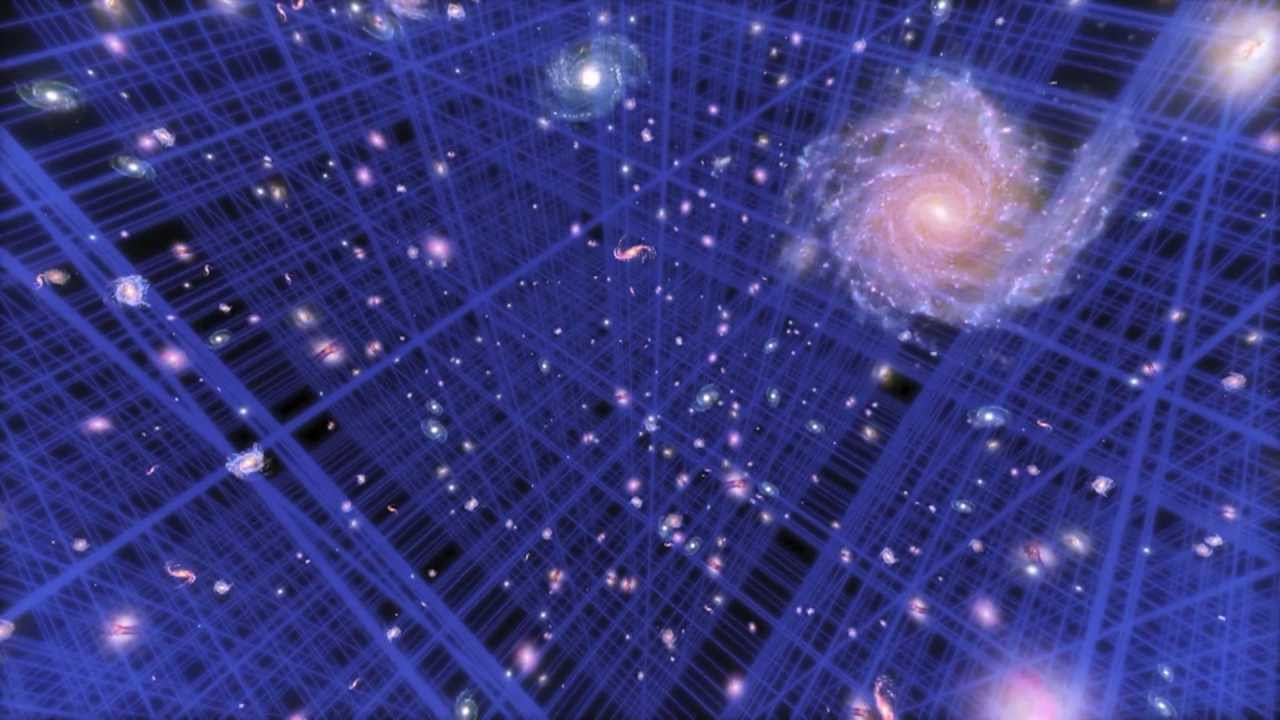
Dr. J. from EsoCast discusses the runaway universe discovery and its implications.
A team sets a new world record by creating a 48-foot tall Devil's Toothpaste explosion for a birthday party after eight months of planning.
A temperature of almost 200 degrees Fahrenheit is reached during the largest elephant toothpaste foam experiment conducted in 2019.
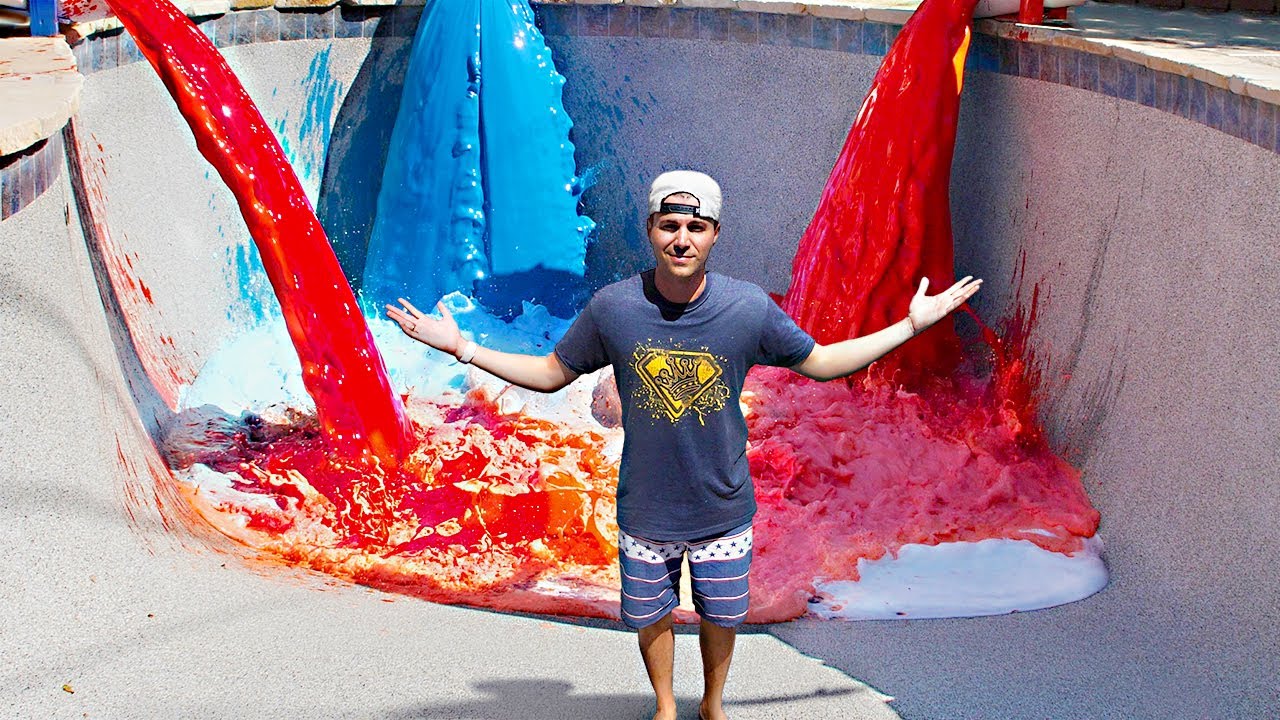
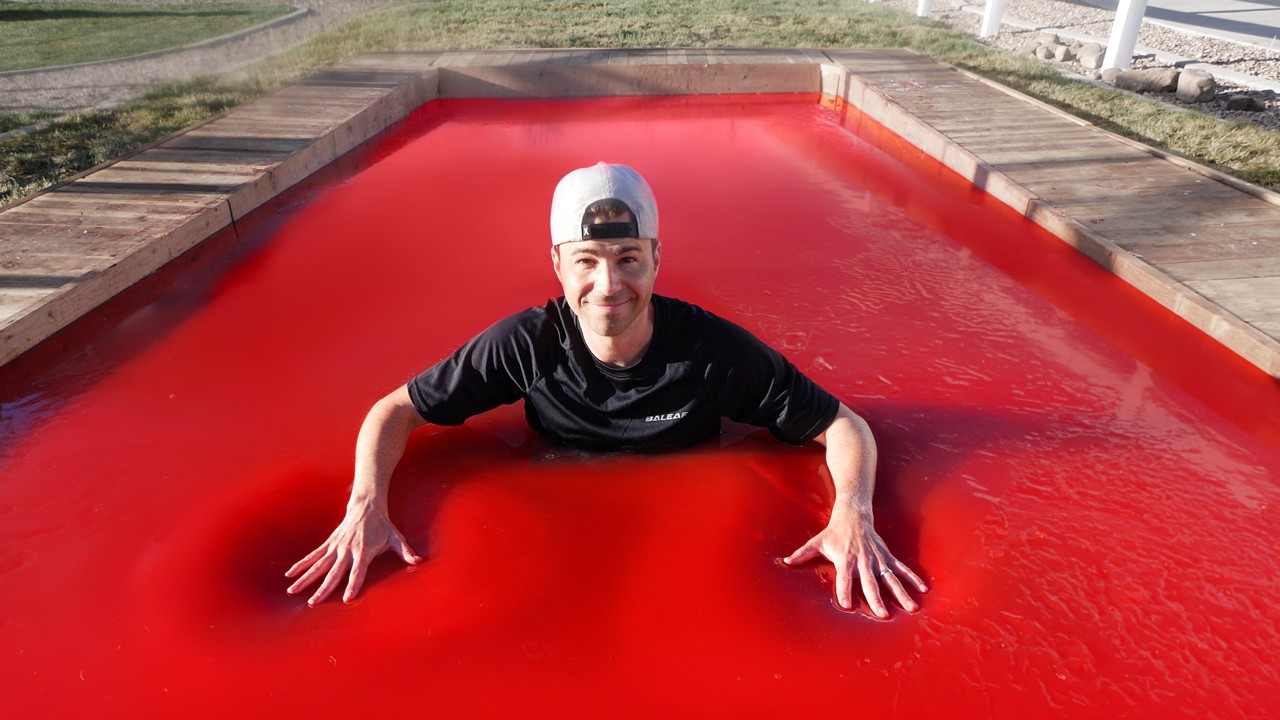
Ten barrels of Jello are poured into a backyard pool over seven days, culminating in a neighborhood barbecue filled with belly flops and a Slip 'n' Slide.
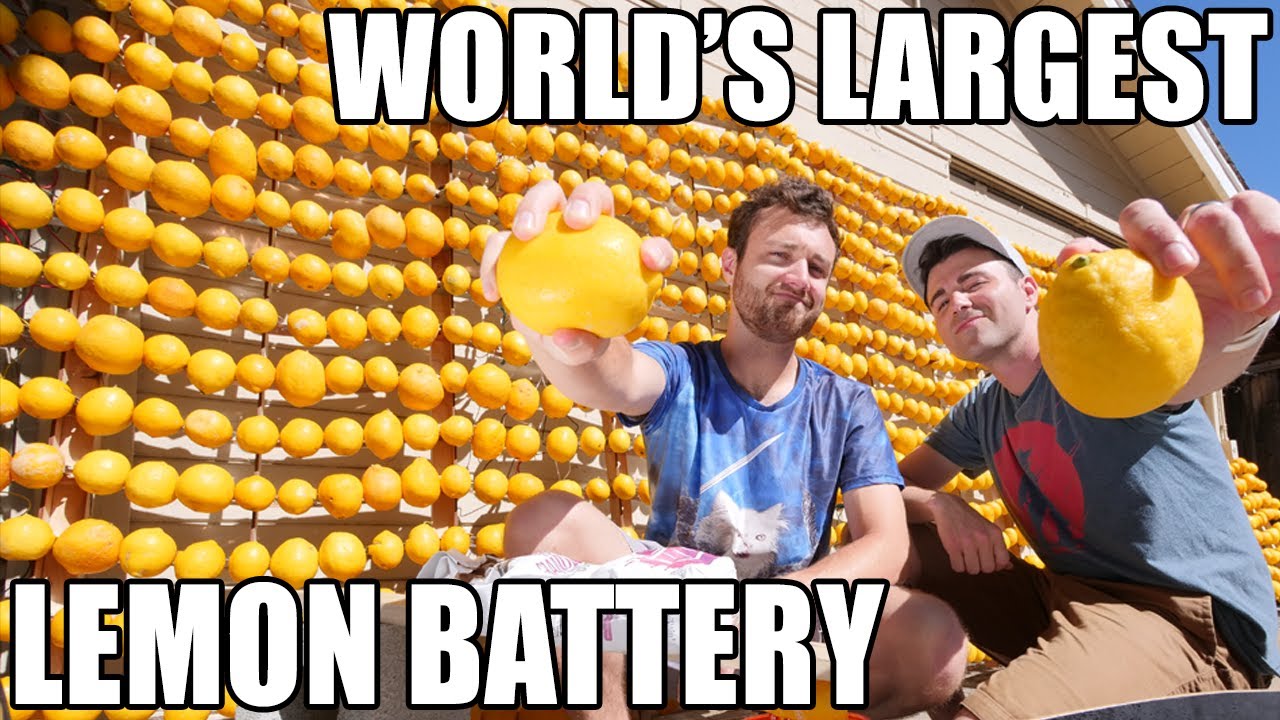
1,232 lemons are used to create the world's largest lemon battery to power a Volkswagen electric supercar for the Pikes Peak Race in Colorado.
Tyler showcases the capabilities of an exceptionally strong magnet, exploring its various applications and potential uses.
A 5-ton flask launches foam 60 feet into the air in a science experiment designed to create the world's tallest elephant toothpaste volcano.
Striking observations from Hubble Space Telescope show x-ray winds stripping a galaxy's entrails.
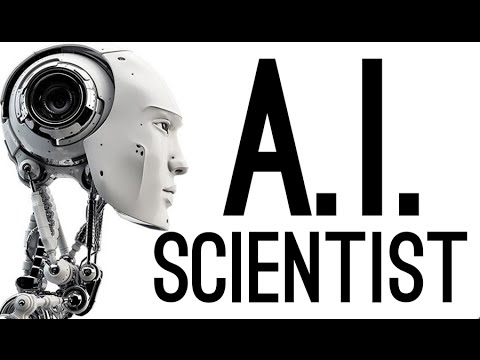
Artificial intelligence successfully learns the principles of the Nobel Prize-winning Bose-Einstein condensate experiment in just one hour, highlighting its potential in scientific research.
Edison held 1,100 patents during his lifetime, establishing the first research and development laboratory in America and transforming the invention process.
The video highlights Endeavour's final flight and Mark Kelly's retirement from NASA.
The amphitheater at Pozzuoli measures 149 meters long and 116 meters wide and could seat 20,000 spectators during gladiator games.
A cuttlefish participates in a modified version of the Stanford Marshmallow Test, challenging existing notions of intelligence and self-control in marine life.
Mythbusters tests various weapons purported to be effective in a Zombie Apocalypse scenario, evaluating their survival potential against the undead.
A physiologist conducts an outrageous experiment raising a chimp as a human child.
A grappling hook is tested from a distance of 30 feet to determine if Luke Skywalker and Princess Leia could realistically swing across a chasm.
Scientists prepare for the Day of the Asteroid and the risks of future impacts on Earth.
A supernova can release energy equivalent to the output of the sun over its entire lifetime in just a few seconds.
In 1803 Italy, Giovanni Aldini conducted a controversial experiment using an executed prisoner's body to demonstrate reanimation through electricity.
Seven times, participants in a dream manipulation experiment changed their preferences without being aware of the influence on their decisions.
The Mars Reconnaissance Orbiter can perceive features as small as a dinner plate, providing unprecedented detail of the planet's surface.
200,000 miles from Earth, Apollo 13's crew faced a catastrophic explosion that left them without power and guidance during their mission to the moon.
The video showcases supersonic testing of the fastest rocket sled, achieving Mach 2.5.