From over 100,000 films, discover the handful you'll love.
Free or premium access to the world's largest documentary library.
2617 films(Page 2 of 55)
Augustus, the first emperor of Rome, is examined through his rise to power and the pivotal events that defined his reign.
Aileen Wuornos, a notorious American serial killer, is analyzed through her traumatic life events and the factors that contributed to her violent behavior.
Andrew Wyeth, an iconic American painter, faced both immense popularity and critical scrutiny throughout his career, highlighting the complexities of his artistic legacy.
On August 8, 1588, Queen Elizabeth I delivered a speech to her troops at Tilbury, declaring her resolve against the Spanish Armada.
On February 8, 1587, Mary, Queen of Scots, uttered her final words before her execution at Fotheringhay Castle in Northamptonshire, England.
Derek Percy, an Australian serial killer, is responsible for several notorious child murders that profoundly impacted Australian society.
In September 1926, a hail of gunfire outside the Hawthorne Inn in Cicero, Illinois, targeted Al Capone, who escaped unscathed from 1,000 shots.
Thousands of black musicians fled the Jim Crow South during the Great Migration, seeking jobs and respect in Chicago, where gospel music was born.
On April 9, 1483, Edward IV died, leaving his young son Edward and his brother Richard vulnerable to their uncle Richard Duke of Gloucester, who seized the throne.
Dwight D. Eisenhower, born on October 14, 1890, in Denison, Texas, served as Supreme Commander during World War II and later became the 34th President of the United States.
Walt Disney became an international icon by creating beloved characters like Mickey Mouse and founding Disneyland, while navigating labor strikes and personal challenges.
George Washington was born on February 22, 1732, at Pope’s Creek plantation in Westmoreland County, Virginia, to a wealthy family involved in tobacco and iron production.
Colombia sees 5 million foreign tourists in 2016, fueled by Narcomania and Pablo Escobar's legacy.
Alexis Sablone, a pro skater from Connecticut, began skating in the mid-1990s and designed a skate park in Montclair, New Jersey.
At one point, there were 100,000 heroin addicts in New York, prompting community leaders to implement acupuncture as an alternative treatment method.
Queen Victoria was born on May 24, 1819, at Kensington Palace in London, where she was privately christened by the Archbishop of Canterbury.
Margaret Rutherford's eccentric life, marked by her iconic role as Miss Marple and a family history filled with tragedy and secrets, is explored through interviews and evidence from locations in Buckinghamshire.
Lynsey Quai, aged 21 and mother of two, disappeared on Christmas Day 1998, leading to a murder inquiry that identified her husband, Mitchell Quy, as the prime suspect.
A female inmate escaped from Bellevue sanatorium in Switzerland on July 27, 1932, but was apprehended before reaching the German border.
King George III was born on June 4, 1738, in Norfolk House, London, and became the first Hanoverian king born in England.
A cup full of ayahuasca induces intense hallucinations and physical reactions, leading participants to confront their personal limitations and beliefs.
Lord Lucan, an aristocrat and gambler, vanished after the murder of his children's nanny, a case that has puzzled investigators for over 40 years.
Karl Marx was born on May 5, 1818, in Trier, Germany, where his affluent family owned vineyards and engaged with Enlightenment ideas.
Nick Smith weighs under two stones and stands less than 3 feet tall at 21 years old, facing serious health challenges due to primordial dwarfism.
Chris Packham reveals that he has spent 30 years on television trying to act normal while living with Asperger's Syndrome.
One room in a log cabin in Kentucky served as the birthplace of Abraham Lincoln on February 12, 1809.
In a vibrant climbing community, participants reflect on the profound impact of rock climbing on their lives while honoring fallen climbers with memory stones at Avalonia.
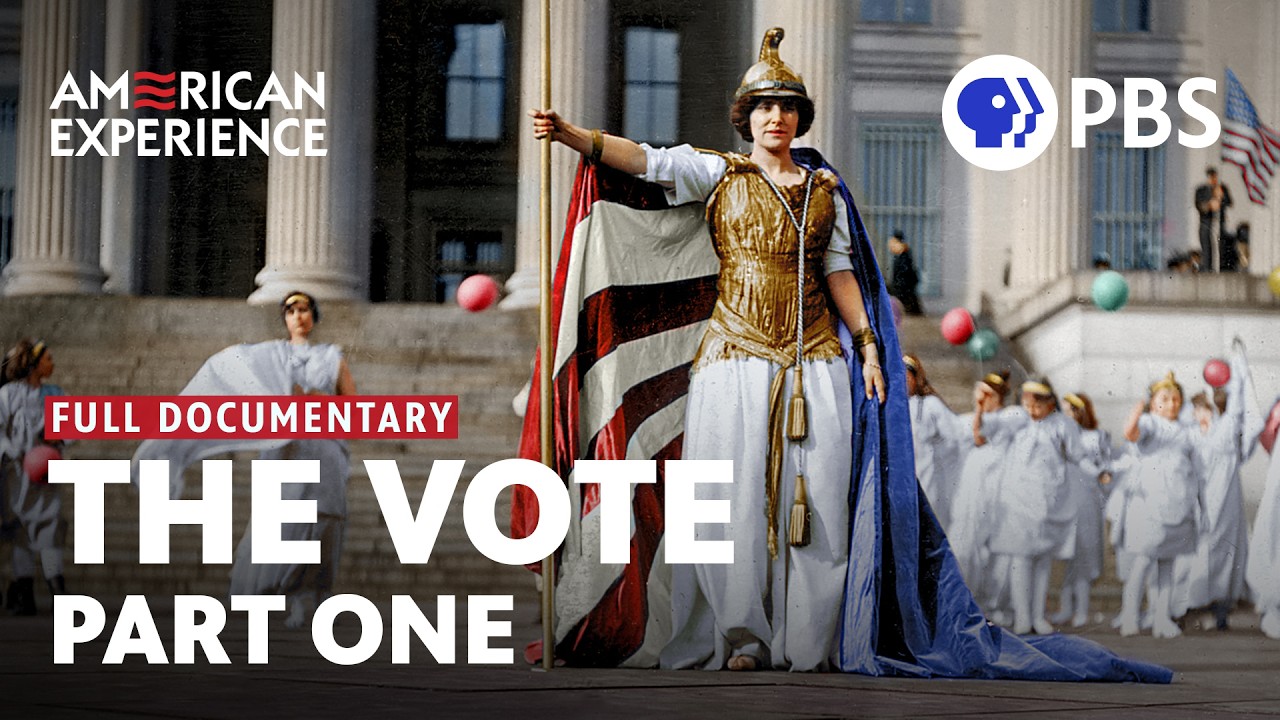
In the early 20th century, American women, led by figures like Harriot Stanton Blatch and Alice Paul, employed militant tactics to secure their right to vote.
Trevor Noah reflects on his experiences of not fitting in while performing stand-up comedy in front of a South African audience.
Enzo Ferrari was born on February 20, 1898, in Modena, Italy, where his father ran a manufacturing business from their family home.
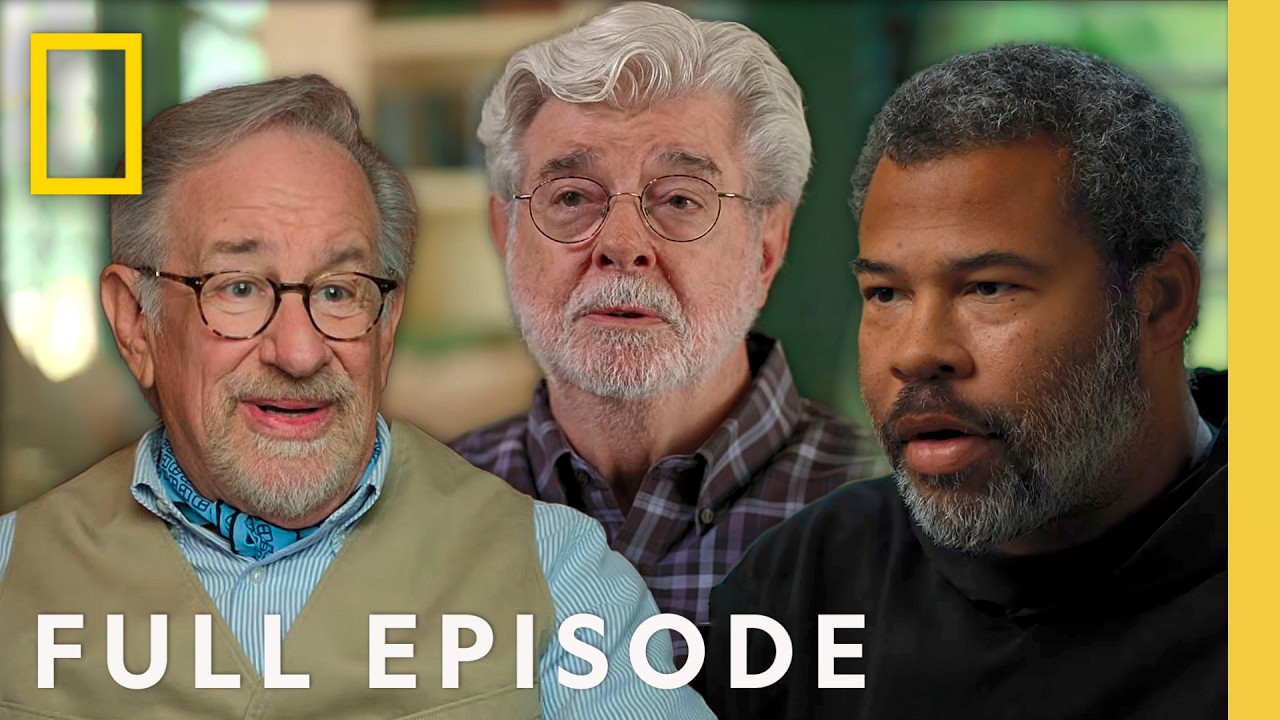
Steven Spielberg shares insights on the making of JAWS (1975) through interviews with filmmakers like James Cameron and Jordan Peele, highlighting its lasting impact over 50 years.
In 1994, twenty-two-year-old dancer and model Revelle Balmain vanished in Sydney, and her mysterious disappearance raises questions about the secrets she held.
Josephine Bonaparte was born on June 23, 1763, in Martinique, where her family struggled financially despite owning a sugar-cane plantation.
Wolfgang Amadeus Mozart was born on January 27, 1756, in Salzburg, Austria, and began composing music at the age of five.
John Cardiel's skateboarding career is examined, highlighting his resilience following a near-fatal accident in 2003 and his lasting influence on the sport.
Catherine, Duchess of Cambridge, has evolved from her early life in Berkshire to become a prominent figure in the British royal family, known for her charitable work and public engagements.
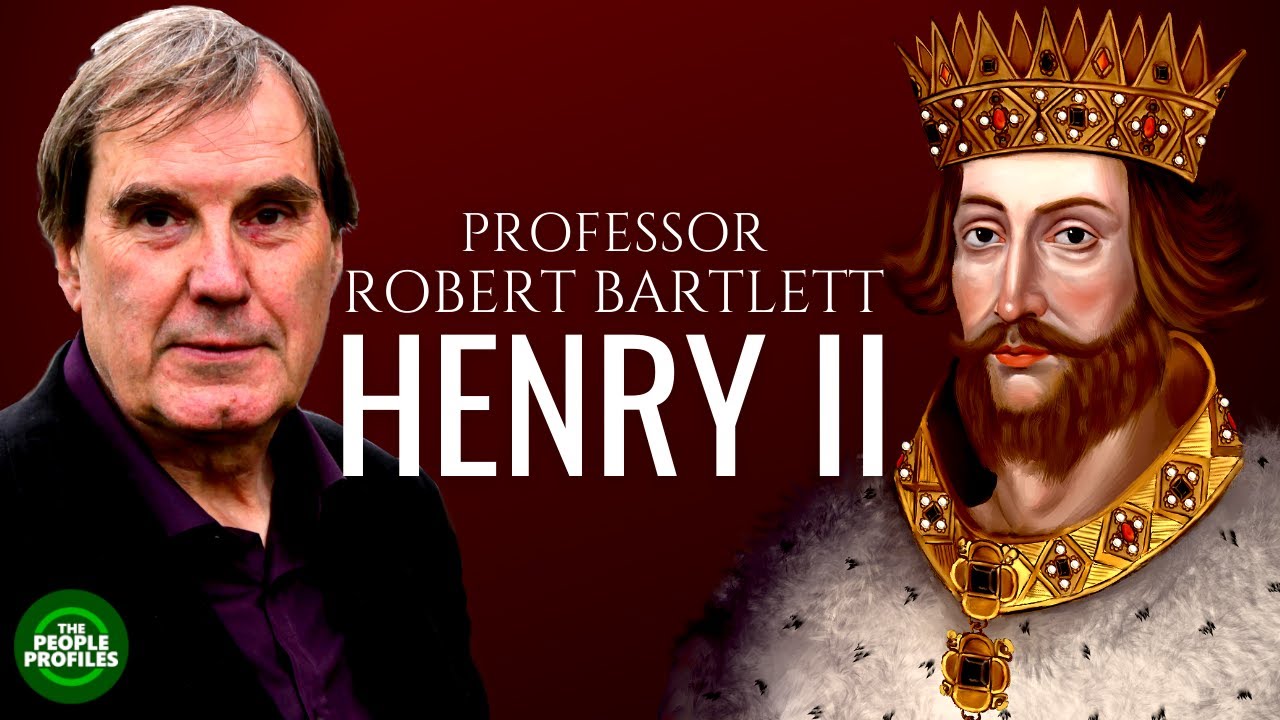
Henry II ruled England for 35 years from 1154 to 1189 and is often referred to as the first Plantagenet king.
Rollo of Normandy, born around 860 AD, was a Viking who became the founder and first ruler of the Duchy of Normandy.
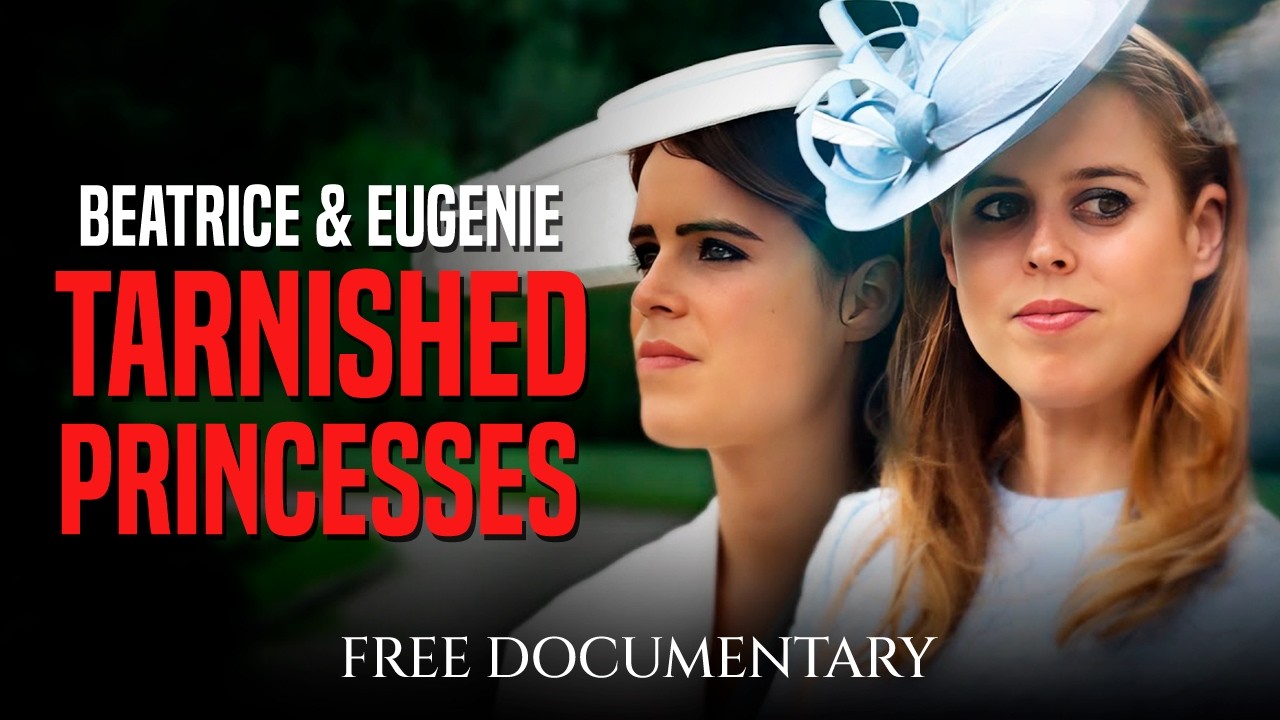
Princesses Beatrice and Eugenie navigate the challenges of royal life and intense media scrutiny while coping with their parents' public struggles and personal isolation.
Omar Sharif, renowned for his roles in "Lawrence of Arabia" and "Doctor Zhivago," is portrayed as a complex figure who prioritized bridge playing over Hollywood fame.
Margaret Beaufort was born on May 31 in either 1441 or 1443 at Bletsoe Castle, Bedfordshire, and played a crucial role in legitimizing her son Henry's claim to the throne.
William Patrick Hitler, born on March 12, 1911, is the son of Brigid and Alois Hitler, Adolf Hitler's elder brother.
Benito Mussolini was born on July 29, 1883, in the northern Italian town of Predappio, where his mother worked as a school teacher.
Napoleon Bonaparte was born on August 15, 1769, in Ajaccio, Corsica, shortly after the island became part of the Kingdom of France.
Princess Catherine navigates a challenging period in 2024 as she and King Charles III face cancer diagnoses, seeking public support during this difficult time.
The tumultuous marriage of King Charles and Diana, the People's Princess, reveals the complexities of royal life and the emergence of Camilla amid public scrutiny.
Edward VI was born on October 12, 1537, at Hampton Court Palace and became king at the age of nine, ruling until his death in 1553.
At 18, Tony has lived independently for two years after leaving home at 16, facing unemployment and a strained relationship with his mother.