From over 100,000 films, discover the handful you'll love.
Free or premium access to the world's largest documentary library.
250 films(Page 1 of 6)
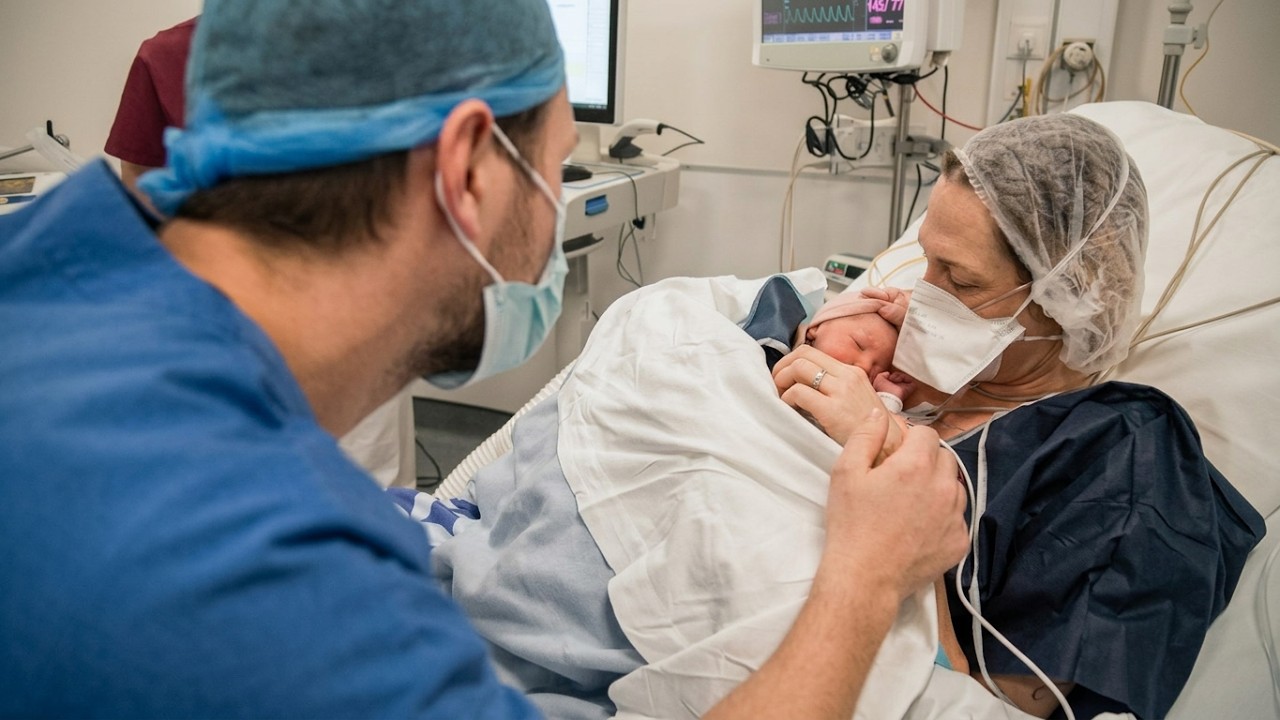
In France, the first womb transplant between a mother and daughter, involving Deborah and her mother, was successfully performed, leading to the birth of a healthy baby.
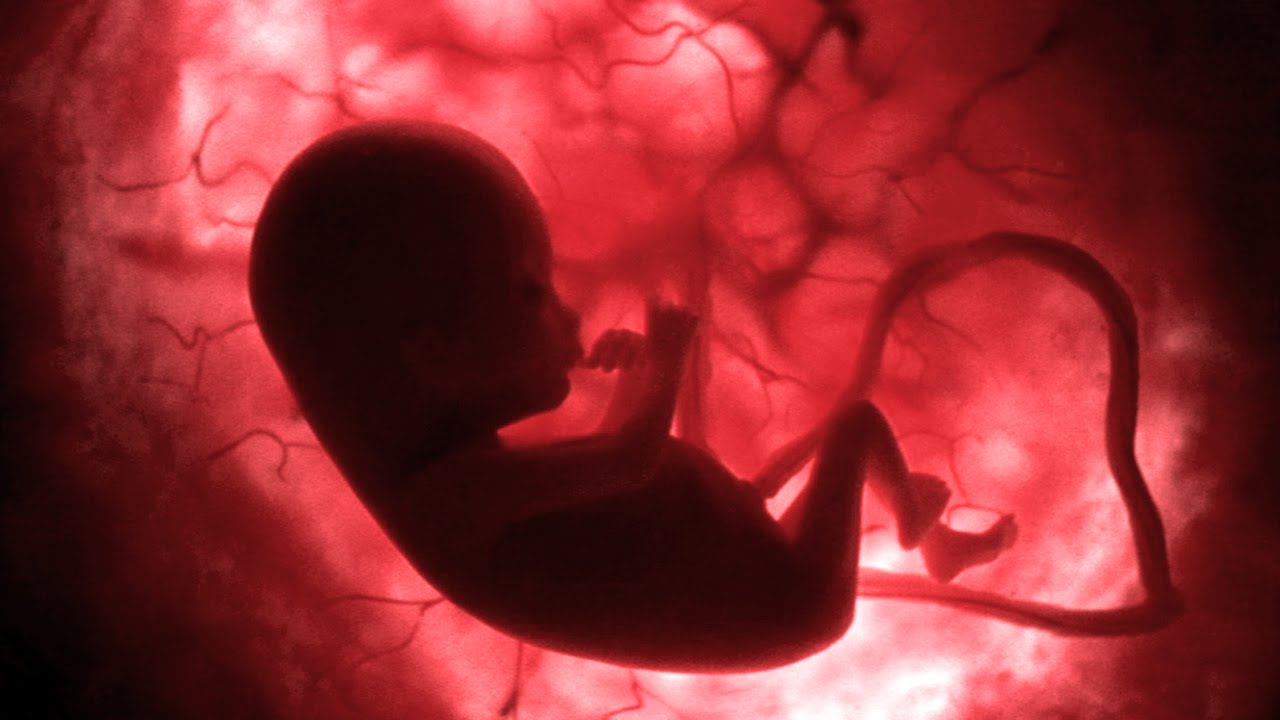
Up to 500 million sperm are released during ejaculation, beginning the complex process of human development from a single cell to a fully formed baby.
Alyssa Hazael began menstruating at just three years old, prompting her parents to seek answers from medical professionals.
Scientists at Rad Fest claim that aging is a curable disease and aim to end old age, with some predicting humans could regularly live to 120 by 2050.
On May 20, 2014, Carol Coronado killed her three daughters while suffering from postpartum psychosis, a severe mental health condition.
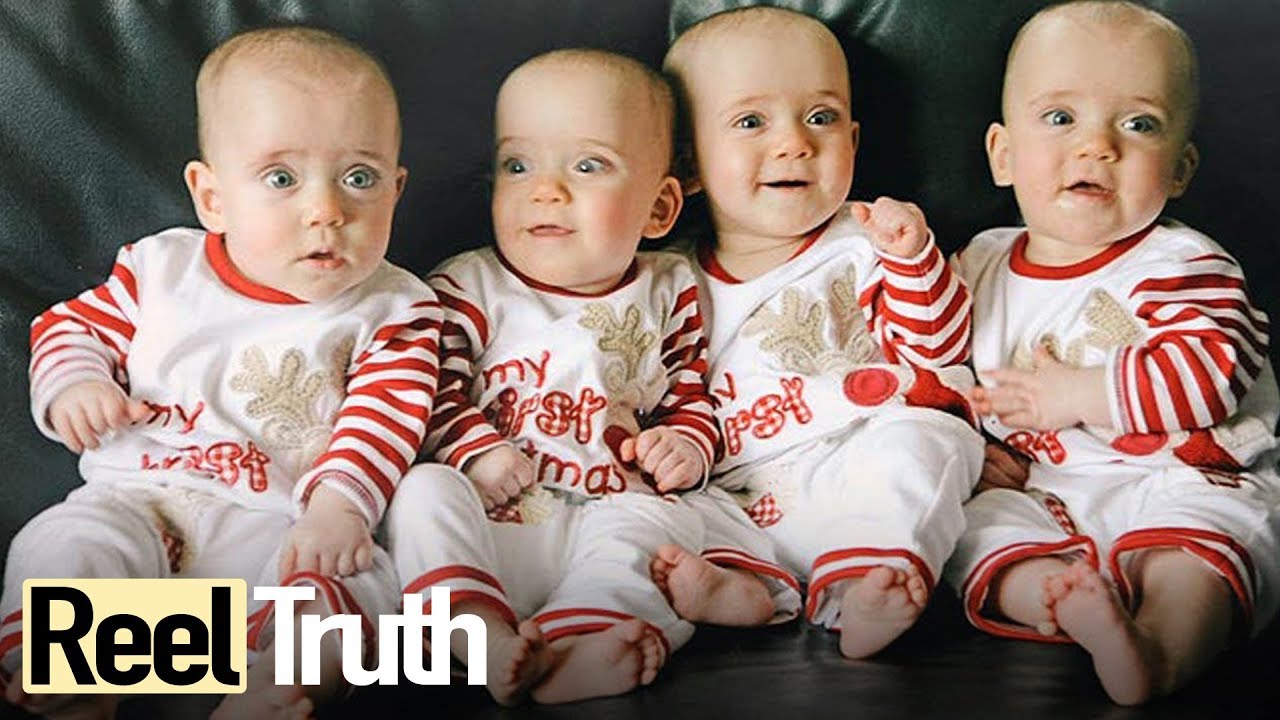
Julie Carles naturally conceives monochorionic quadruplets against expert medical advice.
In specialist psychiatric units across the UK, mothers facing severe mental illness after childbirth navigate the complexities of recovery alongside their infants.
Kara Tippetts, a mother of four, shares her experiences with breast cancer, inspiring many through her honesty and reflections on love and kindness.
Bree, one of the smallest primordial dwarfs in the world, is 16 years old, weighs 16 pounds, and measures just over two feet tall.
Julia Smith, just three weeks old, suffers severe bleeding from a minor cut, prompting doctors to investigate her extensive bruising and ultimately diagnose her with Glanzmann's Thrombosthenia.
Dr. Bernadette Tynan, who passed away from endometrial cancer, emphasizes the importance of seeking a second medical opinion and recognizing early warning signs.
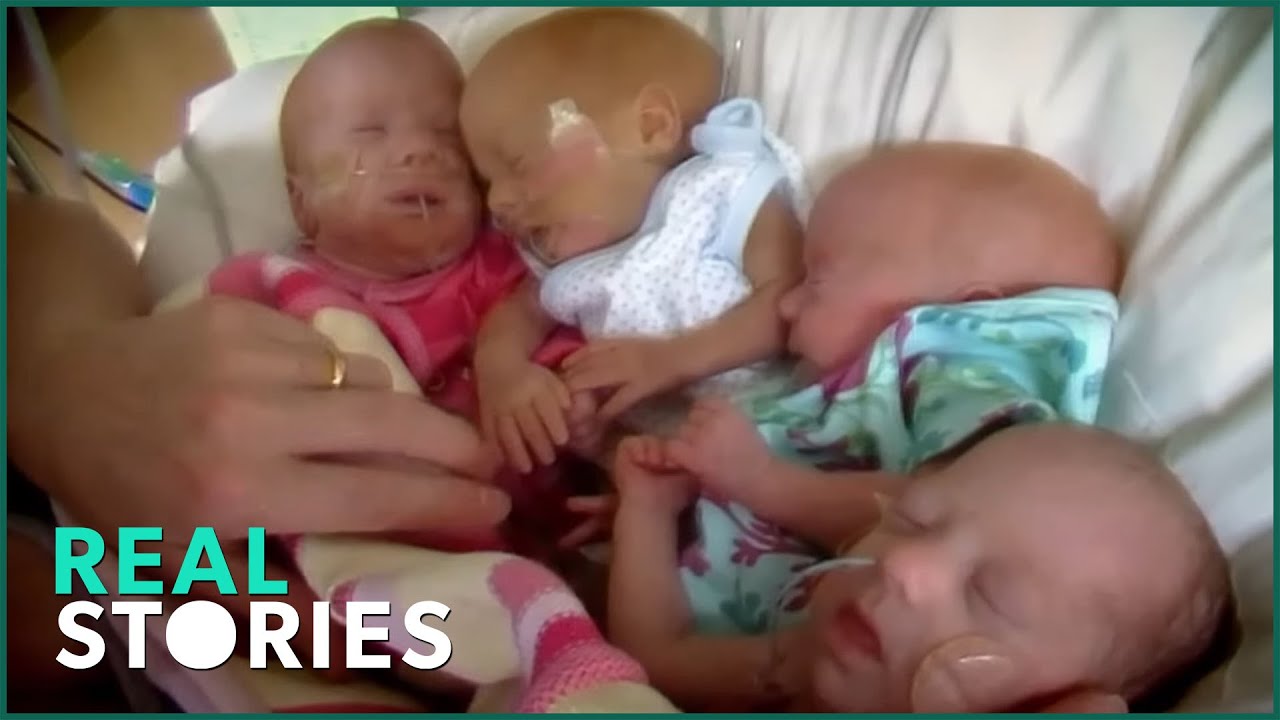
On May 14, 2010, Vicky and Andy Lamb became the first parents in Britain to welcome sextuplets in 177 years, delivering them three months premature.
Julia is five months pregnant and determined to raise her child independently, despite being blind, deaf, and facing skepticism from social workers.
Advancements in non-invasive prenatal testing raise ethical questions about parental choice and societal attitudes towards disability, particularly regarding Down syndrome.
Every day in Britain, over 6,000 children are admitted to hospitals, where junior doctors manage the intense demands of pediatric care.
Genital plastic surgery is increasingly sought by women for aesthetic reasons, raising concerns about physical risks and the impact on self-image and health.
Shola, a 49-year-old woman, gives birth to triplets at Queen's Hospital in Romford, where more than 50% of first-time mothers are over 30.
Isabel's skin turns grey shortly after birth, prompting her parents to seek urgent medical attention for her alarming condition.
Daphne Moyer, born in October 2003, begins experiencing strange seizures at three months old, leaving her parents desperate for answers.
Brian Johnson, a tech millionaire, claims he can live up to 500 years by following a strict regimen that includes daily supplements and a controlled diet.
A hundred electrodes on a microchip implanted in Kevin Warwick's arm connect to his nervous system, allowing him to control devices with his thoughts.
Kate Grey, a Paralympic swimmer, seeks a new prosthetic arm to enhance her cycling experience after years of using a hindering NHS-issued limb.
In Cologne, cardiologist Conchita Ruiz-Mohné examines the unique cardiovascular health risks faced by women, as twins Naomi and Joëlle Karfich seek to understand their heart health.
Designer babies, enabled by advancements in in vitro fertilization and genetic engineering, raise ethical questions about the future of human reproduction and trait selection.
Over 410 hospitals in Rwanda now utilize drone technology for autonomous delivery of vital medical products.
One in eight individuals in the United States faces infertility, with Black women experiencing rates nearly double that of their white counterparts.
Dr. Devi Prasad Shetty provides cardiac care to millions in India who need urgent treatment.
One in three people will receive a cancer diagnosis in their lifetime, impacting families and prompting emotional and practical responses.
Zade was the only child in Victoria under the age of 16 to be an organ and tissue donor in 2004 after her death from a brain bleed.
Research by experts like Martin Blaser indicates that microscopic events during childbirth can have lasting effects on children's health through the microbiome.
Every year, millions of Americans face undiagnosed medical mysteries and their symptoms.
Halimatou Ceesay was cut at the age of nine and now campaigns against female genital mutilation in The Gambia, aiming to end the practice in a generation.
One in every 100 babies born in the United Kingdom is now conceived through in vitro fertilization, a method that has transformed reproductive medicine since 1978.
AJ Kearns postpones his physical transformation to become pregnant, navigating fatherhood while embracing his identity as a transgender man in Ireland.
Surgeon Peter operates on a three-month-old baby while Tom and Lucy perform eye surgery.
Louise Roe meets women to understand their motivations for multiple breast augmentations.
A transgender father navigates the complexities of childbirth while confronting his greatest fears, alongside stories of unconventional relationships.
Only 5% of male mammals actively engage in caregiving, a fact examined through the experiences of fathers during pregnancy and early parenting.
Three juries upheld Dr. Henry Morgentaler's campaign for abortion rights in Quebec from 1970 to 1976, challenging Canada's restrictive laws.
Deborah, the first woman in France to receive a uterus transplant from her 59-year-old mother, represents a significant advancement in reproductive medicine.
The era of illegal abortion in the United States, from the mid-19th century to the Roe v.
4.5-month-old Muhammad, born with a severe auto-immune deficiency, faces a critical race against time for life-saving treatment in Israel.
The Food Hospital treats Crohn’s Disease and other conditions using food instead of pills.
Every year, medical brigades visit Honduras, providing healthcare services to communities that often wait months or years for adequate care.
"Love, Sweat & Tears" explores menopause's impact on intimacy through humor and insight, featuring Dr. Pamela Dee Gaudry and notable interviews.
There are 5,000 workers at Health Sciences Centre in St. John's, Newfoundland, caring for 437 patients across various departments.
Nicole Azzopardi, a single mother diagnosed with aggressive osteosarcoma shortly after giving birth to her daughter Summer, fights for her life while seeking alternative treatments and support from the community.
Nicole Martin's experience with severe postpartum depression highlights the critical need for improved screening and training for OB-GYNs, as 50% of affected women remain undiagnosed.