From over 100,000 films, discover the handful you'll love.
Free or premium access to the world's largest documentary library.
1715 films(Page 2 of 36)
David Adams embarks on a 200-mile pilgrimage through Ethiopia, searching for the legendary Ark of the Covenant and its cultural significance.
Pitchford Hall in rural Shropshire, a well-preserved medieval home, was reclaimed by its family after 25 years and is undergoing restoration using traditional methods.
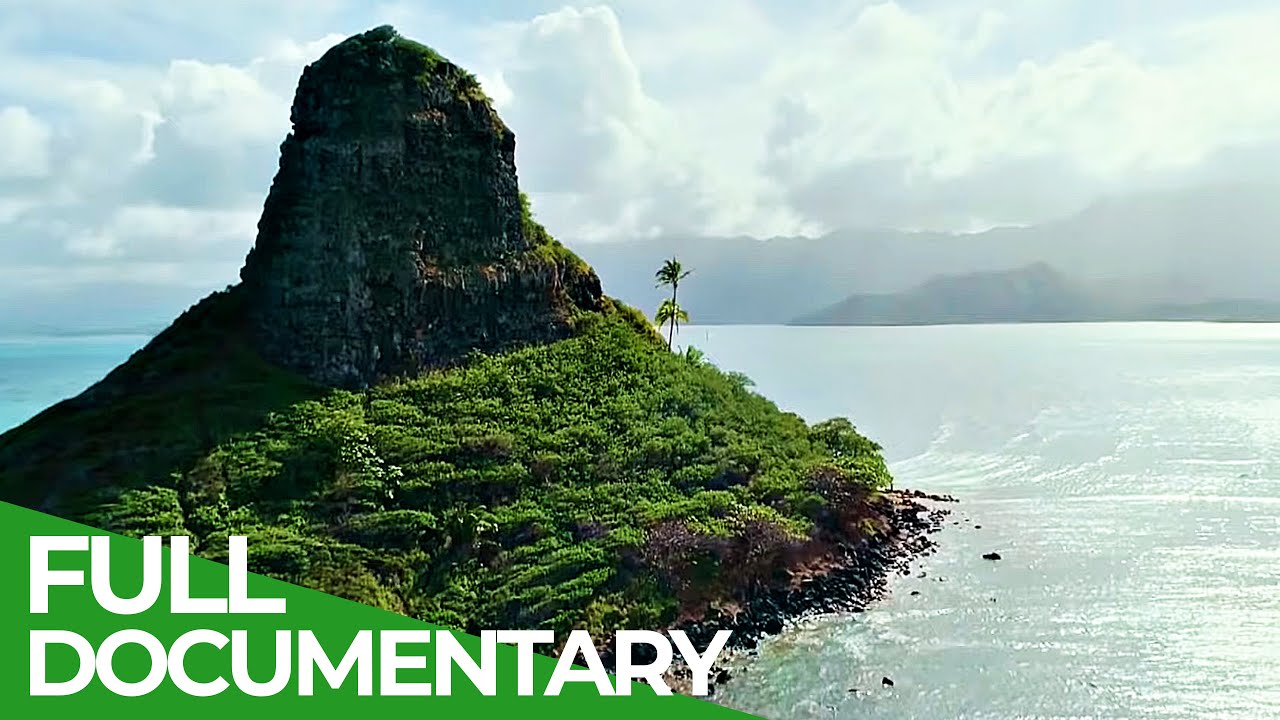
Oahu serves as the economic and cultural hub of Hawaii, attracting millions of visitors annually while showcasing traditional practices like lei-making and Kakau tattooing.
The Majapahit Empire, centered on the volcanic island of Java, expanded its influence across Southeast Asia before ultimately declining in the face of medieval superpowers.
2,500 miles from the mainland, Gordon Ramsay visits Maui's Hana Coast to learn about local ingredients and traditional Hawaiian cooking methods.
A great army of Scandinavian warriors landed in Britain in 865, aiming to conquer the Anglo-Saxon kingdoms rather than merely plunder them.
Around 8000 BC, the first settlers arrived in Ireland, transitioning from a hunter-gatherer lifestyle to early agricultural practices.
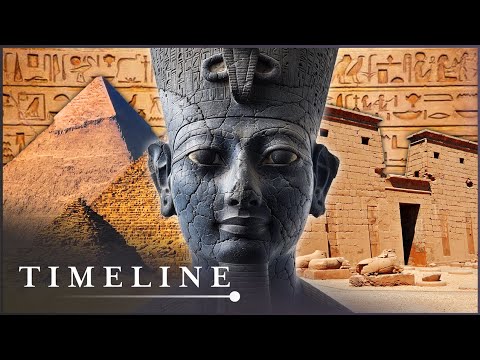
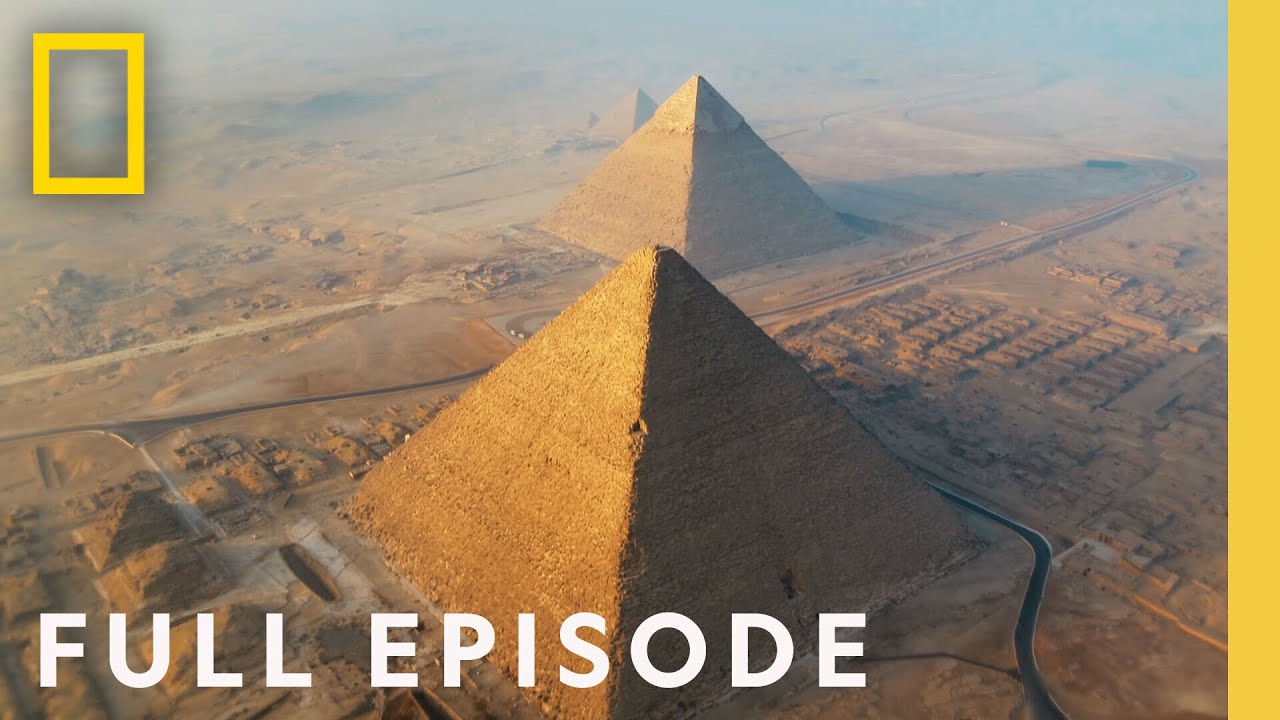
Over 4,500 years ago, the Great Pyramid of Giza was built for King Khufu, marking the beginning of ancient Egyptian civilization.
Five Native American communities restore traditional land management practices to combat climate change, featuring insights from Dr. Michael Kotutwa Johnson.
A fleet of boats, buried six miles from the Nile, reveals insights into Egypt's original Valley of the Kings.
Over 300 feet of sea level rise transformed the Black Sea from a freshwater lake into a vast inland sea, possibly inspiring ancient flood legends.
Season 2 of Hidden Realms reveals the Hopi Nation's cosmic mysteries in Arizona.
Around 800 years ago, Polynesians arrived in New Zealand, marking it as the last significant landmass colonized by humans.
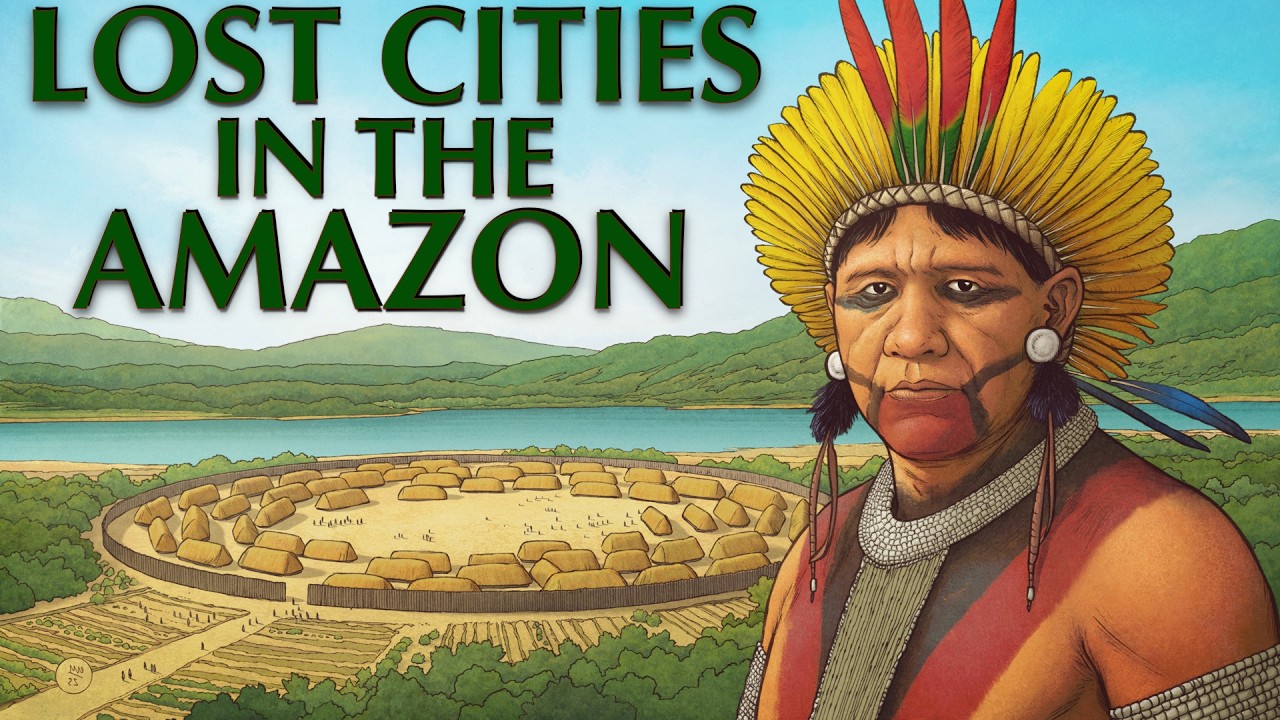
The Amazon covers about two-and-a-half million square miles, yet recent discoveries reveal it was home to complex civilizations and advanced agricultural systems.
Ancient footprints in New Mexico's White Sands National Park provide evidence that Ice Age humans coexisted with giant ground sloths and mammoths much earlier than previously believed.
In the Durham countryside, archaeologists excavate the well-preserved medieval village of Ulnaby, revealing insights into Britain's historical landscape.
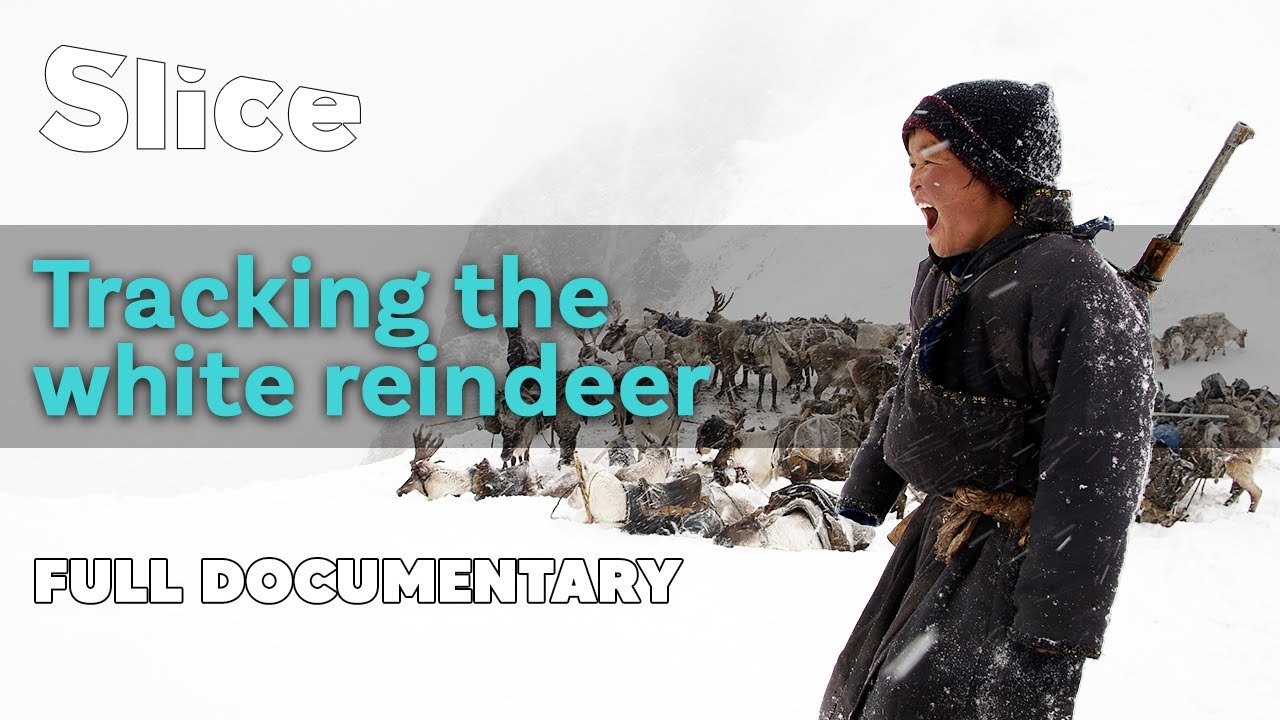
Bat moves his tent more than ten times a year to ensure his reindeer have enough food in the harsh climate of Mongolia's Saïan Mountains.
The Amazon rainforest covers over 2 million square miles and shelters one in every 10 species known to science, playing a vital role in the planet's ecosystem.
In 1910, English surveyor Percy Harrison Forset and his team encountered hostile locals in Bolivia, who shot six-foot-long arrows at their canoe.
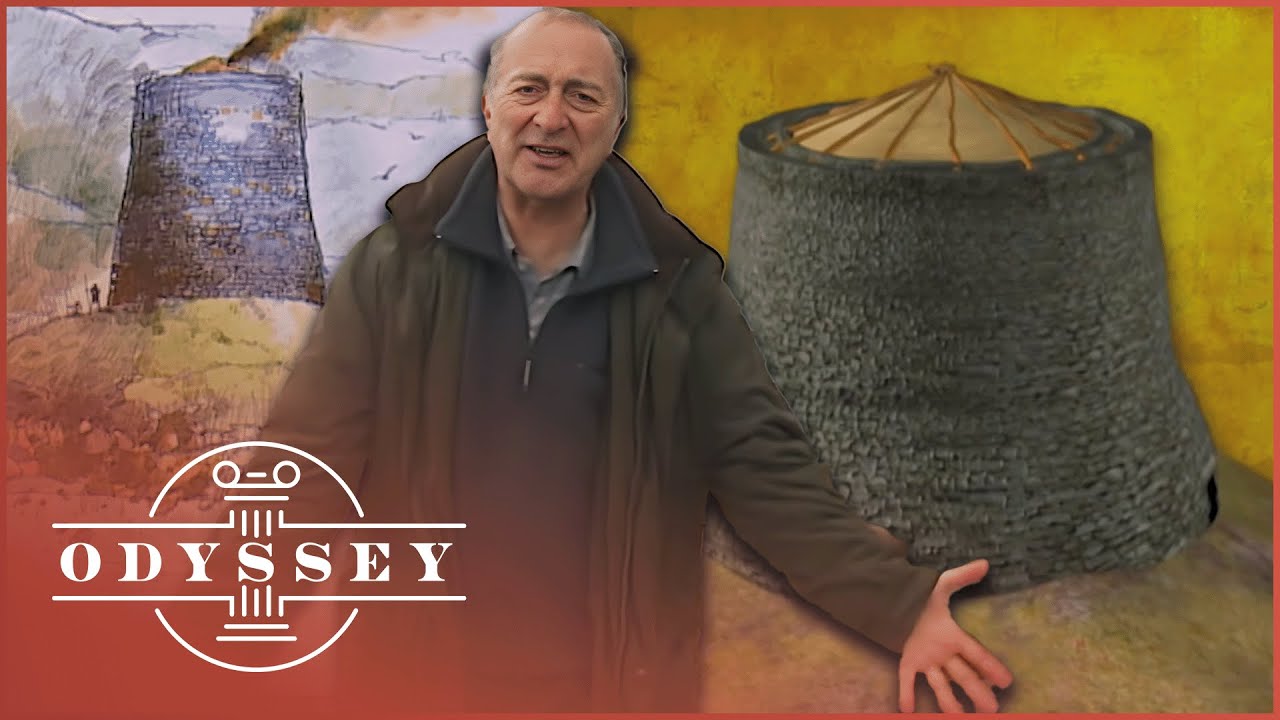
In Applecross, a team excavates a broch, one of the largest Iron Age structures in Britain, believed to be buried under a hill in Scotland.
Three large-scale sieges of Paris occurred during the Viking incursions in early medieval France, marking a brutal 150-year period of conflict.
David Adams travels 1,200 miles across the Tenere desert, a region known as 'The Land Of Fear' for its harsh conditions and dangers.
Recent archaeological findings in Hallstatt, Austria, reveal the advanced societal organization, trade networks, and cultural practices of the Celts.
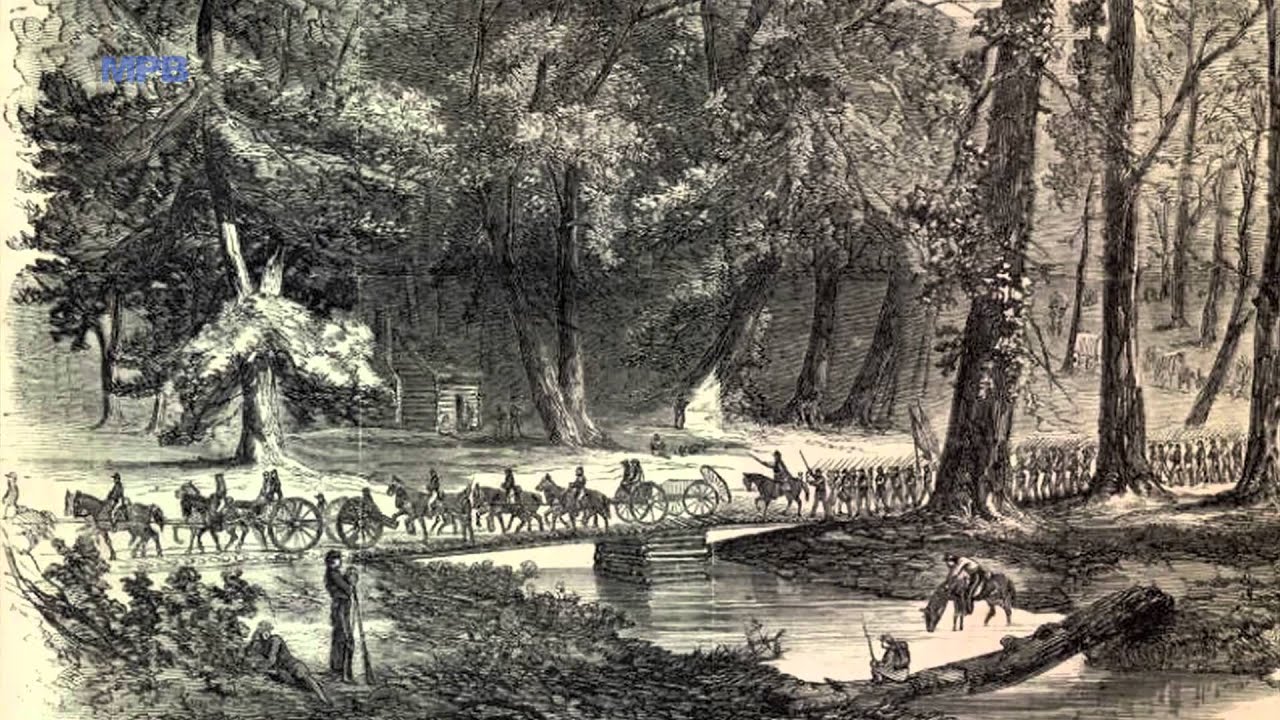
Mississippi's decision to secede from the United States in 1861 was driven by the contentious issues of state rights and the institution of slavery, profoundly impacting its citizens.
Black soldiers played a complex role in American history, particularly in the settlement of the West and colonial conflicts, as explored by Dru Holley.
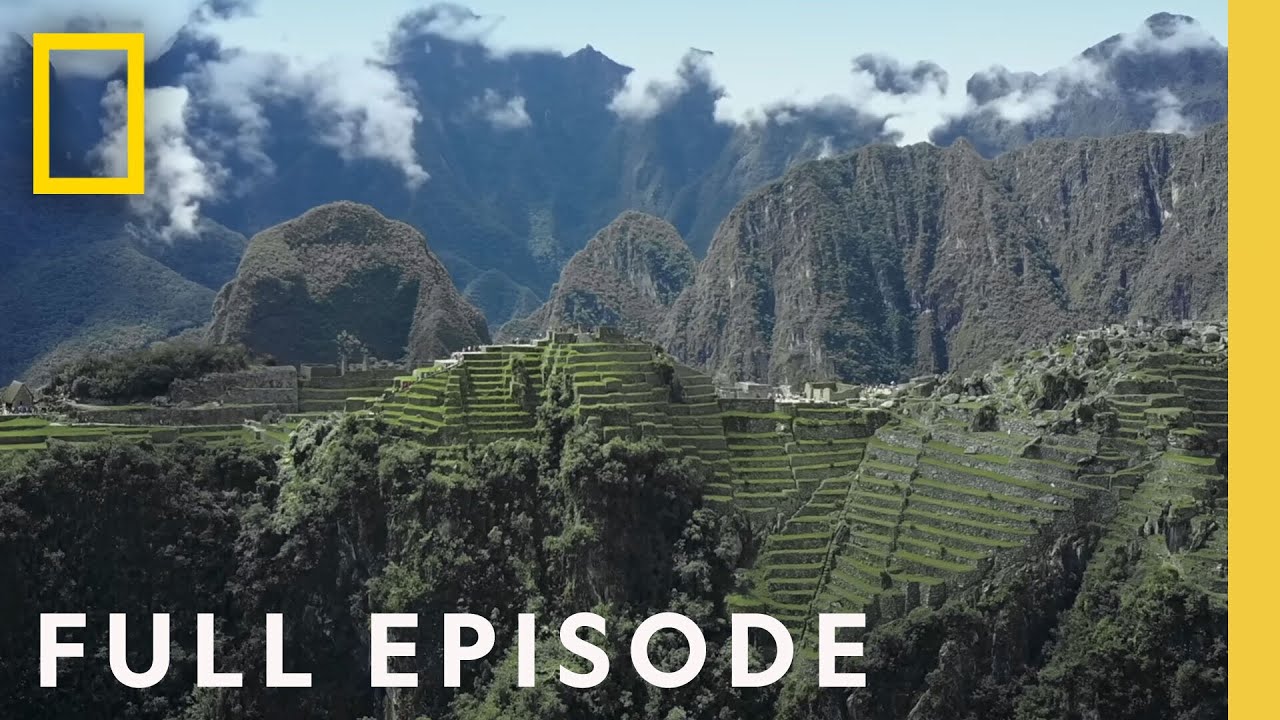
In Peru, Explorer Albert Lin investigates ancient civilizations that predated the Inca, utilizing advanced archaeological techniques.
Over 80 pieces of gold were recovered from a single burial site in Colombia, revealing traces of the ancient Tyrona civilization.
Anglesey, once a stronghold of the Druids, faced Roman invasion aimed at dismantling their influence amid accusations of magical rituals and human sacrifice.
Archaeologists have mapped 32,000 acres of ancient groundworks, including 70 cisterns and 28 dams, that supported the city of Petra.
The Great Pyramid of Giza, completed over 4,500 years ago, was built from more than 2 million sandstone blocks, each weighing more than a car.
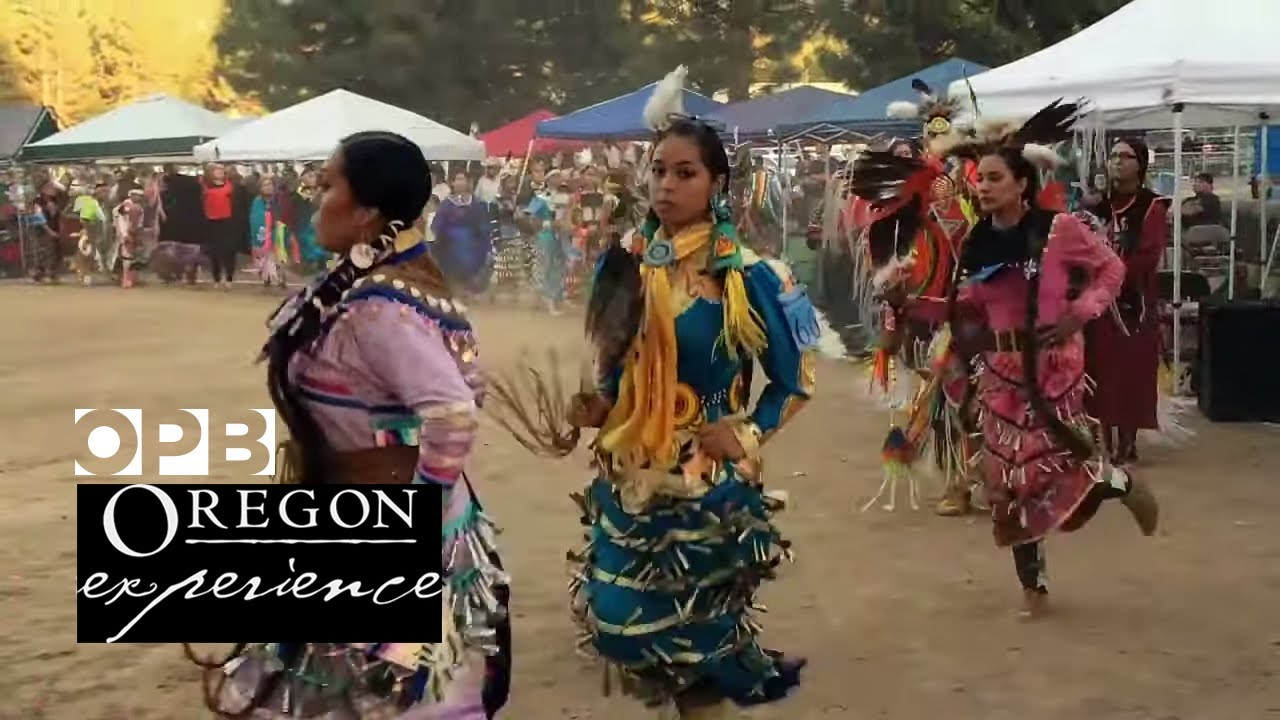
More than 60 tribes once inhabited Oregon, speaking at least 18 languages across hundreds of villages before significant disruption in the 19th century.
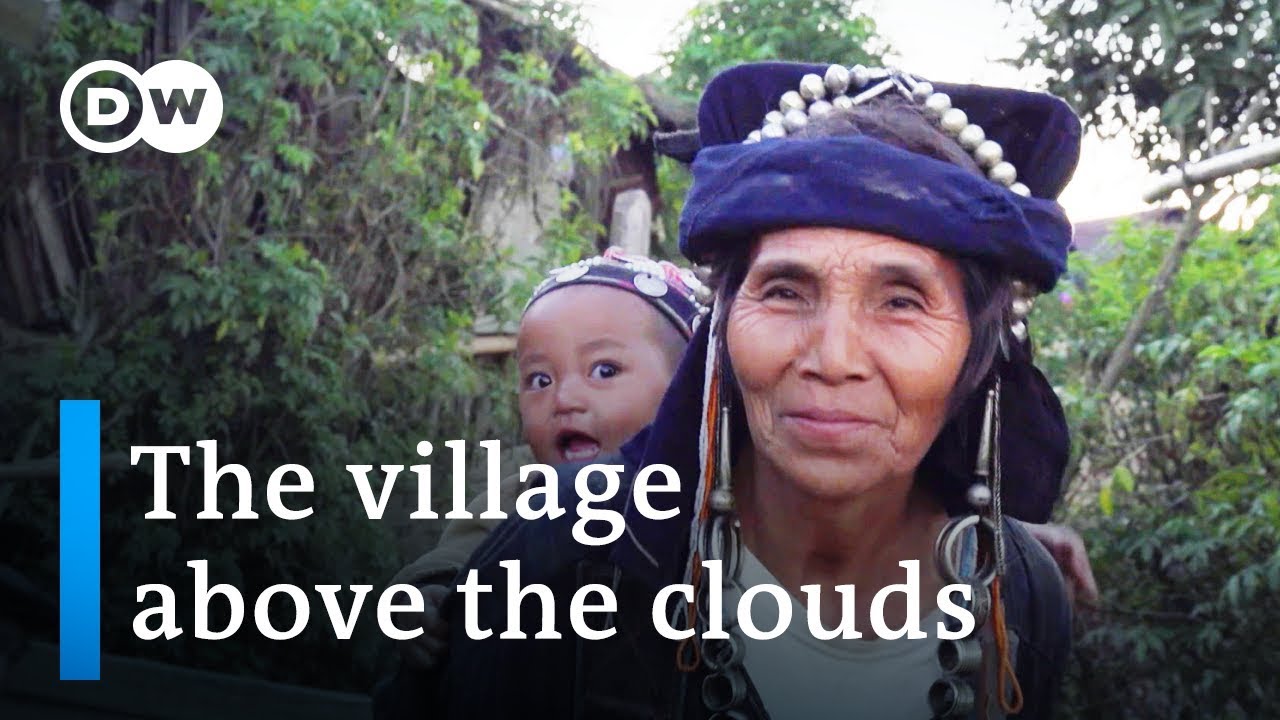
15 pregnancies in 23 years shape the life of a woman in a remote village in Laos, where traditions clash with modern ambitions for her family.
The Svans of Svaneti preserve their medieval culture in a remote Georgian valley.
Ancient tomb robbery in Egypt's Valley of the Kings is examined, revealing state-sanctioned activities on an industrial scale.
Quizilol, an 18-year-old Tsaatan herder, faces a blizzard that causes his young reindeer stallion to escape into the mountains of northern Mongolia.
In the Great Smoky Mountains, interviews and reenactments explore the legends and mysteries associated with North America's iconic national parks.
Francis Pryor argues that the political changes in Britain after the Roman Empire's fall in 410 AD were due to internal shifts rather than an Anglo-Saxon invasion.
Tudor England's Christmas celebrations featured grand banquets and unique traditions, including a pig's head centerpiece, as explored by historian Ruth Goodman and archaeologists Tom Pinfold and Peter Ginn.
Temperatures in Kamchatka can drop below minus 50 degrees, making it one of the coldest inhabited places on Earth.
The Battle of Visby in 1361 saw 1,800 farmers on Gotland face a well-trained Danish army, resulting in a significant archaeological legacy of the fallen.
The 13 Crystal Skulls, ancient artefacts shrouded in mystery, are examined for their authenticity and potential connection to apocalyptic prophecies.
Aguada Fenix, a monumental Maya structure in Mexico, dates back 3,000 years and challenges previous assumptions about the civilization's origins.
An 80-meter-long tunnel, part of an ancient hydraulic system, diverted water around Petra to manage floods and supply the city.
Gordon Ramsay dives just 50 meters off Tasmania's coast to forage for sea urchins while learning about the island's culinary traditions.
Villa Epicquen, a town in Argentina, once housed thousands but now has only one resident, an 85-year-old man named Pablo.
4,300-year-old hunting tools are melting out of ice patches in the Yukon, revealing insights into the lives of ancient human inhabitants.
A 50-mile round trip is required to catch king crab in Alaska's remote waters, where traditional practices guide survival amid environmental changes.
In Peru, Doctor Joann Fletcher investigates an enigmatic mummy to reveal insights about the individual's identity and lifestyle in ancient times.