From over 100,000 films, discover the handful you'll love.
Free or premium access to the world's largest documentary library.
434 films(Page 4 of 10)
Judge Sueli Pini has brought the state to the people for 1,333 days, sailing six times a year to deliver justice and services to remote Amazon communities.
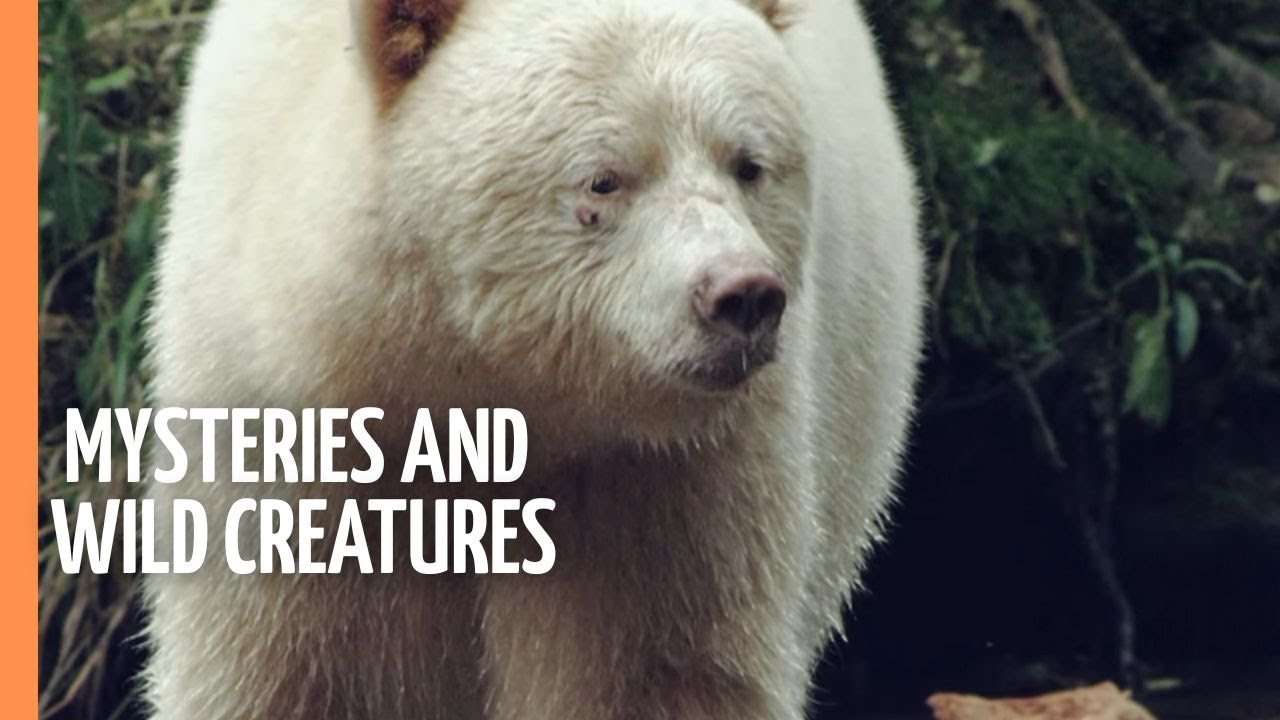
In Canada's Great Bear Rainforest, the rare Kermode Bear, also known as the Spirit Bear, symbolizes the forest's spirit alongside other wildlife like wolves.
Mongolia's boreal forests, vital to nomadic cultures for millennia, face significant threats from exploitation and environmental challenges, including the plight of the Hell Miners of Potosí.
In British Columbia's mystical rainforest, diverse species like wolves, ravens, and the Spirit Bear thrive within a complex ecosystem that demands conservation efforts.
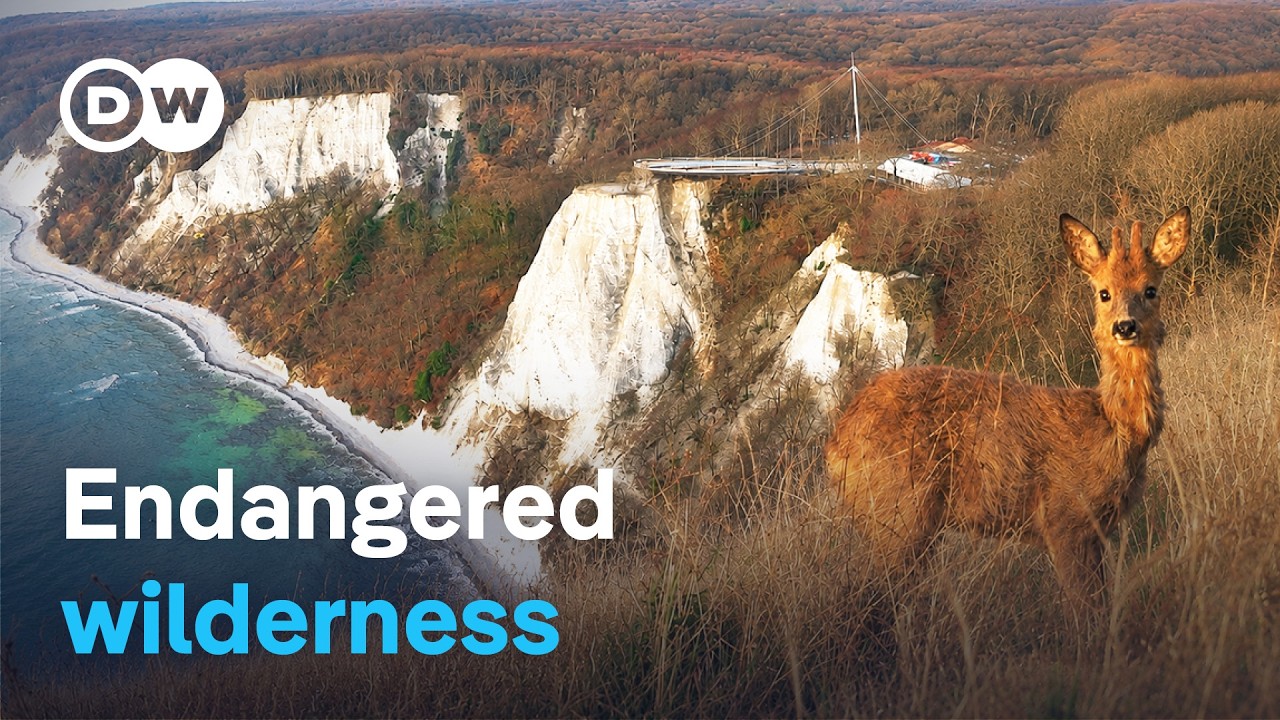
Rügen, one of Germany's most popular tourist destinations, faces significant challenges in balancing nature conservation with the pressures of millions of annual visitors.
Wolf packs reestablish themselves in Lusatia after centuries of extinction, as wildlife adapts to areas altered by coal mining and military use.
An army of government employees works to restore the Taj Mahal's sandstone pillars and marble inlay before the Commonwealth Games begin on October 1.
A female fire salamander gives birth to three live young in the Leine Valley, a region rich in wildlife and natural beauty.
The Kermode Bear, also known as the Ghost Bear, is a rare subspecies found in the rainforests of British Columbia, notable for its striking white fur.
Around 1,500 bison roam the primeval forest of Białowieża, a region that has seen their near extinction just a century ago.
Rainforests, home to diverse species like jaguars, elephants, and harpy eagles, play a crucial role in supporting complex ecosystems and human evolution.
Extremadura, a region in western Spain, hosts diverse ecosystems that support rare species like the Spanish lynx, black vultures, and imperial eagles.
Three sun bear cubs, Bun Bun, Bernie, and Wawa, are rehabilitated in Indonesia's rainforests before being released into their natural habitat.
Discover Bolivia's wildlife and history on an epic train journey from Quijarro to Santa Cruz.
Aerial footage showcases Tasmania's stunning coastlines, sea-cliffs, waterfalls, temperate rainforests, and mountain ranges in a serene visual experience.
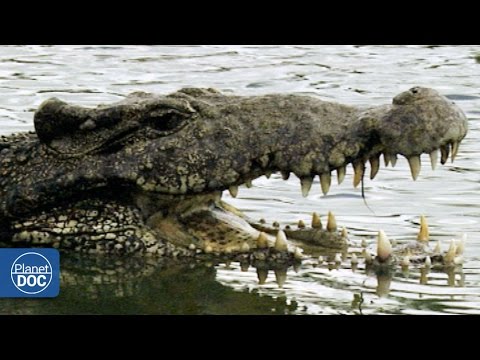
Only 2,500 manatees remain in the West Indies, including Cuba, where the mangrove forest conceals biological mysteries and dangerous wildlife.
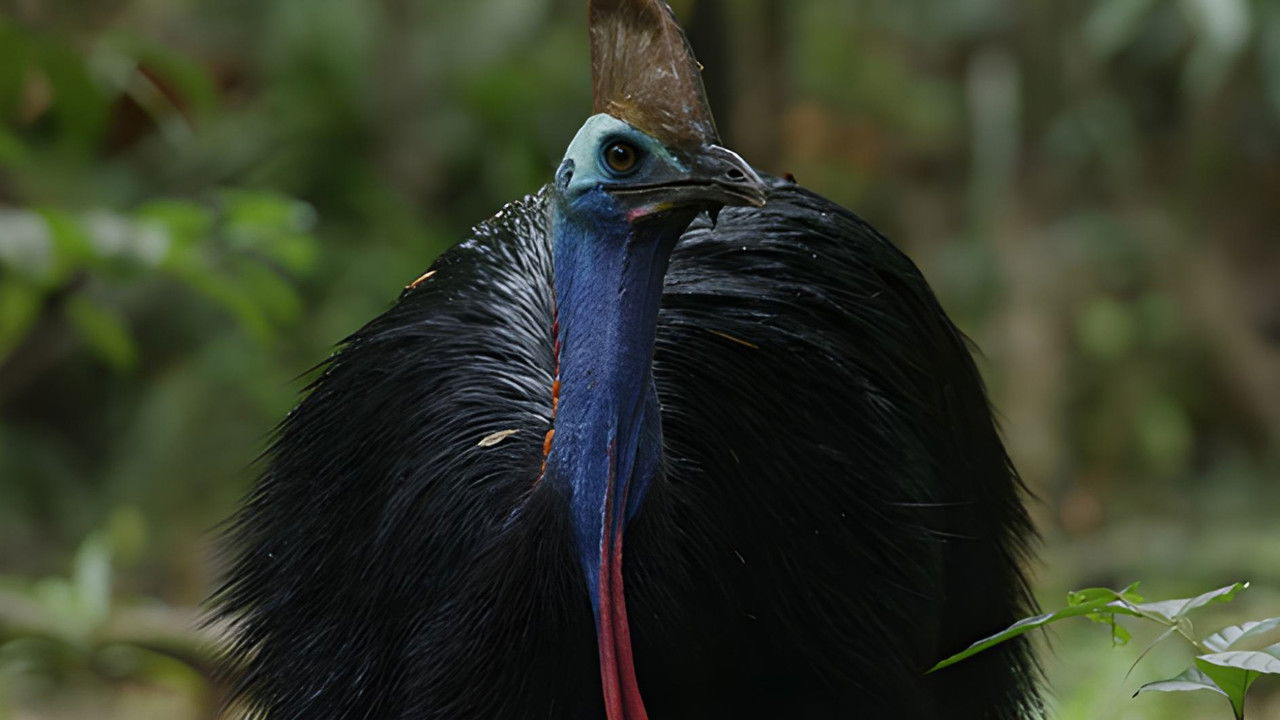
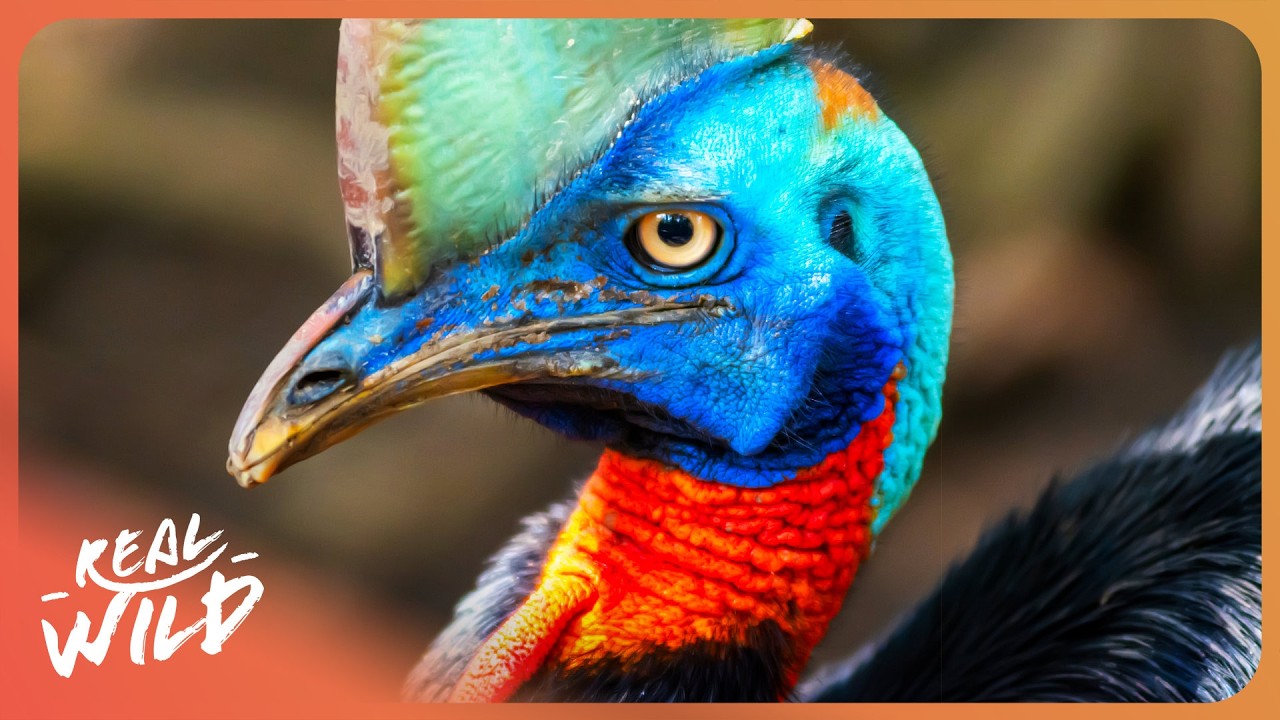
One southern cassowary matriarch, Bertha, faces numerous threats as she protects her chicks in the tropical rainforests of northern Queensland, Australia.
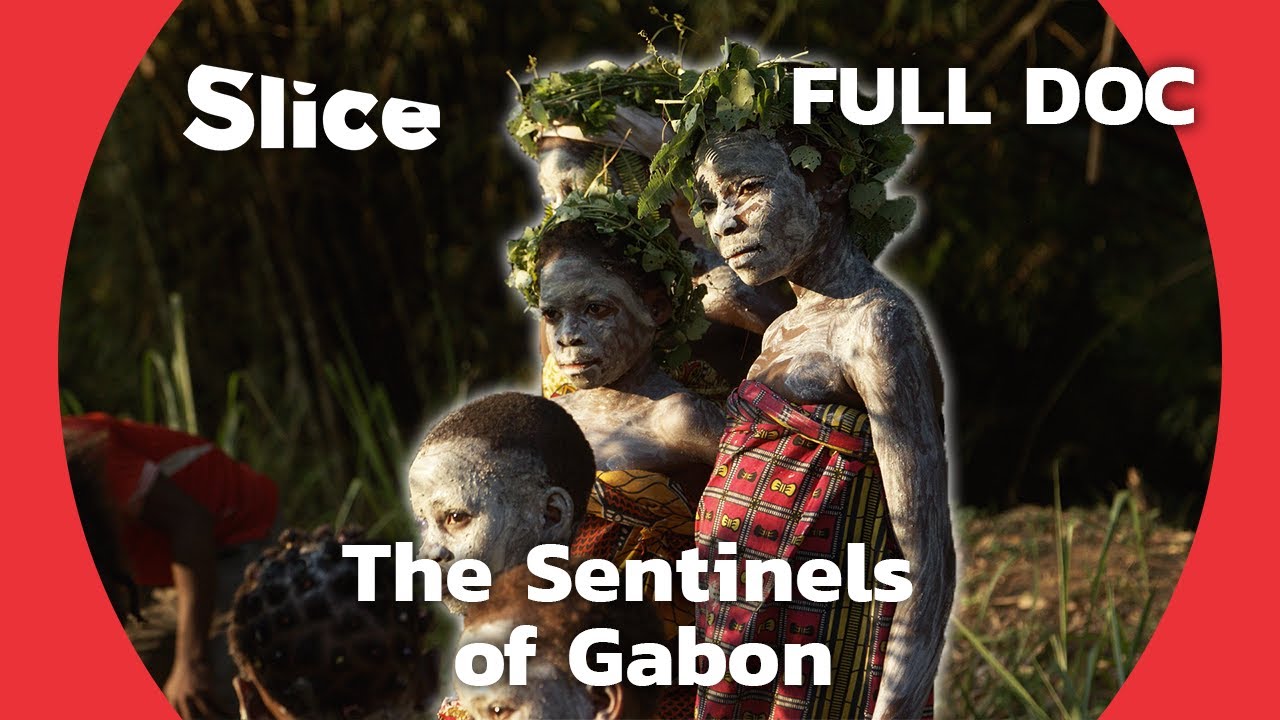
Gabonese sentinels protect their culture and rainforest from modern challenges.
In the forests and meadows of Allenstein, Austria, diverse wildlife such as deer, foxes, and various bird species thrive in a delicate ecosystem.
In New Hampshire, Shauna Fraser practices yoga on a paddleboard while Mike LaVecchia crafts wooden surfboards in southern Maine, highlighting local culture and resources.
True rainforests along the Equator, from Africa's gorillas to Borneo's orangutans and Ecuador's jaguars, highlight critical conservation efforts amid biodiversity loss.
Forests showcase complex mechanics and strategies for survival in diverse environments.
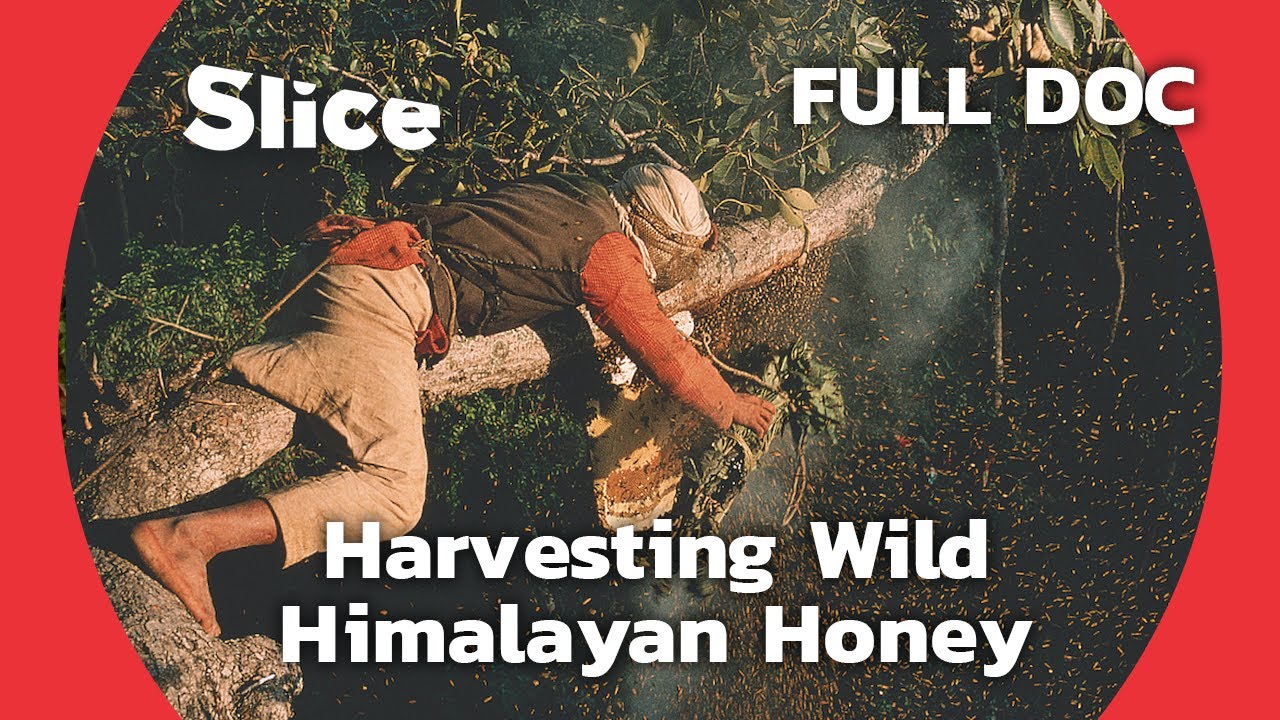
30 Raji nomads scale trees in the Terai forest to gather honey from Apis laboriosa, the world's largest migratory bee, risking their lives in the process.
Stags, badgers, foxes, bats, and magpies are authentically filmed in their natural habitats, highlighting their behaviors and ecological roles while debunking myths.
Ten pairs of sea eagles nest in the Lauenburg Lake District, a region where their population has stabilized after facing extinction 30 years ago.
Forests showcase complex mechanics, where plants need water to adapt and thrive globally.
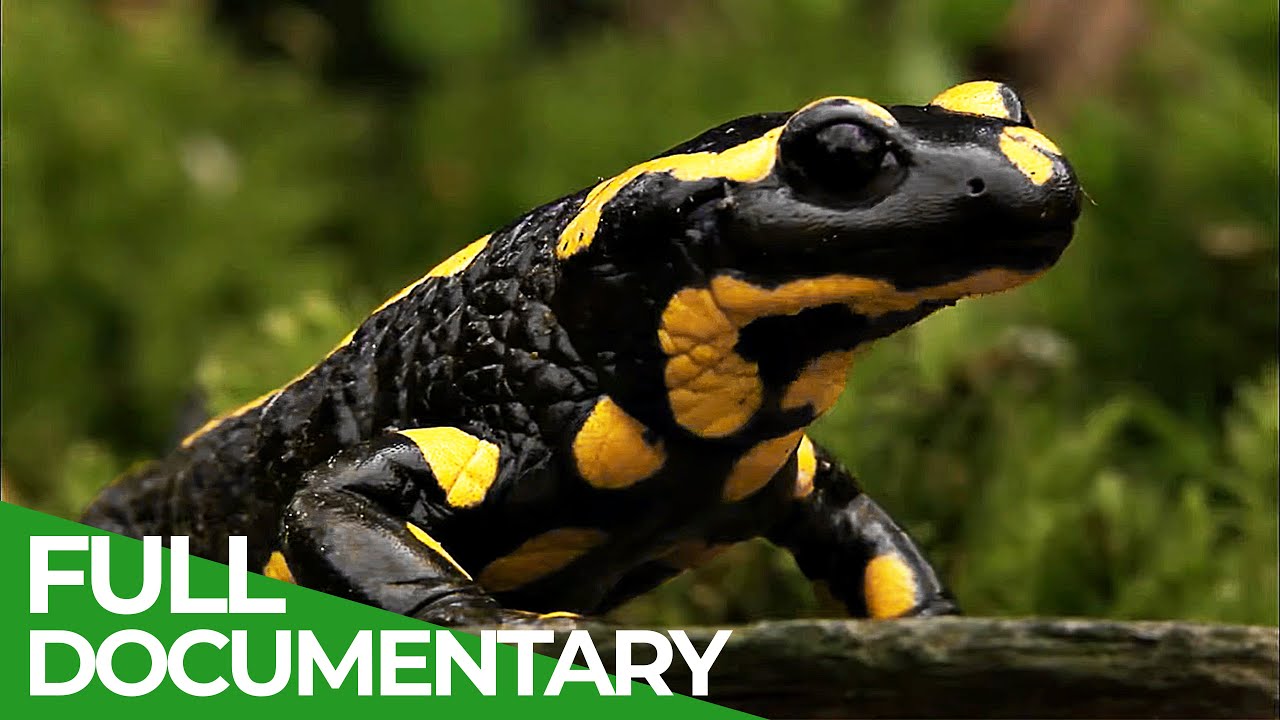
The fire salamander, a colorful inhabitant of German beech forests, is documented in detail, revealing its elusive nocturnal life and the challenges faced by its larvae.
Madagascar's Indri lemurs face territorial challenges in a shrinking forest.
64,660 hectares of the Picos de Europa National Park in northern Spain protect diverse ecosystems and wildlife, including the endangered Iberian bear.
On May 18, 1980, Mount St. Helens erupted, killing 26 people and leaving more than 40 missing in a blast zone covering approximately 100,000 acres.
Sumba is home to one of the last megalithic civilizations on Earth, where residents entomb their dead in dolmens and practice ancestor worship.
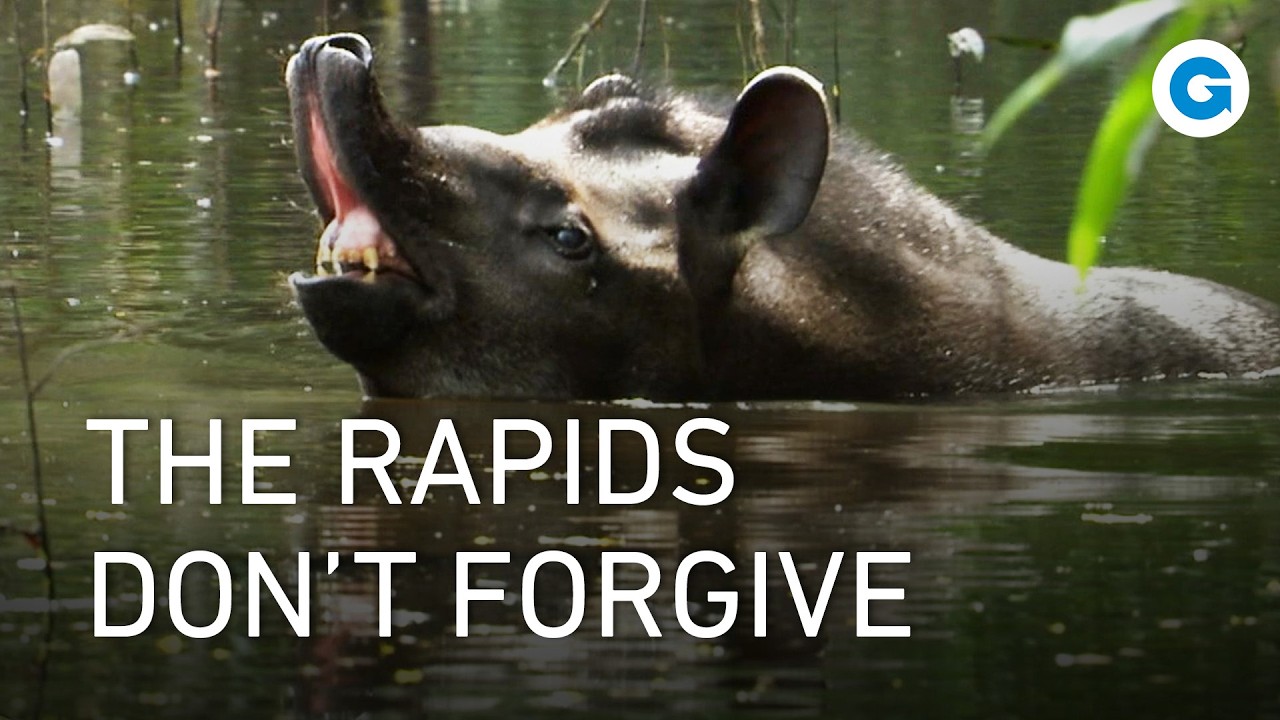
Kaieteur Falls marks the starting point of an expedition along the Essequibo River, where an experienced team navigates rapids, interacts with indigenous cultures, and explores remote landscapes in Guyana.
Alfred Balmer spends fifteen years at the Limbe Wildlife Center forming a bond with Niango, a rare Cross River gorilla, while searching for her lost relatives in Cameroon.
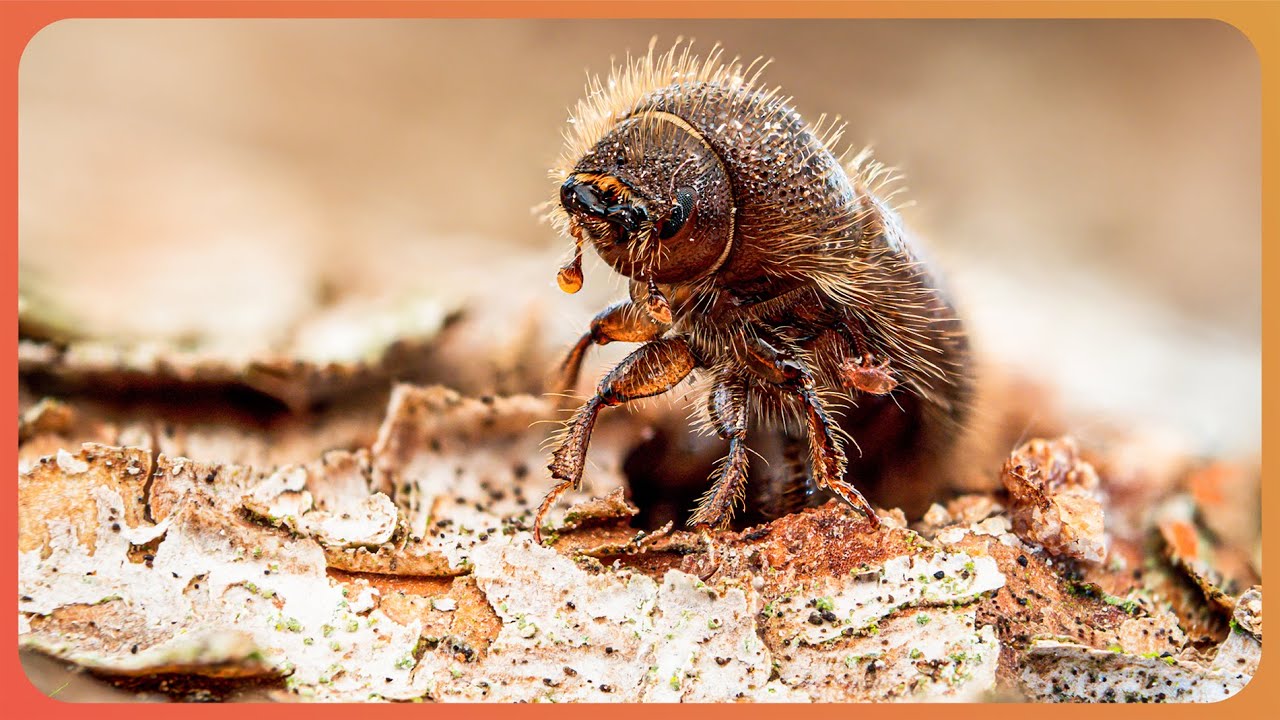
Dutch Elm Disease, spread by tiny elm bark beetles, threatens to decimate elm tree populations in America and Europe, prompting urgent scientific intervention.
Central Park attracts nearly 42 million visitors each year, serving as a vital green space for New Yorkers amidst the urban environment.
Yellowstone's white bark pine ecosystem faces threats from blister rust and climate change, impacting wildlife reliant on its seeds, as scientists work to protect it.
In New Zealand, photographer Craig Potton explores the untouched landscapes of the Mokihinui River, highlighting its natural beauty and local history.
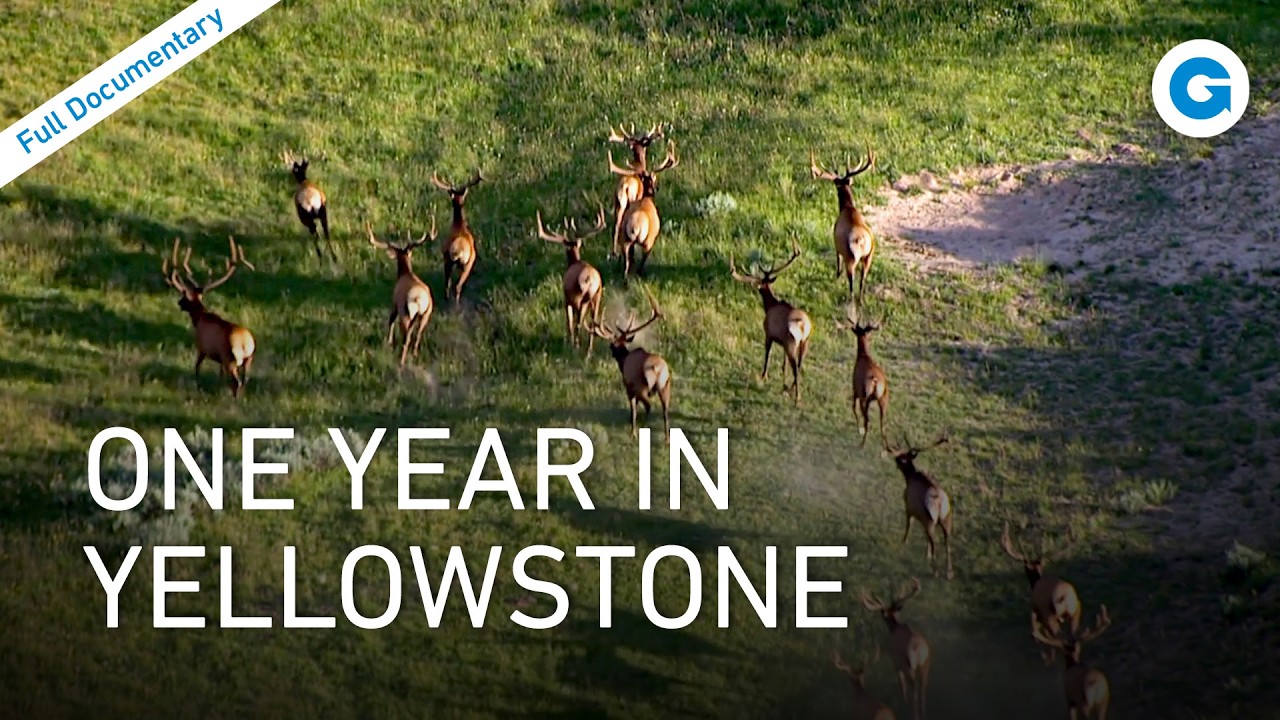
Yellowstone has managed to breed 5,000 bison from a mere 21 animals that survived near extinction in the late 19th century.
Thaya Valley, located on the border of Austria and the Czech Republic, is a sanctuary for diverse wildlife, including red deer, otters, and numerous bird species.
The Great Bear Rainforest in British Columbia is home to the rare Spirit Bear and a diverse ecosystem that relies on the annual salmon run for survival.
European forests face severe health declines due to climate change, prompting initiatives to reintroduce climate-resistant tree species and restore ecosystems.
Traditional mixed orchards in central Europe are rapidly disappearing due to industrial farming, threatening diverse ecosystems and species like nuthatches and migratory birds.
Forests across the globe, from the Arctic Circle to the Amazon, exhibit complex survival strategies and interdependent relationships among diverse species.
More than 350 million hectares of land are consumed by fire each year, equivalent to one third of Europe’s total area.
300 firefighters conduct intense training exercises in Provence as they prepare for a summer fire season marked by increasing threats from wildfires.
Gene-editing technologies like CRISPR and PRIME editing are being utilized by scientists to enhance food security, combat climate change, and address genetic disorders in humans.
In Southeast Oklahoma, Ivan Carter and conservationists study the remarkable resurgence of the American black bear in its native habitat after near extinction.
David Suzuki investigates the alarming issue of forest dieback in Canada caused by acid rain and discusses potential solutions to this environmental crisis.