From over 100,000 films, discover the handful you'll love.
Free or premium access to the world's largest documentary library.
1048 films(Page 14 of 22)
Dayonte "Moochie" Resiles faces severe legal consequences in the 2014 murder case of Jill Halliburton, despite questionable forensic evidence and significant investigative flaws.
Dubious forensic techniques, including touch DNA and cadaver dogs, have led to the wrongful convictions of innocent individuals in various criminal cases.
In Wiltshire, the case of missing nursery assistant Amanda Edwards highlights how forensic science can expose hidden evidence beneath construction sites.
On March 21, 1991, Pascale Escarfail, a 19-year-old interior designer, was found raped and stabbed in her studio in the 14th arrondissement of Paris.
In elite South Africa, privileged student Anthony Holdom brutally murders his family with an axe, while a mother and daughter are found dead in a suitcase in outback South Australia.
Ordinary police work in cities across the United States reveals how minor incidents can lead to significant breakthroughs in major criminal investigations.
Forensic experts analyze extreme heat and fragmented remains in a river to solve a cold case involving computerized fingerprint identification.
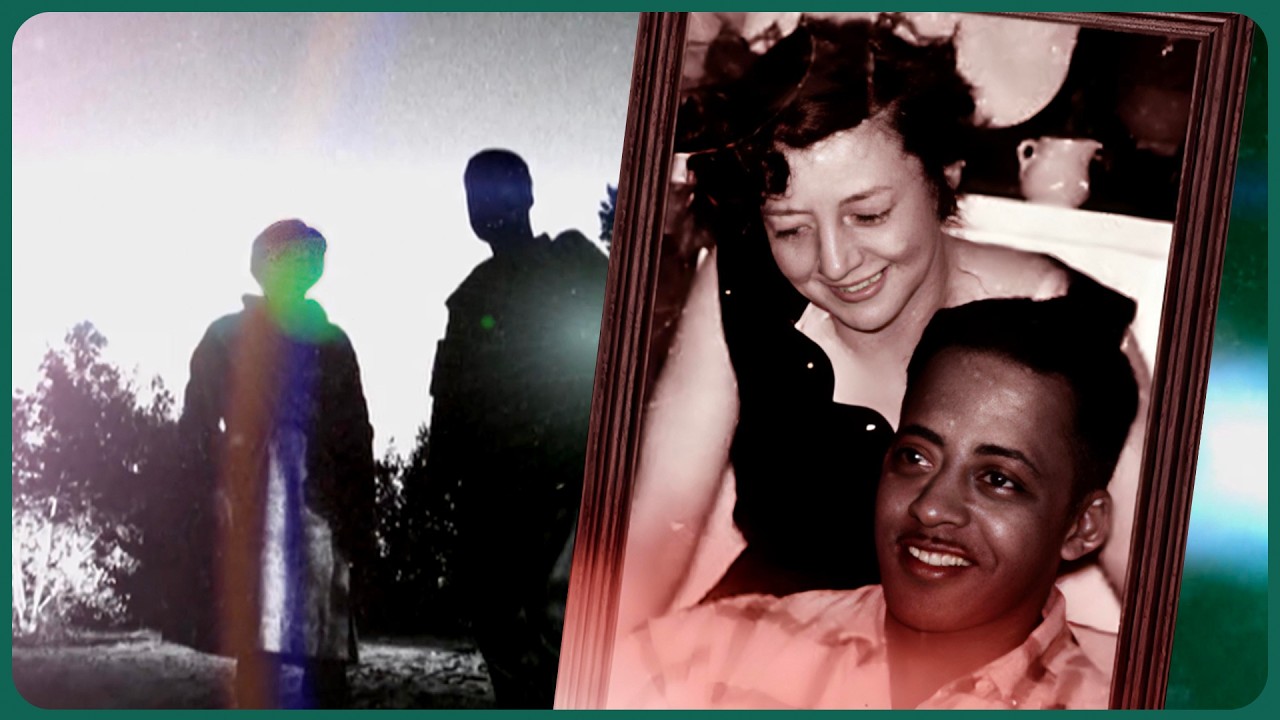
Betty Hill's clothing is subjected to DNA testing by scientists investigating her alien abduction claims, while livestock killings raise fears of a demon wolf in the Midwest.
DNA evidence links a brutal double murder in the Midlands to the suspected serial killer known as the Midlands Ripper.
In Silverthorne, Colorado, a photographer's wife disappears, while in Darby, Montana, police investigate the murder of a husband with his wife and mistress as suspects.
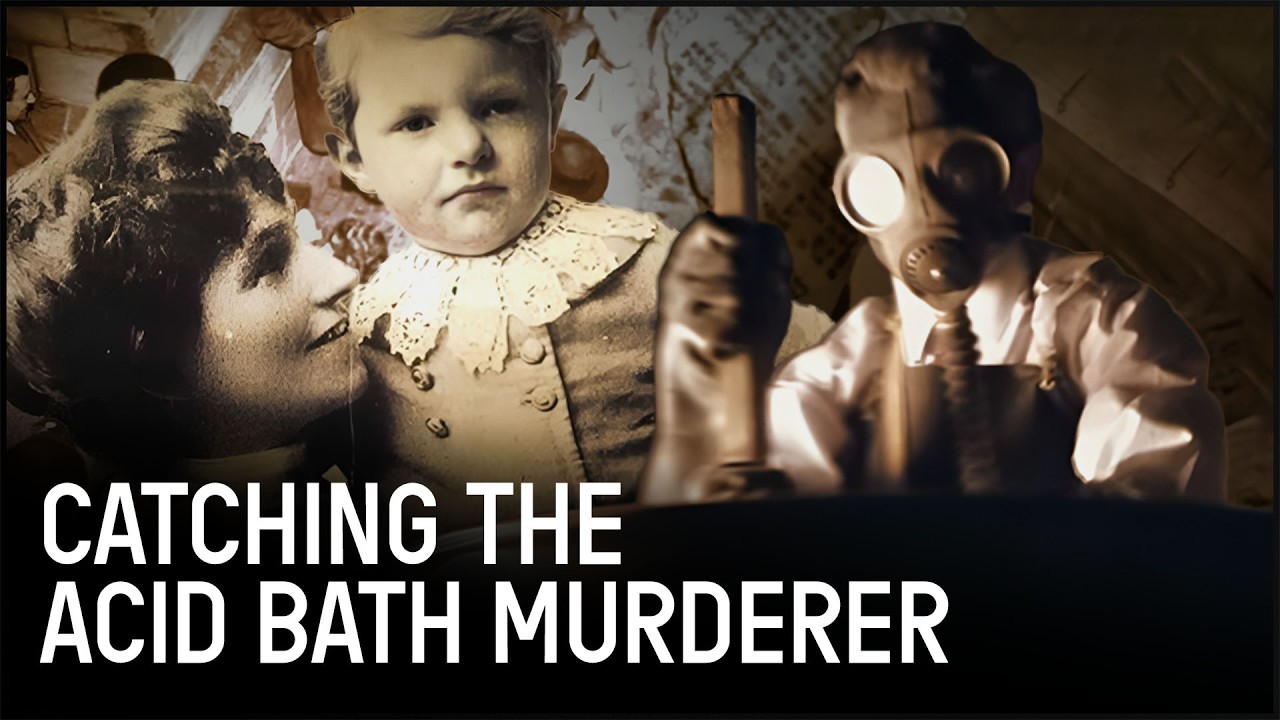
John George Haigh, a British serial killer in the post-Second World War era, targeted wealthy friends, murdering them for financial gain and disposing of their bodies in acid.
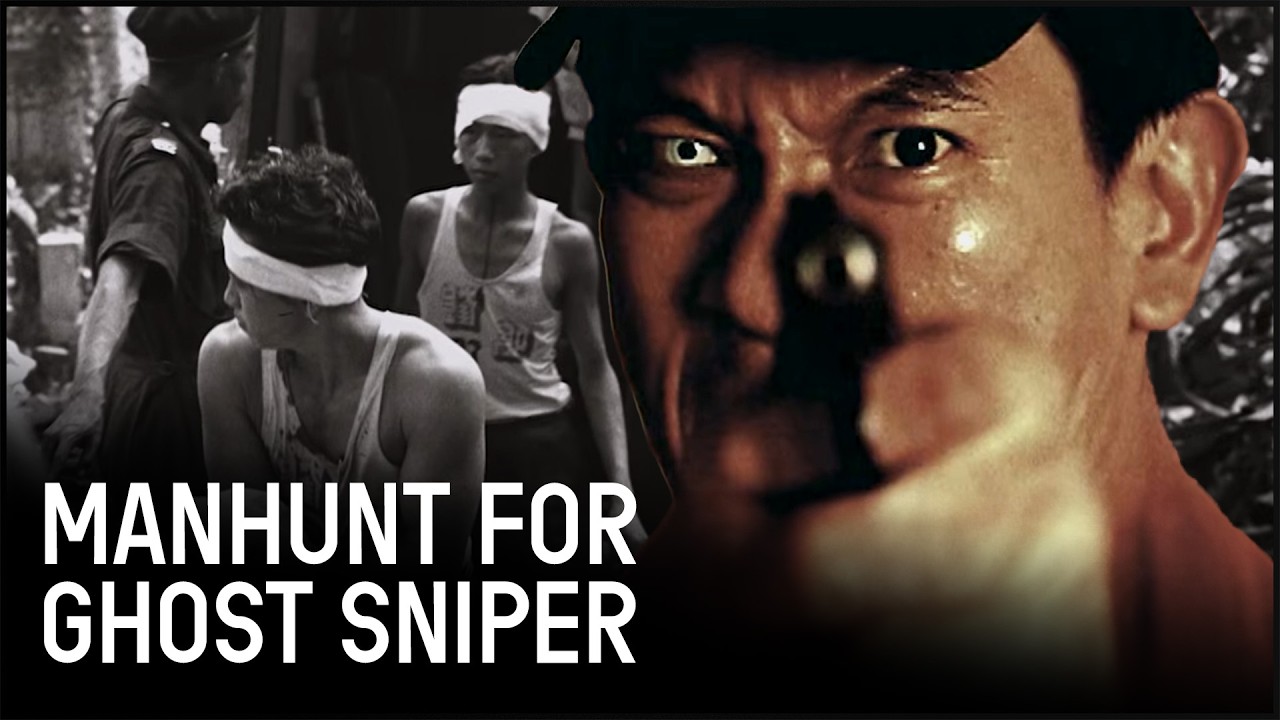
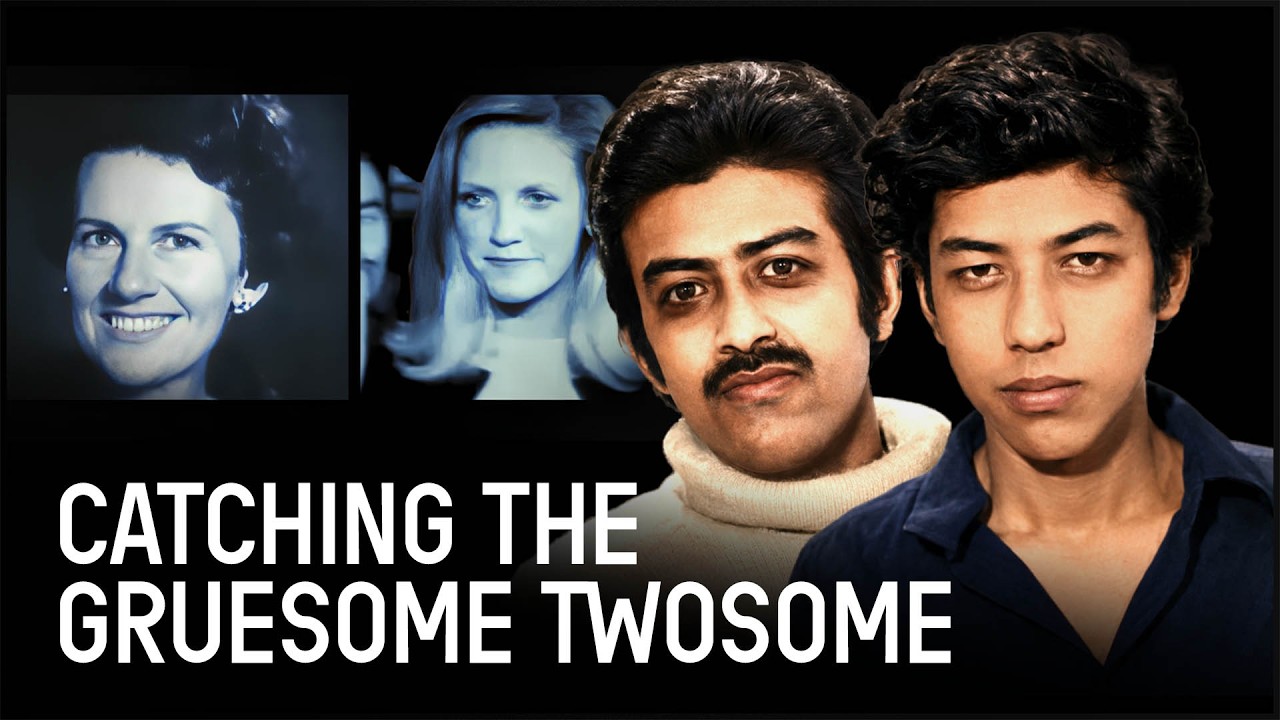
In 1970s Singapore, the rise of the Hassan brothers and a violent turf war led to the tragic death of seamstress Chan Chi Chan and significant changes in gun laws.
In 1988, a 22-year-old Sikh man in the UK is murdered after a series of affairs, leading detectives to use DNA evidence to identify his killer.
In 2010, UK investigators utilized digital forensics to solve a coordinated attack at London's Victoria Station, revealing the role of online messaging in the planning.
In Athens, Wisconsin, a family of four was found murdered on Independence Day, prompting a search for the missing matriarch and a complex investigation into the crime.
Buddy serial killers, such as the Hillside Stranglers and the Beltway Snipers, share a disturbing bond through their collaborative acts of murder.
In July 2000, the disappearance of eight-year-old Sarah Payne in West Sussex prompted a massive investigation that led to the establishment of Sarah's Law, enhancing child protection measures in Britain.
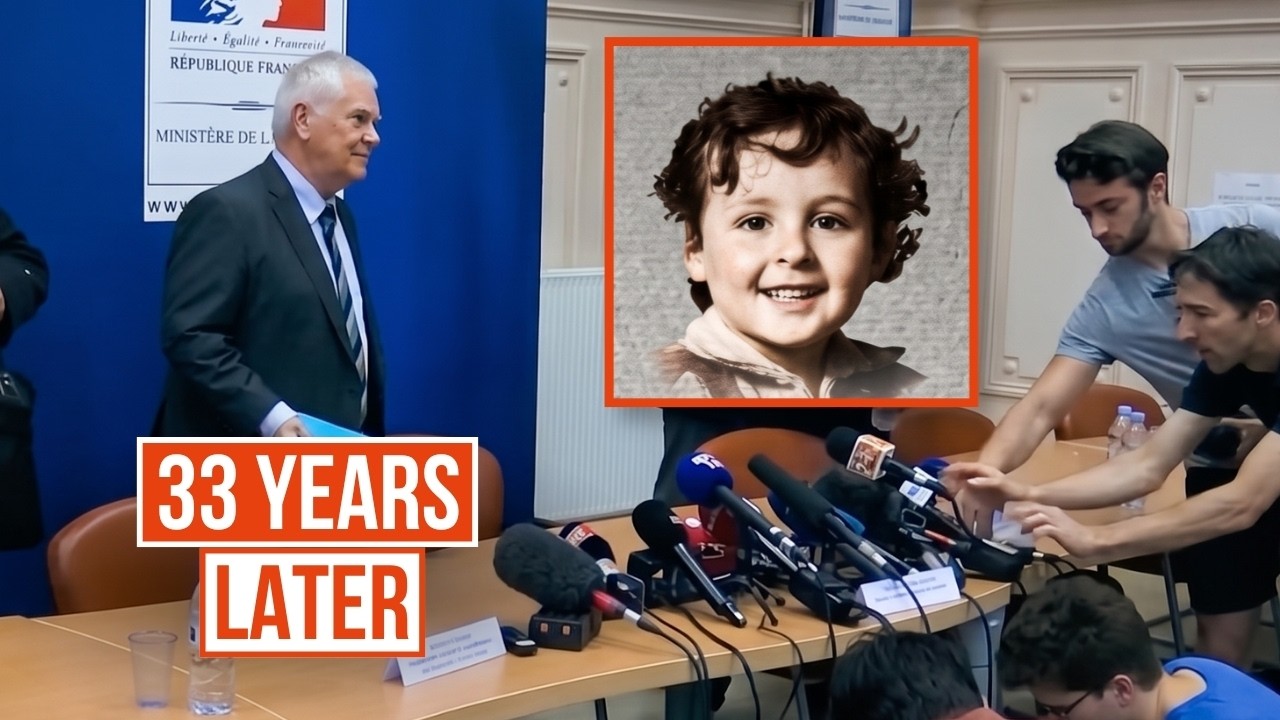
In 2017, the Grégory Villemin murder case reopened, leading to new arrests and theories while the investigation's dark legacy continued to haunt those involved.
Ordinary police officers often make significant breakthroughs in major criminal cases through routine stops and checks, as illustrated in various true crime stories.
Professor David Wilson examines the psyche of Bert Spencer, the prime suspect in the 1976 murder of Carl Bridgewater, who was later convicted for a similar crime.
In Canterbury, a 2016 dispute over a bathroom shower escalated into violence, involving Simon Gerki, a fishmonger, and Foster Christian, a troubled loner.
In 1969, Muriel McKay was kidnapped in Wimbledon, marking the UK's first major ransom case, with the perpetrators mistaking her for Rupert Murdoch's wife.
The brutal murder of Pope Alexander VI's son, Cesare Borgia, is examined through modern forensics and criminal psychology to reveal historical truths.
On March 4, 2011, in York, Mark Webb was fatally attacked by his ex-wife, Susan Webb, who then concealed the truth of the violent incident.
Harold Shipman, Stefan Letter, Michael Swango, and Alfreda Blauensteiner are examined as notorious medical professionals who committed heinous murders under the guise of care.
Rebecca Thorp's ambitious dream ends tragically when Michael Tucker murders her in their pub.
Five chilling betrayal cases highlight how meticulous planning and advanced forensics led to the capture of organized killers across the United States.
In 1940, Hallie Illingworth's body was found in Lake Crescent, leading to a murder investigation that revealed domestic violence and sparked ghost legends.
In medieval England, forensic archaeologists use advanced techniques to analyze the remains of an African man, revealing insights into his identity and life.
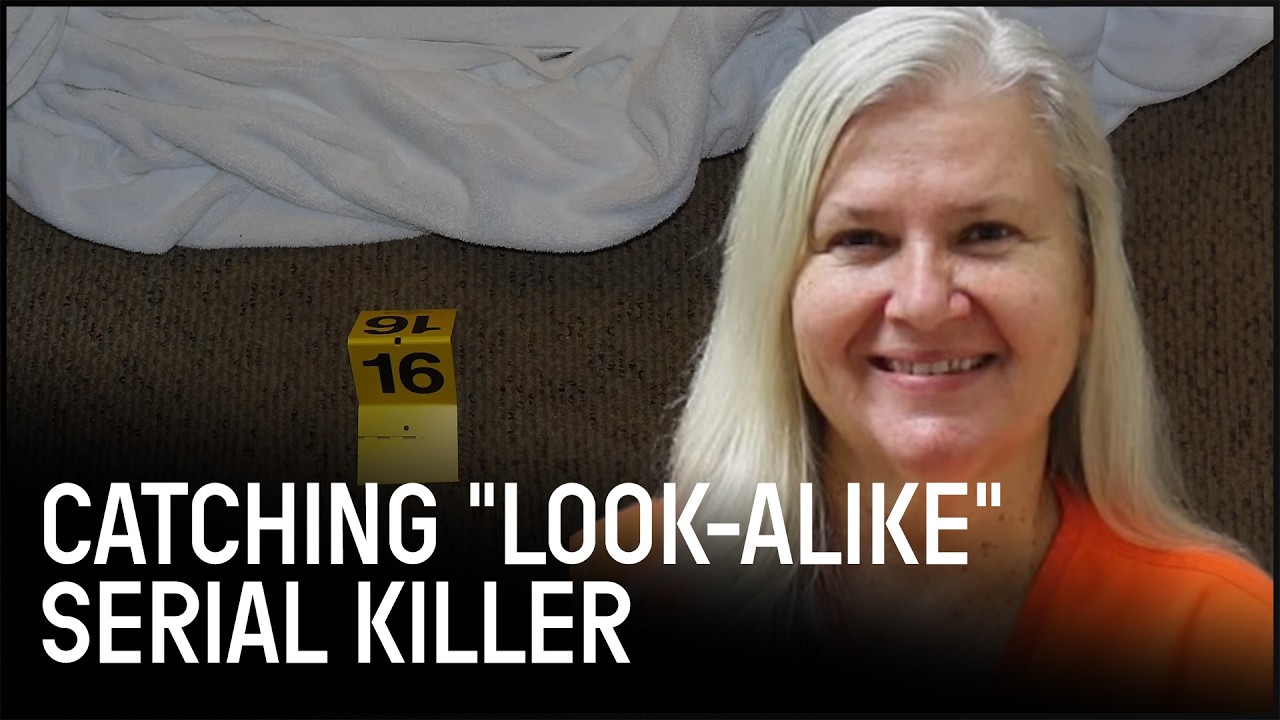
Lois Riess, a fugitive grandmother, evades capture after murdering her look-alikes to assume their identities, leading to a chilling encounter with court reporter Bernadette Matthysse.
Three teenagers' drinking party in a wooded area escalates into violence when one attacks the others, leading police to uncover a prior crime scene.
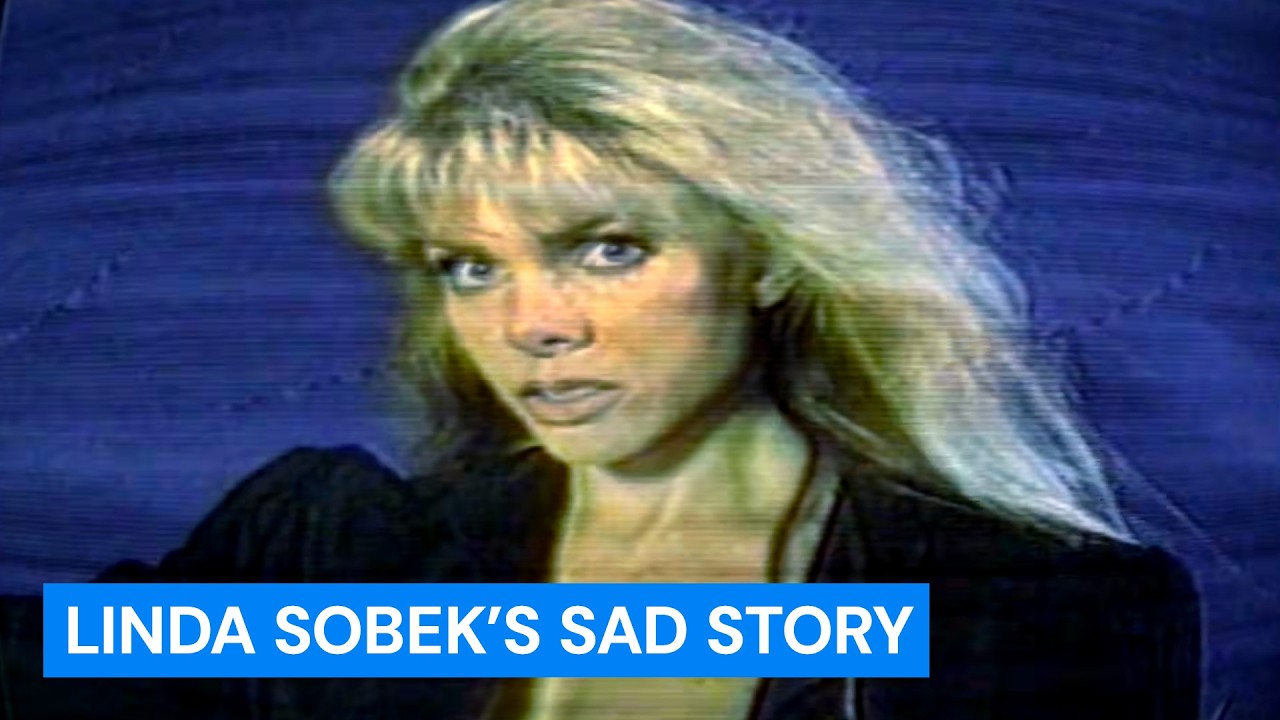
Linda Sobek, a swimsuit model and former LA Raiders cheerleader, goes missing after a desert photo shoot, prompting a police investigation into her suspicious disappearance.
Fred West's criminal activities, including the confession to his daughter's murder, are examined through the insights of Scotland Yard detective Jackie Malton.
Holly Bartlett was found unconscious under the McKay Bridge in Halifax, less than 48 hours after a night out with friends on March 27, 2010.
On September 12, 2013, Eric Mosser finds his wife Isabelle dead in their Illfurth home, prompting an investigation into the circumstances surrounding her murder.
Forensic archaeology experts in the UK utilize DNA analysis and isotopic testing to examine human remains, revealing identities and historical narratives from ancient burials.
In east London, the murders of three young gay men between 2014 and 2015 revealed the crimes of Stephen Port, a serial killer who targeted vulnerable individuals.
In July 1998, Canadian martial arts instructor Keith Black vanished, leading to a complex investigation revealing a plot involving his wife and a cover-up.
Two murders of mothers in a small town remain unsolved for twenty-eight years until a veteran detective uncovers crucial evidence leading to an arrest.
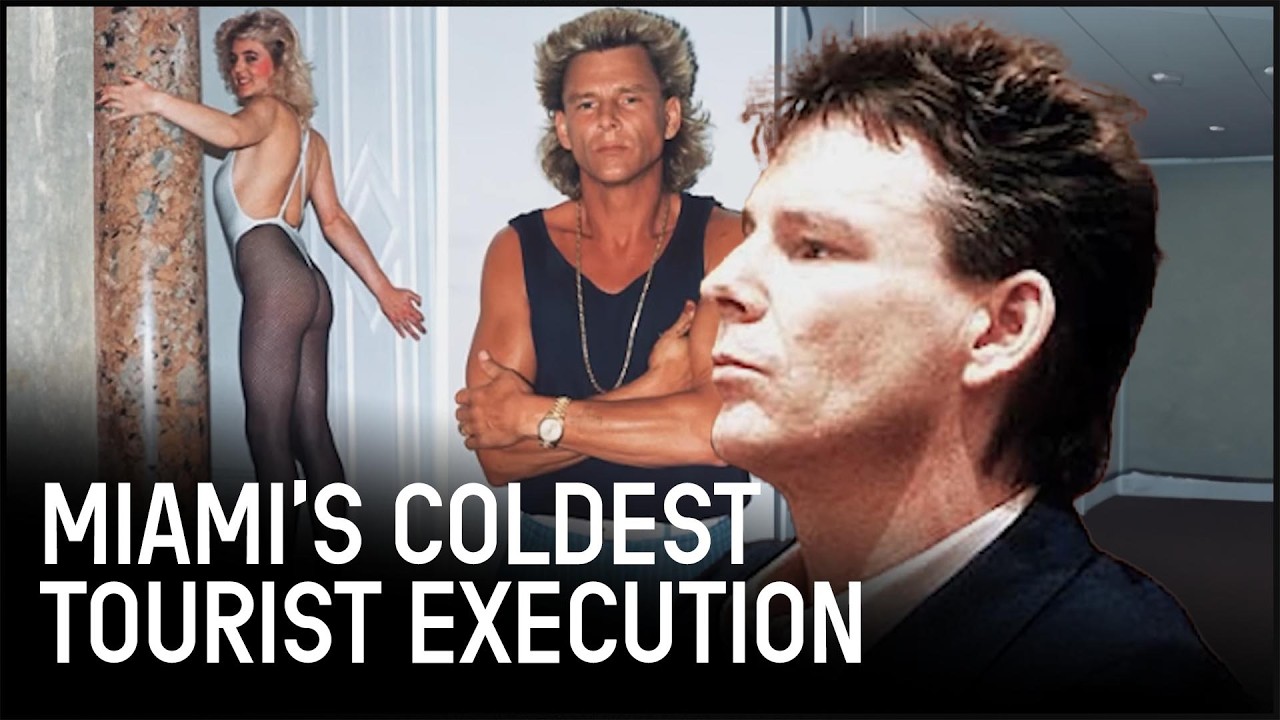
In December 1987, German tourist Dieter Reichman is arrested in Miami for the murder of his girlfriend Kirsten Kishnik, revealing a web of deceit involving life insurance policies and staged evidence.
Ordinary police officers across various communities demonstrate how routine stops can lead to significant breakthroughs in criminal investigations and prosecutions.
Ordinary police officers in the United States play a vital role in solving major crimes through routine encounters that lead to significant breakthroughs.
Medieval murder mysteries are examined through modern forensics and criminal psychology, revealing the true circumstances behind the deaths of historical figures like Richard III and Anne Boleyn.
Cynthia Sommer faces accusations of poisoning her husband Todd, who died at 23, raising questions about the circumstances surrounding his death.
Keith Harward spent 33 years in prison after being wrongfully convicted based on flawed bite mark evidence that DNA testing later proved to be unreliable.
Dr. Cheryl Wagner treats multiple women infected with AIDS by the same man, leading to public health officials issuing a restraining order against him.
Medieval murder mysteries are examined through modern forensics and expert analysis, revealing the true circumstances behind the deaths of historical figures.