From over 100,000 films, discover the handful you'll love.
Free or premium access to the world's largest documentary library.
337 films(Page 2 of 8)
Hurricanes, powerful tropical cyclones with wind speeds up to 230 miles per hour, pose increasing risks as climate change intensifies their unpredictability.
Engineers transport a new Search & Rescue Hovercraft from Southampton to Vancouver, Canada.
Train crashes and plane disasters, including notable incidents like the 2001 American Airlines Flight 587 and the 2004 South Asia tsunami train wreck, highlight the dangers of travel.
Hurricane Humberto produced hurricane force winds and gales for two days before it dissipated 600 miles south of Newfoundland.
25 people were swept away by snow in the deadliest avalanche in a decade on Mont Blanc during the summer of 2012.
Young British pilots for Susi Air navigate Indonesia's treacherous flying conditions, facing unpredictable weather and challenging airstrips in remote locations.
In the brutal North Atlantic winter, the Canadian Coast Guard's CCGS Henry Larsen battles hurricane-force winds and ten-foot-thick ice to maintain vital supply routes.
In Haiti, a magnitude 7.0 earthquake struck on January 12, 2010, while Mexico City experienced two devastating earthquakes exactly 32 years apart.
On March 24, 1999, a fire in the Mont Blanc Tunnel killed 39 people and exposed critical failures in safety systems designed to protect drivers.
Every year, the number of serious skiing accidents in the Dolomites rises, with injuries comparable to those from motorcycle accidents.
167 workers died in the Piper Alpha disaster in 1988, leading to new safety regulations for the offshore oil and gas industry.
Rookie Cops in Kent, England, showcases new officers facing real-world challenges in Season 2.
Aircraft fires pose significant risks at 30,000 feet, as showcased through real footage and insights into firefighting techniques and aviation safety measures.
In 2014, the Ebola outbreak in West Africa overwhelmed healthcare systems, highlighting the bravery of doctors, nurses, and citizens fighting the virus.
The Great Blizzard of 1888 paralyzed New York City, marking it as America's deadliest winter disaster, with a subsequent blizzard striking over 120 years later.
Lotta Dalenius, a 48-year-old nurse and single mother, has been preparing her family for crises, including armed conflict, for four years.
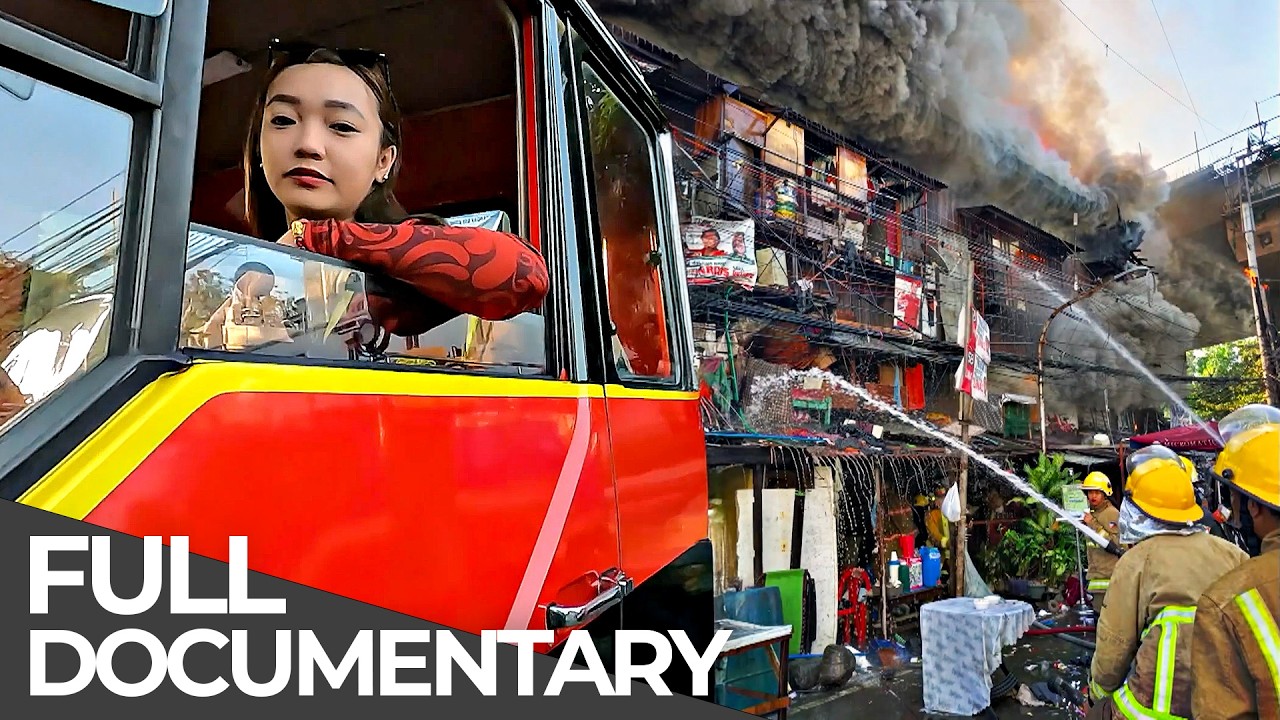
In the crowded streets of Manila, volunteer firefighters confront devastating fires, serving as the crucial first responders in their communities.
Rally paramedics, hippo wranglers, and gemstone dealers are featured in a global exploration of extreme jobs that highlight the risks and rewards of these unique professions.
In the mid-1800s and again nearly a century later, Hilo, Hawaii, experienced devastating tsunamis that reshaped the city and its community.
California's San Andreas Fault, a 1,300 km seismic zone, poses a 70% risk of a major earthquake by 2032, prompting extensive research and community preparedness efforts.
On May 20, 2013, an EF5 tornado devastated Moore, Oklahoma, claiming 24 lives and causing $2 billion in damages, while a 2009 flood in Istanbul resulted in mass casualties and destruction.
At 84, John Shackleton from Harrogate embarks on a 5,000-kilometre mission to deliver ambulances to crisis regions in Georgia.
Bangkok's volunteer emergency service sends teams to assist the injured and deceased first.
Innovative rescue helicopters, equipped with advanced technology and design features, play a crucial role in emergency response operations worldwide.
During the Vietnam War, U.S. Marines of the 2nd Battalion, 4th Regiment, known as The Magnificent Bastards, fought against the North Vietnamese Army at Dai Do from April 30 to May 2, 1968.
A seemingly perfect family in the United States conceals years of anger and resentment, culminating in a planned attack by their two sons.
A woman calls 911 while beside a sleeping serial killer, alongside a child trapped with Harambe at Cincinnati Zoo and a wedding night that ends in tragedy.
Oregon's Columbia River, known as the "Graveyard of the Pacific," poses extreme challenges for the 14 skilled bar pilots navigating its treacherous waters.
Ibiza's nightlife scene is examined through the lens of police officers, undercover detectives, and emergency medics managing the island's excesses and risks.
Wild animal attacks, such as a chimpanzee breakout in West Africa and a Siberian tiger incident at a charity dinner, highlight the dangers of captivity failures.
A construction worker suffers severe leg and chest injuries after being crushed under a cherry picker, prompting an urgent response from emergency services.
On September 11, 2001, eyewitnesses at the Pentagon recount their experiences and acts of rescue during the terrorist attack that claimed 125 lives.
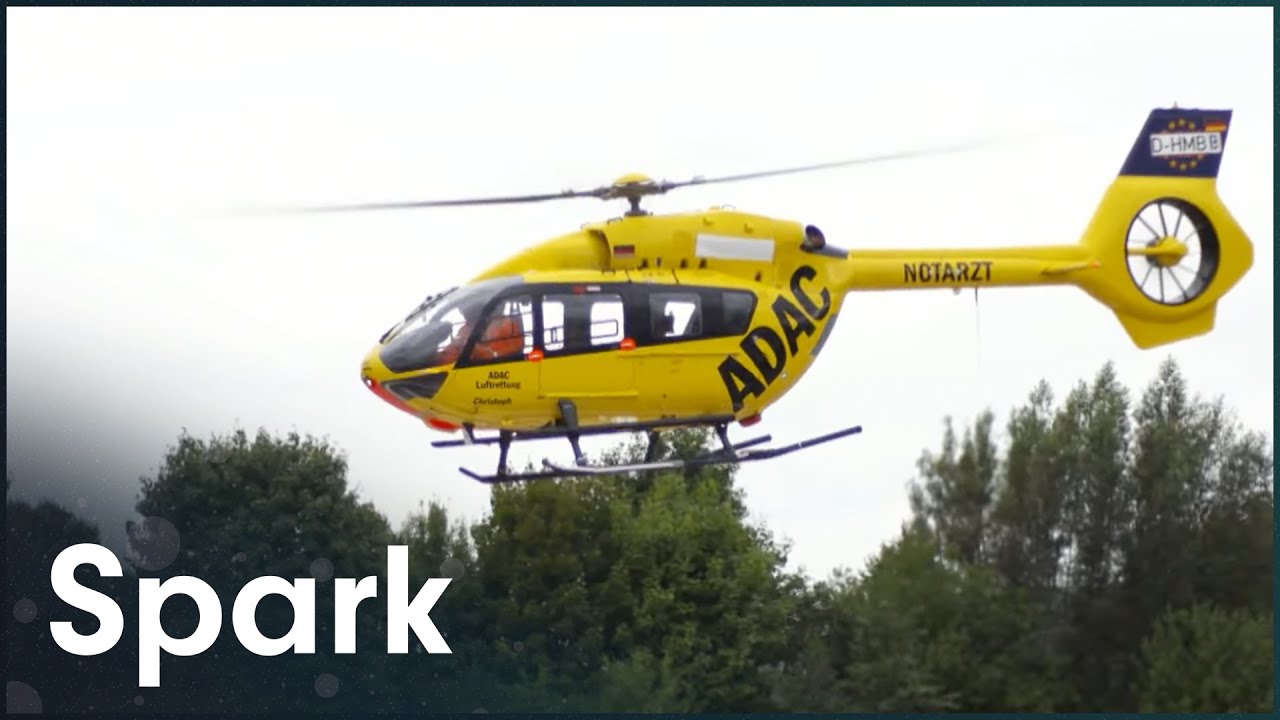
More than 100,000 life-saving missions are flown in Germany each year using advanced rescue helicopters like the H145.
On January 12, 2012, the Costa Concordia capsized off the coast of Italy, leading to a complex salvage operation that took over two years and resulted in 32 fatalities.
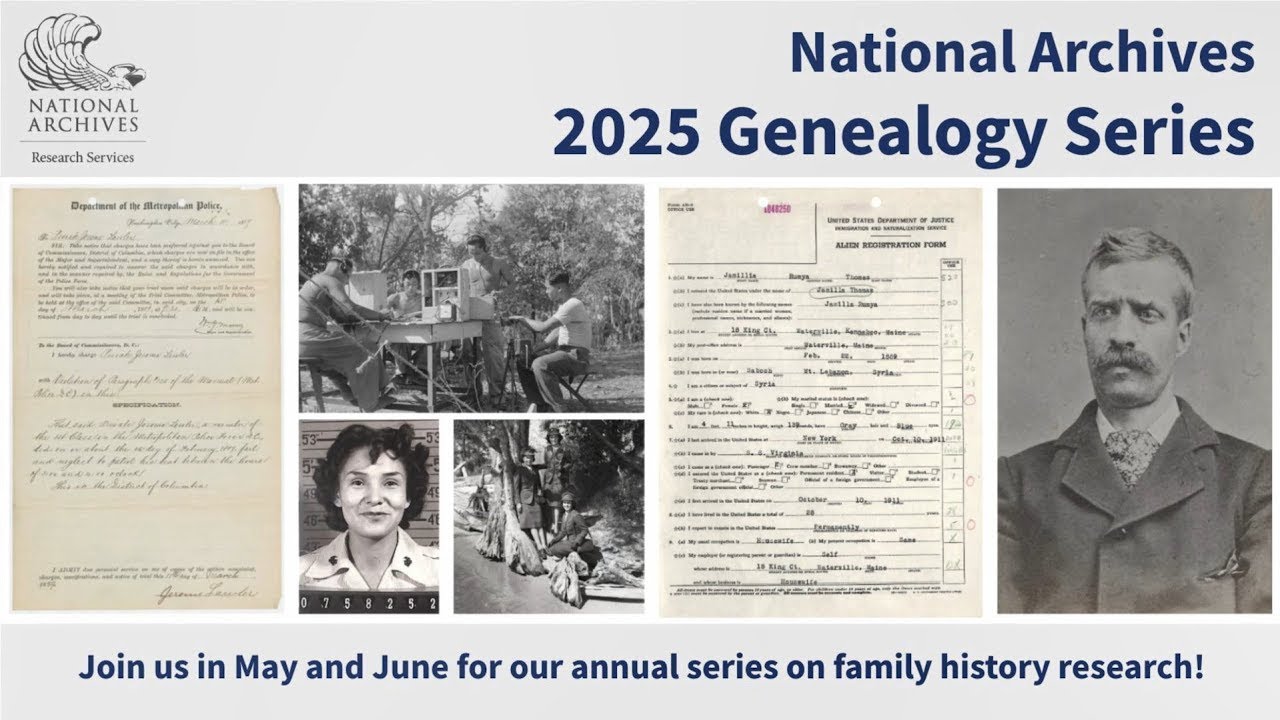
Two conservators from the National Archives discuss strategies for preserving family collections during emergencies like fires and floods.
Two weeks before Christmas, Salvation Army street workers provide food, blankets, and support to individuals living on the streets of Toronto.
A crisis bus operated by the Free Youth Clinic of Winnipeg responded to drug-related emergencies, assisting young people experiencing adverse reactions.
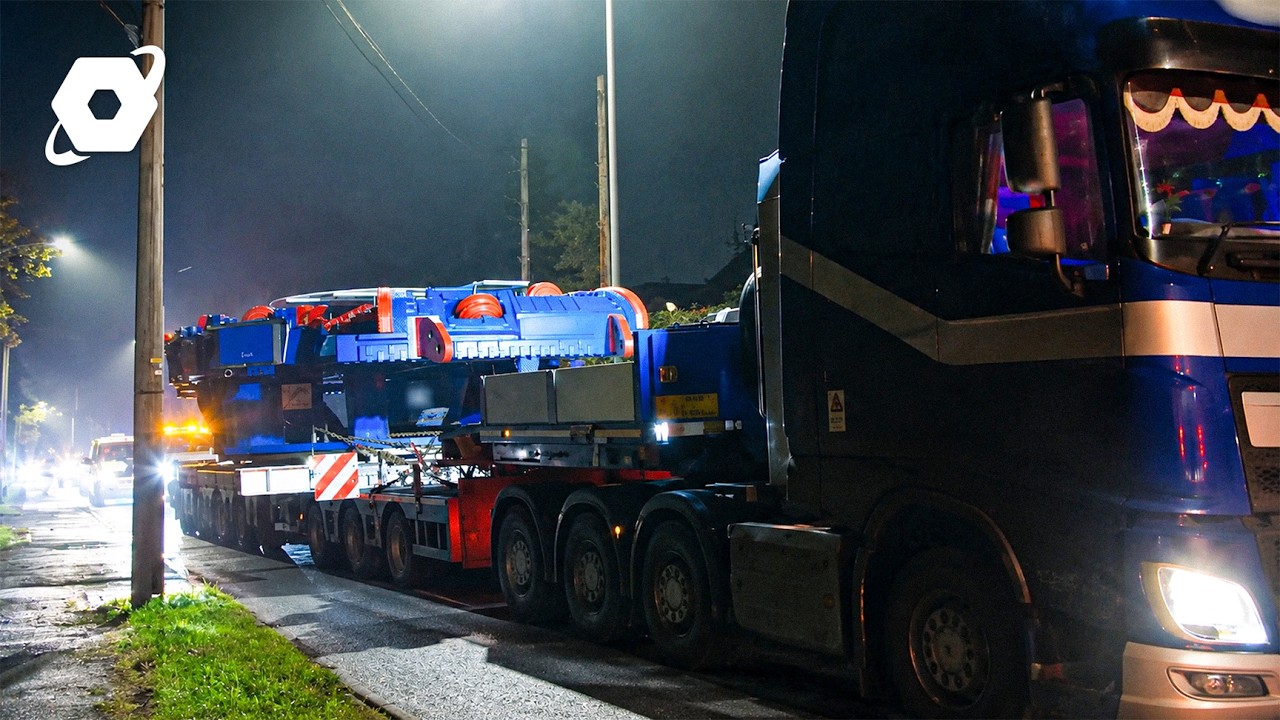
A coach becomes trapped in mud during rush hour while a 130-ton tunnel boring machine cutter head is escorted up a steep hill in the UK.
On August 14, 2018, the collapse of the Morandi Bridge in Genoa, Italy, resulted in 43 fatalities, raising critical questions about its design and maintenance.
Brittle Bone Disease affects a Colorado family whose lives are intertwined with strength and support, alongside a New York prepper family and a record-breaking Las Vegas strongman family.
In June 1964, the U.S. Air Force provided critical assistance to Niigata citizens following a devastating earthquake that caused extensive damage and an oil refinery fire.
Sunny Beach in Bulgaria has become a popular destination for young British tourists, highlighting the efforts of local services to ensure safety and enjoyment.
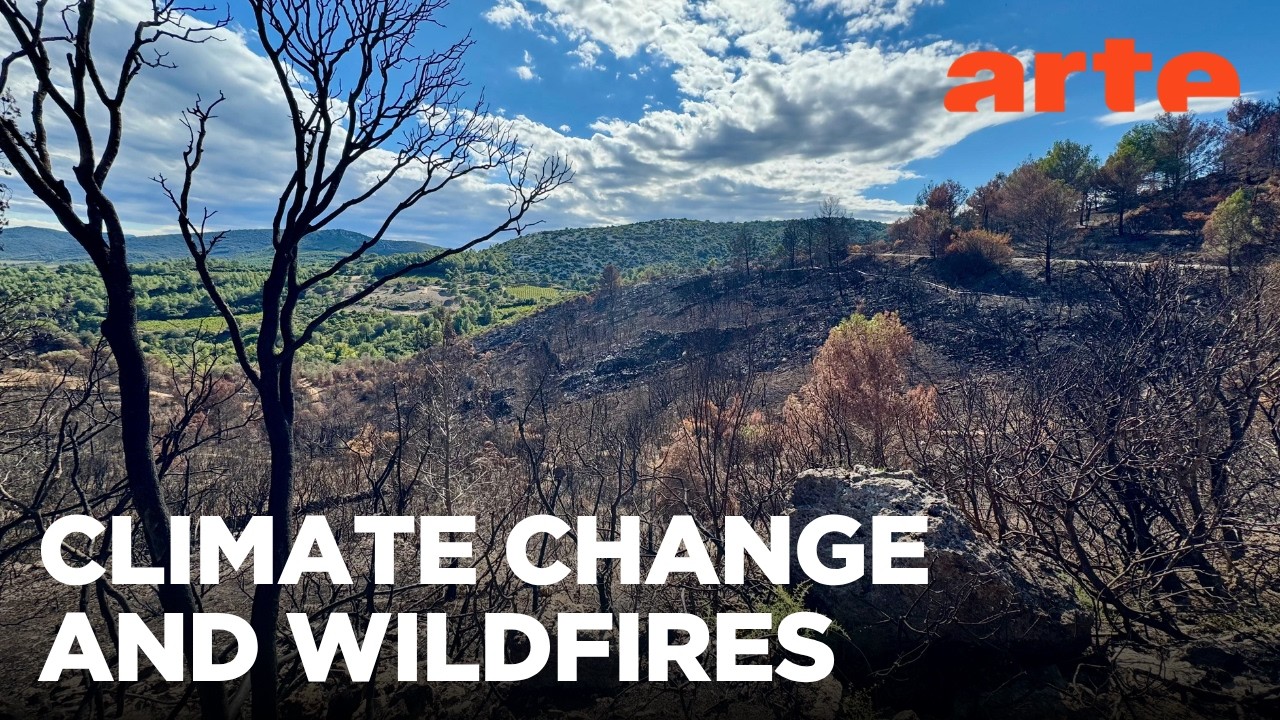
Climate change is increasing the risk of wildfires in Europe, prompting experts to develop innovative firefighting strategies across the continent.
Emergency response efforts for cultural heritage institutions in Puerto Rico are highlighted during a presentation by the National Archives Assembly and Preservation Programs.
In Malawi and Germany, drones are utilized to deliver medicines to remote areas while robots are employed to perform dangerous tasks, enhancing safety and efficiency.
In the Bay of Biscay, the crew of the Juan de la Cosa, a civilian hospital ship, responds to emergencies and saves lives at sea alongside the Spanish fishing fleet.
A 90 mile per hour hurricane struck the Jersey Shore in late October 2012, causing widespread flooding and leaving many residents without power.
A major trauma center in London treats patients in a 24-hour period, including an injured cyclist and a woman in critical condition.