From over 100,000 films, discover the handful you'll love.
Free or premium access to the world's largest documentary library.
1740 films(Page 36 of 37)
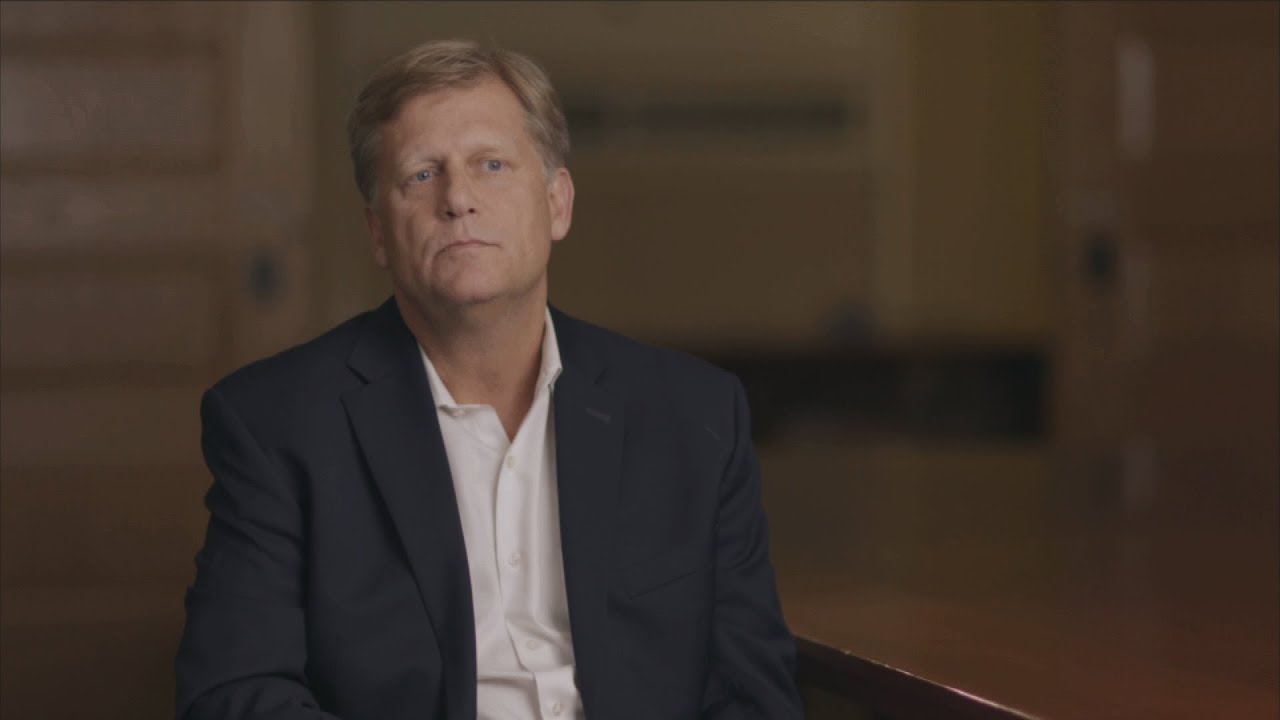
Michael Hayden criticizes Donald Trump's qualifications and potential risks to national security.
24 million Americans tuned in to watch the Republican debate where Donald Trump first captured national attention with his controversial remarks.
Steve Bannon discusses impeachment, predicting charges against Trump and highlighting Nancy Pelosi's tactics.
Glenn Beck discusses conservatism's future with Michael Moynihan at his Idaho ranch.
The video questions if liberals have lost the immigration argument in the UK political landscape.
Todd Zwillich discusses propaganda's threat to Democracy in America in this episode of Breaking the Vote.
Three bullets struck Imran Khan during a rally, leaving him with serious injuries as he navigates political unrest and potential arrest in Pakistan.
Dr. Subramanian Swamy discusses Muslims and discrimination in India from New Delhi.
Benny Gantz discusses Israeli politics and Netanyahu's potential ousting in an exclusive interview.
Speaker John Boehner resigns from Congress in October, reflecting on the 2016 election chaos.
Ken Starr reflects on the Clinton impeachment and the Muller investigation in Palm Beach.
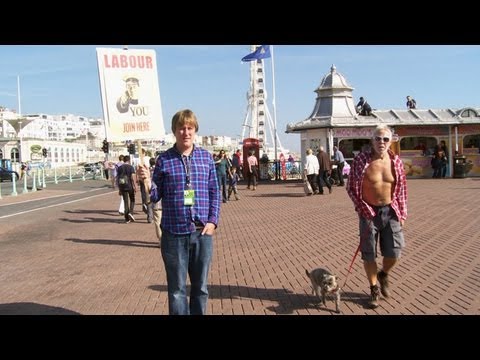
John Harris questions why anyone would join the Labour party at the Labour conference.
Adam Kinzinger identifies the Charlottesville incident as a significant warning sign about Donald Trump's approach to white nationalism and its implications for democracy.
Alyssa Farah Griffin recalls that in 2015, most members of the freedom caucus supported candidates like Ted Cruz and Rand Paul over Donald Trump.
During the Republican primary debates in 2016, candidates were asked if they would accept the election results, with Donald Trump indicating he might not.
Donald Trump lost the 2020 election, according to John Bolton, who argues that claims of widespread fraud were unfounded and poorly handled.
In 2015, Mark Sanford noted that Donald Trump referred to 'alternative facts,' raising concerns about the implications for political discourse and truth.
Mitch McConnell suggested that Donald Trump should exhaust all legal remedies after Trump claimed he won the 2020 election, challenging democratic norms.
During a family vacation, Paul Ryan calls Donald Trump to express disbelief over his comments regarding the white nationalists involved in the Charlottesville riot.
A 48-hour period following the 2020 election saw Republican leaders paralyzed by Donald Trump's false claims of victory, undermining public trust in democracy.
Nicholas Sturgeon, Scotland's First Minister, discusses SNP's role in the 2015 general election.
BDS, a campaign launched in 2005, calls for boycotting, divesting from, and imposing sanctions on Israel until it ends its occupation of the 1967 territories.
Alastair Campbell mentions that he receives real grief from the public, which he estimates he could count on maybe 200 occasions.
Angela Rayner became a mother at 16 and left school without qualifications, but she later returned to education and earned a qualification in care.
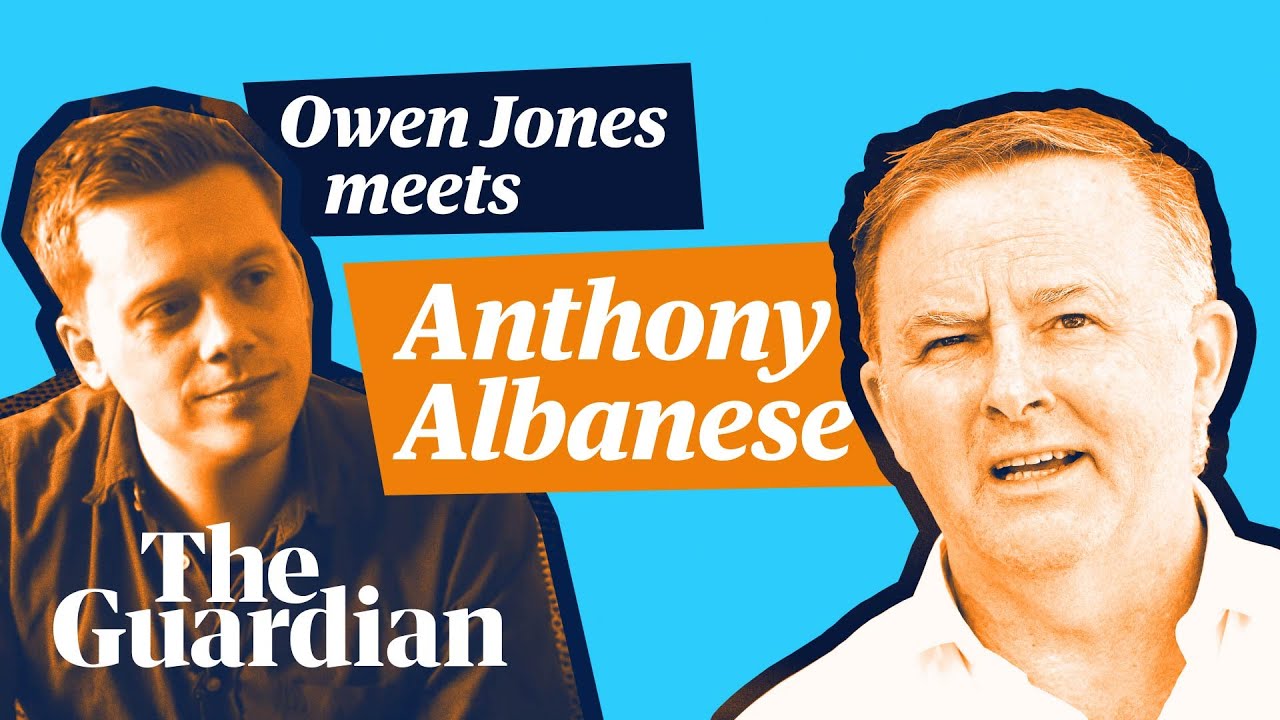
The Australian Labor Party led every poll for two years before suffering an unexpected electoral defeat, according to party leader Anthony Albanese.
Carlo Lukas discusses the dangers of Boris Johnson's politics and Brexit's impact on democracy.
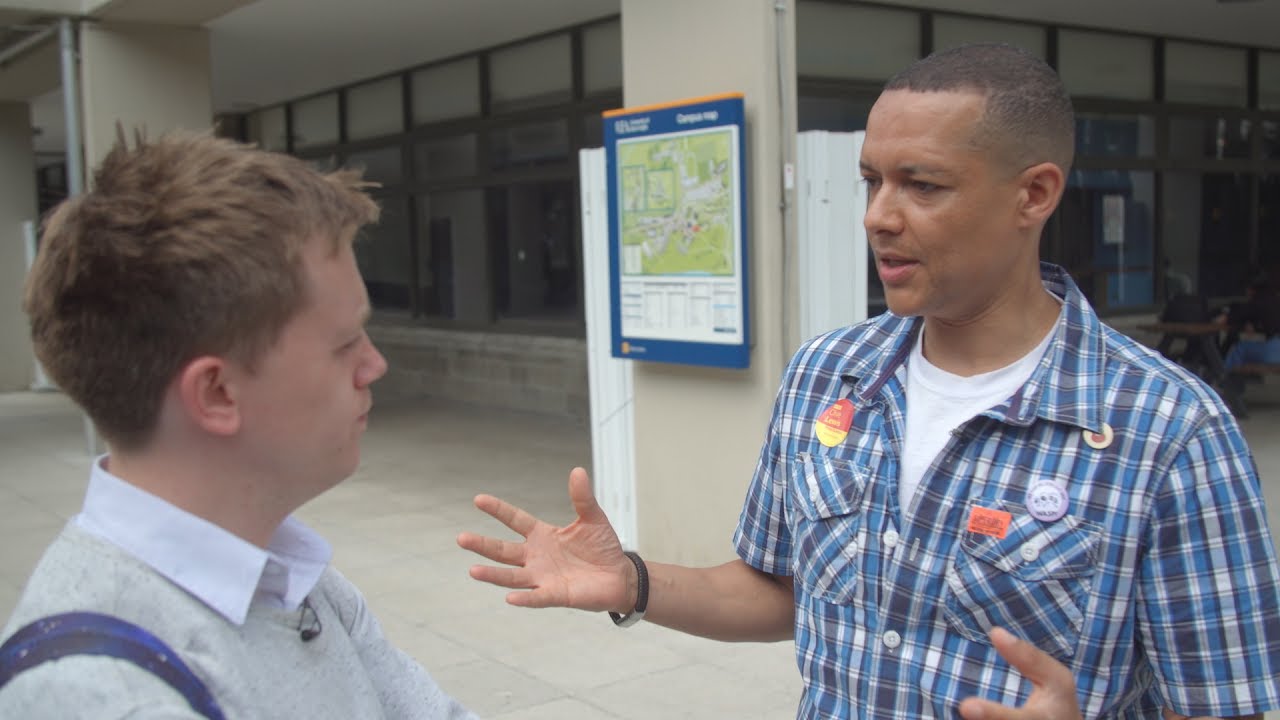
Six days remain before the general election as Owen Jones talks with Clive Lewis about Labour's campaign challenges and the Conservative manifesto.
Clive Lewis, Labour's shadow defence secretary, reflects on his first year as an MP and the challenges facing the party under Jeremy Corbyn's leadership.
Diane Abbott, the first black female MP in the House of Commons, discusses her experiences with racism and sexism in British politics and the fight for representation.
40 percent of children in Islington grow up in poverty, despite the area's affluent image and the presence of wealthy residents.
James O'Brien states that the Remain campaign lost the referendum partly because they tried to fight emotions with facts and then emotions with emotions.
Verity Jeremy Corbyn leads the Labour Party amid Corbin Mania and media scrutiny.
Jess Phillips, elected in May, doubts the Labour Party could win a general election if held today, citing trust issues on the economy and security.
Jeff Phillips discusses Birmingham's early election mood and community engagement with Myra.
John Lansman ran Jeremy Corbyn's leadership campaign and founded the left-wing group Momentum, playing a key role in the Labour Party's shift to the left.
Two-thirds of Labour MPs represent constituencies that voted to leave the European Union, complicating the party's stance on Brexit.
Owen Jones and Kezia Dugdale discuss Scottish Labour's challenges on a very sunny warm Scottish day.
Jeremy Corbin was elected leader of the Labour Party with nearly 60% of the vote, yet a coup attempt has led to a contentious leadership contest.
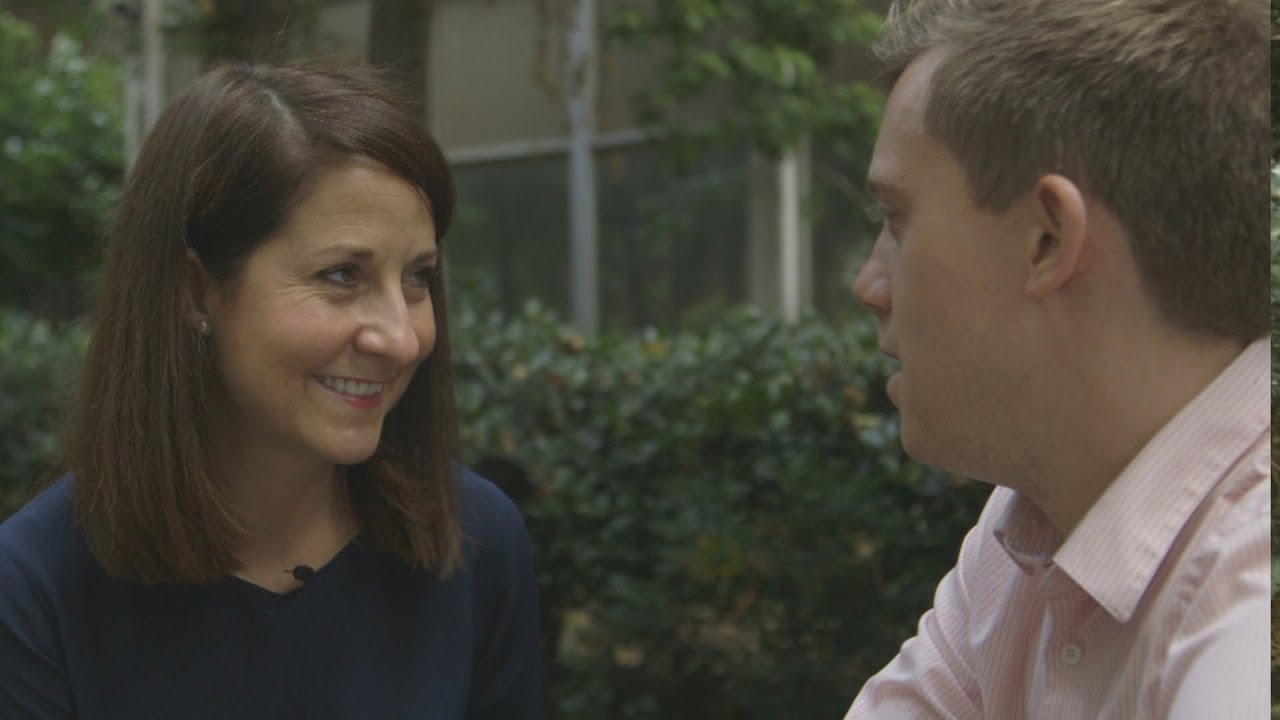
Labour lost 48 seats to the Scottish National Party, prompting Liz Kendall to discuss her candidacy and critique Jeremy Corbyn's policies in Westminster.
A leadership contest erupts in the Labour Party following a coup against Jeremy Corbyn, prompting Owen Smith to outline his vision for the party.
Owen Jones meets Pablo Iglesias, leader of Podemos, on the last day of Spain's general elections to discuss the party's rise and the future of the left in Europe.
Owen Jones interviews Sadiq Khan about his Labour candidacy for Mayor of London and housing issues.
Nancy Pelosi discusses the January 6 insurrection and its impact on her staff and democracy.
A £13,000 cheque for capital gains tax sparks outrage as Polly Toynbee questions Harriet Harman about the Labour party's handling of the MP expenses scandal.
In early August, the White House knew that Vladimir Putin ordered actions to undermine Hillary Clinton and support Donald Trump.
A hung parliament surprised many, including David Vujanic, who accurately predicted the outcome and discussed youth political engagement.
Steve Bannon discusses impeachment strategies and praises Pelosi's political skills on Capitol Hill.
In 1986, Justice Antonin Scalia was confirmed to the Supreme Court with a unanimous vote of 98 to 0, a stark contrast to the contentious nominations that followed.