From over 100,000 films, discover the handful you'll love.
Free or premium access to the world's largest documentary library.
145 films(Page 3 of 4)
The Guardian discusses how Facebook enables precise targeting of political ads in elections.
China supports Russia's narrative on Ukraine, with the government refusing to call Russian actions an invasion.
Germany reports the first person-to-person coronavirus infection outside Asia from a Chinese colleague.
China claims the novel coronavirus may have originated outside Wuhan, challenging initial reports.
Kiran Stacey questions if faulty tech sabotaged Bernie Sanders in the Iowa caucus.
Kiran Stacey reports on Facebook and Twitter deleting Chinese accounts linked to Hong Kong protests.
Whistleblowers reveal Facebook's inadequate data protection and its impact on users.
Frances Haugen states that Facebook's algorithms can lead children from neutral interests like healthy eating to harmful content such as anorexia.
The video debunks claims of fake Ukrainian actors staging a Russian attack in a film production.
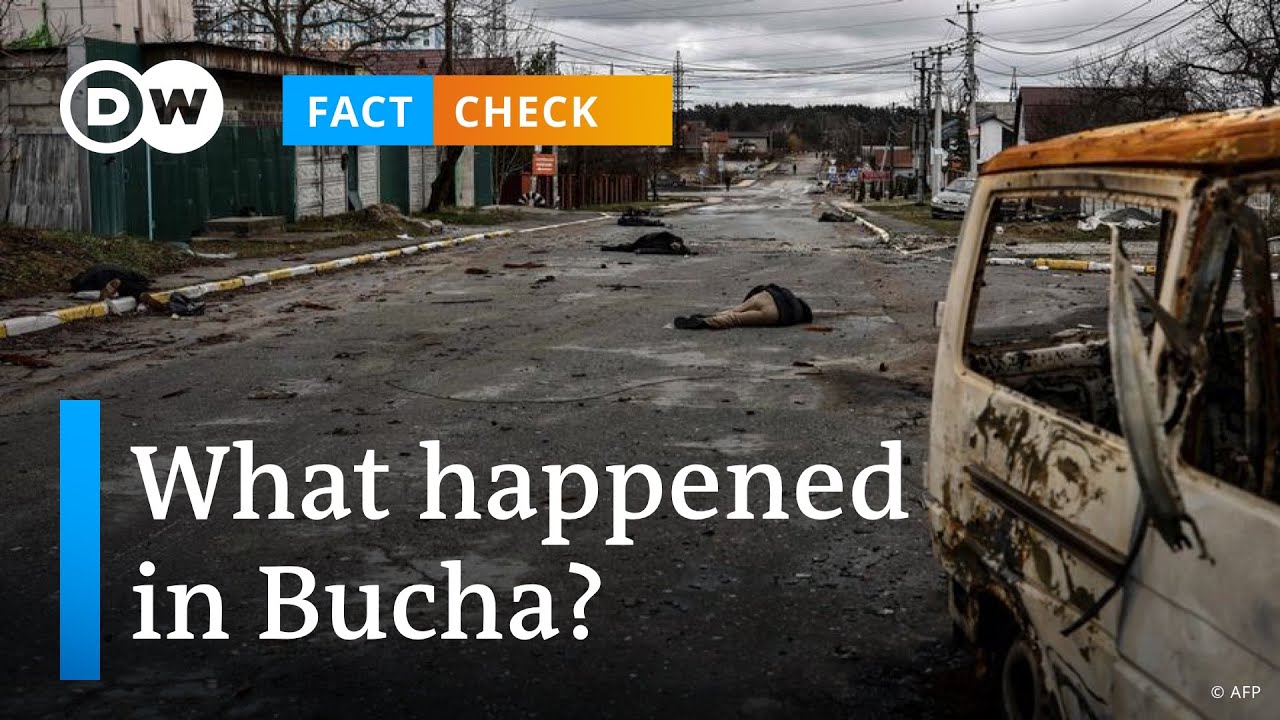
Ukrainian officials accuse Russia of a massacre in Bucha, countered by Kremlin media claims.
Ongoing discussions about the re-branding of fake news are highlighted alongside other significant stories that may have been overlooked in current affairs.
A former MI6 chief claims COVID-19 may have originated from the Wuhan Institute in China.
Fox News settles with Dominion for $787.5 million over false election claims.
Former president Donald Trump supporters demand audits in Georgia amid election fraud claims.
A joke news article by Dow Jones about a merger between Google and Apple briefly impacts share prices, illustrating the effects of misinformation in financial markets.
Crisp Thinking helps Unilever manage online misinformation and brand crises effectively.
Social media platforms like Facebook can be manipulated to influence elections, as seen in the role of UK support in Vladimir Putin's landslide victory in Russia.
The Conservative Party uses aggressive tactics and disinformation in the UK election against Labour.
Trump's claims of election fraud persist, influencing Arizona's Maricopa County audit and GOP campaigns.
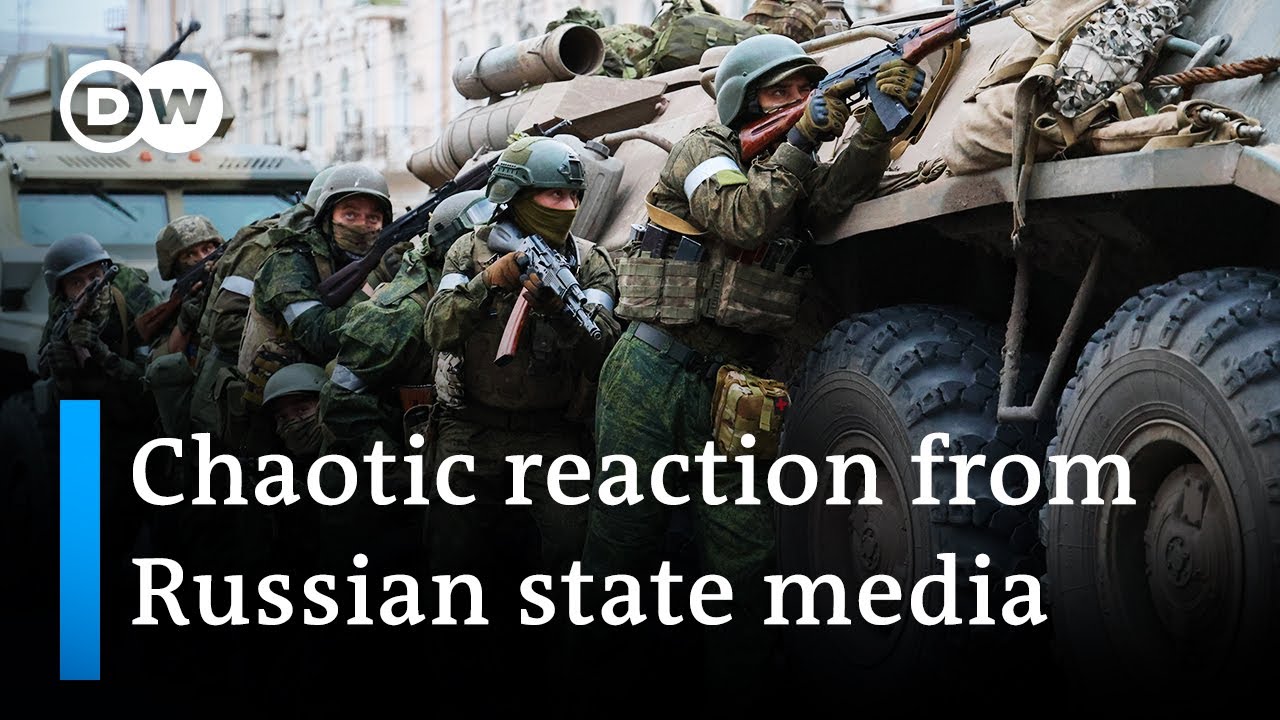
Yevgeny Prigozhin's attempted coup with the Wagner Group creates a significant challenge for Russian state media in reporting the unfolding political crisis.
Tech companies like Facebook and Twitter fight misinformation ahead of the next election.
More than a third of people now get their news through smartphones, prompting a need to break out of news bubbles and diversify sources.
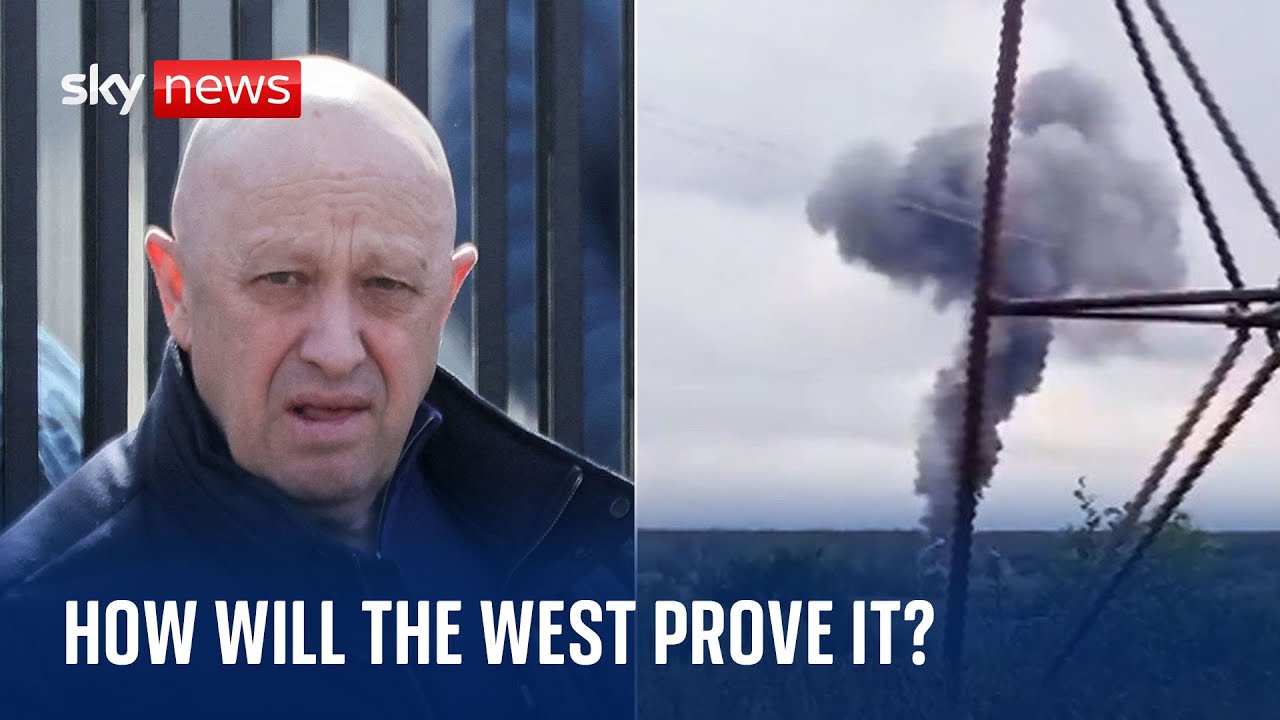
Philip Ingram Phillip discusses the plane crash involving Prigozhin and the Russian Authority's report.
David Hogg faces conspiracy theories as YouTube's algorithm promotes misleading content.
Benjamin Strick counters Kremlin disinformation following the Russian invasion of Ukraine.
Q clearance, a designation from the Department of Energy, is mentioned as part of the discussion on the origins and implications of QAnon.
China sends medical expertise and supplies while the West faces a deepening coronavirus crisis.
EU Regulators warn Elon Musk over disinformation on Twitter regarding Gaza and Tik Tok videos.
Hannah Kuchler presents key points from Mark Zuckerberg's testimony on data privacy issues.
A Washington officer's final sign off leads to a discussion on mocking anti-vaxxers online.
Russia accuses the UK of sabotaging the Nord Stream pipelines amid rising tensions.
Oona, a North Korean host in Pyongyang, shares her life in English, challenging Western narratives.
Britain's Armed Forces Minister combats pro-Russian disinformation about coronavirus on Twitter.
Since Russia's invasion of Ukraine, Putin's propaganda campaign faces resistance from journalists.
A suspect wanted for murder shared a video of the crime on Facebook, which included a gang rape of a teenage girl watched by dozens live.
The Kremlin spreads disinformation by confusing the public and turning allegations around.
Kentucky's Trump country reveals deep mistrust of media and the impact of fake news.
Russia claims a terrorist attack in France linked to Ukraine, while Bakhmut faces heavy fighting.
Russia claims the Ukrainian military attacked a hospital, but experts call it disinformation.
Over three and a half million people viewed a manipulated video that falsely claimed to show a Ukrainian corpse moving, but it originated from Austria.
Hannah Murphy discusses forces behind voter manipulation ahead of the US presidential election.
Experts at The Guardian define data journalism and its impact on modern reporting.
Christopher Wylie reveals Cambridge Analytica's data practices and political connections.
President Biden orders intelligence officials to investigate COVID-19's origins linked to Wuhan lab.
QAnon's belief system thrives on getting burned and false predictions like March 4th.
Hybrid warfare in the Russia-Ukraine conflict features Ukrainian hackers targeting Russian sites and the IT Army's 290,000 volunteers combating disinformation.
Sean reports on the crash that allegedly killed Yevgeny Prigozhin and raises skepticism.
Todd Zwillich discusses propaganda's threat to Democracy in America in this episode of Breaking the Vote.