From over 100,000 films, discover the handful you'll love.
Free or premium access to the world's largest documentary library.
277 films(Page 1 of 6)
$200 million in cryptocurrency became inaccessible after Gerald Cotten's disappearance in December 2018, leaving investors in turmoil.
Greece experienced an inflation rate of 13,800 percent in October 1944, marking one of the worst cases of hyperinflation in history.
34,000 children die every day from poverty and preventable diseases, while 50 percent of the world's population lives on less than two dollars a day.
Most people do not understand what Bitcoin is and how it impacts money today.
Bitcoin, the first digital currency, allows users to manage their own money without control from banks or governments.
Cryptocurrency, including Bitcoin and NFTs, is examined through its technological foundations, historical context, and potential societal impacts.
On August 15, 1971, President Nixon suspended the dollar's convertibility into gold, marking a significant shift in the global financial system.
In Botswana, Bitcoin pioneers Alakanani Itireleng and Lorien Gamaroff explore how cryptocurrency could transform Africa's financial landscape amid global instability.
Bitcoin was invented in secret and is described as programmable money that could disrupt traditional banking systems.
A 16th-century shipwreck in a Kent quarry, along with ruins of Henry VIII's secret assay house, reveals insights into Tudor craftsmanship and royal fraud.
Fort Knox, the U.S. Bullion Depository, houses an estimated $73 billion in gold within its highly secure vaults, serving as a symbol of national wealth and security.
The Euro was introduced on January 1, 1999, as a key step in European integration, uniting 11 countries under a single currency.
In the aftermath of the 2008 financial crisis, UK banks systematically bankrupted over 100,000 small businesses, transforming trusted institutions into exploitative entities.
Bitcoin, a decentralized digital currency, is examined for its potential to challenge traditional banking systems and reshape global economic practices.
Ancient Egypt's economic systems are examined to trace the evolution of capitalism, featuring insights from experts like Dr. Julianne Malveaux and Dr. Leonard Jeffries.
Bitcoin's origins, societal impact, and potential future implications are examined through various perspectives and expert insights in this exploration of digital currency.
Blockchain technology presents the potential for a decentralized web3.0 that could empower users to control their data, amidst challenges from major corporations.
Farley Grubb presents a detailed analysis of how the Continental Dollar functioned as a zero-coupon bond rather than a fiat currency during the American Revolution.
Bitcoin, the world's first decentralized digital currency, challenges traditional financial systems by allowing users to control their own money without banks or governments.
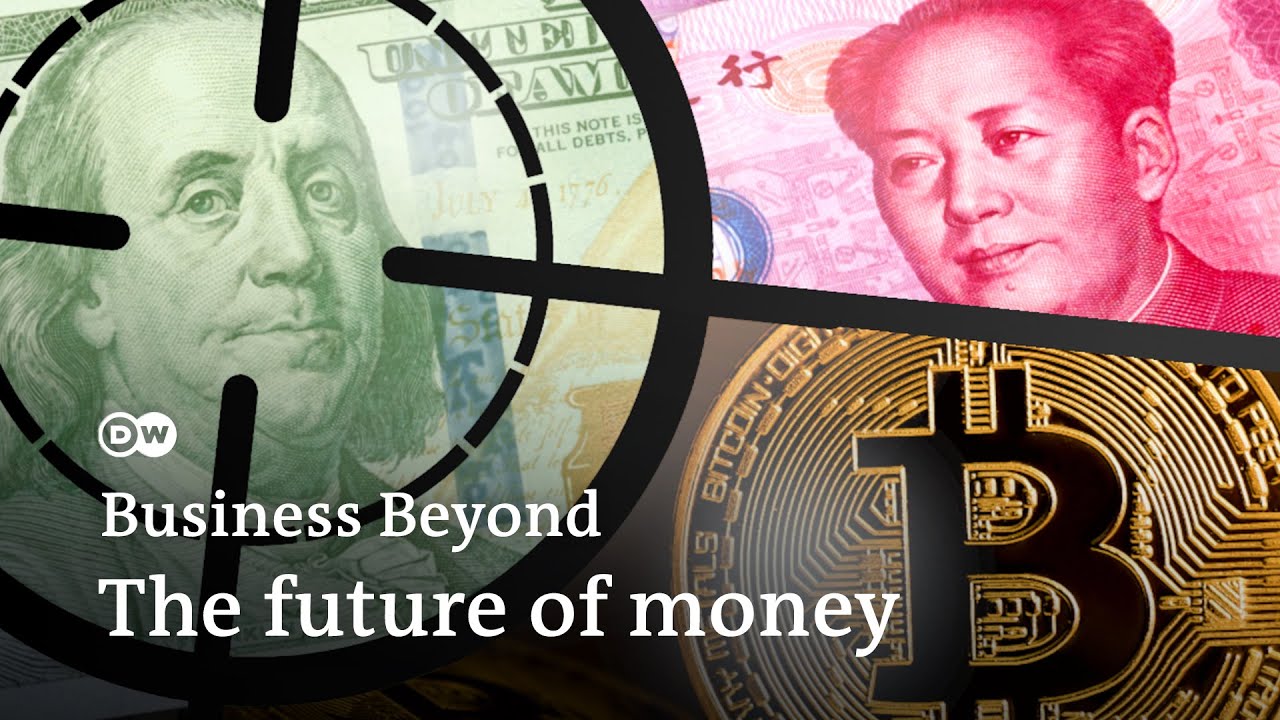
Bitcoin represents a potential alternative to traditional currencies, challenging the practices of central banks and the debt-driven creation of money.
Half of every transaction involves money in exchange for goods or services, raising questions about the future of currency in a digital age.
Scandinavia's readiness for Bitcoin serves as the focal point of a road movie exploring the implications of blockchain technology and digital currency.
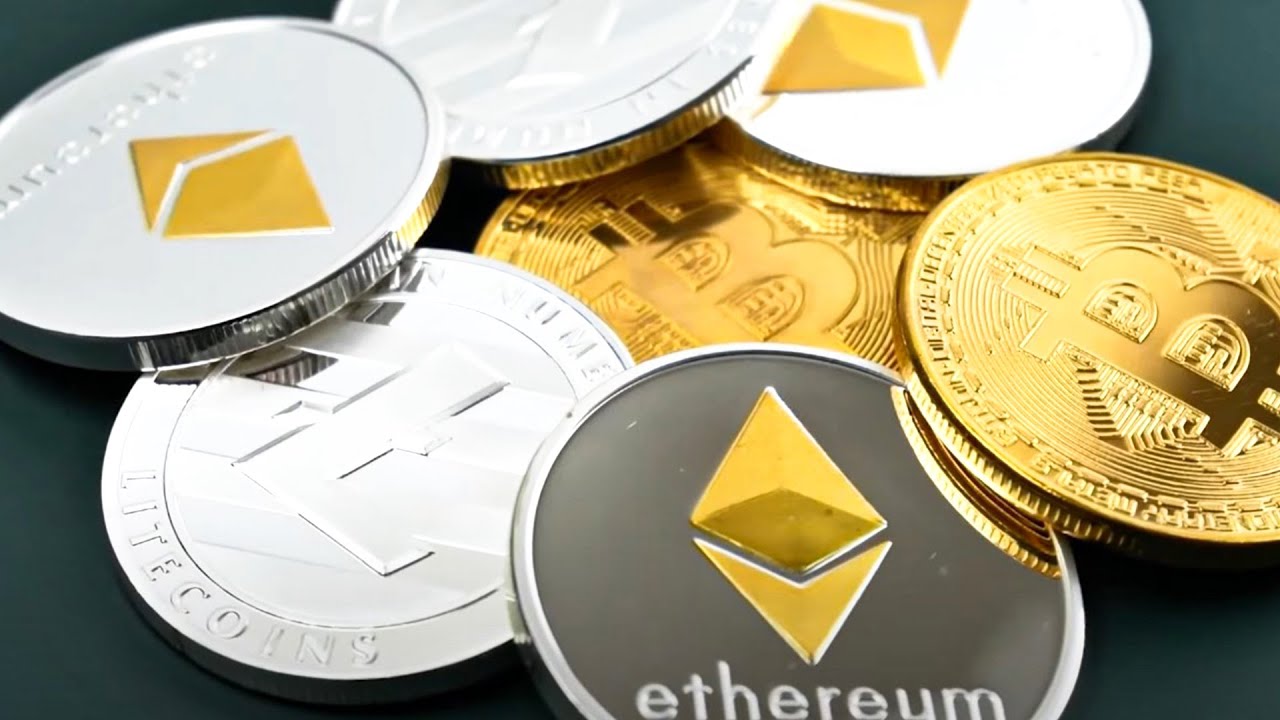
Learn About Ethereum, the hottest cryptocurrency around, and its significant history.
Bitcoin is examined as a potential alternative to traditional currencies, exploring its implications for inflation and government debt amid a history of money's evolution.
In 2008, Satoshi Nakamoto proposed Bitcoin as a revolutionary electronic currency, leading to the emergence of a global cryptocurrency ecosystem after the financial crisis.
€1,800 billion in net asset purchases by the European Central Bank aims to address the economic fallout from the coronavirus crisis.
Over 1,200 Bitcoin supporters gathered at a 2013 conference, a stark contrast to the massive crowds at the recent Decentral Miami event.
Four kilograms of cocaine are discovered hidden in cakes shipped from the Virgin Islands to Miami, leading to a significant currency seizure from travelers.
On August 15, 1971, the U.S. suspended the convertibility of the dollar into gold, marking a significant shift in the global financial system.
In Lima, criminal families operate sophisticated counterfeiting operations that produce high-quality fake U.
14 million people took a mortgage in the last three years, with an estimated seven million facing the risk of losing their homes.
86% of central banks are currently working on creating their own digital currencies, up from 65% in 2017.
The total value of all existing cryptocurrencies exceeds $2 trillion, reflecting a surge in interest and investment in digital currencies.
In Argentina and Lebanon, citizens navigate daily life amid hyperinflation rates exceeding 200%, facing severe economic challenges and uncertainty.
Bitcoin emerged in 2009 as a decentralized digital currency, allowing users to transfer funds without relying on banks or governments.
Modern banking practices in the United States and Europe allow banks to create money through fractional reserve lending, raising questions about economic stability and monetary policy.
Dateline investigates bank robberies across Beirut, including a woman who held up a bank for her cash.
Joerg Platzer establishes the world's first Bitcoin local economy at Room 77.
The U.S. dollar is involved in 88 percent of international transactions, maintaining its status as the world's primary currency for trade.
Leading voices discuss how regulators lost control of the $2 trillion cryptocurrency market.
Inflation in Russia rose 35% in one week, leading to panic buying and food shortages as the economy spiraled into crisis.
Greek citizens in Volos create TEM currency to thrive while facing Eurozone challenges.
Ha-Joon Chang discusses eurozone collapse impacts on Greece and Ireland's economies.
Western sanctions against the Kremlin may have backfired, impacting Europe more than Russia.
80 million Indonesians fall into poverty as the country's economic collapse leads to violent conflict between Muslims and Christians in Ambon.
Stephen Beardsley discusses the British economic crisis and its rapid developments in Berlin.
A 100% increase in the poverty rate has forced many Lebanese families to limit meat consumption to special occasions amid a deepening economic crisis.
Inflation in Argentina has reached nearly 100%, forcing many residents to barter for basic goods through Facebook groups.