From over 100,000 films, discover the handful you'll love.
Free or premium access to the world's largest documentary library.
390 films(Page 1 of 9)
The industrialization of tomatoes has transformed them into a global commodity, revealing the hidden influences of the meat lobby and food labeling practices.
30,000 migrants work on the harvest of specialty tomatoes in southern Italy, earning an average of 20 euros for 10 to 12 hours of labor under the sun.
Seventy percent of the planet's rough diamonds pass through Antwerp, where 1,500 companies operate within a tightly monitored market.
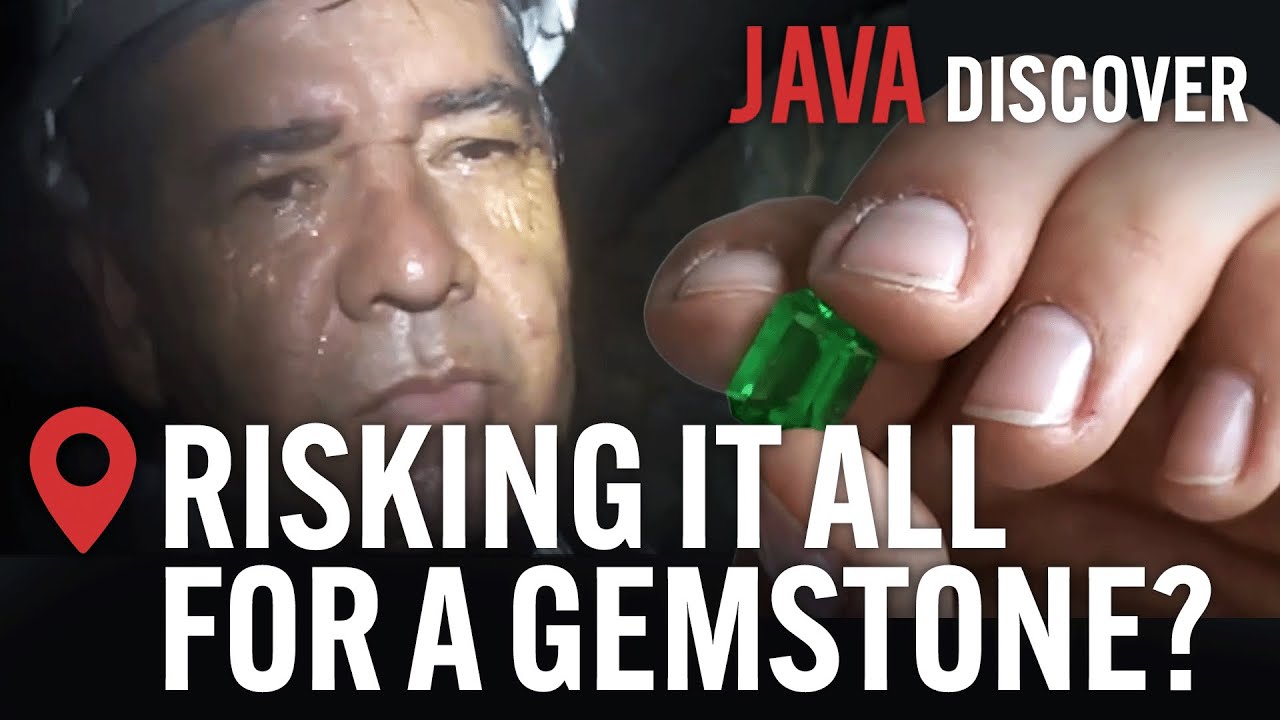
Colombia exported 27% more emeralds in 2016 than in 2015, with 60% of those stones going to the United States.
600 million barrels of oil were discovered offshore from Ghana in 2007, raising hopes for jobs and infrastructure in local fishing villages.
Every spring, nearly 200 tons of Yarsagumba are harvested in the Himalayas, generating a turnover of €5 billion in the global market.
Holland controls over half of the global flower market, producing almost 200,000 flowers an hour, while British growers struggle to compete.
800 Chinese workers disassembled the Vest Fan Iron Works in Dortmund within 12 months, marking the largest industrial transport in history.
Twenty furnaces operated in Swansea's White Rock works, a key site in the city's historic copper industry during the Industrial Revolution.
Underwater lost treasures are creating a new gold rush in the oceans' sunken Eldorado.
In Ghana, cocoa farmers navigate challenging terrain to transport their harvest to market, highlighting the industry's significance to the economy and the hardships faced.
360 tons of ore are transported daily by giant lorries at Chuquicamata, the largest copper mine in the world, located in Chile's Atacama Desert.
Highna, a truck driver in Nicaragua, risks 90 days in prison to deliver ballot boxes on worn-out roads before local elections.
Every year, about ten small transporters die on the roads while carrying illegal petrol in Nigeria's Niger Delta, a region rife with danger and pollution.
Two gold hunters carry 12 kilos of equipment as they search for gold in Germany's Thean Slate mountains, where mining dates back to the Middle Ages.
Deep underground, miners extract rough diamonds while food expert Adam Richman explores the culinary processes behind various food products across the country.
On August 15, 1971, President Nixon suspended the dollar's convertibility into gold, marking a significant shift in the global financial system.
Every year, world demand for tomatoes grows by 3%, with expectations that consumption will rise significantly as China begins to embrace tomato sauce.
In 1595, Sir Walter Raleigh discovered a natural lake of asphalt in Trinidad, marking the beginning of the region's significant oil exploration history.
The cannabis industry in the United States has rapidly evolved into a legitimate business, with over 60% of Americans living in states where marijuana is legal.
More than 100 million blood donations are collected each year worldwide, with a significant portion sold to private companies for profit.
Gold production in Latin America reveals a stark contrast between luxury retail and the horrific conditions faced by miners, highlighting urgent ethical concerns.
Last year, Port Hedland exported nearly 247 million tonnes of iron ore, making it the world's largest bulk export port.
Mogok, a city at an altitude of 1,000 meters, contains the largest ruby deposits in the world, where miners face dangerous conditions for meager rewards.
Hershey's chocolate business faces fierce competition after a Post WW1 sugar price drop.
Eight million men have died in the Potosi mines over the past 500 years due to accidents and illnesses linked to the dangerous trade.
Pigs in Vanuatu symbolize wealth and are used in ceremonies and as currency.
Over 1,000 miners search for the rare Pigeon Blood Ruby in the restricted city of Muk, facing significant dangers and hardships in their pursuit.
Researchers in the North Atlantic are testing brown algae to improve salmon farming conditions and reduce the need for chemicals in aquaculture.
Greggs has gained significant market share over McDonald's in the UK fast food industry, prompting a fierce rivalry and strategic responses from both brands.
70% of the Earth's pure water is used for human consumption, making it the most sought-after resource as financial institutions push for water markets.
Madagascar's bourbon vanilla trade, valued at up to 700 euros per kilogram, has ignited fierce competition and crime, impacting local farmers and the global market.
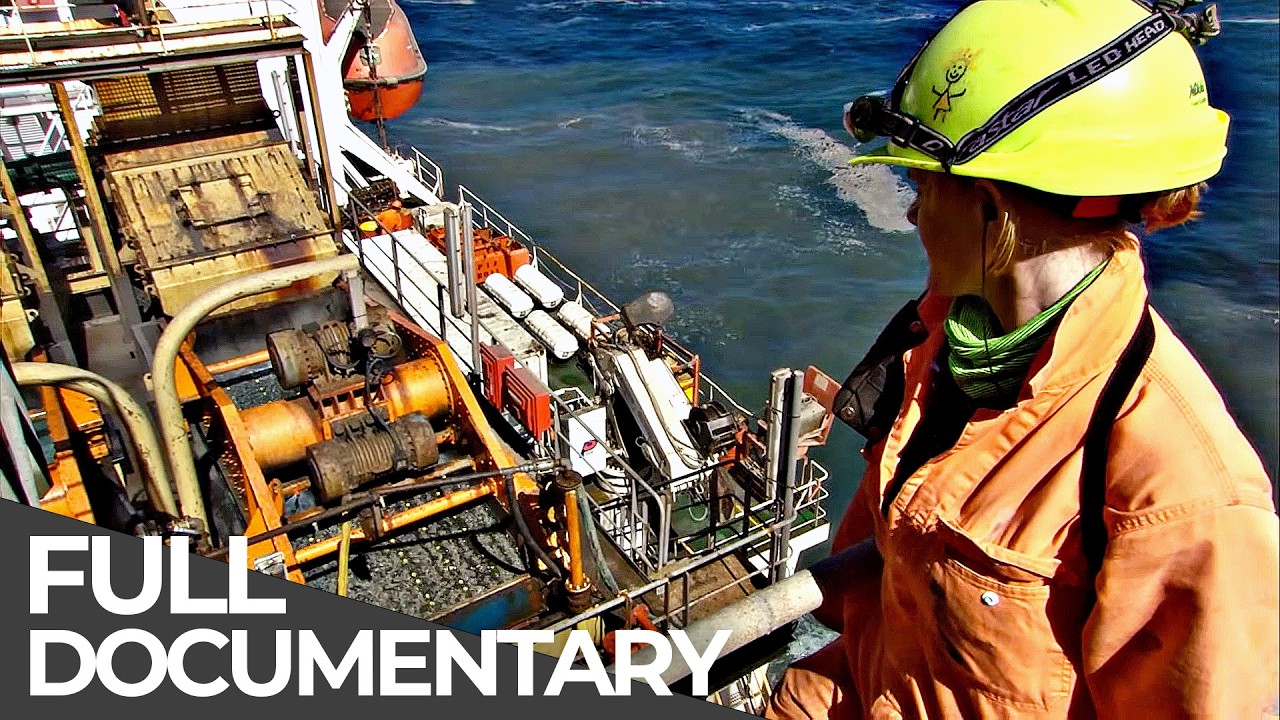
In southwestern Africa, the Dock Express 20 operates as a floating mining platform for De Beers, conducting underwater diamond mining in extreme conditions.
Conor Woodman attempts to buy camels in Sudan, where the country exports over 150,000 camels annually, as he tests his trading skills across Africa.
Every year, global demand for tomatoes grows by 3%, a trend that is expected to accelerate as Chinese consumers begin to eat tomato sauce.
Conor Woodman aims to sell 4,000 bottles of chili sauce in India while also trading South African wine in China during his Asian market ventures.
Over 60,000 pieces of the "Chance of Love" engagement ring have been sold, reflecting a shift in the diamond market towards more affordable options.
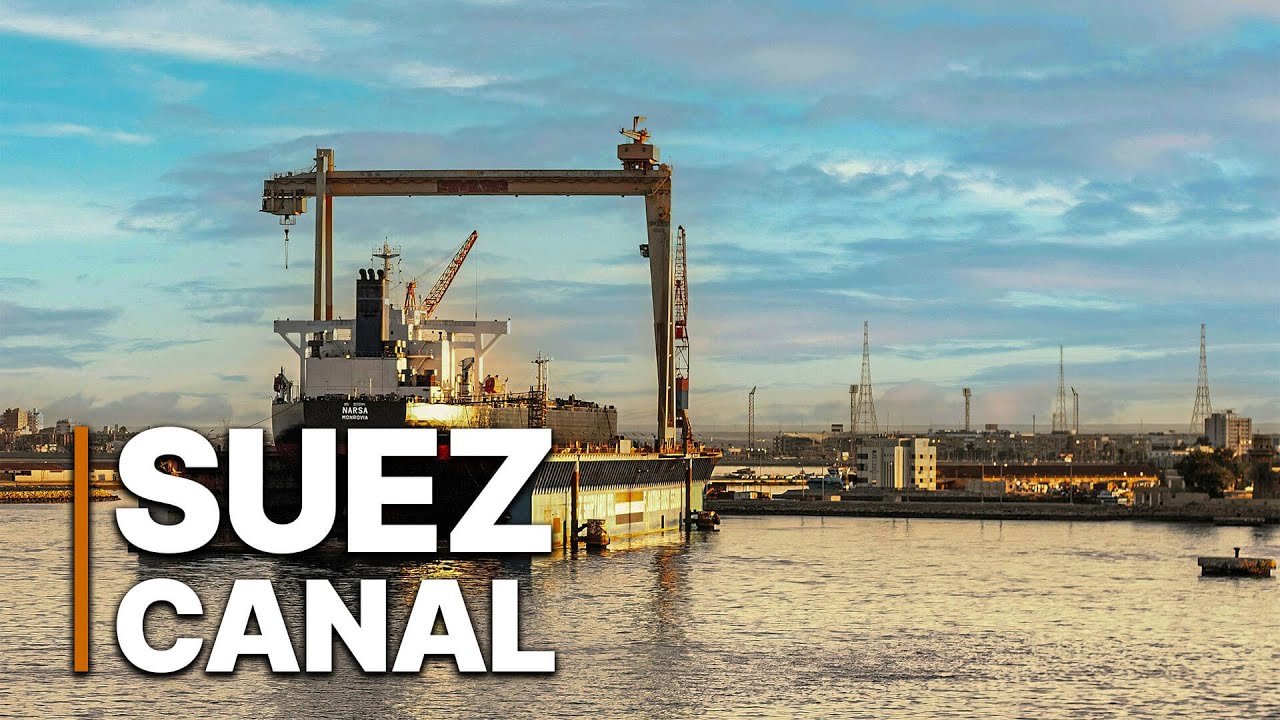
In 2014, a construction project began to create a new 72 km route in the Suez Canal, allowing for two-way navigation and increasing its depth to 24 m.
More than 100 million blood donations are collected each year worldwide, with a significant portion sold to pharmaceutical companies for profit.
A single ship blocked 12% of the world's trade at the Suez Canal, causing a global economic crisis and urgent efforts to clear the blockage.
More than 100 million blood donations are collected each year worldwide, yet much of this blood is sold to private companies for profit.
Twenty thousand kilos of mercury are legally imported into Georgetown, Guyana, each year, fueling a multi-million dollar black market for the toxic metal.
On August 15, 1971, the U.S. suspended the convertibility of the dollar into gold, marking a significant shift in the global financial system.
Inflation in Venezuela exceeded 600% in 2021, pushing millions into poverty and forcing many to return to self-sufficient lifestyles in the countryside.
A market capitalization of approximately $1.8 billion positions Atlas Iron as a key player in Australia's billion-dollar iron ore industry.
Colombia exported 27 percent more emeralds in 2016 than in 2015, with 60 percent of those stones going to the United States.
Children in Cerro de Pasco, Peru, have lead levels in their blood that are four times higher than the World Health Organization’s limits.
Billions of dollars worth of gold is smuggled out of Africa, primarily heading to the United Arab Emirates, Moscow's closest ally in the Middle East.