From over 100,000 films, discover the handful you'll love.
Free or premium access to the world's largest documentary library.
265 films(Page 1 of 6)
All 70 examined fruits and vegetables have lost an average of 16% of their calcium, 27% of their vitamin C, and nearly half of their iron levels over the past 60 years.
All 70 fruit and vegetables examined have lost an average of 16% of their calcium and 27% of their vitamin C over the past 60 years.
30,000 migrants work on the harvest of specialty tomatoes in southern Italy, earning an average of 20 euros for 10 to 12 hours of labor under the sun.
Germany generates around 1.8 million tons of electronic scrap each year, with old devices often discarded despite their potential value as raw materials.
Industrial hybridization of fruits and vegetables has led to significant nutritional losses, with tomatoes losing over half of their vitamins and a quarter of their calcium.
Holland controls over half of the global flower market, producing almost 200,000 flowers an hour, while British growers struggle to compete.
800 Chinese workers disassembled the Vest Fan Iron Works in Dortmund within 12 months, marking the largest industrial transport in history.
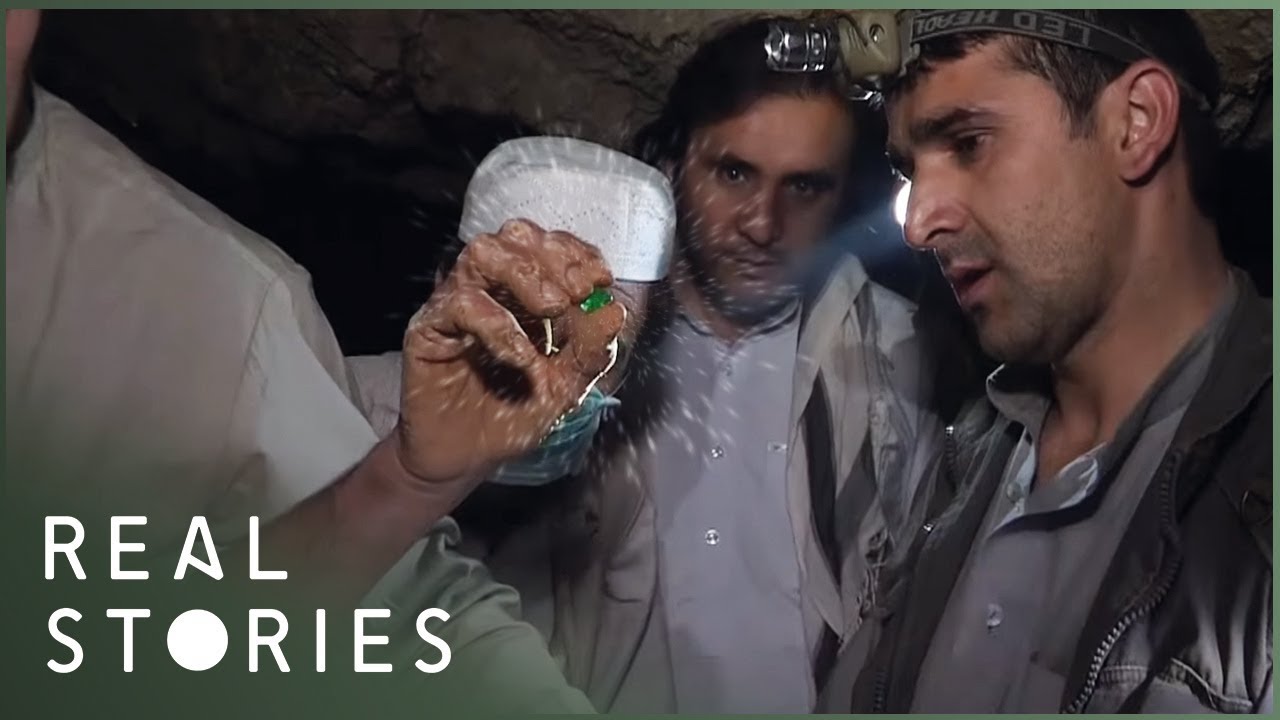
1,000 billion euros worth of natural resources lie beneath Afghanistan, including emeralds that could potentially transform the country's economy.
Curious Plastic Bottle Village in Panama, floating boats in Greece, and Chernobyl's abandoned sites highlight the world's most mysterious places and their unique stories.
35 percent of young Italians face unemployment, but a new wave of entrepreneurs is returning to local craftsmanship to revitalize the economy.
Every second, 57 mobile phones are sold worldwide, surpassing the number of toothbrushes in circulation.
Planned obsolescence in electronics is exemplified by companies like Apple and Samsung, which design products like the iPhone and Samsung TVs to fail and encourage frequent upgrades.
Sawfish harvesting techniques, the production of tea bags, car recycling processes, and the making of Camembert cheese are explored in this episode.
Minor Cooper Keith, an American industrialist, significantly shaped Central America's economies through railroad construction and banana exports, while facing accusations of exploitation.
25 years ago, Fletcher Chouinard founded FCD Surfboards, which has since focused on creating durable and eco-friendly surfboards.
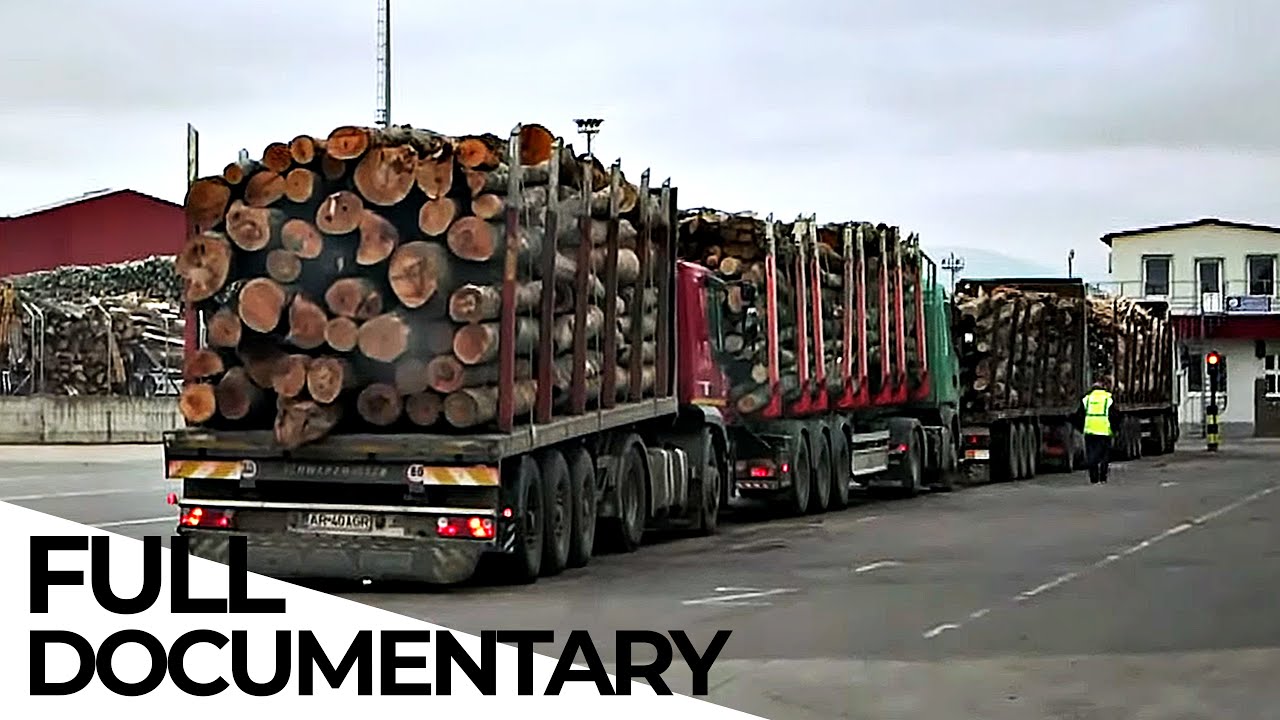
15 to 30% of wood sold globally is estimated to be of illegal origin, often sourced from trees felled without permits or in prohibited zones.
Sixty thousand members now belong to a network of renewable energy cooperatives that began with just ten people at a dinner table.
During the length of the film, nearly 13 million bottles of plastic will have been sold by the Coca-Cola group throughout the world.
Japan's largest recycling plant processes electronic waste from old trains, while extreme excavation machines and innovative robo parking systems in China showcase engineering advancements.
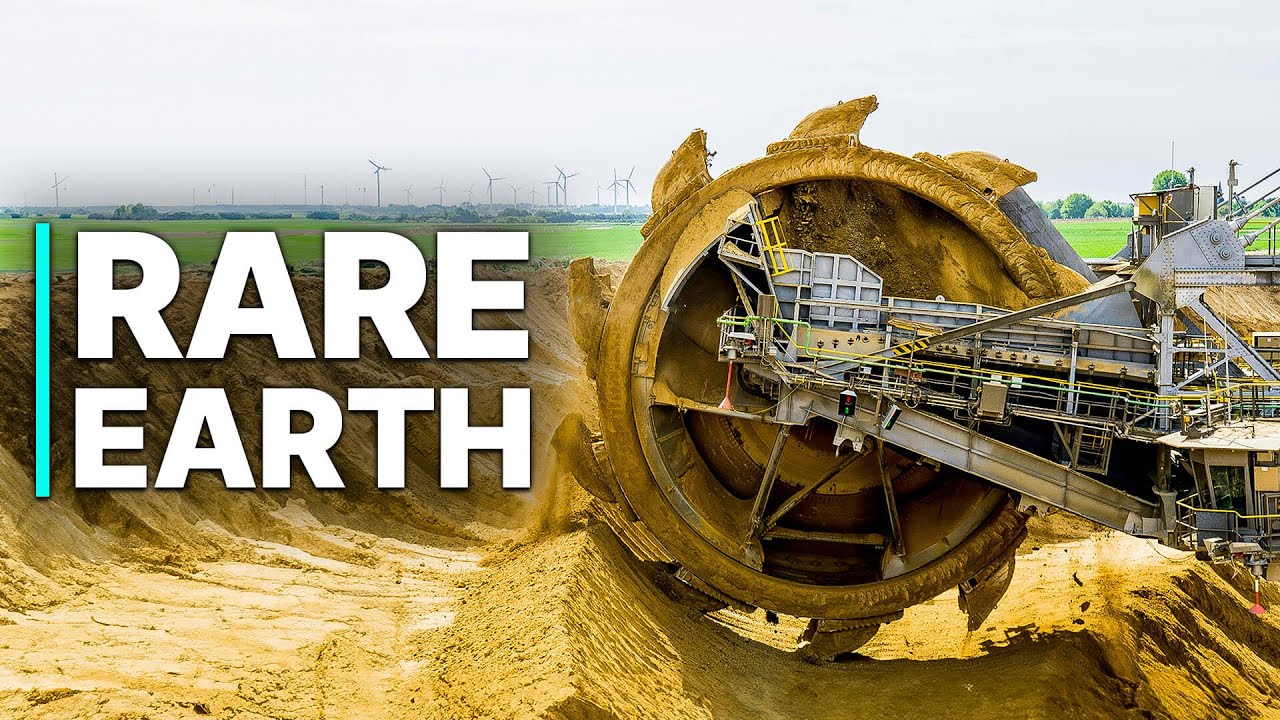
97% of the world's supply of rare earths is mined in China, where these elements are crucial for producing smartphones, electric vehicles, and wind turbines.
A food fight is shaping up in Washington over the future of genetically modified foods and the push for healthier alternatives in the American food system.
Haiti seeks new hope through tourism with a luxury hotel led by Parets.
Researchers in the North Atlantic are testing brown algae to improve salmon farming conditions and reduce the need for chemicals in aquaculture.
Close to 56 million tons of clothes are sold every year in Europe, with barely 1% of clothing able to be resold annually.
A food rescue program founded in 2003 collects excess food from hotels and restaurants to deliver to communities facing severe food insecurity.
Dozens of ships carrying toxic waste were allegedly sunk in the Mediterranean during the 1980s and 1990s, contributing to a long-standing environmental crisis.
70% of the Earth's pure water is used for human consumption, making it the most sought-after resource as financial institutions push for water markets.
In a competition between James and Greg, innovative methods for supersonic mail delivery and extreme garbage disposal are explored using unconventional technologies.
One out of every two species on Earth faces extinction due to unchecked global warming, according to experts featured in the film.
Circularity is the only hope for survival, as it mimics how nature operates and promotes sustainable practices across various systems.
By 2020, the European Union aims to cut food waste by half, as current estimates suggest 120 million tons of food will be discarded annually.
Gold extraction reveals the stark contrast between large mining companies and small-scale miners, highlighting environmental and human rights issues in the industry.
Food production practices threaten the environment, as highlighted by Kate Winslet, Anthony Robbins, and Richard Branson in this urgent documentary.
The US produces nearly 25% of the world's carbon dioxide emissions, despite having only 5% of the global population.
Germany aims for 50% of its energy to come from renewable sources by 2050, driven by the landmark EEG law mandating above-market rates for renewable electricity.
Fast furniture waste poses significant environmental challenges, prompting innovative recycling practices in Denmark and a growing furniture rental sector in Germany.
The global waste crisis is examined through the innovative solutions of individuals like Ashlyn Nicole Wilson, highlighting efforts to reinvent recycling practices.
Air travel's contribution to climate change prompts a critical examination of sustainable aviation solutions, including new aircraft technologies and alternative fuels.
Amsterdam's cycling infrastructure, contributing approximately €19 billion annually to the economy, exemplifies a strategic response to urban space limitations and environmental challenges.
Refurbished wind turbines are reshaping Europe's renewable energy landscape, as companies like Nordex and Siemens Gamesa repurpose older models to meet sustainability goals.
In a deluxe 42ft trackside RV, an IndyCar champion showcases the functionality of a waterless composting toilet while exploring life on the road.
In urban environments, fallen trees are transformed into art and eco-friendly creations, highlighting innovative approaches to environmental preservation.
In Naples, artist Annalaura di Luggo transforms discarded aluminum into four giant sculptures, promoting environmental protection and cultural renewal.
Calving begins around April 1 at the Chico Basin Ranch, where Duke Phillips manages cattle operations alongside his family in Colorado.
A 2,500 km road trip from Singapore to Cambodia uses converted waste cooking oil as fuel, facing unexpected challenges along the way.
The documentary dives into London’s cocaine scene and its complex networks and impacts.
Computer recycling, bikini production, pasta manufacturing, and wind turbine technology are explored in this episode, highlighting various industrial processes.
Tyre recycling processes, sugar production methods, doormat manufacturing, and LPG conversion techniques are explored in this informative episode.