From over 100,000 films, discover the handful you'll love.
Free or premium access to the world's largest documentary library.
259 films(Page 3 of 6)
All pages in a library go blank, prompting a community to question the future of public library services and their role in society.
The Zhang children face uncertainty in Nanzhao after their father's imprisonment in China.
Thousands of Russians rally in support of Putin despite sanctions and isolation from Ukraine.
In early 2015, Zimbabwean satirists and comics in Harare used social media to challenge Robert Mugabe's regime after a viral incident at a press conference.
The story behind Wikileaks highlights Julian Assange's fight against government secrecy.
Parts of Kashgar, a city with a history spanning 2,000 years, are being demolished by the Chinese government amid rising tensions with Uighur residents.
In Karachi's Lyari neighborhood, young female rappers like Eva B and AK Sky are challenging societal norms and inspiring change through their music.
Kashmir's internet blackout makes it near impossible to know what is happening in the region.
Chesterland Community Church faces threats while hosting a drag queen Story Hour amid rising violence.
Cassils collects 200 gallons of urine to protest Trump's bathroom policy change.
The suicide rate for transgender youth is 41%, prompting urgent discussions about the safety and rights of these children in Texas.
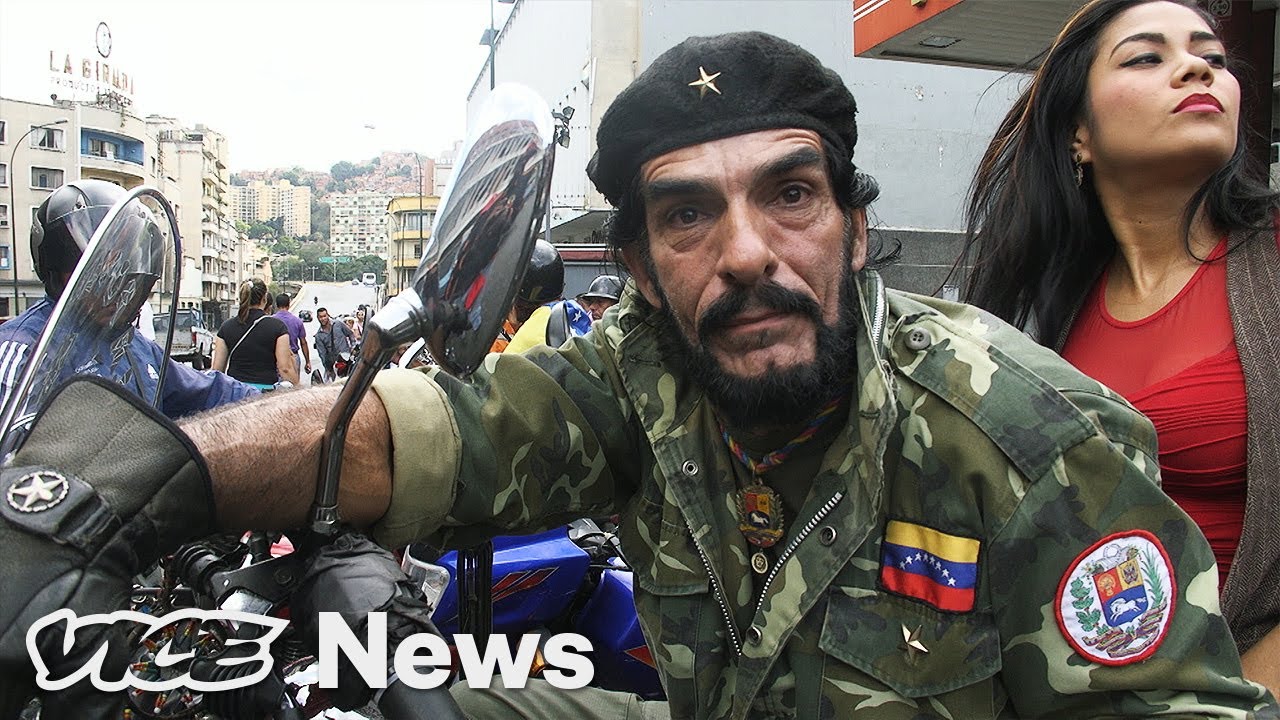
Venezuela's journalists face censorship and threats while reporting on government abuses.
Five years of commercial flight bans to Libya have led to a tightly controlled environment where foreign media faces significant restrictions.
Carl Bernstein critiques Rupert Murdoch's News of the World hacking scandal, drawing parallels to Watergate and highlighting the decline of traditional journalism.
On July 1, 1997, Britain returned Hong Kong to China, promising that its capitalist system would remain unchanged for 50 years until 2047.
Indonesia uses embedded reporters to shape the narrative of the Aceh conflict.
The Indian government removes textbook sections on Gandhi and the Mughal Empire in 2023.
Lam Wing-kee, a Hong Kong bookseller known for selling banned literature, fears returning home due to threats linked to the controversial extradition bill.
One participant reported witnessing inappropriate behavior towards a minor, but feared the repercussions of speaking out in Hollywood's culture of silence.
In Kano, Nigeria, women in the film industry navigate strict Sharia law and societal pressures while striving for representation and success in Kannywood and Nollywood.
This guide explains consumer rights from the high street to buying online and digital content issues.
Norwegian filmmaker Håvard Fossum reveals global censorship's impact on narratives.
Civility in discussions about contentious topics is emphasized through resources funded by the Leonore Annenberg Institute for Civics Award at the University of Pennsylvania.
Dr. Anthony Fauci served under seven presidents and led the U.S. response to HIV/AIDS, Ebola, and Zika before facing political challenges during the COVID-19 pandemic.
Smartphones and digital platforms reveal truths while some governments spread propaganda online.
In 2002, actress Cher used an expletive during a television show, prompting legal discussions about the regulation of fleeting expletives by the FCC.
Efforts to restrict White House leaks to the press, initiated during the Nixon administration after the Pentagon Papers publication, continue to shape First Amendment debates.
Record numbers of journalists were imprisoned last year, with many attacked or murdered for their work, raising concerns about press freedom worldwide.
In the 1960s, student activism at universities established free expression rights that are now being challenged by contemporary legal and political pressures.
The video reveals a Native American canoe carved in a WWI quarry in Point Pleasant, Maine.
Controversial artworks often ignite tensions between artistic freedom and religious sensitivities, highlighting the complexities of expression in modern society.
In popular culture, debates over free speech and censorship are shaped by various stakeholders, including educators, artists, and advocacy groups.
Mai Khoi, Vietnam's 'Lady Gaga,' lives in fear under the Communist Party's repression today.
Sylvester, known as The Gunslinger Mummy, captivates audiences in late 19th-century sideshows.
David Guttenfelder made about 40 trips to North Korea as the first western photographer with regular access, documenting life beyond government propaganda.
Donald Trump's presidency saw the systematic removal of images representing women and minorities from federal archives, impacting public perception and historical documentation.
Belly dancing in Egypt, rooted in ancient pharaonic traditions, faces significant challenges from contemporary censorship impacting artists and performers.
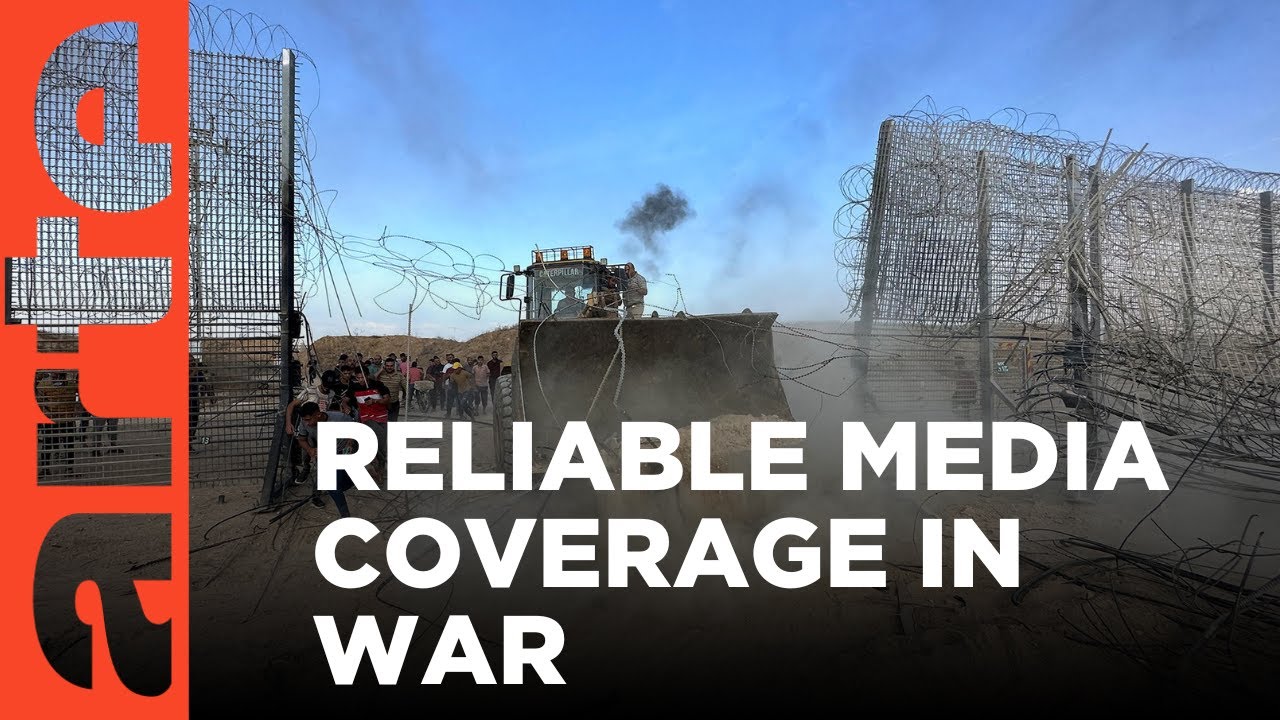
The October 7, 2023, Hamas attack on Israel and the ensuing conflict in Gaza challenge media outlets' ability to report accurately amidst chaos.
In Hong Kong, eight citizens document their daily lives under the National Security Law, expressing the profound impact of losing freedom and the ongoing fight for democracy.
After the shutdown of 'Apple Daily', former staffers face an uncertain future in Hong Kong.
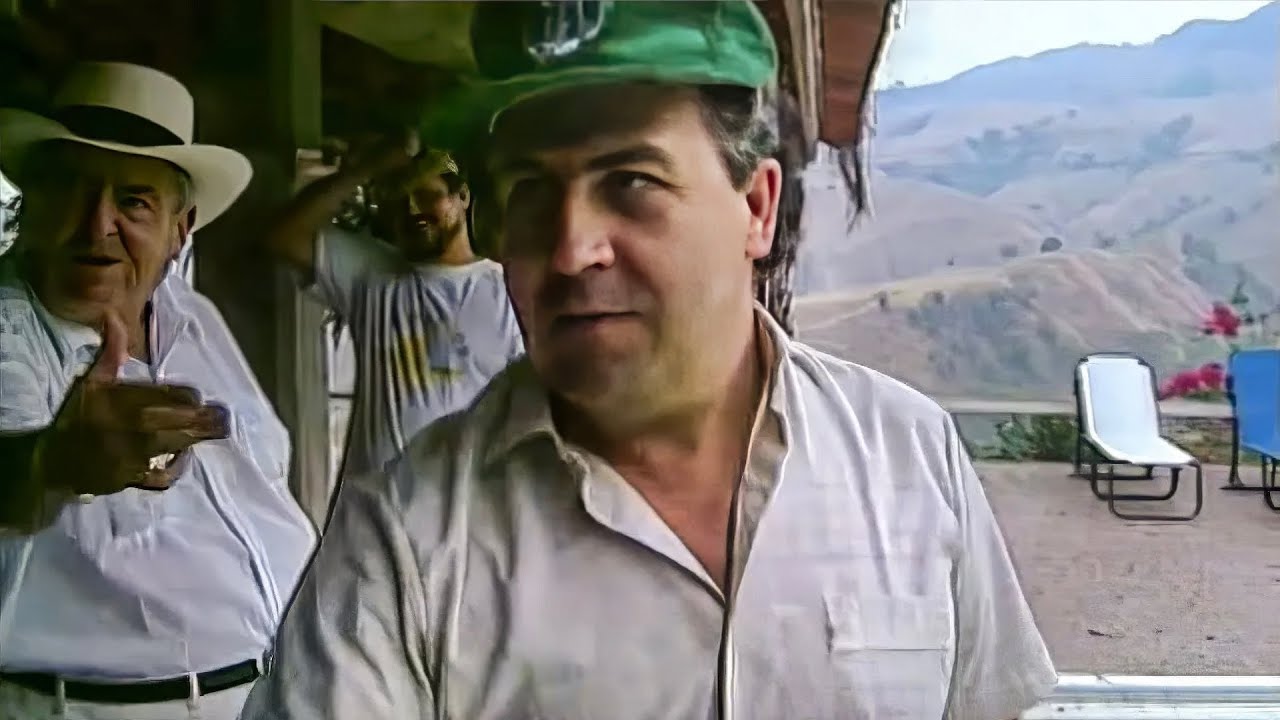
Pablo Escobar's life is examined through social media footage and public reactions in Medellin, Colombia, highlighting the complexities of his legacy.
Under Prime Minister Narendra Modi's Hindu nationalist government, India's intellectuals have faced systematic persecution over the past decade.
Iranian high school girls respond to Mahsa Amini's death by protesting against government oppression, symbolizing a growing movement for women's rights.
The McLibel case began on January 7, 1988, becoming the longest trial in English history as two activists challenged McDonald's in a landmark libel trial.
Ten steps implemented by the Bush administration mirror tactics used by dictators to suppress democracy, according to Naomi Wolf in her analysis of civil liberties.
Jill Leor argues that the case for privacy often arises too late, reflecting a deep anxiety about electronic surveillance in contemporary society.
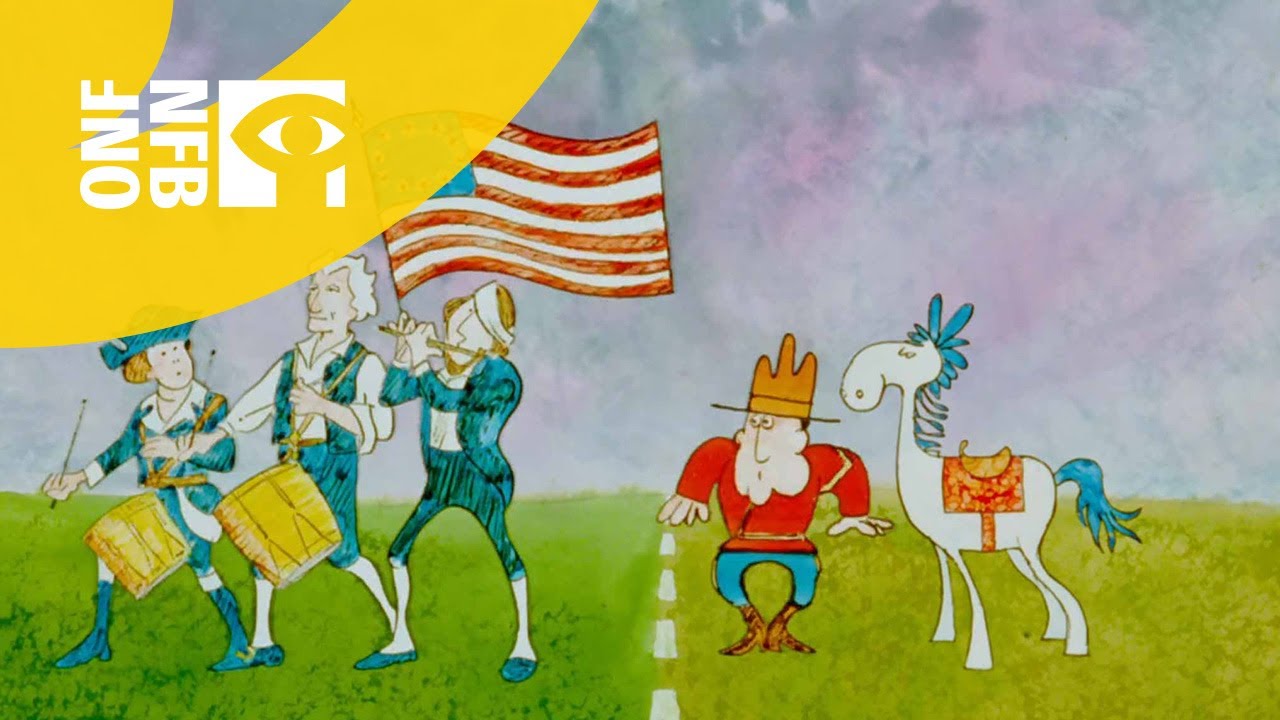
The 1974 animated short by Barrie Nelson critiques Canadian society while showcasing how federalism connects its diverse cultural landscape amid dissent.
Raghava KK explores the intersection of art and technology, demonstrating how brain waves can alter artistic perception and enhance interactive storytelling.