From over 100,000 films, discover the handful you'll love.
Free or premium access to the world's largest documentary library.
Topics explored in films with this theme:
1485 films(Page 6 of 31)
Robin Hood Gardens contains 213 council flats, sparking debate among residents and architects about whether to preserve or demolish the controversial estate.
Every summer, Japanese people celebrate horimono tattoos on a mountain pilgrimage.
In Appalachia, Josh innovates a moonshine hauler to support a centuries-old tradition of craft whiskey-making amidst legal and natural challenges.
Hassan, a Kyrgyz eagle hunter, preserves a dying art in Central Asia's remote heart.
Les robes de mariage chinoises symbolisent la richesse culturelle et existent depuis 3 500 ans.
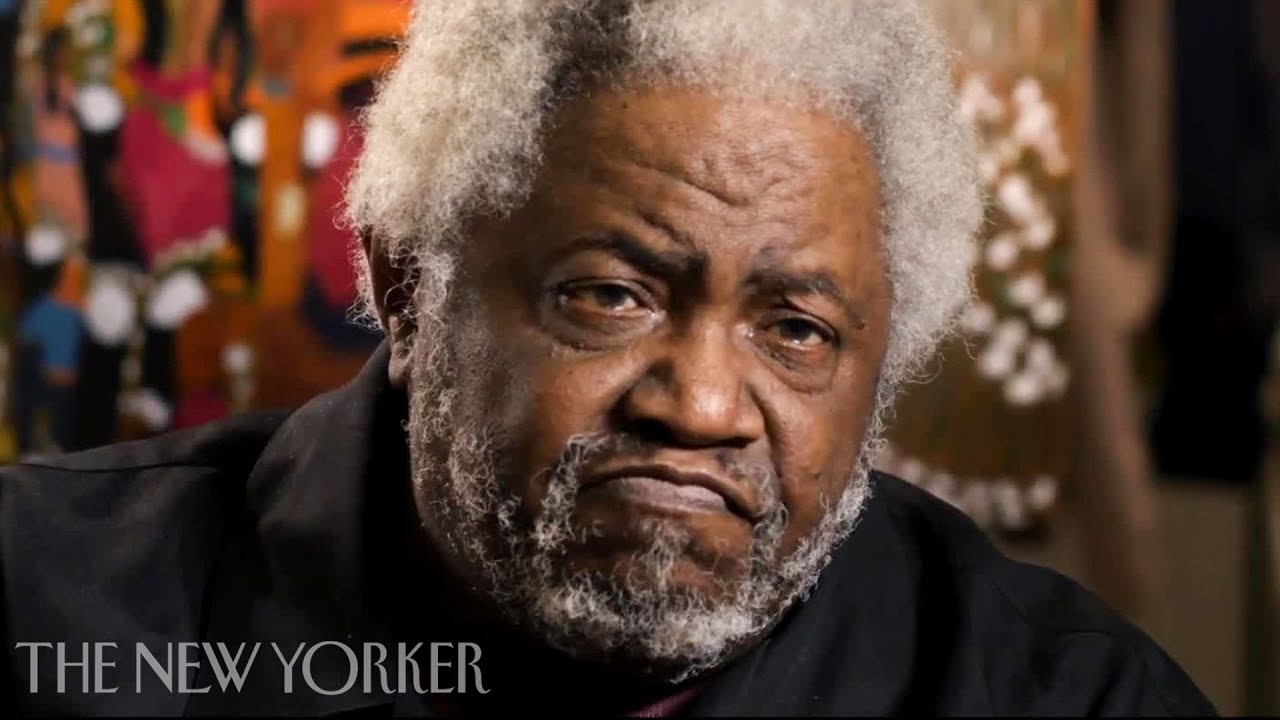
Yolanda Cuomo discusses her 25 years of book-making in New York at 515 West 19th Street.
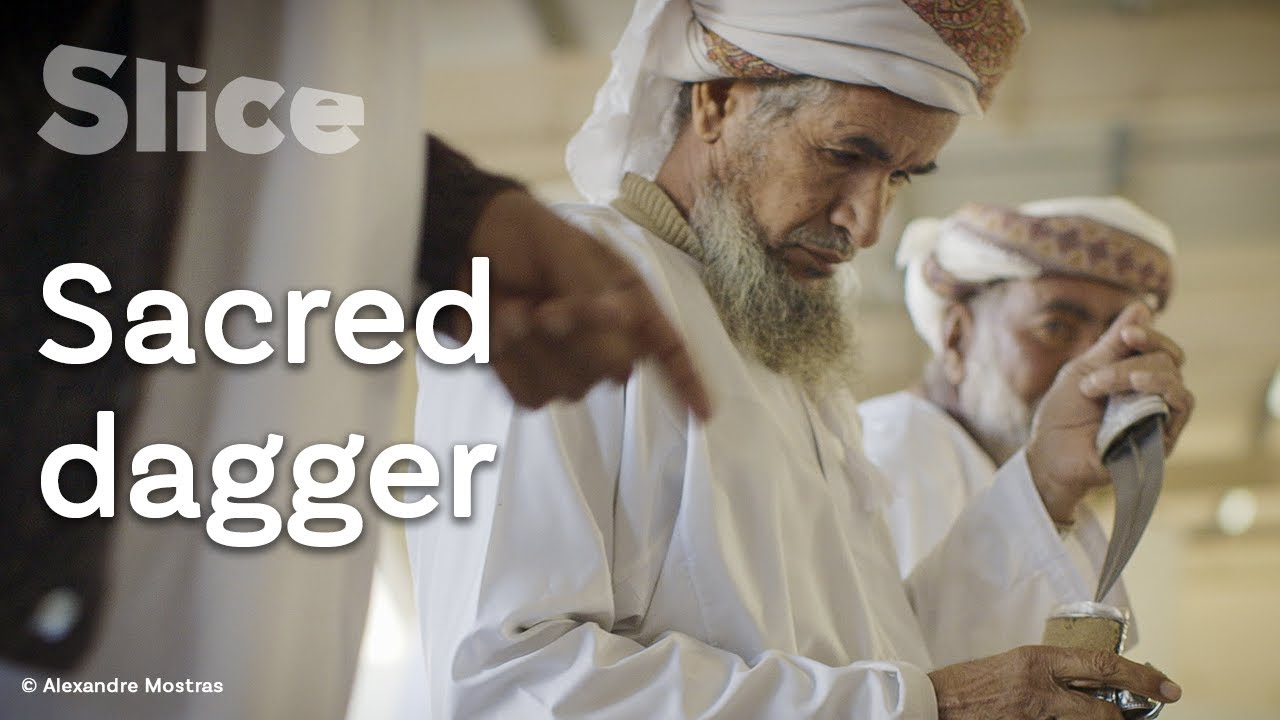
The Khanjar, a symbol of Omani culture featured on the national flag, is crafted through a meticulous process that showcases the skill of local artisans.
Mark plans to make a big run of corn liquor, selling it for $10 a jar, the lowest price since the 1990s, while evading law enforcement.
Mouza Al Hamrani and Ila Colombo redefine art and technology in Dubai's creative scene.
Fatê Temel preserves the Kurdish deq tattoo tradition against modern decline.
Founded at the start of the ninth century by king Jayavarman II, Angkor served as the capital of Cambodia until the fifteenth century.
Asmara's historic perimeter spans about 4.5 square kilometers and contains approximately 600 to 700 architecturally significant modern buildings.
Heviin boov, a traditional Mongolian biscuit, symbolizes family status during Lunar New Year.
A gang of six graffiti artists risks their safety to tag a train in the Paris metro, using spray paint and indelible ink during a late-night mission.
Meet employees at Rivercross/Nova Link in Matamoros, Mexico, producing Patagonia products.
Siam Knitwear in Thailand spins yarn for Patagonia's sustainable garments since 1992.
Thai Alliance Textile aids Patagonia's shift to 100% organic cotton yarn and tracks environmental impact.
One Bryant Park captures rainwater and reuses wastewater, making it one of the most ambitious green office towers in the country.
Dying professions in India, such as calligraphy and tuk-tuk driving, are explored through personal stories from Delhi, Varanasi, and Kolkata, highlighting cultural significance.
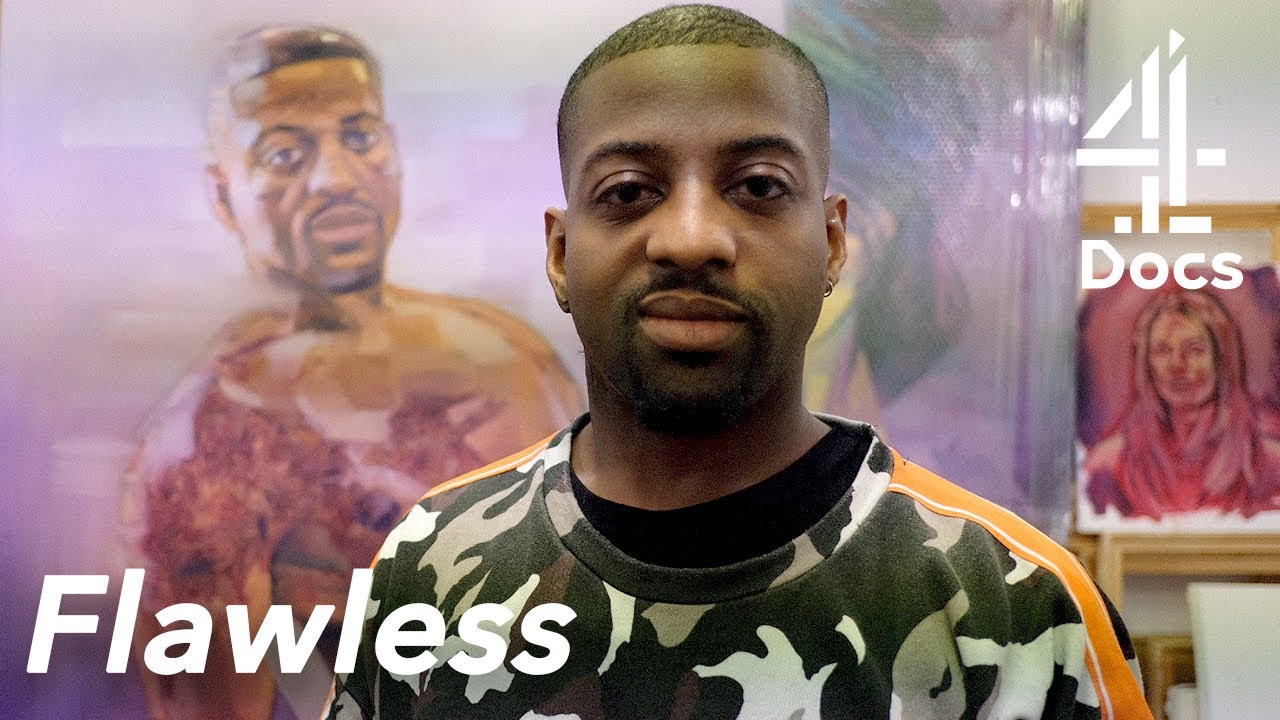
Justyn, a burn survivor who suffered third-degree burns at age one, collaborates with artist Brad to create a portrait that celebrates his scars.
Faust, a New York graffiti artist, sends a message of hope to Stoke-on-Trent with the word 'prevail' during his first solo show outside the U.S.
The church on Red Square, built by Tsar Ivan the Terrible, honors the victory over Kazan.
Underneath the Congress Street bridge, bats emerge at dusk, illustrating the blurred lines between art and reality in Texas.
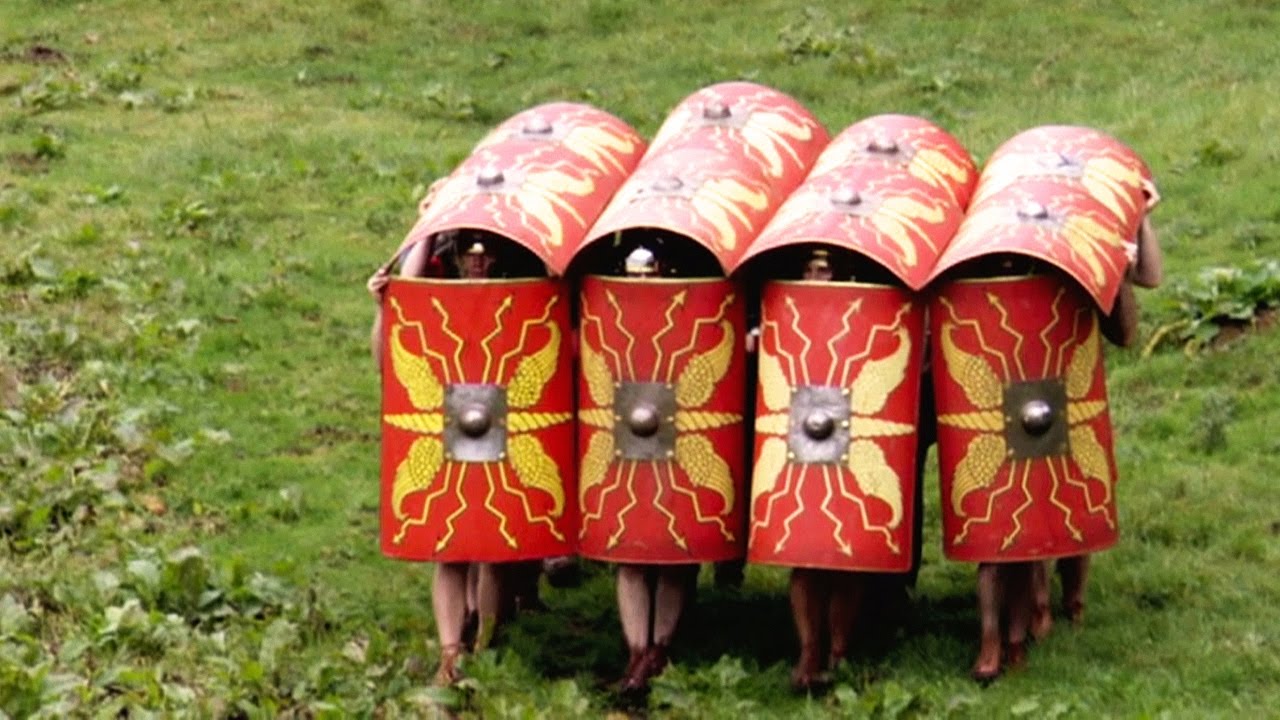
A Roman ballista could launch a 60-pound stone at speeds of 115 mph, making it a formidable weapon on the battlefield.
Alice Ward's autobiographical film explores her life with Cystic Fibrosis and her groundbreaking achievements in surf filmmaking, highlighting the profound influence of salt.
Abstract artist Sean Scully shares insights into his creative process and personal life, including the impact of fatherhood, from his studio in southern Germany.
Mobilier National in Paris holds significant French furniture and rich historical value.
Initiation into the porto lasts for seven years, during which young men learn the knowledge of their society through words and symbols.
Around 20,000 students rioted in 1976 against apartheid, a legacy that shapes the lives and aspirations of today's South African youth.
Suleiman the Magnificent commissioned the construction of the Süleymaniye Mosque, which was completed in just seven years by architect Mimar Sinan.
Wilfred plans to create 50 artworks to tell his life story, having completed eight so far while balancing his roles as an artist and physician.
The Church of Our Lady underground, measuring about a dozen meters long, is the oldest part of the Mont-Saint-Michel Abbey, dating back to the 10th century.
Coran, a fisherman from Ambryn, uses a reel system to fish at depths of 300 meters, where the spirits of the ocean reside.
Nearly 2,000 passengers generate 500 dirty plates during breakfast on the Spirit of Britain, requiring a 45-minute turnaround cleanup by the crew.
Marusan's Japanese sofubi toys bring Godzilla and Kaiju figures to life for passionate collectors.
40,000 rockets are launched during the annual Rocket War in Vrontados, Greece, as rival church congregations compete to hit each other's bell towers.
Sotol plants require 72 hours of cooking to produce moonshine, a process that Tim and his team adapt using a grill instead of an underground pit.
Over 250,000 people pass through Grand Central Terminal each day, making it a vital hub in New York City's extensive rail network.
A two-day trek through remote mountains leads visitors to Whang Od, the last tattoo artist of the Kalinga tribe in the Philippines.
Peter Guppy, an immigrant and art collector, collaborates with Valerie to research a painting attributed to a Russian artist, seeking its origins at the Metropolitan Museum of Art.
Francesco Vezzoli staged a fake election at the Vienna Spin Biennial, pitting Bernard-Henri Lévy against Sharon Stone.
Nine gardens in Suzhou are recognized as UNESCO World Heritage sites, celebrated for their beauty and historical significance in Chinese culture.
Concord first smashed through the sound barrier on October 1, 1969, with a sonic boom heard 20 miles away during a test flight.
On its opening day in 1843, 50,000 people descended the staircase to experience the Thames tunnel, which was then a bustling fairground.
Blue calico, an ancient textile art in China, has been practiced since the Western Han dynasty over 2,000 years ago, passed down from mother to daughter.
A lacer tree produces only 25 to 28 kilos of resin per year, which is essential for creating the ancient art of red lacquering in China.
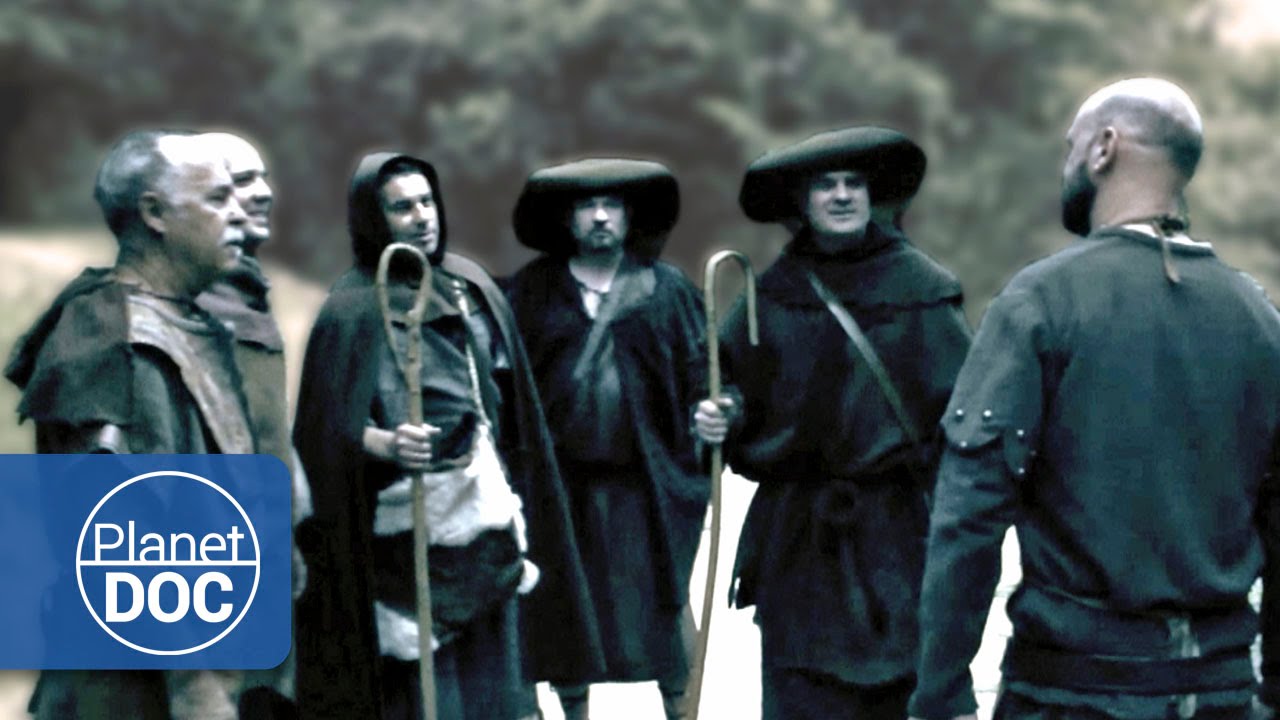
The pilgrimage to Santiago de Compostela, inspired by the discovery of the Apostle Santiago's sepulcher in the early IX century, has significant historical and cultural roots.
The Zafimaniry people craft homes without nails, using symbolic wood patterns and face deforestation.