From over 100,000 films, discover the handful you'll love.
Free or premium access to the world's largest documentary library.
32 films
Jesse Owens won four gold medals at the 1936 Summer Olympics, becoming a symbol of defiance against Nazi ideology during the games.
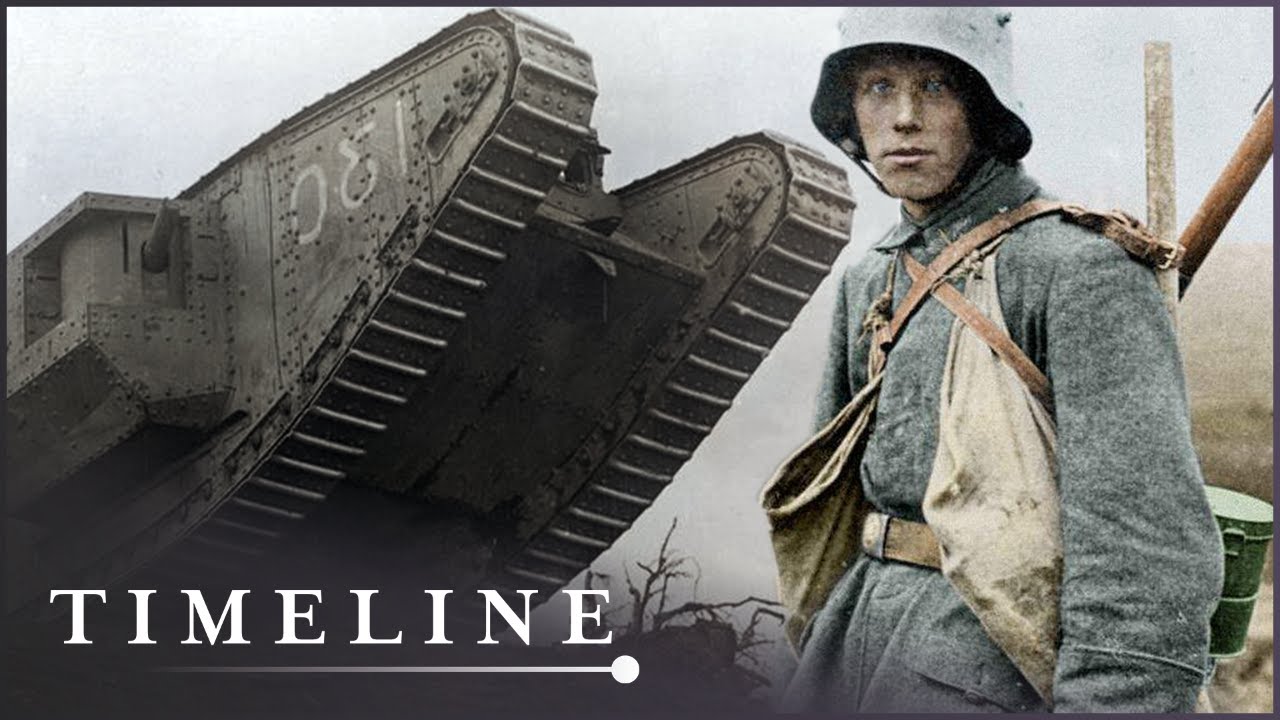
In January 1916, the British Army unveils the world's first tanks, marking a turning point in World War I and altering the nature of combat forever.
Hitler was sworn in as chancellor on January 30, 1933, after a decade of building a propaganda brand that manipulated public perception and rallied support.
15% of Great Britain's international wealth was lost during World War I, setting the stage for political and social unrest in post-war Europe.
A 25-ton unexploded bomb lies buried 70 feet underground beneath a farmhouse in Belgium, posing a significant danger to the surrounding area.
Theodor Morell, born on July 22, 1886, became Adolf Hitler's personal physician and was known for his unconventional medical treatments during World War II.
Two million men volunteered to fight after Britain declared war in August 1914, driven by a wave of patriotic fervor and propaganda.
Hermann Göring ranked fourth in the Nazi hierarchy of evil, bearing enormous responsibility for the regime's crimes and the suffering of millions.
A 195-ton railway howitzer, the largest of its kind, is transported 400 miles from Wiltshire to a museum in Utrecht, facing numerous logistical challenges.
Between 1914 and 1918, the British Army requisitioned over a million horses for military service during World War I.
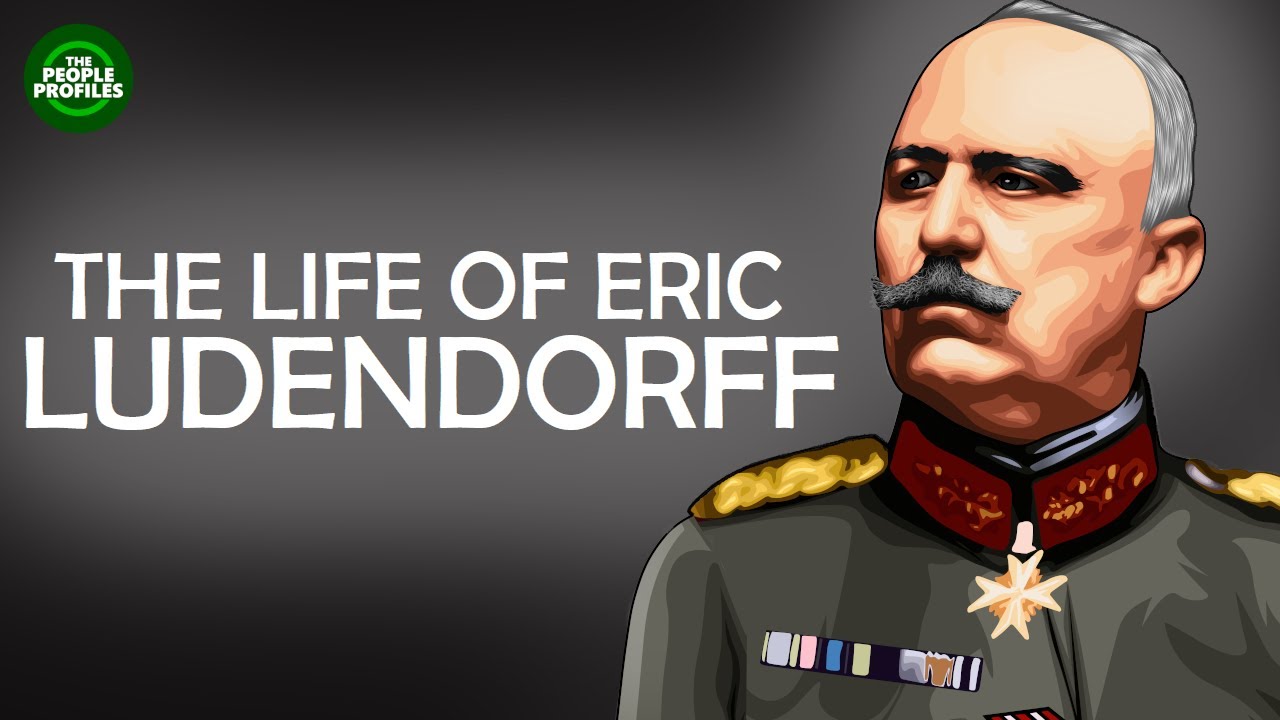
Erich Ludendorff was born on April 9, 1865, in Krusenia, a village in modern-day Poland, and became a significant military figure in World War I.
A 30-ton tank is built from scratch in five months to commemorate the 100th anniversary of its battlefield success during World War I.
Guy Martin has five months to build a 30-ton tank and aims to drive it at Lincoln's Remembrance Day parade on November 11.
Over 14,000 British pilots lost their lives in World War I, as young aviators developed the principles of aerial warfare in just four years.
Life in the trenches of the Western Front during World War I was marked by constant fear of death, squalid living conditions, and severe psychological torment.
By the end of the Great War, the Canadian Army Medical Corps included 3,141 nursing sisters, with five out of six serving on active duty overseas.
111 men from the Bismarck were saved, while nearly 2,000, including all of her officers, perished during the ship's final engagement.
Over 20,000 German 88 millimeter anti-aircraft guns were produced during World War II, marking a significant advancement in defensive military technology.
A landing craft designed by Andrew Higgins could deliver 36 fully equipped soldiers onto unprepared beaches, revolutionizing military transport during World War II.
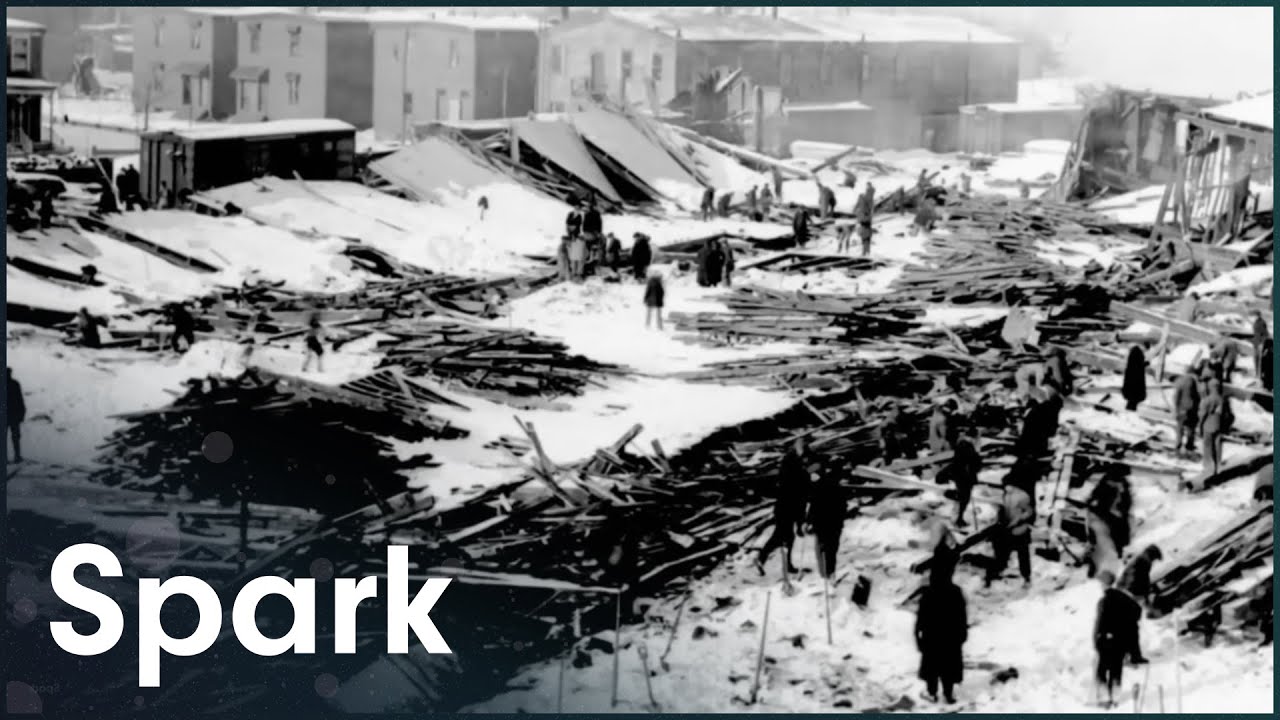
On December 6, 1917, a ship collision in Halifax Harbor resulted in an explosion with the force of 2.9 kilotons of TNT, killing 1,500 people instantly.
The influenza pandemic of 1918 killed more people worldwide than the total number of military deaths in World War I.
The 1918 influenza pandemic killed more people worldwide than combat during World War One.
On November 11, 2021, the United States marked the 100th anniversary of the burial of the unknown soldier at Arlington National Cemetery.
More than 9,000 Allied aircraft faced fewer than 2,500 German planes during World War I, marking a significant shift in aerial warfare.
Private John Parr from Middlesex was the first Allied soldier to die in World War I, while Private George Price from Nova Scotia was the last, linking their stories through the war's history.
Five major battles took place in the Belgian city of Ypres during World War One, resulting in hundreds of thousands of soldiers killed or missing.
Fifty million people died from the Spanish flu pandemic, which began in April 1918 and became the deadliest pandemic in human history.
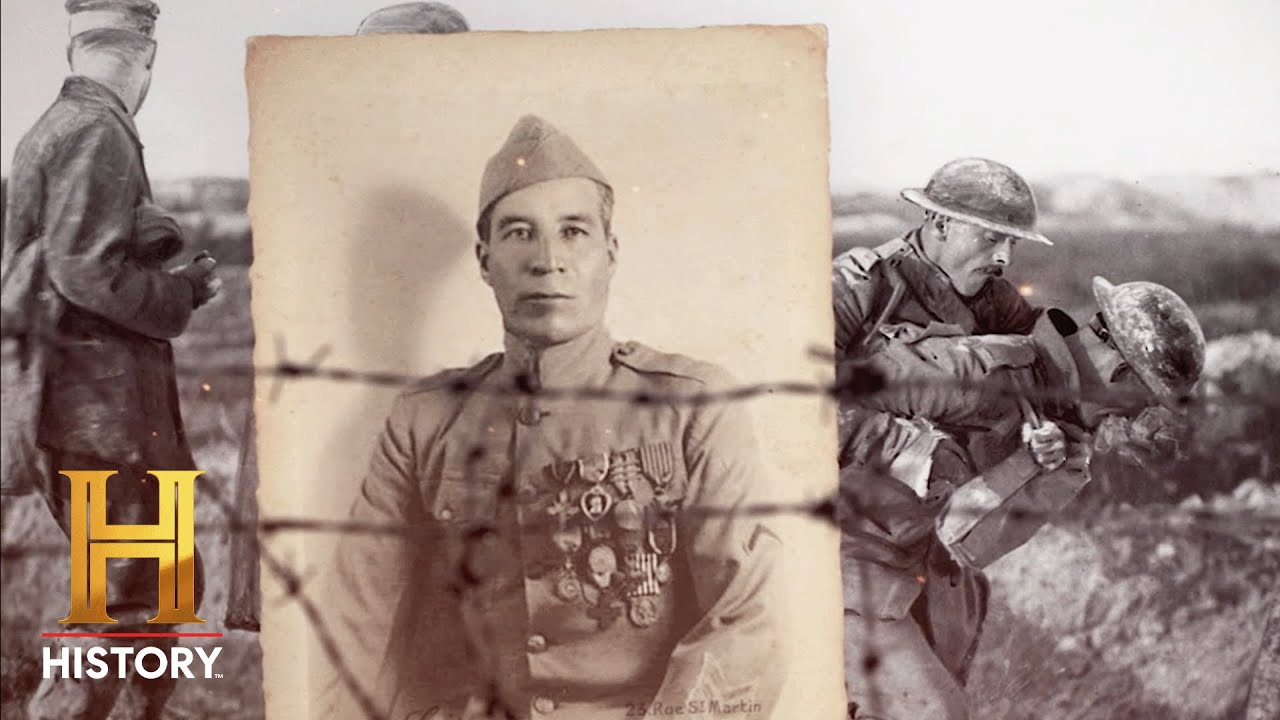
Marcelino Serna single-handedly captured 24 German soldiers during the Meuse-Argonne Offensive in World War One, earning numerous commendations for his bravery.
In 2020, the COVID-19 pandemic disrupted lives globally, illustrating how chaos can drive personal and societal growth.
The National Archives holds over 16 billion records, including primary sources available for educators through DocsTeach.org.
Two sides of soldiers met in No Man's Land on Christmas Eve 1914, singing together and shaking hands despite the ongoing war.
Germany's decision to revive unrestricted submarine warfare in early 1917 prompted Woodrow Wilson to lead the United States into World War I that April.