From over 100,000 films, discover the handful you'll love.
Free or premium access to the world's largest documentary library.
658 films(Page 2 of 14)
Vidkun Quisling's collaboration with Nazi Germany during World War II led to his execution by the Norwegian people, cementing his legacy as a symbol of treachery.
Russia claims full control of Mariupol's Azov-style steel works amid ongoing conflict.
Anton Mussert, leader of the Dutch Nazi party, collaborated with Hitler during WWII, leading to the betrayal of the Dutch people and tragic consequences for the Jewish population.
Yellowstone National Park, home to the world's largest volcanic system, experienced a catastrophic eruption 6,000 years ago that covered 3,000 square miles in ash and lava.
Operation Barbarossa, Hitler's 1941 invasion of the Soviet Union, marked the largest and costliest land offensive in history during World War II.
Hidden tunnels and caverns around the world are examined for evidence of extraterrestrial influence on human history in Season 2, Episode 4 of Ancient Aliens.
Juan Pujol Garcia, known as Agent Garbo, created a fake intelligence network that misled Nazi Germany and played a crucial role in the success of D-Day.
Operation Overlord and subsequent Allied offensives on the Eastern and Western Fronts, along with the Pacific island-hopping strategy, culminated in the defeat of Nazi Germany and Japan in World War II.
In 1991, Iraq's once-mighty army faced a swift and overwhelming defeat by Coalition forces during the Gulf War, collapsing in just 100 hours.
Dinko Sakic, a Croatian Nazi collaborator, commanded the Jasenovac concentration camp, notorious for its extreme brutality during World War II.
The Battle of Stalingrad marked a pivotal turning point in World War II, representing Hitler's first major defeat and a significant shift in the conflict's momentum.
40,000 people left Mariupol during the first month of the Russian invasion in 2022, while thousands remained trapped in the besieged city.
In the final weeks of World War II, American soldiers experienced intense combat in Nuremberg and participated in the liberation of Dachau concentration camp.
Nazi Germany's advanced aircraft technology, including the Me 262 jet fighter and V2 rockets, faced significant military shortcomings during World War II.
Operation Barbarossa, Hitler's invasion of the Soviet Union in World War II, faced insurmountable challenges due to Nazi racial ideology and the Red Army's fierce resistance.
Adolf Hitler's rise from a troubled childhood and World War 1 service to his role in shaping World War 2 highlights the impact of the Weimar Republic and Nazi propaganda.
Dusko Popov, a key secret agent during World War II, played a crucial role in sabotaging Hitler's D-Day defenses through his espionage activities.
Bashar Al-Assad's regime maintains control over a devastated Syria, where cities like Aleppo lie in ruins and over 90% of the population lives in poverty.
The Burmese Campaign of World War II, fought between 1941 and 1945, involved Allied forces from Britain, India, China, and the US against Japanese troops in Myanmar.
Cursed objects and locations around the world raise questions about the nature of curses, exploring whether they stem from imagination or have real effects.
Key battles in the Pacific Theater, Mussolini's downfall, and the brutality of the Eastern Front are examined as pivotal moments that shifted the outcome of World War II.
Area 51 serves as a focal point for exploring the history, technology, and traditions of presidential transportation and West Point's military academy.
Benghazi, once the epicenter of Libya's 2011 uprising, faced a brutal siege by ISIS and militias in 2015-16, displacing over 100,000 residents.
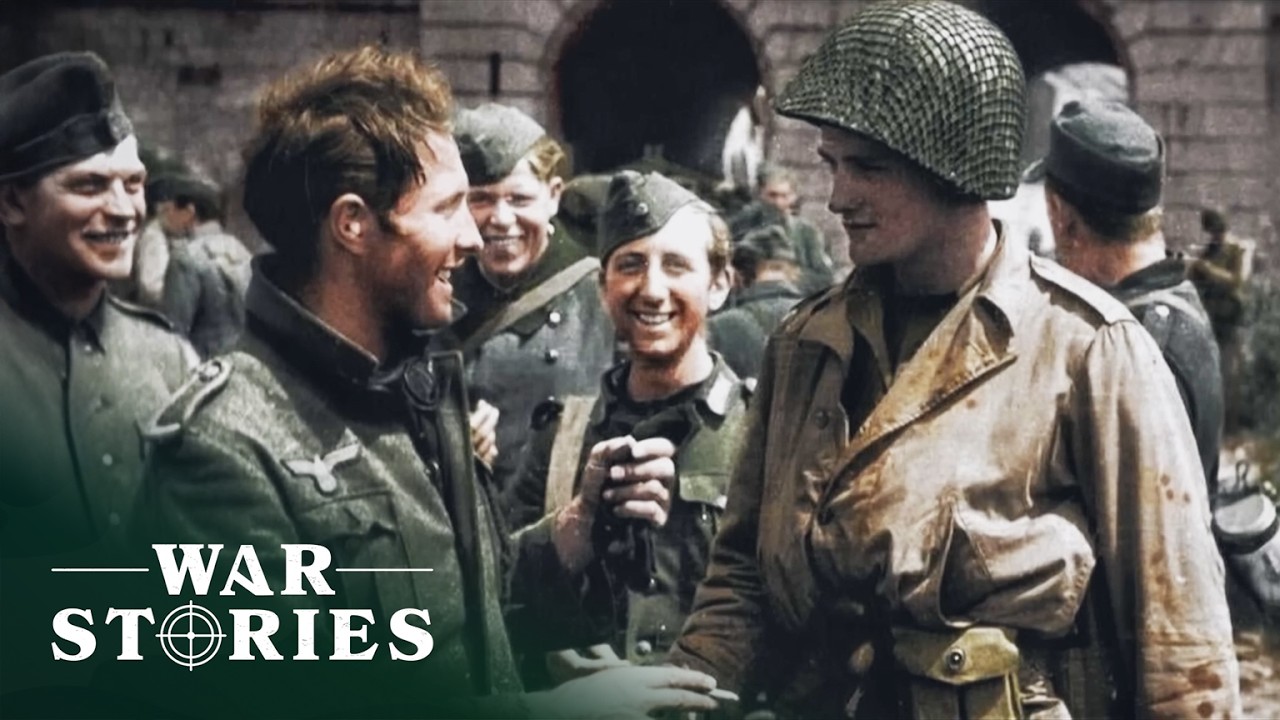
On May 5, 1945, American soldiers and defected Wehrmacht troops joined forces to defend Castle Itter in Austria against an SS attack, protecting French VIP prisoners.
Theories regarding the nature of God, the Bible, and angels are examined through the lens of extraterrestrial influence and ancient astronaut hypotheses.
Adolf Hitler's rise to power in post-WWI Germany was marked by the exploitation of national trauma, antisemitism, and propaganda, transforming ordinary citizens into supporters of Nazism.
Pol Pot, born Saloth Sâr in 1925, led Cambodia as General Secretary of the Communist Party, overseeing a regime responsible for the deaths of 1.5 to 2 million people during the Cambodian genocide.
In 1942, the aftermath of Pearl Harbor catalyzed Japan's rapid conquests and Germany's U-boat campaign, while the United States mobilized its industrial power to shift the war's momentum.
Scotland's ancient stone circles and rich history of UFO sightings position it as a significant site for exploring extraterrestrial phenomena.
Sinjar's Yezedi Kurdish residents, surrounded by ISIS in 2014, unite with diverse fighters, including women and an American, to resist extremism and defend their homeland.
Operation Blue marked a pivotal moment in World War II as the German Army's attempt to capture Stalingrad resulted in one of the deadliest battles in history.
In Season 4, Episode 5 of The UnXplained, significant archaeological findings are examined to assess their connection to biblical accounts of destruction.
In 1906, San Francisco experienced a catastrophic earthquake that reshaped the city and highlighted the vulnerabilities of urban infrastructure.
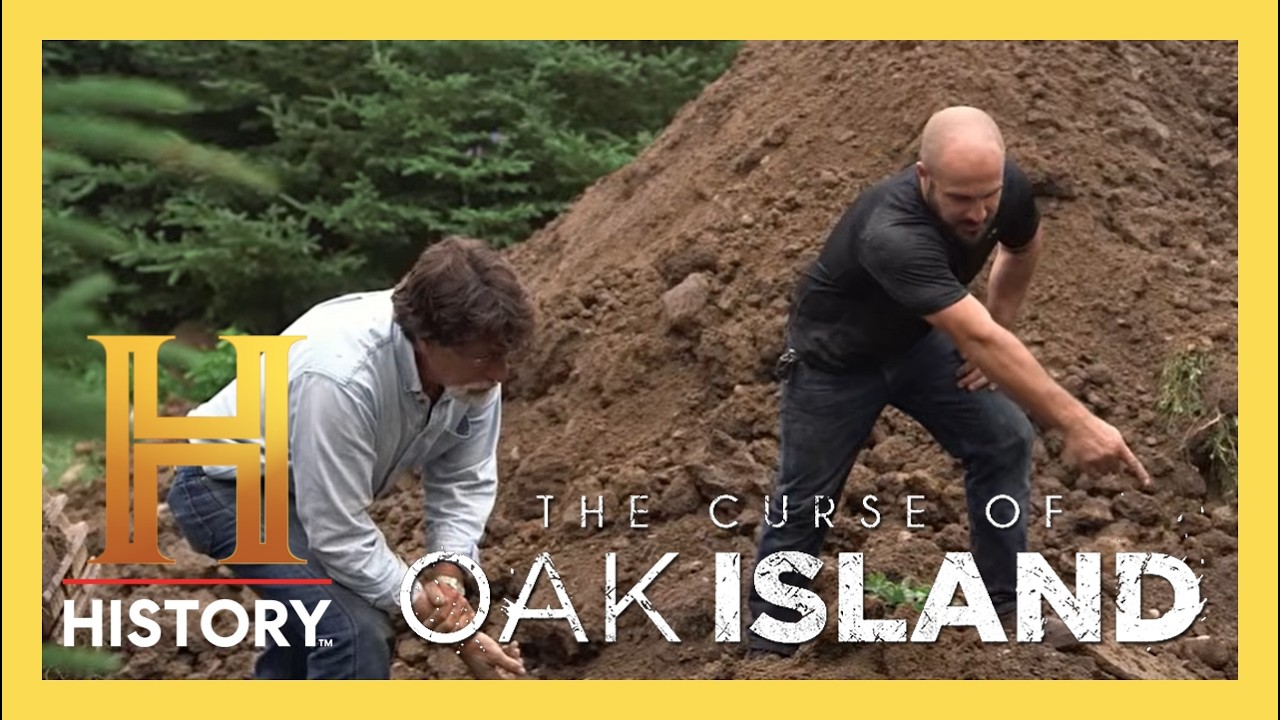
In Nova Scotia, Rick and Marty Lagina utilize heavy digging equipment to search for buried treasures believed to be linked to the Knights Templar on Oak Island.
Nazi leaders Hermann Göring and Heinrich Himmler initiated a program of genetic manipulation aimed at creating Aryan animals and altering nature to support their vision of a thousand-year Reich.
Josef Stalin's ascent from a poor Georgian background to the leader of the Soviet Union illustrates his ruthless consolidation of power and the resulting human cost.
In May 1945, the Battle of Berlin marked the brutal end of World War II in Europe as Soviet forces overwhelmed Hitler's defenses, leading to the fall of the Nazi regime.
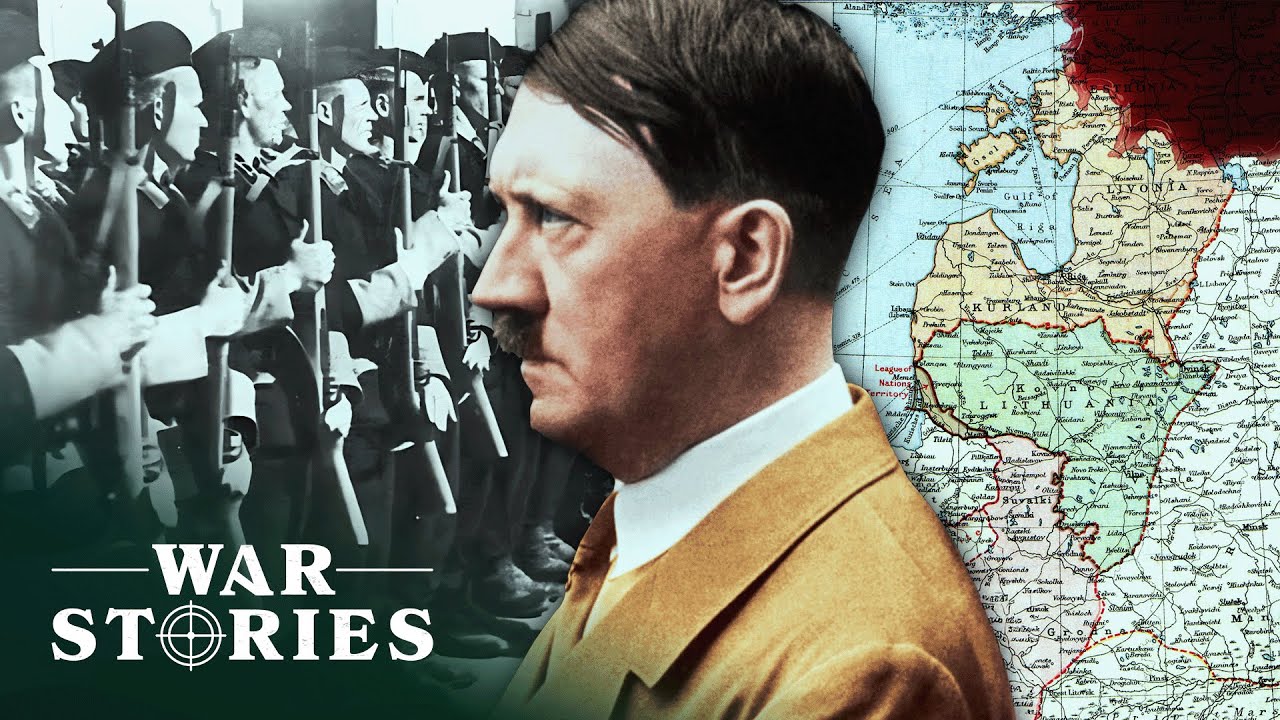
The Schutzmannschaft, formed in Nazi-occupied Baltic states and the Soviet Union, comprised pro-Nazi nationals responsible for the deaths of countless civilians.
Refugees and migrants fleeing war and persecution share their harrowing experiences and the exploitation they face from human traffickers in search of safety in Europe.
In Season 1, Episode 6 of The Universe, the formation and evolution of Earth, the third planet from the Sun, is explored through scientific insights and visuals.
Nazi Germany's advance in 1940 forces Winston Churchill to defend Britain from aerial attacks while Franklin D. Roosevelt mobilizes wartime production.
Allied air forces engage in a costly battle against the German Luftwaffe during World War II, highlighting the strategic significance of aerial combat in Europe.
In Yemen, children Ahmed, Rima, and Youssef share their harrowing experiences of living amidst the devastating conflict that has plagued their country since 2015.
Codebreaking during World War II emerged as a crucial strategy, with six episodes highlighting key battles where deciphering enemy communications determined outcomes.
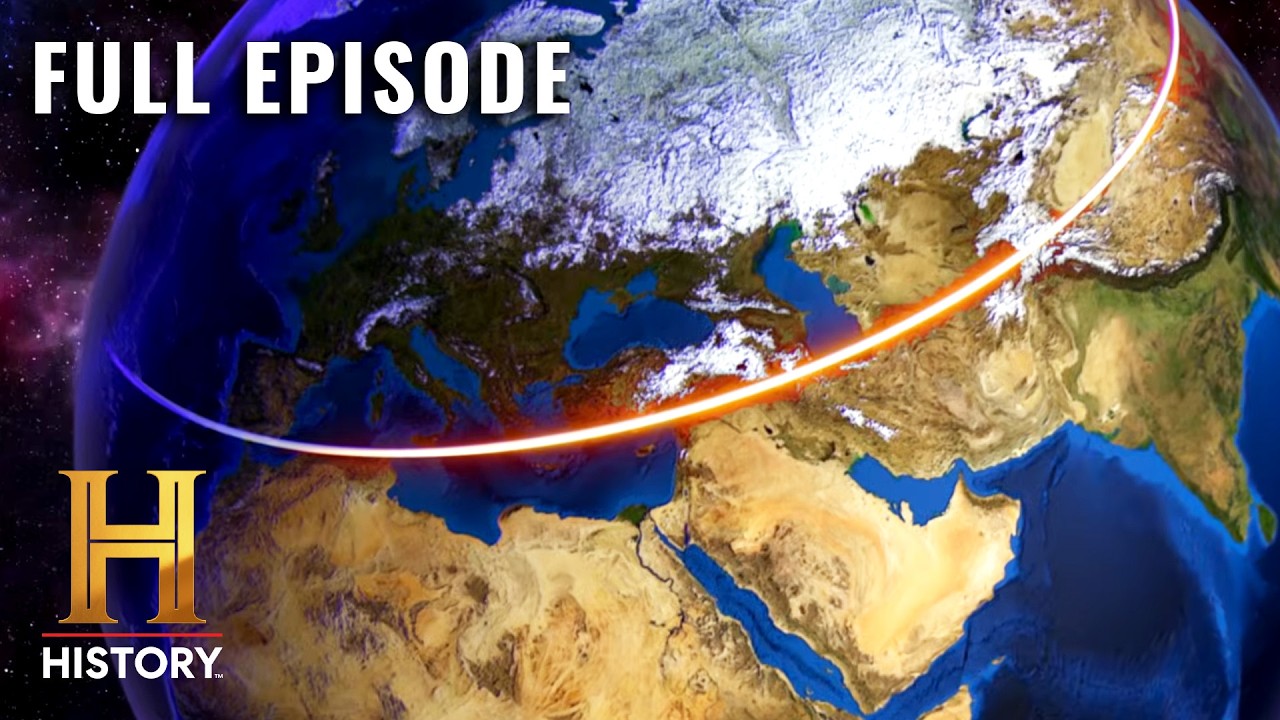
Along the Earth's north 37th parallel, numerous reports of unidentified flying objects and animal mutilations have led to its designation as The UFO Superhighway.
Remarkable tales of human survival challenge perceptions of resilience and the will to live, featuring incredible survivors from various backgrounds.
U.S. airline pilots report near mid-air collisions with unidentified flying objects, highlighting ongoing concerns about UAP encounters in commercial aviation.
Danny Koker restores a 1969 Shelby GT500 from a rusted state to a classic car at the Detroit Autorama in Season 8, Episode 17 of Counting Cars.