From over 100,000 films, discover the handful you'll love.
Free or premium access to the world's largest documentary library.
52 films(Page 1 of 2)
Temperatures in Kamchatka can drop below minus 50 degrees, making it one of the coldest inhabited places on Earth.
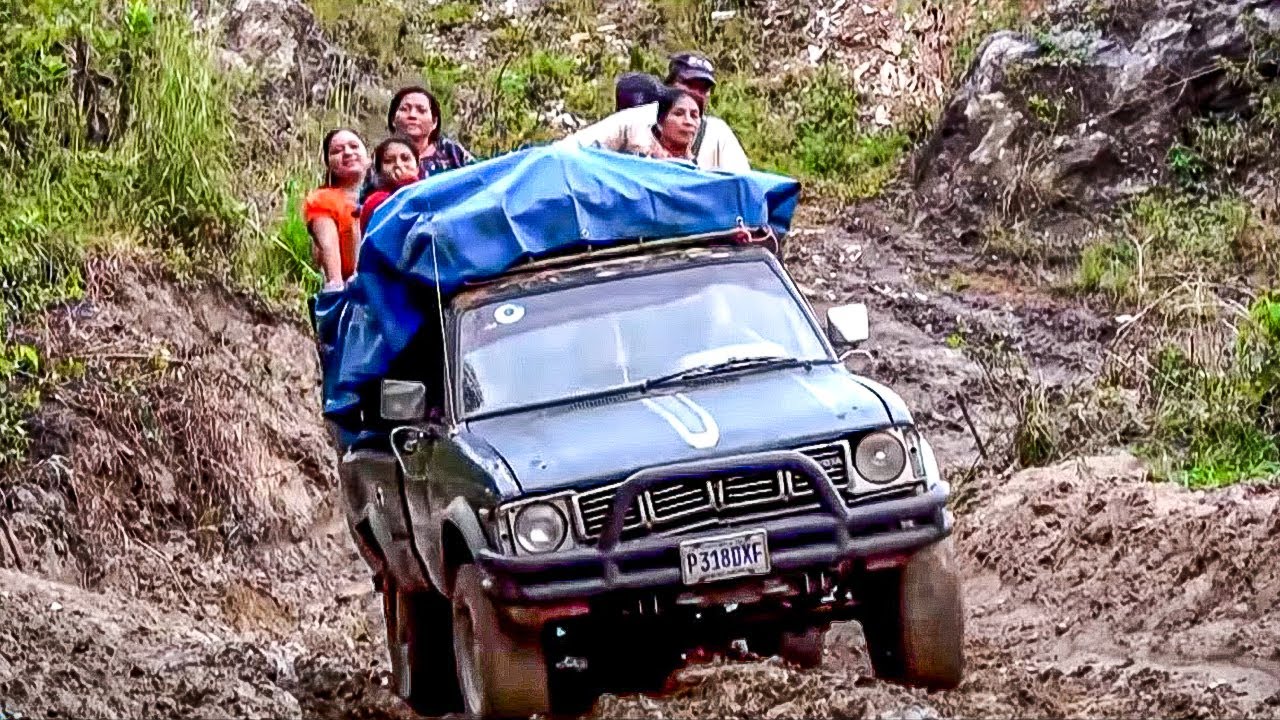
A bus trip of 30 kilometers can take several hours in Guatemala due to flooded roads and unstable mountain paths.
Venus has a surface temperature of 900°F, making it inhospitable and drastically different from Earth despite their similar beginnings.
Since the early 1960s, scientists have attempted 46 missions to Mars, with over half failing at launch or upon arrival.
More people have traveled to the Moon than have ventured to the deep ocean, which remains one of the last unexplored frontiers on Earth.
The Marianas Trench is the deepest place on earth, deeper than Mt. Everest is high.
Volcanoes have shaped life on Earth for four billion years, destroying empires and civilizations.
At least 14 active volcanoes are found in Katmai, more than any other national park in the United States.
Kilauea has created 500 acres of new land in the last 30 years, reshaping Hawaii's coastline with its continuous lava flows.
This disaster documentary highlights volcanic eruptions and earthquakes' devastating impacts.
Venus's surface reaches temperatures of 900 degrees Fahrenheit, making it inhospitable and resembling a furnace rather than a potential home for life.
The Pacific Ring of Fire, home to half of the world's active volcanoes and 90% of earthquakes, poses significant risks to nearly 800 million residents.
Hawaii's volcanic activity and geological history are showcased in this episode of the series.
Half of Guatemala's population is of Maya origin, reflecting the country's rich history and cultural diversity.
Learn how dinosaurs roamed the earth and survived in extreme conditions for millions of years.
Siberia spans over 5 million square miles, larger than the United States and Europe combined, with about 10 people per square mile.
Kamchatka, a remote Siberian peninsula with a rich wildlife and history of isolation, faces new opportunities as tourism revitalizes its resilient communities.
A group of ravens returns to the Canary Islands after decades, finding food and competing for survival in harsh, high-altitude conditions.
Professor Nick Eyles explores the Pacific Ring of Fire, revealing the science behind its active volcanoes, tectonic plates, and the history of mega-quakes.
At 4,800 meters above sea level, Baltazar Ushca, at 68 years old, is the last ice gatherer on Chimborazo, cutting glacier ice twice a week.
The Great Rift Valley, a 3,700-mile geological formation, reveals critical insights into human evolution and the dynamic processes shaping our planet.
In a Mediterranean valley known as the 'Divine Source,' a ten-million-year-old bird thrives in a unique ecosystem, highlighting the fragility of such environments.
The Collision Zone highlights the tectonic forces that shaped the Himalayas and the volcanic activity of Indonesia over millions of years.
Volcanoes and glaciers of the Eurasian Plate showcase the dynamic interplay of geothermal activity and tectonic forces, shaping breathtaking landscapes across Europe.
Geological forces such as volcanic activity, erosion, and tectonic shifts have shaped iconic landscapes like the Grand Canyon, Hawaii's islands, and the Rocky Mountains.
Kamchatka Peninsula, a remote and stunning region in Siberia, features breathtaking landscapes of volcanoes and glaciers, yet remains largely inaccessible due to its nuclear history.
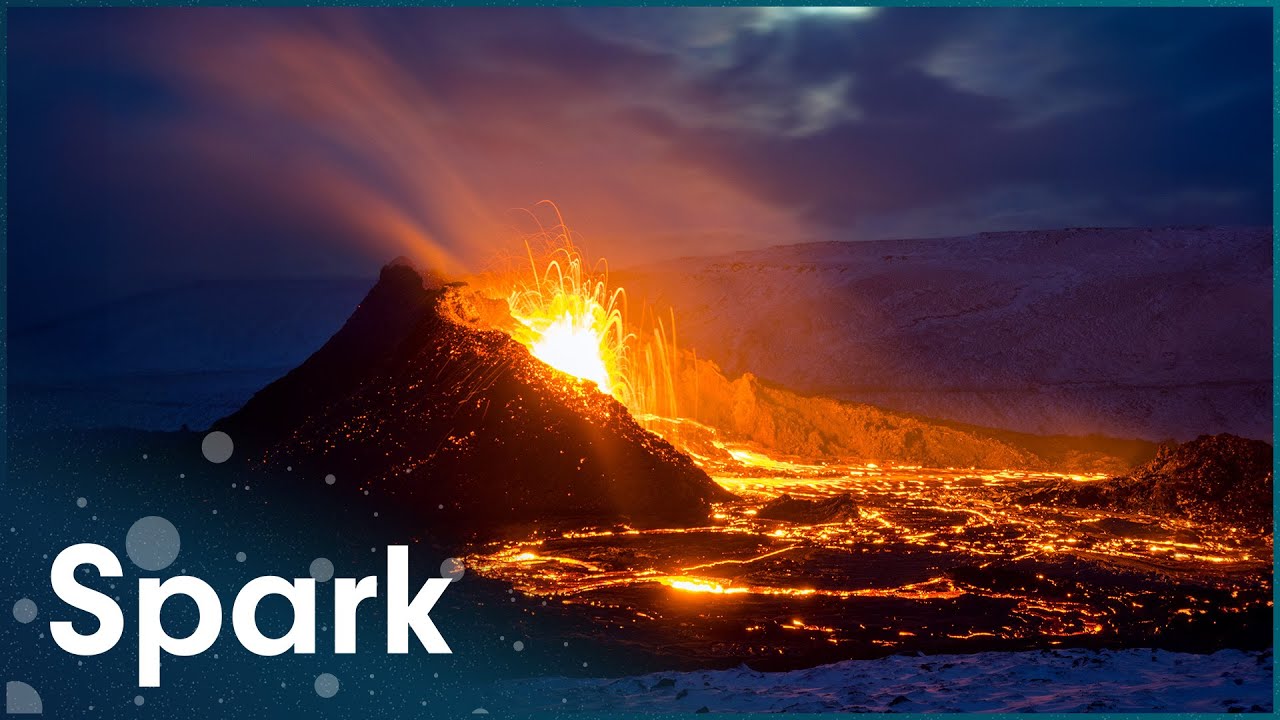
Iceland's volcanic landscape, shaped by tectonic activity and a deep-mantle hotspot, features 30 active volcanoes, including the impactful Eyjafjallajökull eruption of 2010.
Landslides, driven by hidden water pressure and volcanic activity, reveal the intricate forensic science behind these deadly natural disasters.
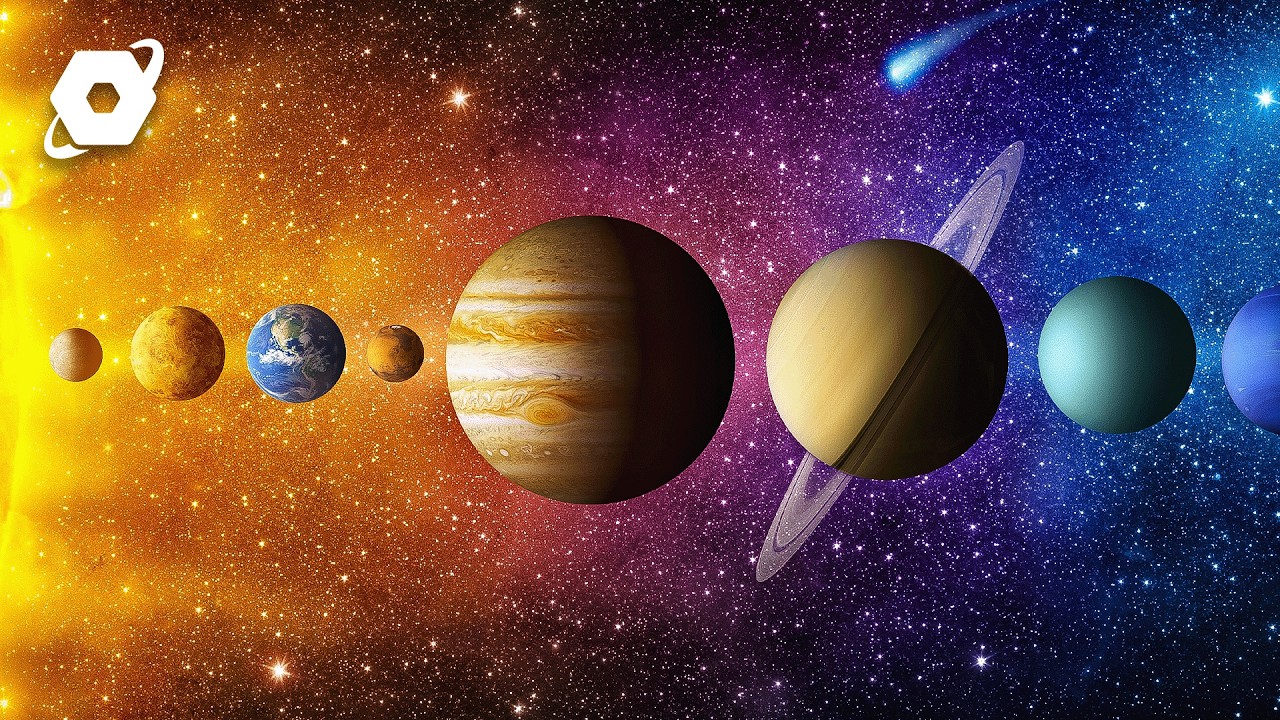
In the solar system, moons like Europa and Titan exhibit unique features such as subterranean oceans and volcanic activity, raising questions about potential alien life.
Sunda Islands, a rugged archipelago of 17,000 islands, showcases unique cultures, including ancestor worship on Sumba and a fisherman’s life in Bali.
Natural disasters like earthquakes, tsunamis, and volcanoes in New Zealand are examined through expert interviews and field-testing to reveal scientific predictions.
Volcanoes, despite their destructive power, play a crucial role in supporting life on Earth, as explored through a groundbreaking expedition to Vanuatu's lava lakes.
The peaks of Ecuador's volcanoes experience extreme temperature shifts, with nights resembling polar winters and days reaching hot equatorial summer.
Mount Etna, Europe's largest volcano, shapes the fertile agricultural landscape of Catania, where local communities adapt to its eruptions while cultivating renowned oranges and wines.
Nisyros, part of the Nisyros/Kos caldera complex, features an active volcano that poses a significant threat to the Aegean Islands while supporting local fishing and tourism.
Residents of Sicily's Mount Etna region navigate the challenges of frequent eruptions while benefiting from the volcano's fertile soils for agriculture.
One million years ago, Italy was a battlefield of violent volcanoes that shaped the land with eruptions of fire, lava flows, and clouds of ash.
Volcanoes across the Solar System reveal vital insights into Earth's geological history and the origins of life, showcasing their role as engines of creation and destruction.
46 attempts to send spacecraft to Mars since the 1960s have resulted in over half failing at launch or upon arrival.
Costa Rica's diverse ecosystems, including its nature reserves, face significant environmental challenges amid growing tensions between tourism and conservation efforts.
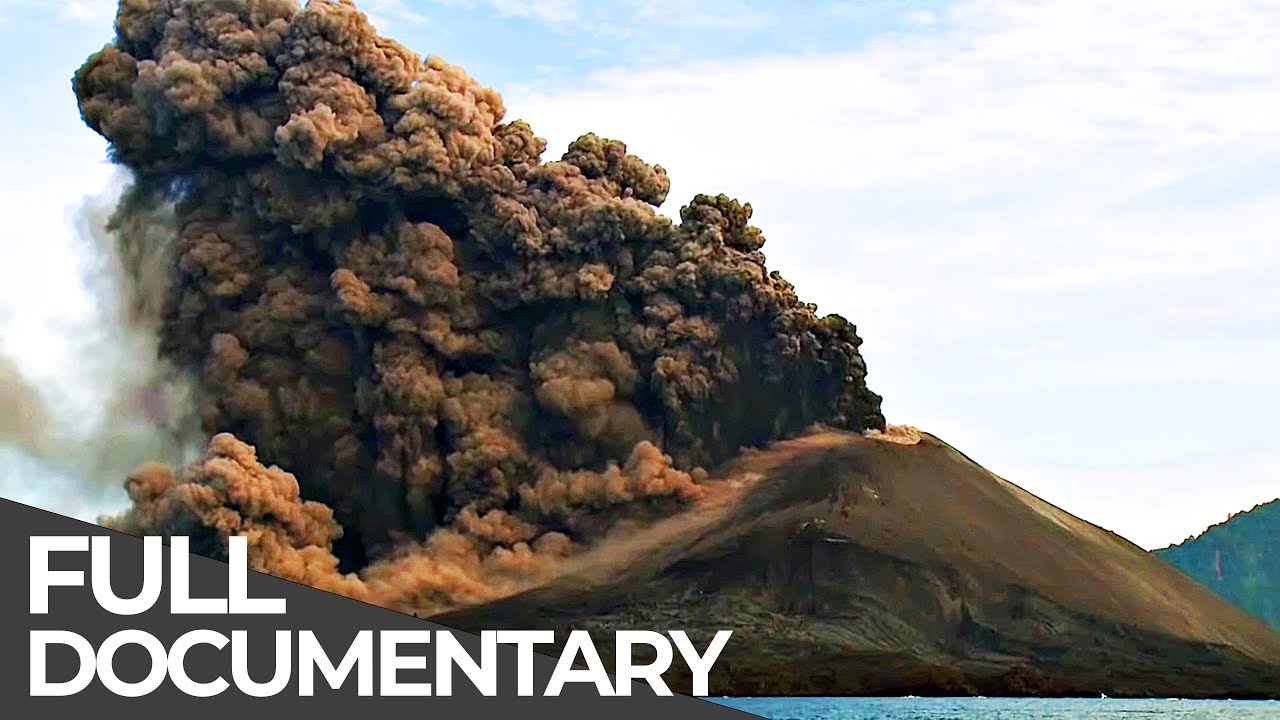
This island in Papua New Guinea showcases stunning volcanoes and unique biodiversity.
Half Dome's granite dome measures over 3 billion cubic feet, equivalent to the size of 1,000 football stadiums.
The Marianas Trench, the deepest subduction zone in the world, has not caused a devastating earthquake since records began in the 17th century.
Kilauea volcano has spewed enough lava since 1983 to cover all of Washington D.C. to a depth of 44 feet.
Megapode birds lay eggs composed of 70% yolk on ash-covered islands, using volcanic heat as a natural incubator while facing new predators.
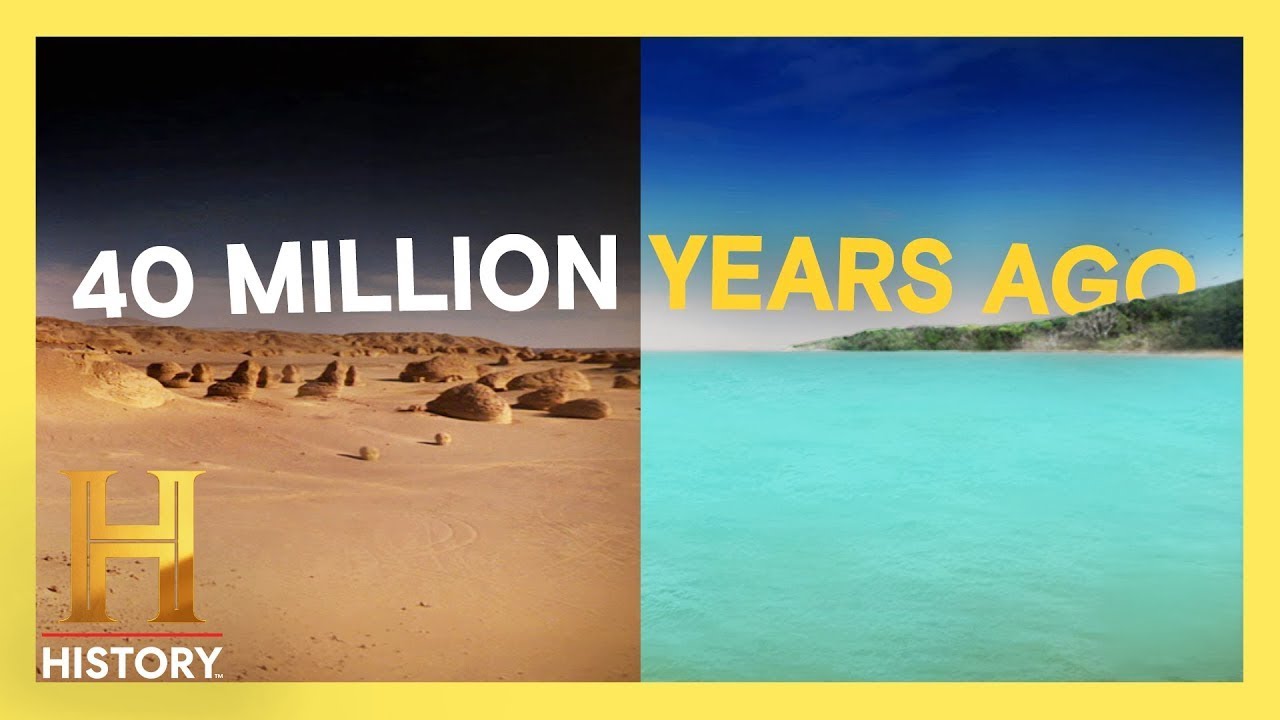
The Sahara Desert, the largest desert, reveals a surprising geological history in Africa.
Oceanic islands, comprising a sixth of Earth's land, host unique ecosystems shaped by volcanic activity and tectonic forces, as seen in locations like Hawaii and the Maldives.
Texas faces burial under a mile of lava from Earth's deadliest eruption 250 million years ago.