From over 100,000 films, discover the handful you'll love.
Free or premium access to the world's largest documentary library.
25 films
In January 2022, the Hunga Tonga-Hunga Haʻapai volcano erupted violently, causing a tsunami that devastated Tonga and sparked investigations into future threats.
NASA's Mariner 9 became the first probe to orbit another planet in 1971, revealing Mars' surface features after months of dust storms.
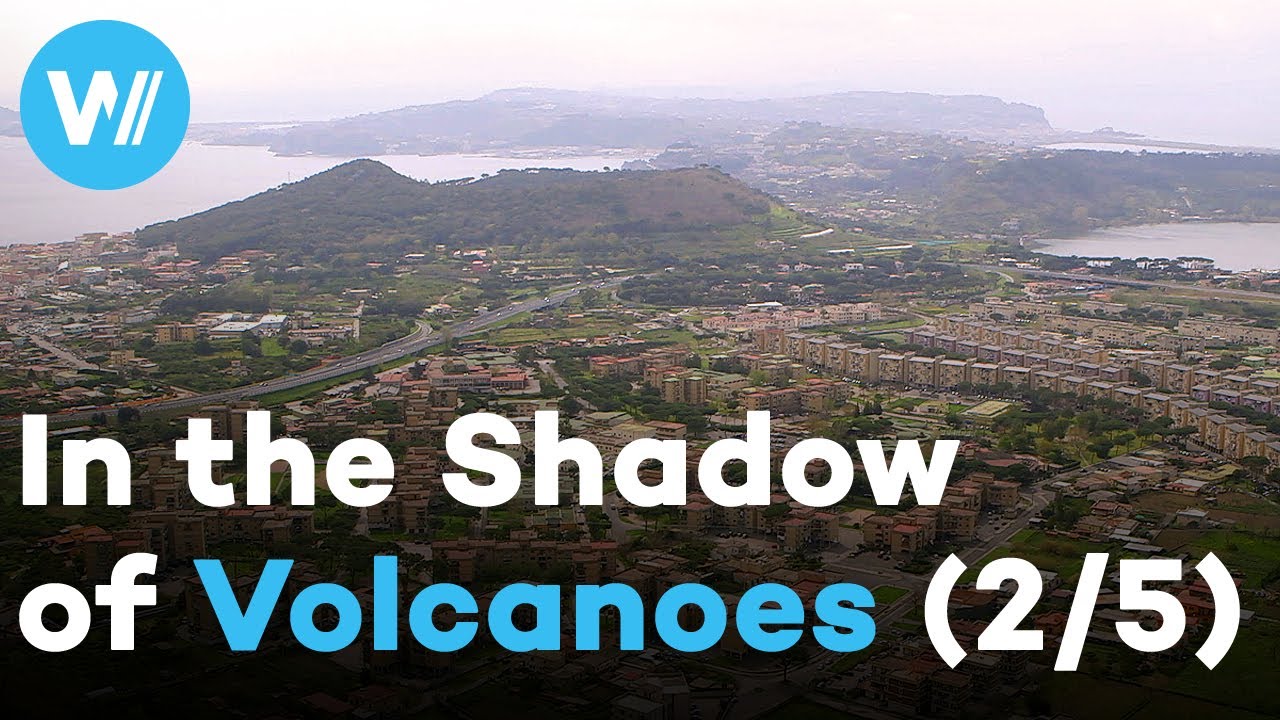
More than 1,000 volcanoes around the world are active, with Naples at risk from two nearby: Vesuvius and the lesser-known Campi Flegrei.
Geologic forces over 3 billion years shaped North America, revealing the history of the Grand Canyon, volcanic activity in Lake Superior, and the evolution of the Rocky Mountains.
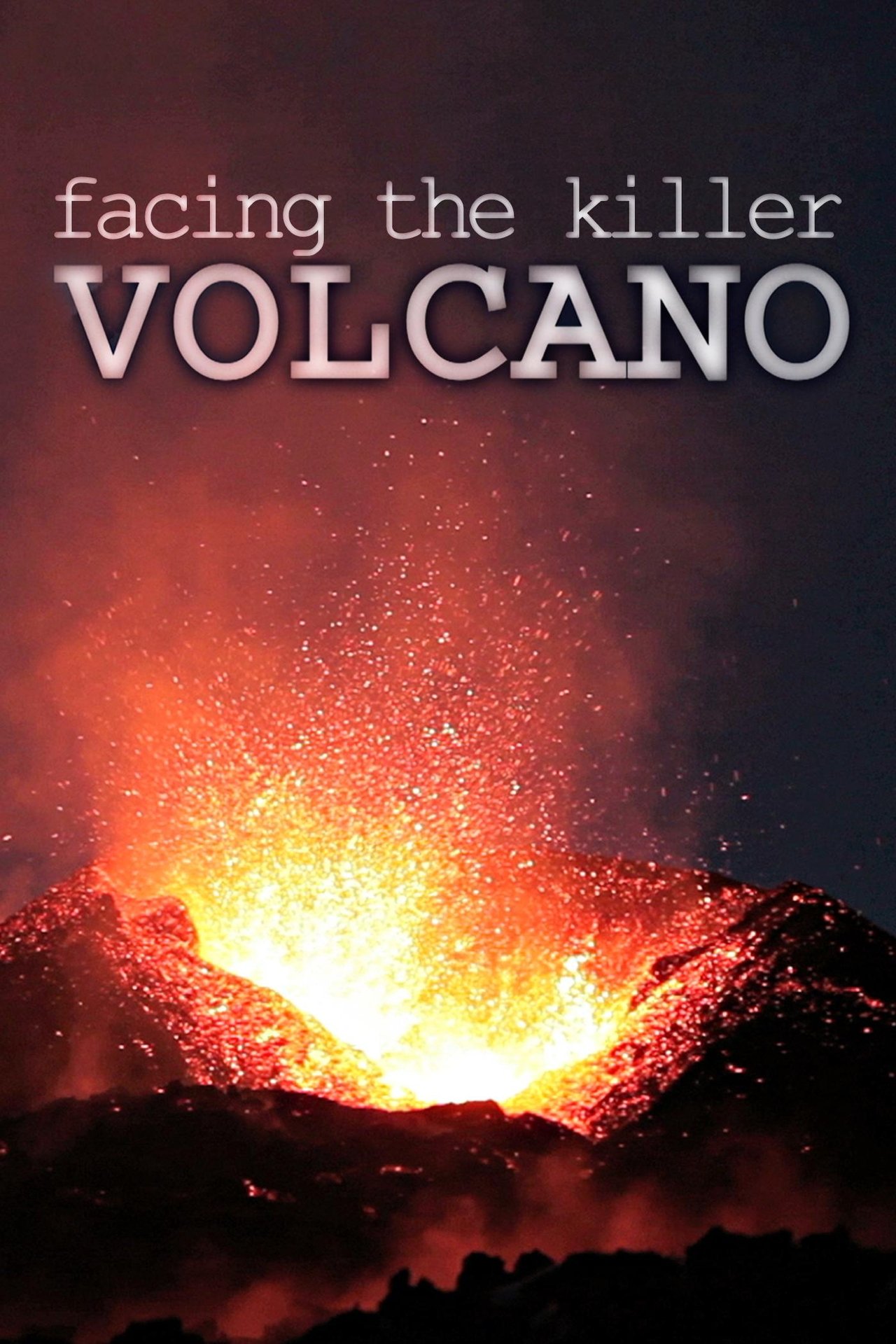
After 200 years of dormancy, the Fugen-Dake volcano erupts in June 1991, leading to a crisis that claims several lives among those documenting the event.
A deep crack in Iceland widens by 2 cm each year, revealing unique ecosystems where hardy fish and algae thrive in extreme conditions.
500 millimeters of rain fell on Taiwan in 24 hours during a record-breaking typhoon, marking one of the extreme weather events of 2015.
Masaya volcano in Nicaragua, active for over 30,000 years, hosts a unique ecosystem where wildlife thrives amidst toxic gases and the threat of eruptions.
Gamma ray bursts, studied by scientists at the University of Kansas, are believed to have caused a significant mass extinction event on Earth 450 million years ago.
Powerful geological forces have shaped New York's bedrock and ignited the Ring of Fire, leading to some of Earth's most catastrophic eruptions.
Moons in our solar system, once seen as lifeless, reveal themselves as dynamic worlds with volcanic activity, magnetic forces, and potential alien oceans.
Nearly 2,000 years ago, a population of salmon was forced to abandon their natal river due to volcanic eruptions that poisoned their habitat.
In 1883, Krakatoa erupted with catastrophic force, resulting in massive explosions and lava flows that reshaped the surrounding landscape and impacted global climate.
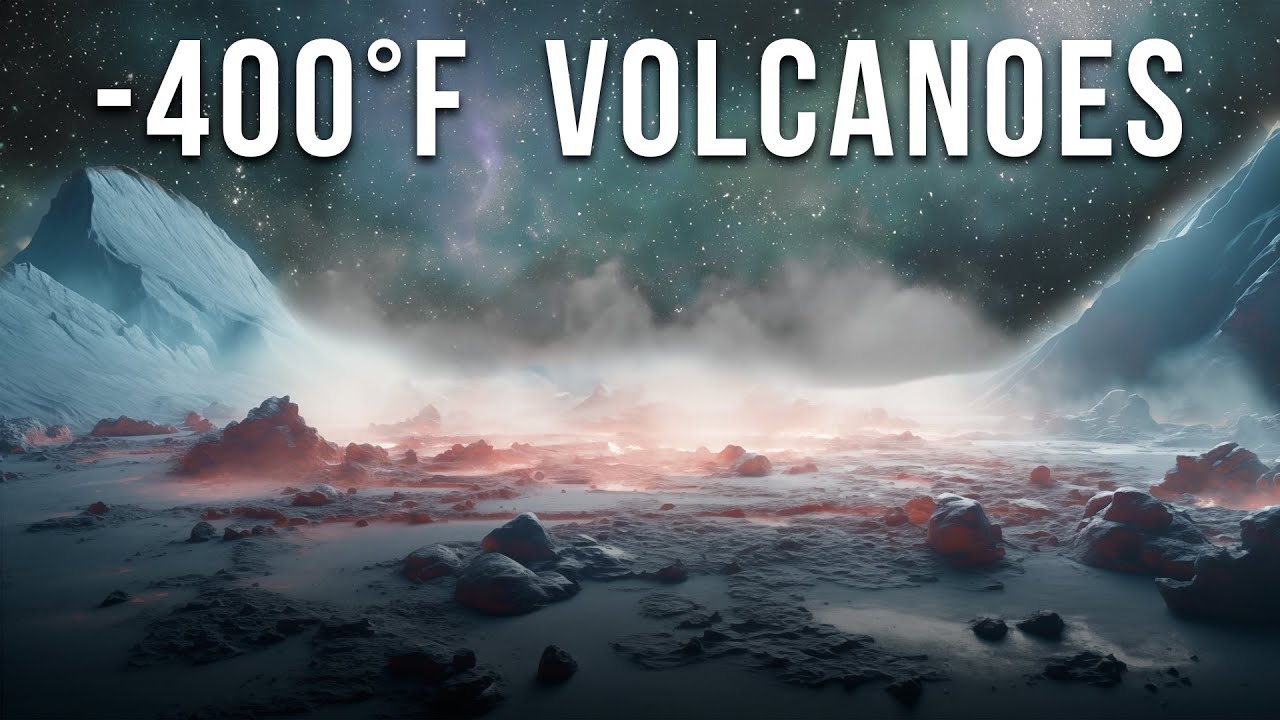
Triton, a moon of Neptune, has geysers that erupt a mixture of liquid nitrogen and dust at temperatures nearly 400 degrees below zero.
Forces of nature shape planets in diverse ways, from the towering Mauna Kea on Earth to the volcanic activity of Jupiter's moon Io, revealing their unique geological stories.
Animals on New-Britain have evolved unique adaptations that allow them to thrive in the hazardous environment created by volcanic eruptions.
Natural forces such as volcanic activity in Hawaii and the impact of tsunamis have shaped Earth's dramatic landscapes over billions of years.
Eighteen volcanic eruptions have occurred in the Canary Islands over the last 500 years, shaping the land and affecting local ecosystems.
Campi Flegrei, a 20 km wide caldera near Pozzuoli, poses a significant volcanic risk to densely populated areas around Naples, despite its last eruption in 1538.
A volcanic threat may be looming over an Australian city as the Pacific Ring of Fire remains one of the most powerful natural forces on the planet.
520 exclusive species make up 28% of the total flora and fauna found in the Canary Islands, shaped by their volcanic origins and isolation.
Eighteen eruptions have occurred in the Canary Islands over the last 500 years, shaping the land and creating unique ecosystems.
Lake Baikal, at 637 meters deep and 636 kilometers long, contains nearly 20% of the world's fresh water and is home to unique animal and plant life.
Iceland's Thingvellir plain spreads apart at a rate of one inch per year due to the forces of the Mid-Atlantic Ridge and an underlying hotspot.
Yellowstone's supervolcano last erupted 2.1 million years ago; are we due for another eruption?