From over 100,000 films, discover the handful you'll love.
Free or premium access to the world's largest documentary library.
244 films(Page 2 of 6)
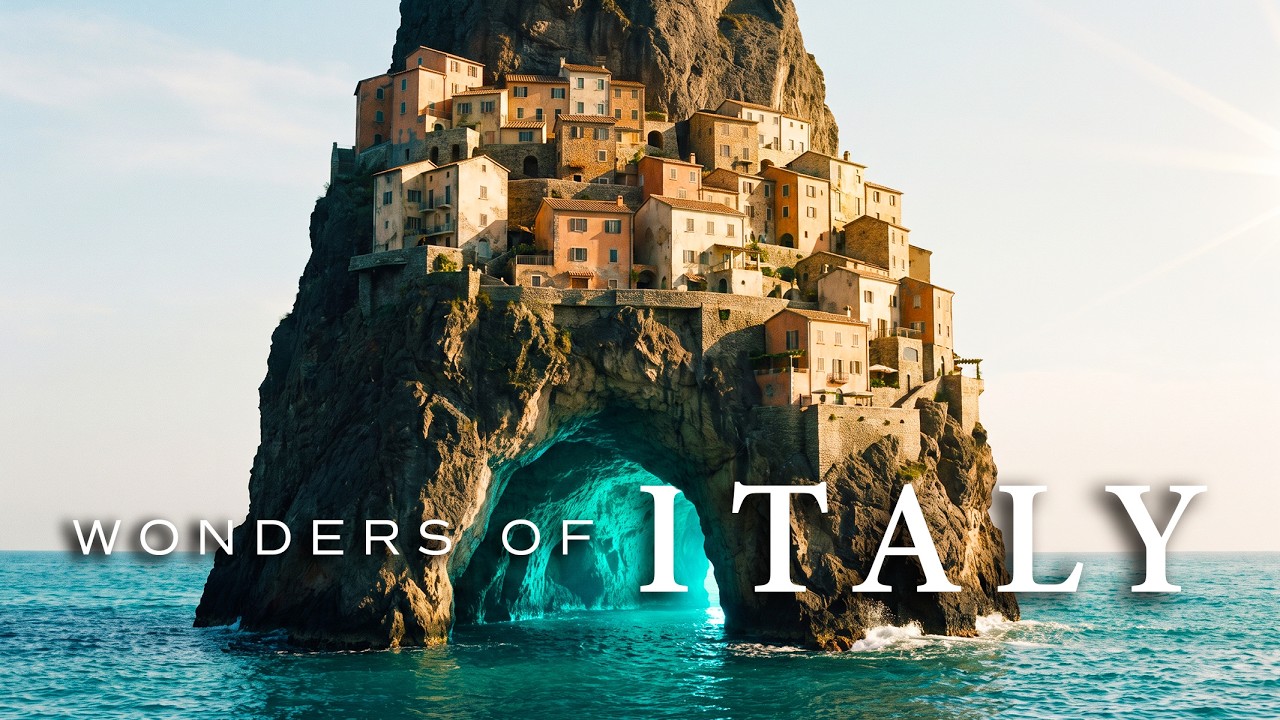
Ancient cave dwellings, sunken cities, and cliffside villages reveal Italy's hidden wonders, showcasing beauty and history far from the typical tourist paths.
Tourism in Tunisia collapsed by 80 percent following a terrorist attack on June 25, 2015, leading to widespread job losses and economic hardship.
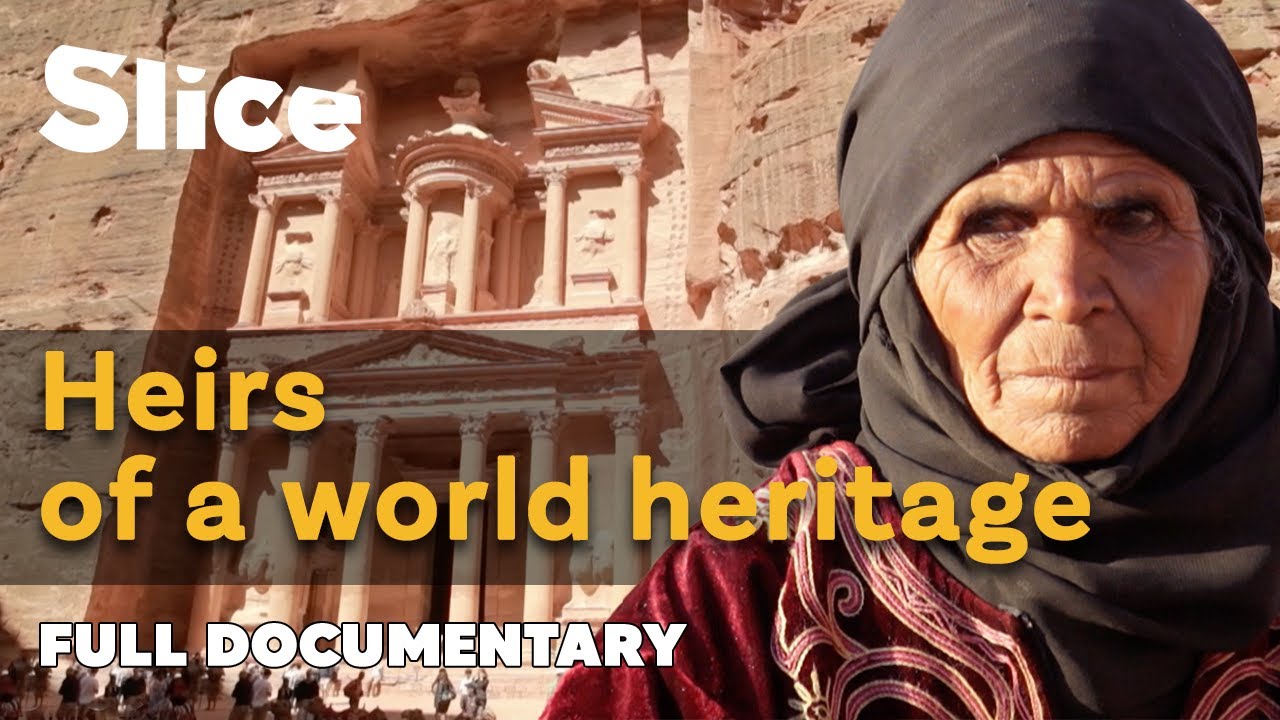
In the early 1980s, the B’doul tribe was expelled from Petra, losing their homes in the caves where they had lived for generations.
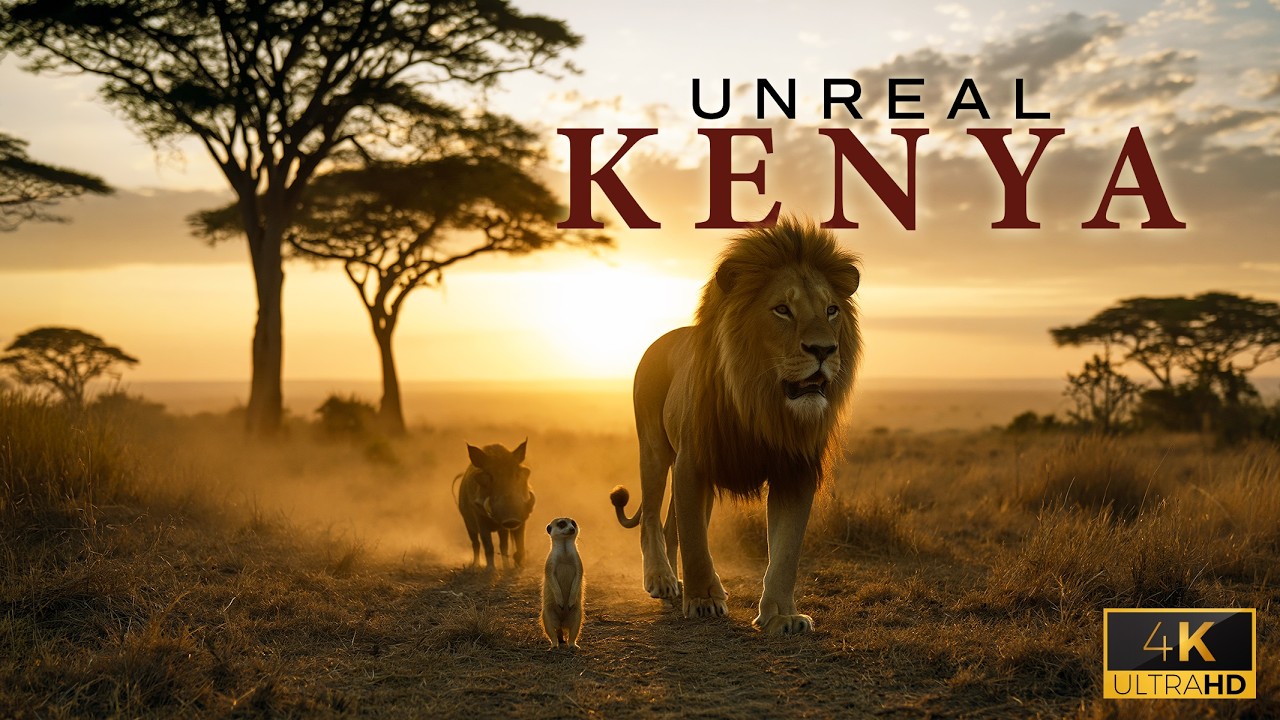
In the Maasai Mara and Amboseli, Kenya's diverse ecosystems showcase the intricate relationships between predators, migrations, and survival in the wild.
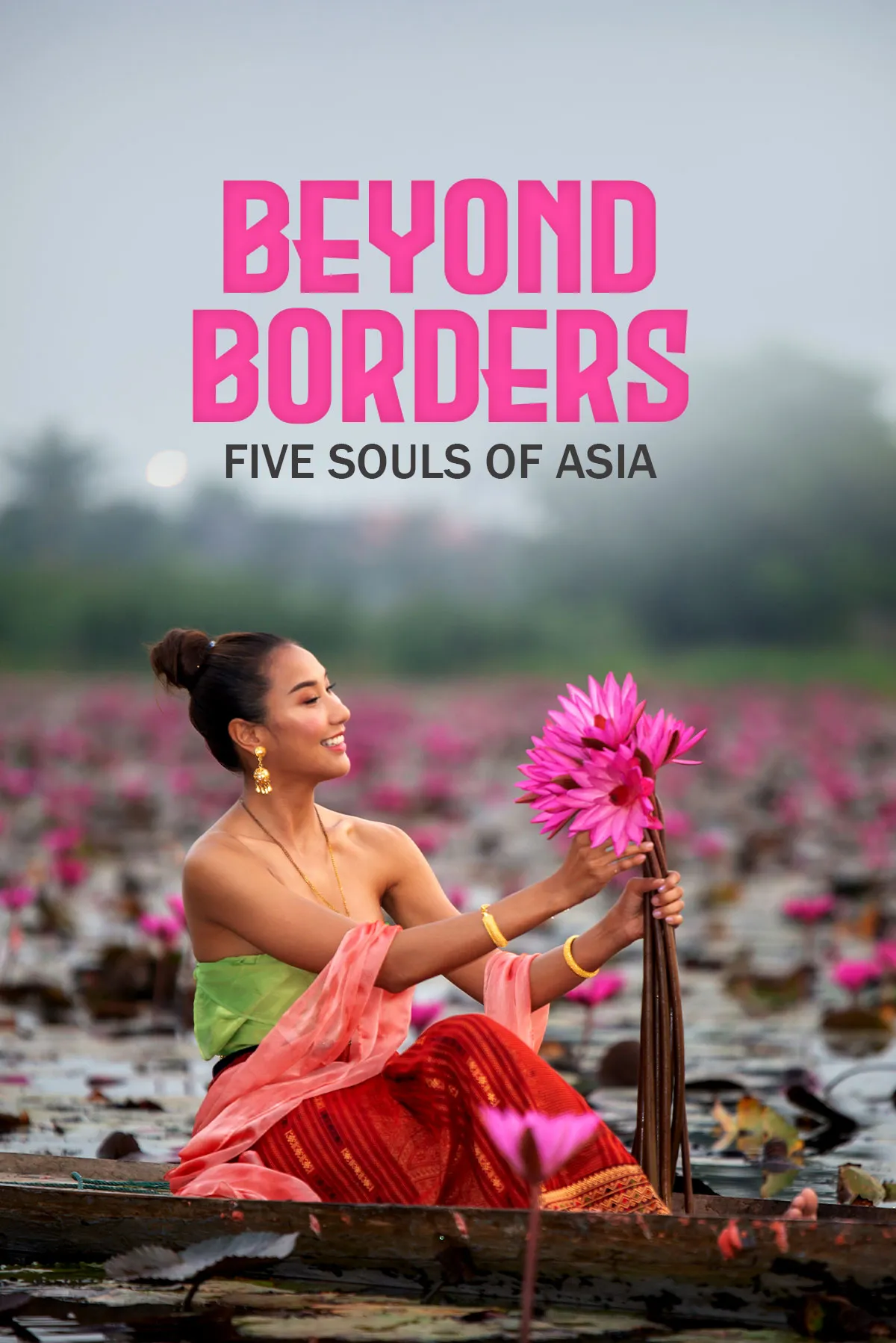
East Asia is home to 76 officially recognized minority or indigenous ethnic groups, including 55 in mainland China and 16 in Taiwan.
Iceland, the world's 18th largest island, covers an area of 103,125 km² and features more land covered by glaciers than continental Europe.
Tourism activities on Boracay Island have been suspended due to significant environmental deterioration caused by 25 years of rapid commercialization.
Saudi Arabia is undergoing significant transformation under Crown Prince Mohammed bin Salman, balancing modernization with its conservative traditions and social controls.
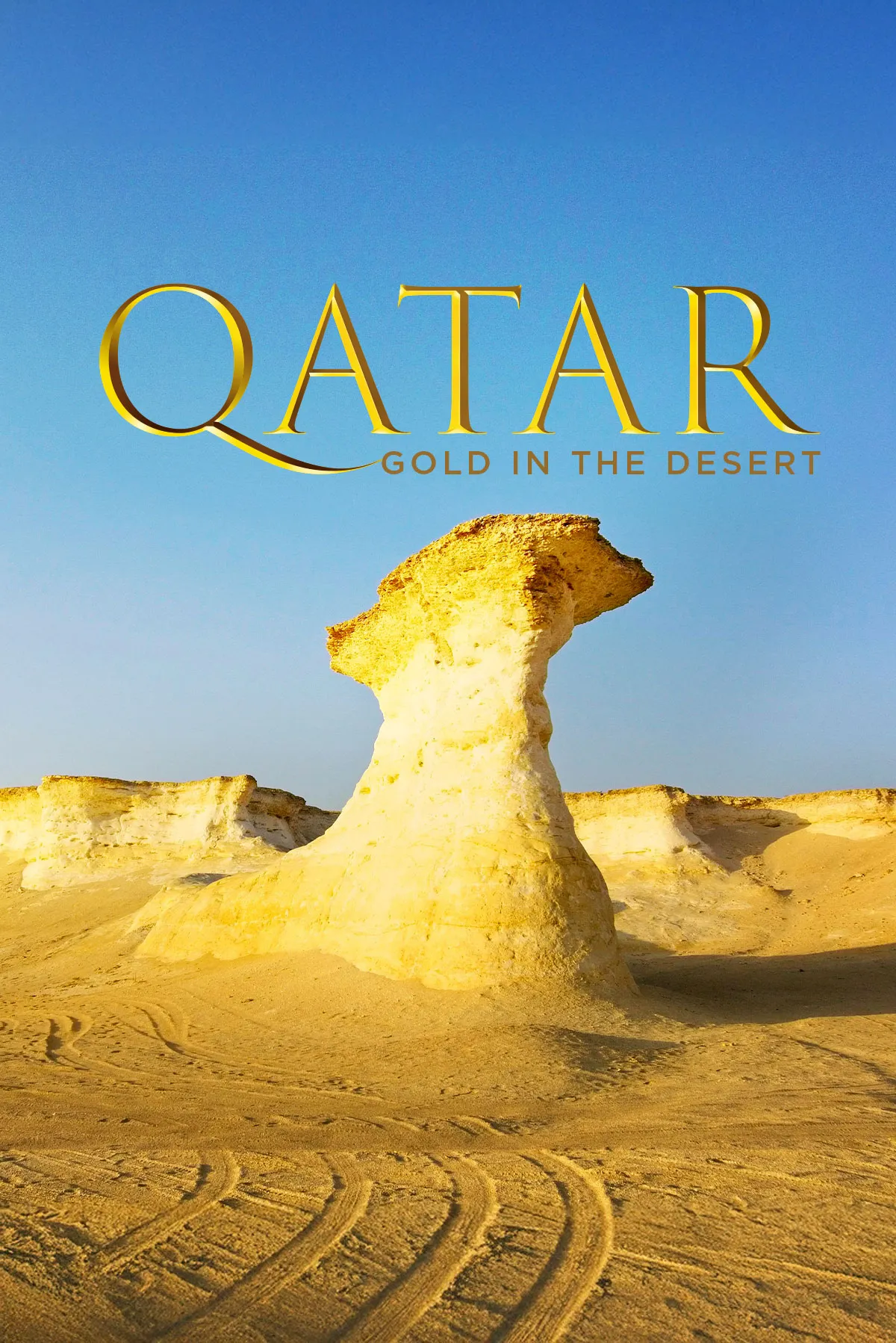
Qatar has a population of 2.6 million, with only 313,000 being Qatari citizens, while the rest are expatriates and migrant workers.
South America covers an area of 17,840,000 square kilometers and is home to more than 434 million people as of 2021.
A 25-minute documentary presents a modern view of Vietnam, focusing on its culture, cuisine, and the warmth of its people.
Abu Dhabi, with an estimated population of 2.5 million, is the capital of the UAE and accounts for about two-thirds of the country's $503 billion economy.
Modern architecture, prominent from the 20th century until the 1980s, showcased innovative construction techniques using glass, steel, and concrete.
In 2024, Dubai International Airport handled over 92 million passengers, making it the world's busiest airport for international travel.
Above 8,000 metres (26,000 ft), human bodies cannot acclimatize, entering the so-called death zone where survival requires specialized equipment.
Bhutan's Gross National Happiness index replaces traditional economic measures, reflecting the government's unique approach to development in a country of 800,000 people.
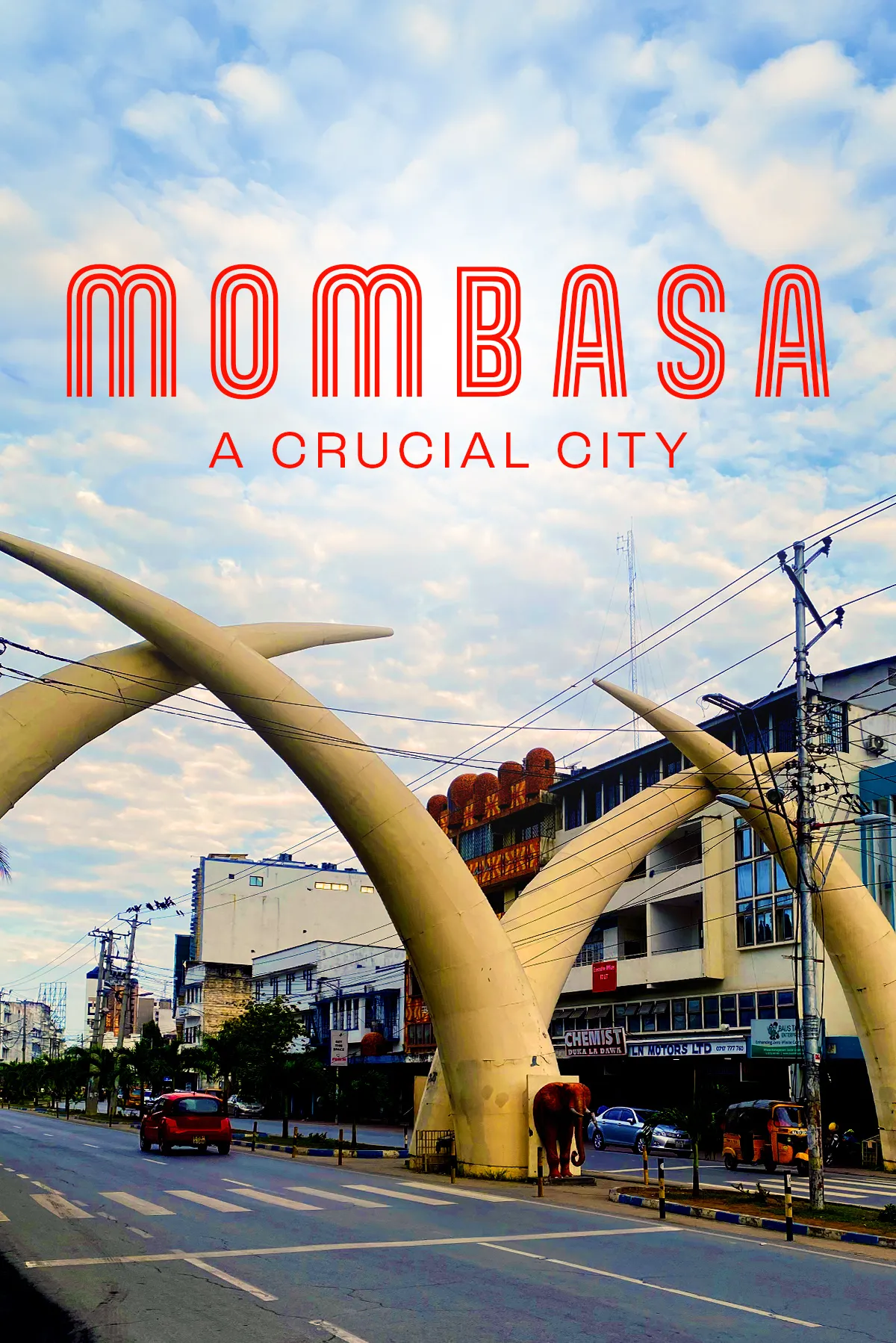
Mombasa, Kenya's oldest city, has a population of approximately 1.2 million and was a significant trading center as early as the 12th century.
Malta faces a severe water crisis as agriculture expert Malcolm Borg advocates for indigenous plants and efficient water use amid increasing population and tourism pressures.
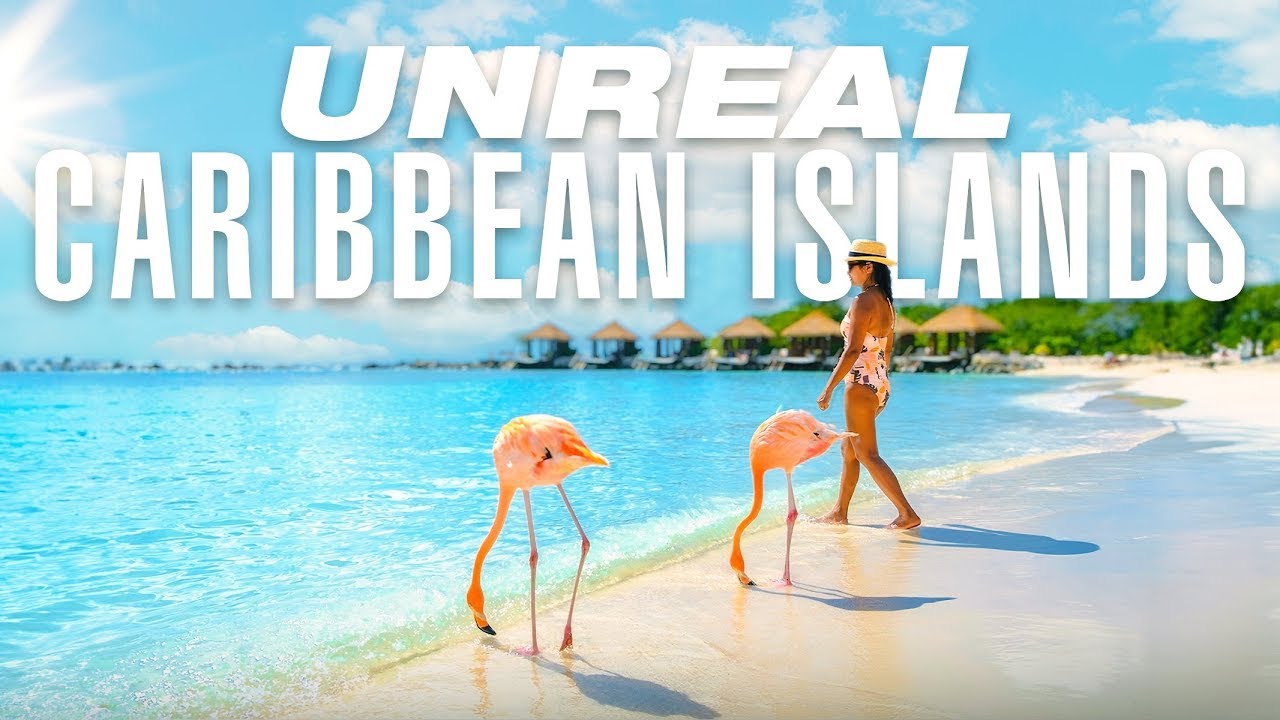
Twenty-five Caribbean islands, including Antigua and Barbuda, Barbados, and Saint Lucia, are showcased for their stunning white sand beaches and travel appeal.
Brazil's diverse landscapes are showcased through its iconic sites, including the Amazon Rainforest, Christ the Redeemer, and the beaches of Rio de Janeiro.
21,000 dollars is the starting price for a bronze bowl with gold and gemstones in Beirut, where social life continues despite challenges.
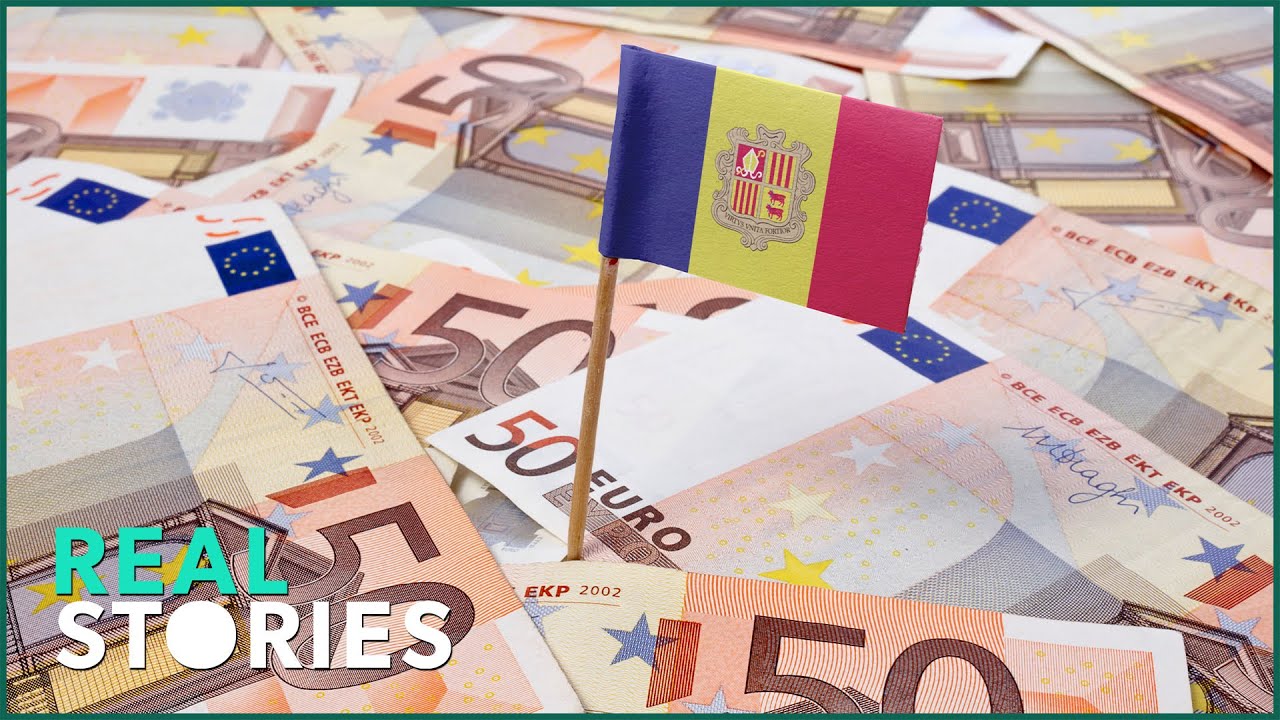
Andorra's banks manage over 49 billion euros, more than 100 times the country's annual budget of 470 million euros, raising concerns about financial stability.
Germany's political and economic landscape is examined through regional issues such as Bavaria's financial solidarity with Greece and Stuttgart's "Stuttgart 21" protests.
Europe's hidden villages and medieval towns, from Italy's picturesque landscapes to France's quaint charm, preserve unique traditions and architectural styles.
Saudi Arabia's ambitious tourism campaign aims to attract millions of visitors while grappling with ongoing human rights concerns and political repression.
Earth's deserts, characterized by extreme heat and aridity, host a remarkable array of resilient wildlife and plant life that have adapted to survive in harsh conditions.
The panel discusses tourism recovery post-pandemic, focusing on Europe and insights from Jane in China.
400 million Chinese enjoy their golden weeks, embracing luxury and unique vacation trends.
North Korea, often labeled as the last Soviet state, draws tourists interested in experiencing life under a totalitarian regime through guided tours.
Property prices in Jaffa have increased nearly tenfold, displacing long-time residents as the city transforms into a sought-after real estate market.
The Kamp river in Lower Austria, with its diverse ecosystems and cultural significance, flows through a landscape rich in wetlands, forests, and wine-growing traditions.
A German entrepreneur runs a company in Mongolia, aiming to present local traditions to the world while facing challenges in a changing economy.
Andorra's banks manage over 49 billion euros, more than 100 times the country's annual budget, amid a scandal involving government corruption and financial theft.
Cancun's rapid hotel development threatens the unique ecological environment of the Yucatan Aquifer, raising concerns among environmentalists about sustainability.
Baha Mar, a $3.4 billion mega resort in the Bahamas, showcases its operations, management challenges, and guest experiences, attracting one million visitors annually.
Cabo San Lucas, a popular vacation destination for American millionaires, is also a strategic hub for drug cartels amid rising violence and mysterious disappearances.
A team of Russian paratroopers constructs an airport on the Arctic Ocean's ice, enabling tourists and scientists to explore the North Pole before it melts.
Baha Mar, a £3.4 billion luxury resort, hosts 1 million dream holidays annually, featuring private jets, trained flamingos, and a dedicated staff of 5,000.
Connor explores the tourist industry in Mexico, seeking to profit from inflatable surfboards and premium sipping tequila while finding international buyers.
Italy's diverse landscapes, from the Dolomites to the Amalfi Coast, showcase ancient cities, unique wildlife, and rich regional traditions often overlooked by tourists.
In just a few decades, Dubai has evolved from a small trading port into a global hub characterized by record-breaking architecture and rapid urban development.
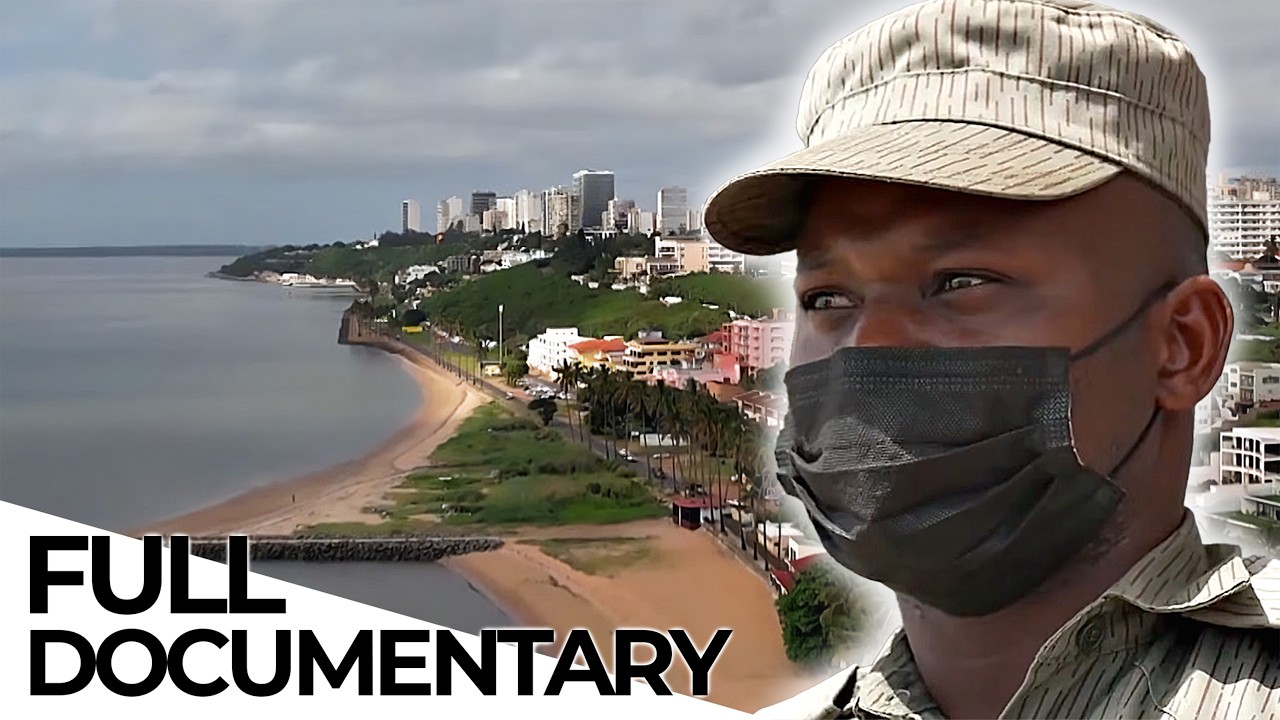
Mozambique's turbulent history, marked by civil war and ongoing jihadist violence, contrasts sharply with its rich natural resources and cultural heritage.
In Los Angeles, a stark contrast exists between the city's glamorous image and the harsh realities of Skid Row, where homelessness and violent crime are on the rise.
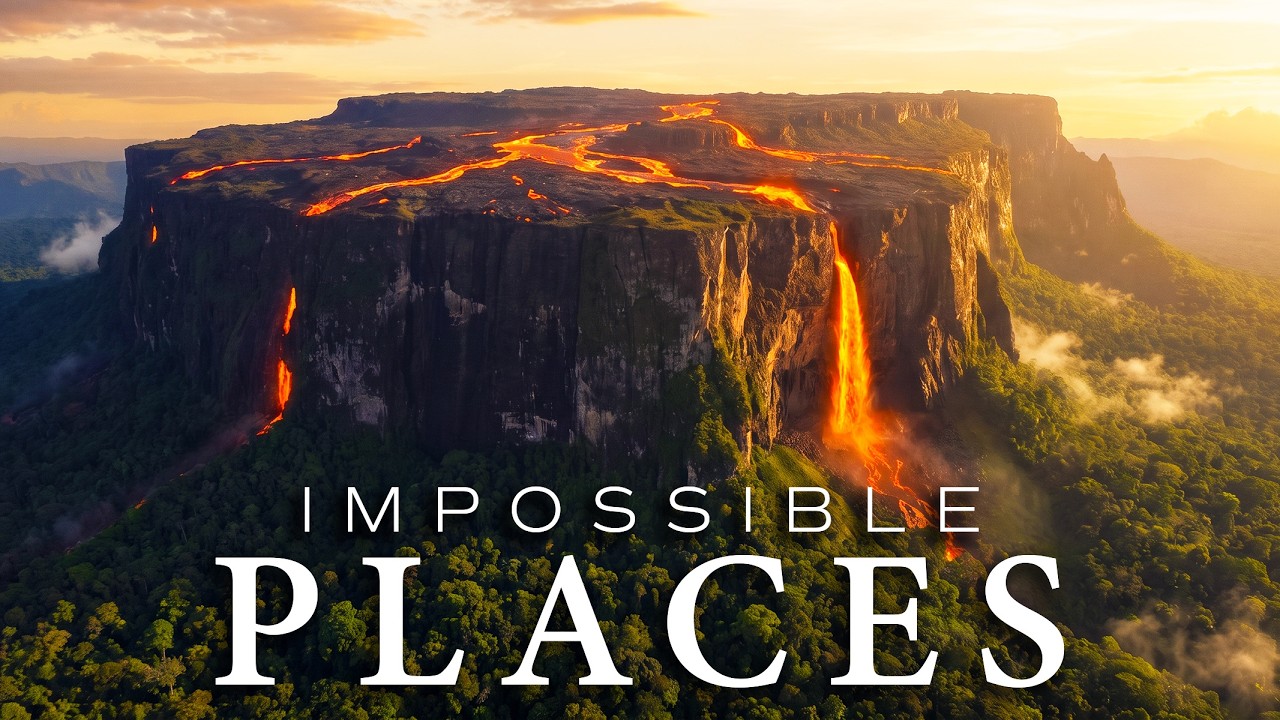
In stunning 4K, breathtaking landscapes and hidden natural wonders from around the globe are showcased, revealing Earth's most visually striking locations.
Rare and remote ecosystems around the world are showcased in stunning 4K detail, revealing Earth's hidden natural wonders shaped by time and isolation.
In remote locations across Iceland, Russia, Thailand, and New Zealand, stunning natural wonders like the stone giants of Manpupuner and Kamchatka's volcanic landscapes are showcased.
South American immigrants, many undocumented, significantly contribute to Spain's thriving economy, raising questions about the impact of new legal status for migrants.
This Spanish video highlights a different kind of tourism focused on eco-friendly travel and conservation.