From over 100,000 films, discover the handful you'll love.
Free or premium access to the world's largest documentary library.
204 films(Page 4 of 5)
Apollo 12's mission in November 1969 faced unexpected challenges, including lightning strikes that jeopardized the astronauts' safe return from the moon.
Zion National Park in Utah showcases its dramatic geological features, including towering spires and narrow canyons, revealing the Earth's complex history.
Mars rovers like Curiosity have been exploring the planet for signs of life, while astronomers study ancient star clusters and nebulas across the cosmos.
Gros Morne National Park in Newfoundland showcases a unique landscape formed by a continental collision nearly 500 million years ago, featuring dramatic fjords and cliffs.
The sun has influenced human existence through its impact on air quality, skin color, time perception, religion, and scientific development since the Big Bang.
Hurricanes are intensifying due to climate change, with warmer ocean temperatures leading to wind speeds that can reach up to 300 km per hour.
Dark energy, a mysterious force believed to shape the universe, is examined through advanced telescopes and cameras that track galaxy movements.
Apollo astronauts collected lunar rocks that have provided crucial insights into the moon's origins and its connection to Earth's formation.
Mercury, the closest planet to Earth, has long eluded exploration, but missions like Mariner and Messenger have revealed significant new findings about its extreme environment.
Given the vastness of the universe and the potential for life, the absence of contact with extraterrestrial civilizations raises critical questions about existence beyond Earth.
The anthropic principle raises questions about whether the universe is uniquely suited for life, alongside theories of a multiverse that could explain our existence.
Mercury, the closest planet to Earth, has long eluded astronomers, but missions like Mariner and Messenger have revealed significant new findings about its surface and atmosphere.
Northern lights reveal insights about Earth's composition, the sun's behavior, and potential extraterrestrial life, supported by advanced computer simulations.
NASA's Apollo program, following the Gemini missions and marked by the Apollo 1 tragedy, culminated in Neil Armstrong's historic moon landing on July 20, 1969.
Survivors of tsunamis in Japan, Thailand, Indonesia, and California recount their experiences while researchers explain the science and technology behind these oceanic disasters.
The Sun's immense power fuels the solar system, shaping celestial mechanics, sustaining life on Earth, and influencing phenomena like the Aurora Borealis.
Stars are complex celestial bodies whose colors, temperatures, and processes reveal insights into their composition and the creation of matter in the universe.
Worsening wildfires in California and Hawaii are causing unprecedented devastation, prompting communities to seek innovative solutions and adapt to the escalating threat.
After a critical repair mission, the Hubble Space Telescope resumes its role in expanding our understanding of the universe and capturing stunning cosmic images.
Climate change is increasing the frequency of catastrophic flooding worldwide, prompting scientists and meteorologists to develop advanced technologies for disaster mitigation.
Lake Superior, the largest of the Great Lakes, is examined for its extensive freshwater resources and the diverse wildlife of the Canadian Shield.
Anak Krakatoa, known as "The Child of Fire," enters a violent phase, raising concerns about a potential repeat of its ancestor Krakatoa's catastrophic eruption.
Cosmic rays, originating from distant astrophysical events, provide critical insights into the fundamental processes shaping the universe.
An advanced planetary explorer, funded by a $900 million investment, is designed to analyze cosmic phenomena across multiple wavelengths.
Constellations reveal intricate star clusters, beautiful nebulas, and ancient galaxies, offering insights into the cosmos beyond their mythological representations.
Mars has been extensively studied through various missions, including NASA's Perseverance rover and the Mars Reconnaissance Orbiter, revealing critical insights about its geology and potential for life.
NASA's Space Shuttle program, spanning over 25 years, provided critical insights into space exploration and laid the groundwork for future missions to Mars.
Scientists work to detect gravitational waves and map the moon's gravity patterns for the first time, enhancing understanding of cosmic forces.
Earth's formation is traced from the early solar system through geological and astronomical developments to the present day, featuring insights from expert John Smith.
Solar and lunar eclipses provide insights into Earth's atmosphere and orbital dynamics, illustrating the complex interactions between the sun, moon, and planet.
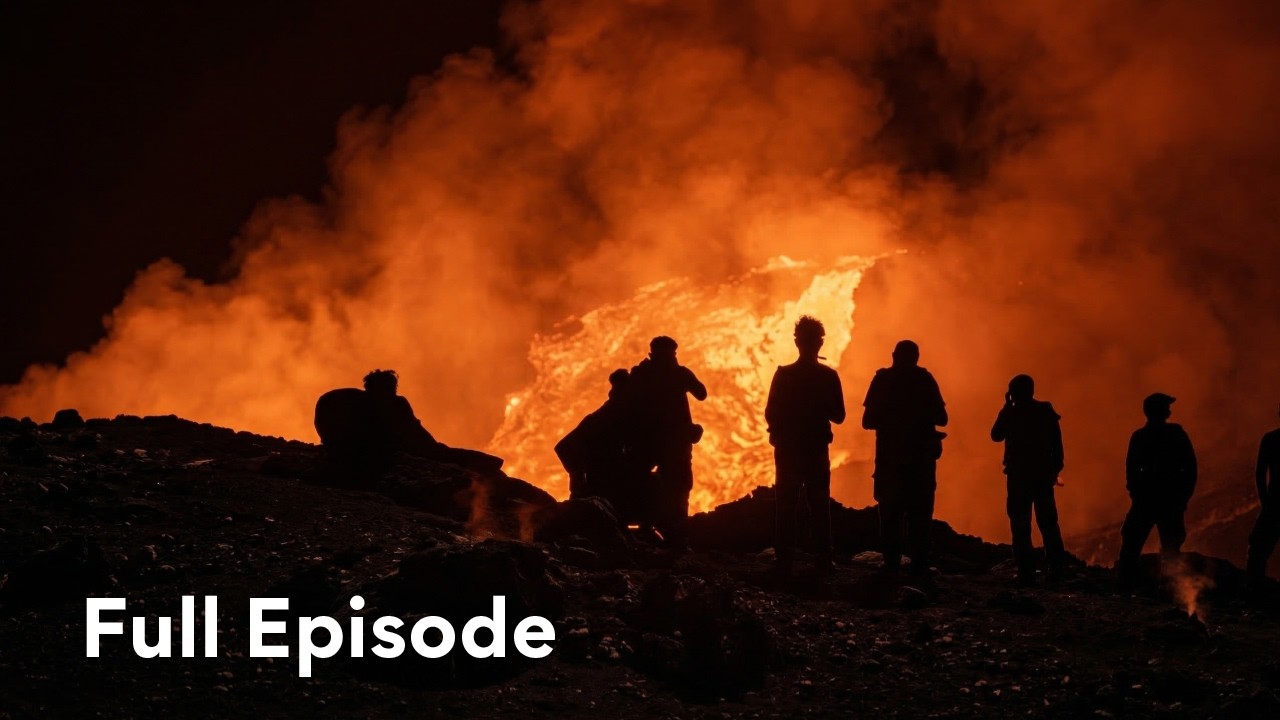
In the geologically-active Danakil Depression of Ethiopia, a group explores one of the world's few accessible lava lakes and the summit of an active volcano.
The Bahamas' protected parks provide critical habitats for migratory birds, green turtles, and rock iguanas amidst unique geological features like sandstone cliffs and pink-sand beaches.
Curiosity, NASA's car-sized Mars rover, utilizes advanced scientific tools to search for signs of life on the Red Planet.
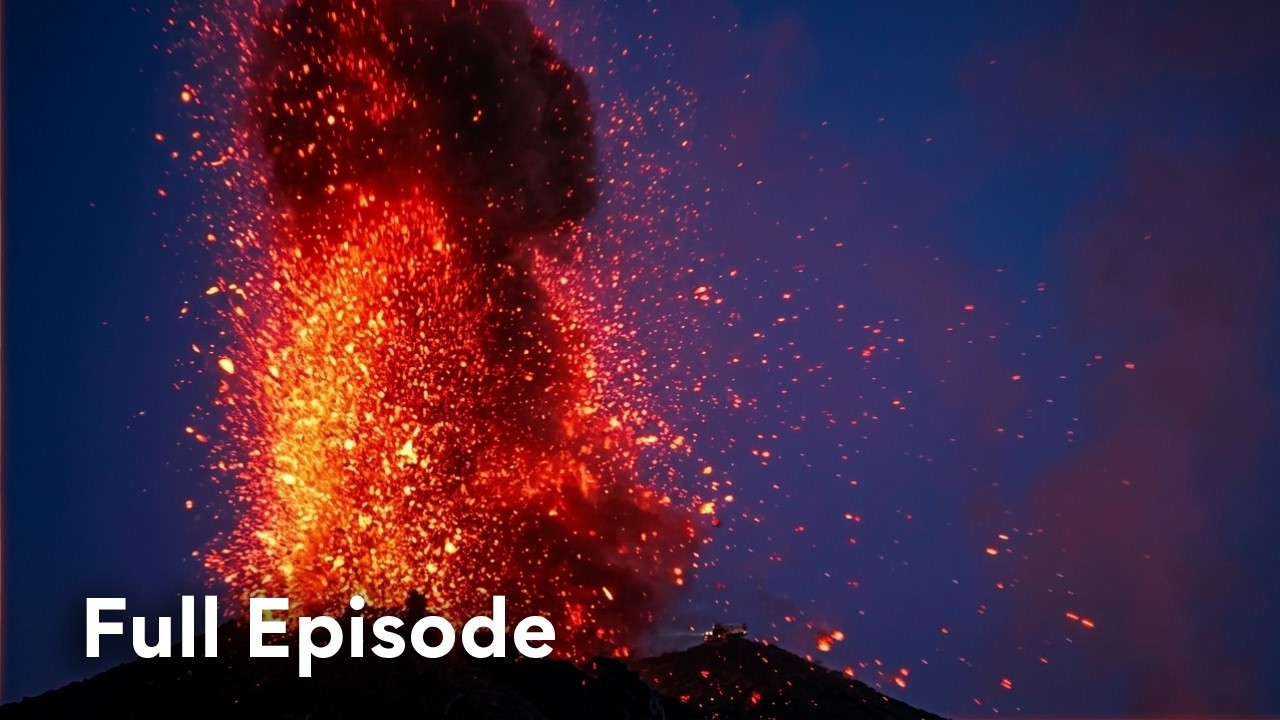
Mount Etna in Italy is a prime location for observing volcanic activity, featuring eruptions that can launch lava fountains up to one kilometre high.
For over 25 years, NASA's Space Shuttle program served as a vital platform for scientific research and technological advancements in low Earth orbit.
99% of all species that ever existed have been wiped out in a series of global catastrophes that nearly stopped evolution on Earth.
10,000 years is the estimated time it took 'Oumuamua to cross the solar system, leading Harvard professor Avi Loeb to suggest it may be an artificial object.
15,000 asteroids larger than 100 meters remain to be found, prompting plans for intervention missions to protect Earth from potential impacts.
Eyewitnesses recount experiences of alien abduction, including physical examinations and the discovery of inexplicable metal implants in their bodies.
Fritz Zwicky proposed in 1961 a method to move the Sun using a giant particle accelerator that would shoot pellets at it at near-light speed.
In Warminster, England, a series of unexplained UFO sightings in 1964 captivated local residents and sparked ongoing interest in extraterrestrial phenomena.
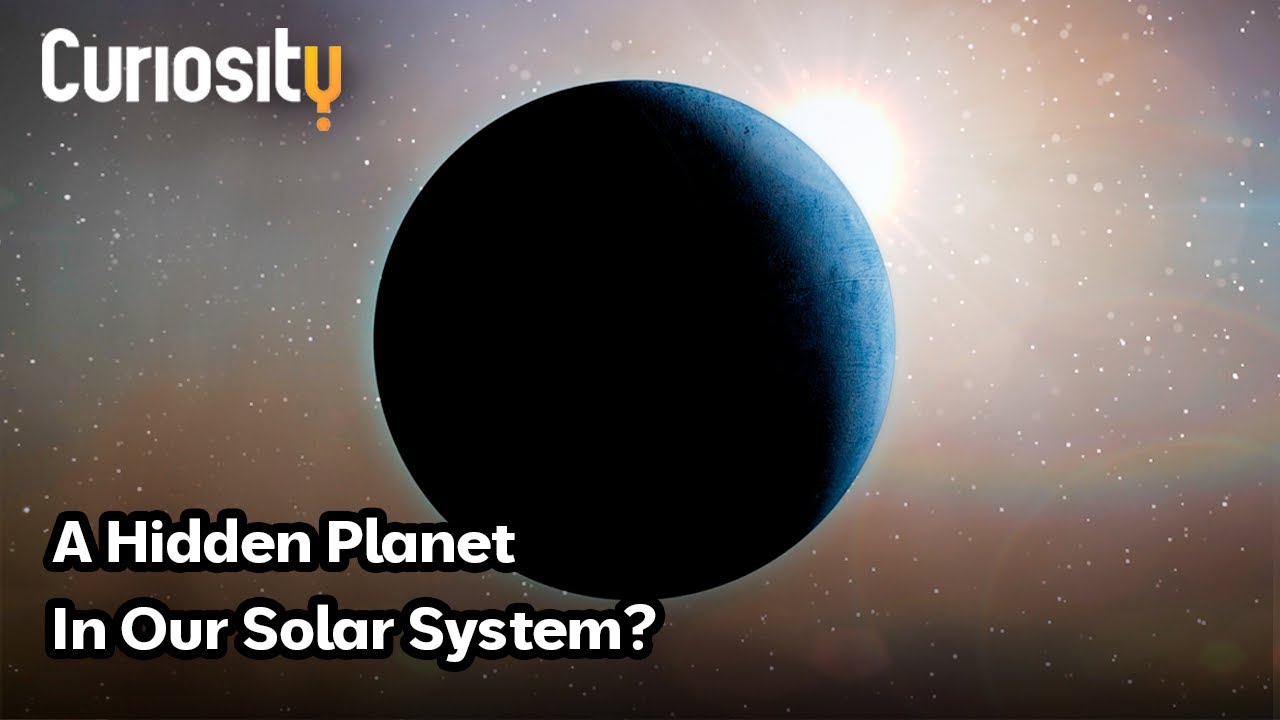
Astronomers are investigating the potential existence of a hidden planet, often called 'Planet Nine,' within the solar system, using advanced techniques and analyzing elusive clues.
Astronomers predict that the universe will eventually chill down to absolute zero in a scenario known as the 'Big Freeze.
A total solar eclipse will cast a shadow across North America for up to four and a half minutes on April 8, 2024.
Mercury has up to 1 trillion tons of ice beneath its surface, a finding that could change how scientists understand the planet and its history.
A total solar eclipse occurs approximately once every 18 months somewhere in the world, with the last coast-to-coast eclipse in the U.S. happening in 1918.
Dr.
NASA scientist Pan Conrad analyzes findings from the Curiosity rover to address the mysteries of Mars and enhance understanding of the red planet.