From over 100,000 films, discover the handful you'll love.
Free or premium access to the world's largest documentary library.
57 films(Page 1 of 2)
Sixty percent of enslaved individuals brought to America came from Senegal, a fact often omitted from historical narratives.
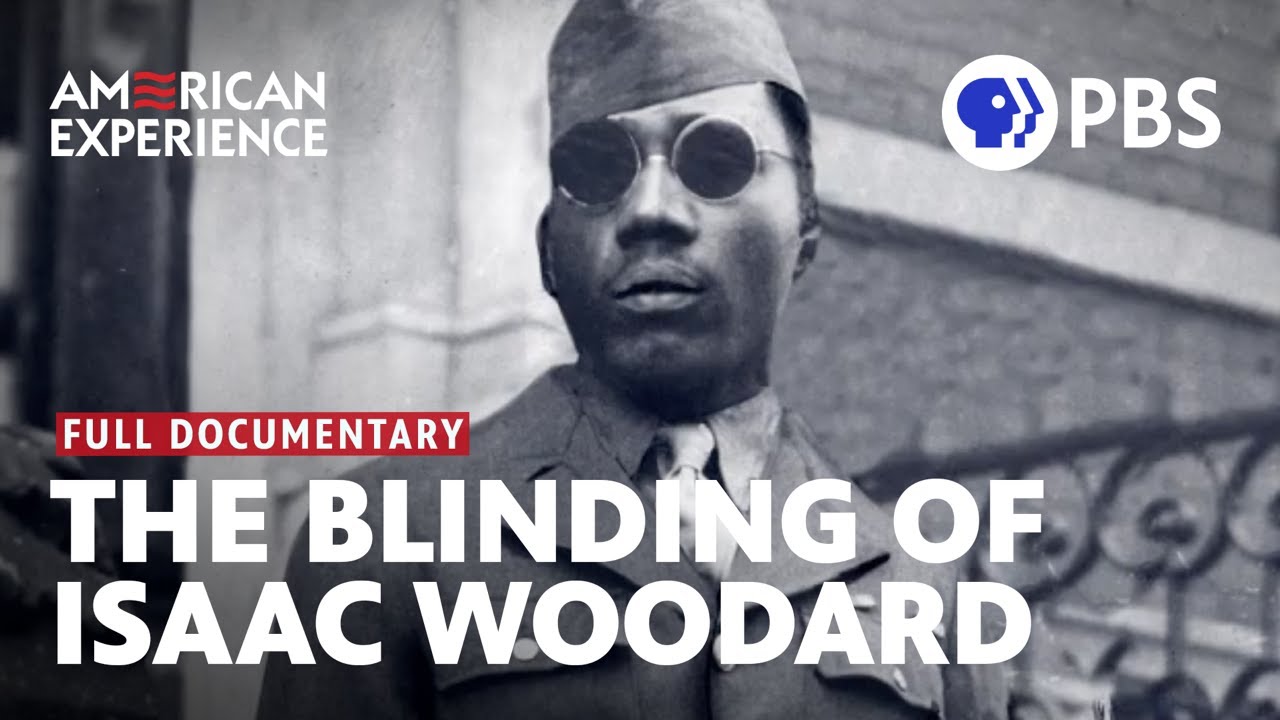
In 1946, the brutal beating of Black army sergeant Isaac Woodard by a South Carolina police chief sparked national outrage and influenced civil rights legislation.
Alzo Slade examines Charlotte's majority-minority leadership after massive protests in 2016.
Malcolm X is shot 16 times at 3:00 p.m. on February 21, 1965, during a political meeting in Harlem, leading to his death at age 39.
Dr. Martin Luther King Jr. states that Birmingham has been the toughest city in the country in race relations and the most thoroughly segregated city in America.
Chicago's history of failed public policies has resulted in persistent gun violence, segregation, and poverty, impacting its most vulnerable communities.
Katherine Johnson was born on August 26, 1918, and her calculations were essential for NASA's early manned space missions and the Space Shuttle program.
In 1951 Florida, a poor, illiterate migrant farmer wrongfully imprisoned for fraud fights to regain custody of her three children after her release.
On September 12, 1974, Boston schools faced violent protests as Black and white students were bused to comply with a federal court desegregation order.
Halsted Street serves as a vital artery in Chicago, reflecting the city's complex tapestry of diversity, segregation, pride, and community connection.
When the Ku Klux Klan planted a bomb under Fred Shuttlesworth's bed, he emerged unharmed and believed he was saved by God to lead the Civil Rights Movement.
Transgender inmate Franklin navigates forbidden relationships in prison, particularly with fellow inmate Leslie, amidst rising tensions and challenges.
Katherine Johnson was born on August 26, 1918, and her mathematical skills were crucial to NASA's early manned space flights and the Space Shuttle program.
In 1881, Booker T. Washington founded Tuskegee Institute in Alabama, which became a significant educational institution for African Americans.
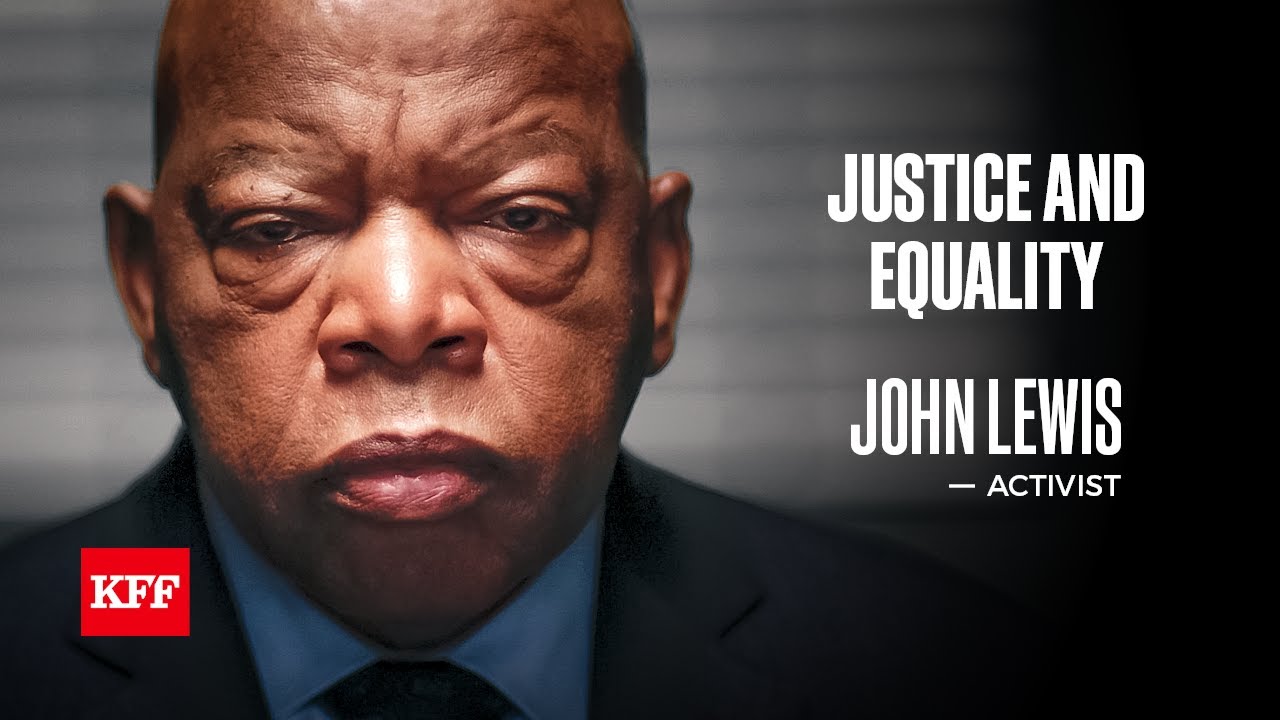
At 17, John Robert Lewis wrote a letter to Dr. Martin Luther King Jr., which led to their first meeting in Montgomery in 1957.
John Lewis recalls his first arrest during the civil rights movement, describing it as a moment of liberation and a commitment to nonviolent protest.
Eleven Black students integrated John W. Provine High School in Jackson, Mississippi, in 1965, facing hostility from peers and educators.
Over 9,100 people visited the National Archives over New Year's weekend to view the original Emancipation Proclamation and see Abraham Lincoln's signature.
Reverend C.T. Vivian shares insights on Dr. Martin Luther King Jr.'s leadership, the role of Ralph Abernathy in the SCLC, and pivotal moments in the Civil Rights Movement.
More than 3,200 people were arrested during the Birmingham protests, which Dr. Martin Luther King Jr. discussed in a June 1963 interview.
Washington, D.C. has a complex history of race and democracy, marked by slavery, civil rights movements, and local activism for political representation.
One in four of Canada's Indigenous people will spend some part of their life in prison, where access to cultural programs is limited.
Israel's security fence is viewed by Palestinians as a barrier to their statehood and economic viability, while Israelis see it as a necessary measure for safety.
Homer G. Phillips Hospital, the largest hospital for African American patients in the world, opened during a time of significant racial segregation in St. Louis.
254 homicides were recorded in St. Louis in 2022, prompting Reverend Kenneth McKoy to lead a ministry aimed at addressing mental illness and drug addiction.
Freedom in America evolves through pivotal moments like the Cold War, McCarthyism, and the landmark Brown v. Board of Education decision, highlighting its complexities.
Forty years after the Supreme Court's ruling in Brown v.
Life inside one of America's most radical prisons is explored through the experiences of women like Barbara and Cheyenne, who navigate trauma and the challenges of life sentences.
For over three years, Frontline filmed prisoners in solitary confinement and documented their challenges upon reentering society.
Oldham's residents discuss segregation and cultural preferences in their communities.
Matt Steinglass discusses Amsterdam's growing segregation and native Dutch resentment towards Muslims.
Anastasia Taylor-Lind captures the lives of women in isolated communities, including Siberian supermodels and Cossack military trainees.
The Double V campaign mobilized Black Americans during World War II to demand equal rights and fair treatment both on the battlefield and at home.
Diane Nash discusses the significance of nonviolence in social movements, her admiration for Dr. Martin Luther King Jr., and her pivotal role in the Selma Voting Rights Campaign.
Harry Belafonte was born in Harlem in the mid-1920s and became friends with notable figures like Marlon Brando, Martin Luther King, and Charlie Parker.
By the 1930s, a million and a half Southern blacks migrated to Northern cities, leading to the establishment of Idlewild, a summer resort for African Americans.
Ruby Bridges, at six years old, became the first Black American to enroll in the all-white William Frantz Elementary School in Louisiana amid fierce protests.
Apostle Dr. Jibreel Khazan recalls his determination to sit at a lunch counter reserved for white patrons, despite warnings of potential violence.
During the Great Depression, systemic segregation resulted in African-Americans facing unemployment rates twice that of whites, with limited opportunities highlighted by the Pullman sleeper trains.
Iranian youth, banned from normal pastimes, turn to ecstasy for thrills in February 2008.
Jamaica Kincaid expresses her inability to watch the video of George Floyd's death, feeling a deep connection to his last words as if she could be his mother.
In the 1960s, Coretta Scott King and Ralph Abernathy celebrated Juneteenth on the National Mall, linking the fight against slavery to poverty.
90% of trans women report feeling uncomfortable in their daily lives as they fight against a law that criminalizes their existence in New Orleans.
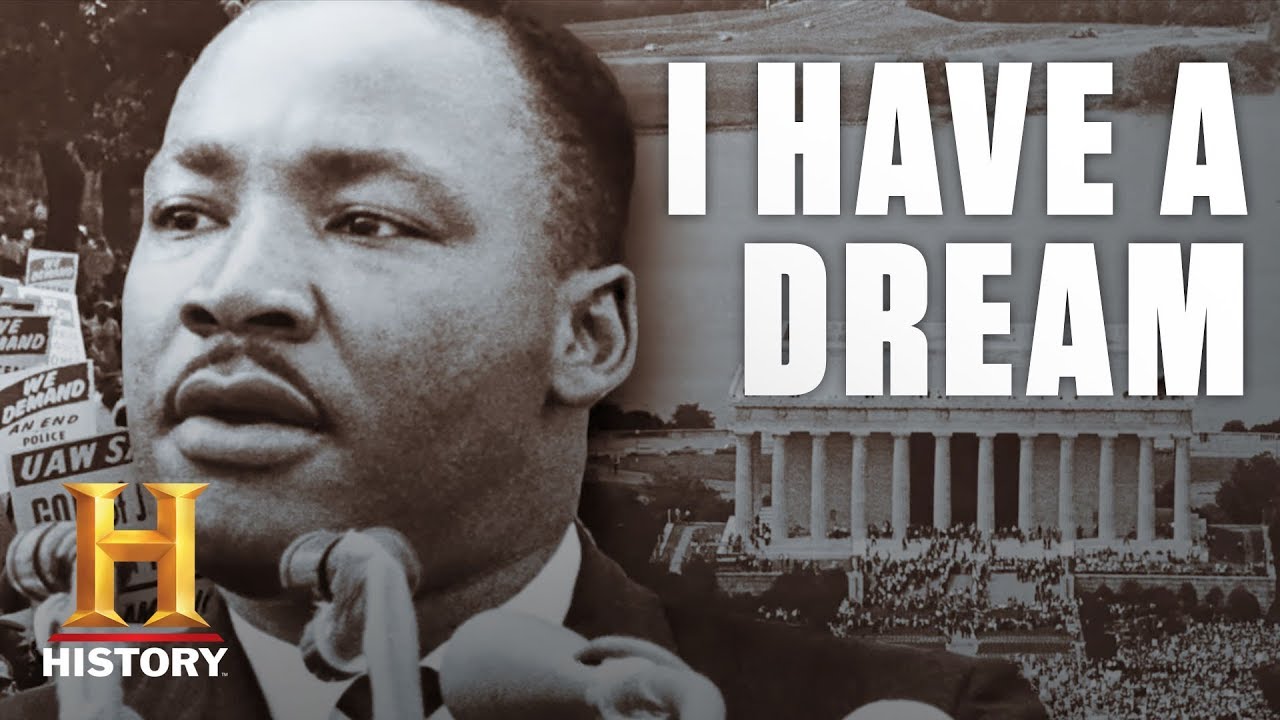
Nearly 250,000 people gathered on the National Mall in August 1963 for the March on Washington, where Dr. Martin Luther King Jr. delivered his 'I Have a Dream' speech.
Nine Black students integrated Central High School in Little Rock, Arkansas, on September 27, 1957, with the support of 1,000 U.S. Army soldiers.
Mayor Bill DeBlasio's desegregation plan for NYC schools faces backlash from wealthy parents.
The early civil rights movement is examined through a webinar featuring resources from New American History, including films and lesson plans.
Twelve children live in a home in Saint-Henri, where six attend school and six work, as their mother manages the household while their father is unemployed.