From over 100,000 films, discover the handful you'll love.
Free or premium access to the world's largest documentary library.
51 films(Page 1 of 2)
Around 800 years ago, Polynesians arrived in New Zealand, marking it as the last significant landmass colonized by humans.
Approximately 40 million people suffered injuries during World War I, a conflict that set the stage for Adolf Hitler's invasion of Poland in 1939.
From 1941 to 1945, the Mosquito bomber carried out hundreds of high-risk missions, earning its crews the nickname 'Bandits of the Air' from the Germans.
Japan became the second largest economy in the world by 1989, during Hirohito's reign from 1926 to 1989, which included World War II and post-war recovery.
Rudolf Höss administered Auschwitz, where over a million people were murdered during the Holocaust, operating the camp with chilling efficiency.
40,000 German soldiers were killed or wounded during the fierce battles at the Hochwald Gap in February 1945, marking a critical moment in WWII.
A diary written by 14-year-old Rutka Laskier in 1943 remained hidden for over 60 years before being discovered in 2006.
Thousands of Allied troops were rescued from the beaches of Dunkirk in May 1940 as Nazi forces advanced across Europe.
In July 1942, a small force of Australian and New Guinea soldiers trekked overland to Buna, aiming to secure a vital airfield for future operations.
5,000 soldiers from Erwin Rommel's forces were killed during the Second Battle of El Alamein, marking a significant Allied victory in North Africa.
Neville Chamberlain signed the Munich Agreement on September 30, 1938, conceding the Sudetenland to Hitler, which failed to prevent the outbreak of World War II.
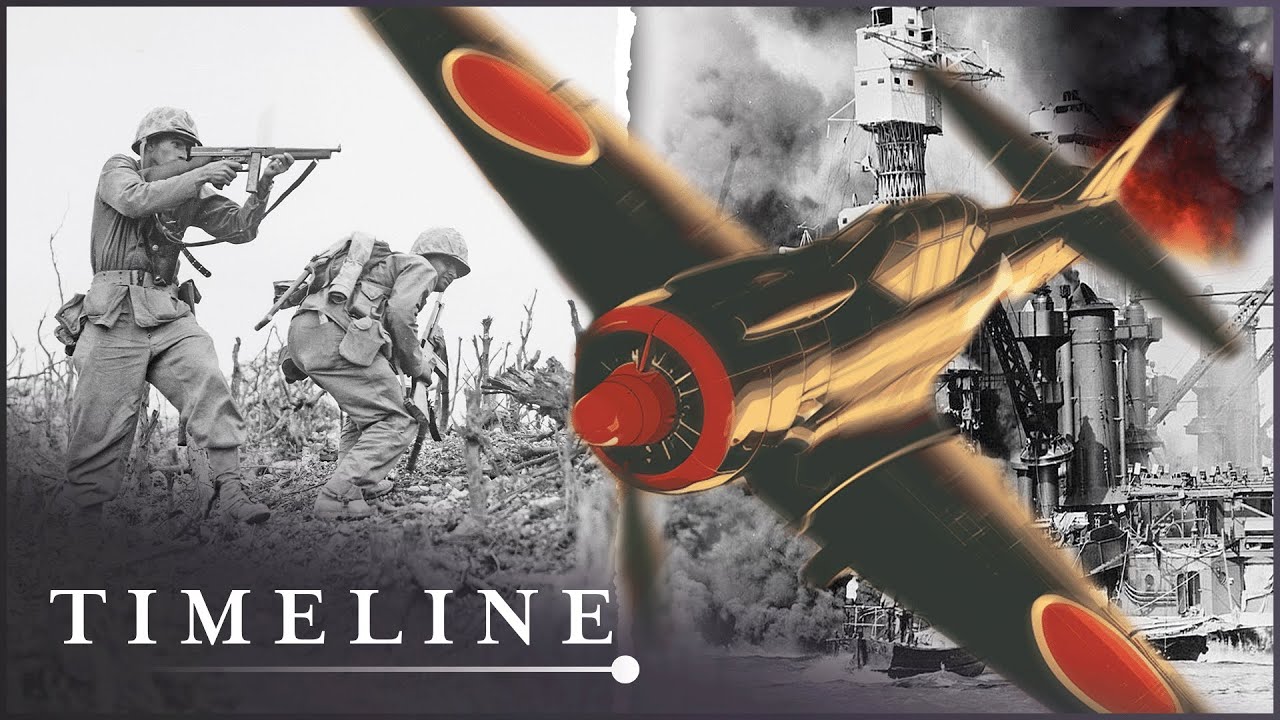
On December 7, 1941, the Japanese attack on Pearl Harbor killed thousands of soldiers and marked the end of American neutrality in World War II.
Adolf Hitler is regarded as responsible for the deaths of upwards of 50 million people during World War II and the Holocaust.
Adolf Hitler's 12 years in power resulted in tens of millions of deaths and marked one of the most destructive periods in human history.
Felix Opatowski, a Polish Jew, survived five years in concentration camps, including Auschwitz, and later participated in a secret uprising against the Nazis.
On May 14, 1948, David Ben-Gurion proclaimed the creation of the State of Israel, marking a significant moment in Jewish history.
In May 1940, Hitler gambled that a rapid victory in the West would end the war quickly, but his plans faced unexpected challenges from Allied forces.
More than 300,000 Soviet soldiers died during the battle for Berlin, which marked the end of the Third Reich in May 1945.
7,000 people died during the defense of Malta, a key battleground in the Mediterranean during World War II.
On May 23, 1945, British troops arrested Admiral Donitz, marking the final act of the Nazi regime as the Allies took control of Germany.
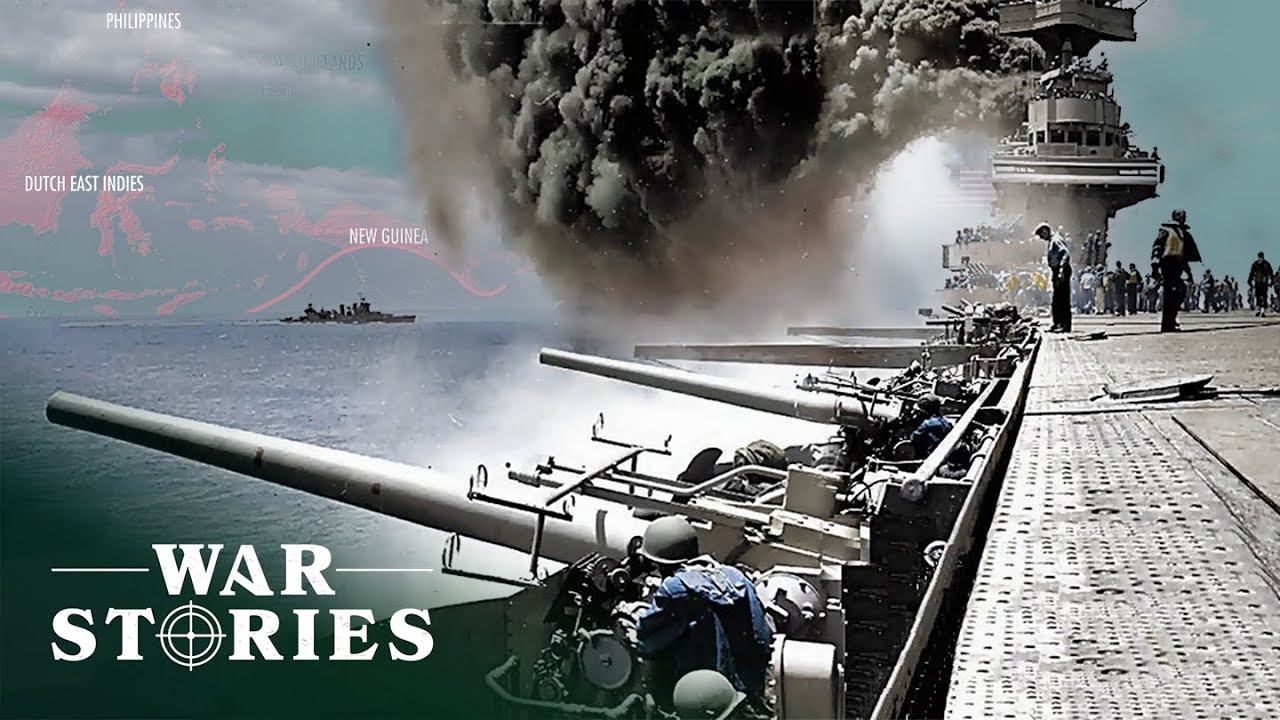
The Battle of Midway, fought from June 4 to June 7, 1942, resulted in the United States Navy's decisive defeat of the Imperial Japanese Navy.
Churchill, standing at 5 feet 6 inches tall, received thousands of gifts from an adoring American public during his visit to the United States in 1941.
By July 1942, the Battle of Stalingrad was underway as German troops faced a fierce counter-attack from the Soviet Red Army.
7,000 people died in the defense of Malta during World War II, as the island faced intense bombing from the Axis powers.
Approximately 40 million people suffered injuries during World War I, a conflict that set the stage for Adolf Hitler's rise to power and the outbreak of World War II.
354 American aircraft were on the island during the attack on Pearl Harbor, with 188 destroyed and 159 damaged in the initial assault.
More than 150,000 men, women, and children lost their lives during the Battle of Okinawa in World War II, a conflict that shaped the island's identity.
On April 29, 1945, Karl Wolff signed the surrender of German and Italian forces in Southern Italy, marking a significant act of treason against Hitler.
7,000 people died in the defense of Malta during World War II, a conflict that significantly influenced the outcome of the war in Europe.
Hitler's Nazi forces mobilize as Britain prepares for imminent war in this historical documentary.
140,000 Russian soldiers were deployed to crush rebels in Chechnya in 1999, marking the beginning of Vladimir Putin's aggressive military strategy.
During World War II, the Queen Mother famously declared, "The children won't go without me."
30,000 people dressed in period costume attend the North Yorkshire Moors Railway's War Weekend, transforming the stations to reflect 1940s Britain.
Thousands of Indigenous Canadians enlisted in World War II, despite being told by the government that they had no business fighting in the conflict.
Nottingham's caves, believed to date back to 900 AD, contain over 500 tunnels that have served various purposes throughout history, including as air raid shelters.
On August 1, 1936, Adolf Hitler watched as 100,000 spectators filled the Berlin stadium for the largest Nazi propaganda operation of all time.
Gene Gutowski, a teenage boy from Lwow, Poland, survived the Nazi occupation through cunning and resilience, ultimately sharing his harrowing story with his son.
Frankie San, a Japanese immigrant during WWII, provided hope to fellow inmates in an American prison, highlighting themes of resilience and humanity.
In 1946, three Holocaust survivors at the Ben Shemen school in Palestine share their experiences of trauma and healing in the aftermath of World War II.
Opening a copy of Mein Kampf leads the Mandell family on an unexpected exploration of history and its implications during World War II.
On March 12, 1938, German tanks roll into Austria, greeted by civilians as Adolf Hitler begins a series of aggressive expansions that lead to World War II.
On the 12th of March 1938, German tanks rolled into Austria, marking the beginning of a series of aggressive actions that would lead to World War II.
The United Kingdom faces an in-out referendum on Thursday regarding its membership in the European Union, raising significant economic concerns.
On September 7, 1940, nearly 350 bombers began a nine-month bombing campaign over London, which would reveal a hidden murder case amid the chaos.
Mary, born to a white British woman and an African American soldier, searches for her father after 77 years of unanswered questions about her heritage.
50,000 people have died in Gaza, as Gabor Maté calls for universal application of the 'never again' principle to protect all children from trauma.
Harry Belafonte was born in Harlem in the mid-1920s and became friends with notable figures like Marlon Brando, Martin Luther King, and Charlie Parker.
Benedict Hutch estimates there are about 5,000 shipwrecks in Polish waters, with only 20% of the ocean floor explored, posing ecological risks.