From over 100,000 films, discover the handful you'll love.
Free or premium access to the world's largest documentary library.
50 films(Page 1 of 2)
Banaz Mahmod was murdered by her family in 2006 for being in love, prompting her sister and police to seek justice in a case of honor killing.
Over a million casualties have resulted from the escalating conflict between Iran and Saudi Arabia in the Middle East over the last decade.
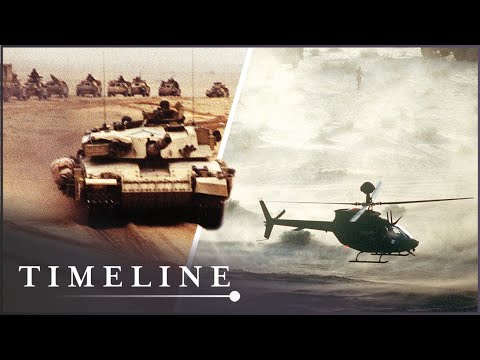
On February 24, 1991, American tanks advanced into Iraq, engaging in a fierce battle against Saddam Hussein's Republican Guard during a violent sandstorm.
Iraqis recount their personal experiences of life under Saddam Hussein, the U.S.-led invasion, and the ensuing chaos, including sectarian violence and ISIS's rise.
620,000 coalition troops, including the American 2nd Armoured Cavalry Regiment, faced severe sandstorms while engaging Iraq's Republican Guard in 1991.
In 2012, more than 1,600 deaths were reported in Iraq as sectarian violence surged in the aftermath of the US withdrawal from the country.
Saddam Hussein ruled Iraq from 1979 until 2003, a period marked by the Iran-Iraq War and the Gulf War, which had lasting impacts on the nation.
Edward Bernays, a pioneer of modern propaganda, claimed that public relations was a war on people, manipulating emotions rather than presenting facts.
Ala Bashir served as Saddam Hussein's personal doctor for 22 years, witnessing the dictator's complex personality and the inner workings of his regime.
Between the 9th and 12th centuries, Baghdad, Damascus, Cairo, and Cordoba were centers of a great leap in scientific knowledge.
A young cameraman risks his life to interview Fidel Castro in Cuba, marking the start of a career that spans over 50 years of conflict reporting.
Eight hundred members of the militant group Ansar al-Islam, armed with RPGs and mortars, pose a significant threat in northern Iraq during Operation Viking Hammer.
100,000 Kurds were killed during Saddam Hussein's Anfal campaign in the late 1980s, with over a million displaced from their homes.
Around 2003, heavy air strikes in Iraq left many families without food, forcing them to share meager meals amid constant danger.
On March 20, 2003, the U.S. launched its first attack on Iraq while Usama Alshaibi was on his honeymoon in Amsterdam, prompting his return to Baghdad after 24 years.
In the Middle East, the Christian population has plummeted from 1.5 million in Iraq under Saddam Hussein to less than 200,000 today due to violence and persecution.
British helicopters destroy 43 major targets around southern Basra during the fiercest fighting in 847 Squadron's history.
9,500 kilometers from Baghdad, an Iraqi general plots the fall of Saddam Hussein while living in anonymity in a small American town.
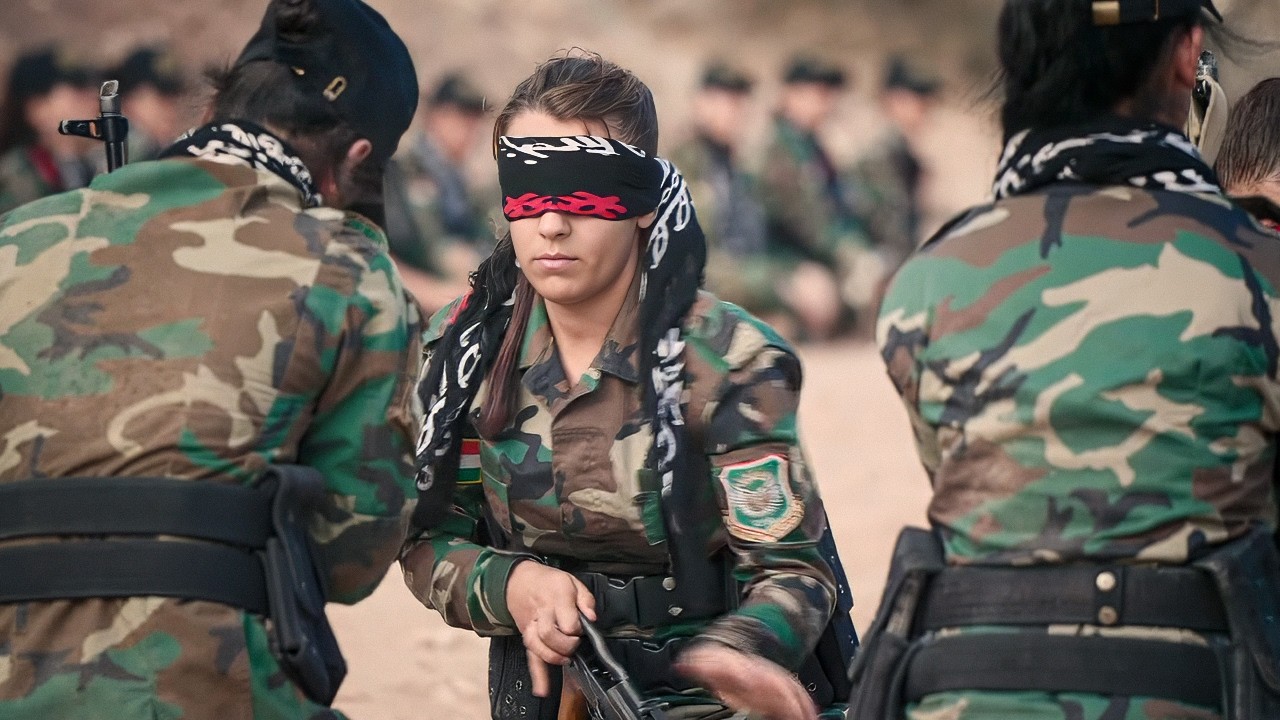
Six hours of political schooling each day prepare PKK recruits for their fight for Kurdish independence in the mountains of Turkey and Northern Iraq.
Ala Bashir served as Saddam Hussein's doctor for 22 years, providing medical care exclusively to the Iraqi political elite at a hospital for their families.
In February 1991, Kuwait was liberated from Iraqi forces after seven months of occupation, but the threat from Saddam Hussein lingered for years.
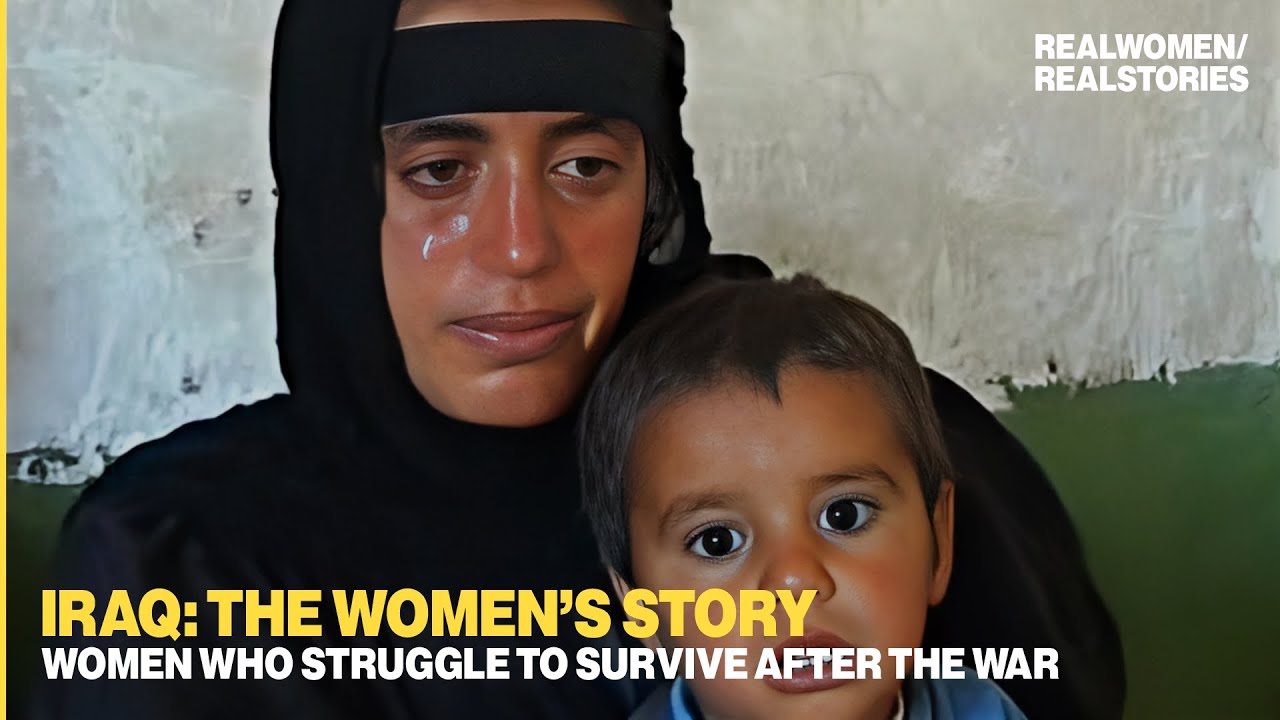
In Iraq, women continue to face severe challenges for survival years after the invasion, as documented by two Iraqi women who traveled the country to share their stories.
Iraq's new administration, established by the U.S. and Britain after the fall of Saddam Hussein, faces significant challenges in rebuilding the nation.
Saddam Hussein was found hiding in a man-made hole measuring six feet by eight feet, just nine kilometers from his hometown in December 2003.
A gold Rolex once owned by Saddam Hussein is listed for $150,000 on a website created by his former aide, who has yet to sell any items.
18 months on the frontline in Iraq reveal the stark contrast between soldiers raised on video games and the gritty reality of combat.
Pakistan's nuclear proliferation network has been linked to clients like Libya and Iran, raising alarms about the potential for nuclear weapons to fall into terrorist hands.
Four Iraqi Peshmerga fighters died during a failed operation against PKK bases in Northern Iraq, marking a significant escalation in Kurdish infighting.
More than half a million Iraqi children have died due to the economic sanctions imposed on Iraq, according to Dr Huda, the only woman in Saddam Hussein's cabinet.
More than half a million Iraqi children died as a result of economic sanctions, according to Dr Huda, the only woman in Saddam Hussein's cabinet.
Over 4,500 American troops have died in Iraq, while Iran's influence continues to grow amid a power vacuum following the decline of ISIS.
400,000 documents reveal that U.S. military orders allowed for no investigations into Iraqi forces torturing detainees during the Iraq War.
Nineteen-year-old Haida Hamza returns to Baghdad University, expressing feelings of helplessness amid looting and the presence of new military authority.
About 100,000 Kurds were expelled from Kirkuk during Saddam Hussein's regime, and many return to reclaim their homes after the city's liberation in 2003.
Oil smuggling in Iraq costs the country between $2.5 billion and $4 billion annually, accounting for over 10% of its national wealth.
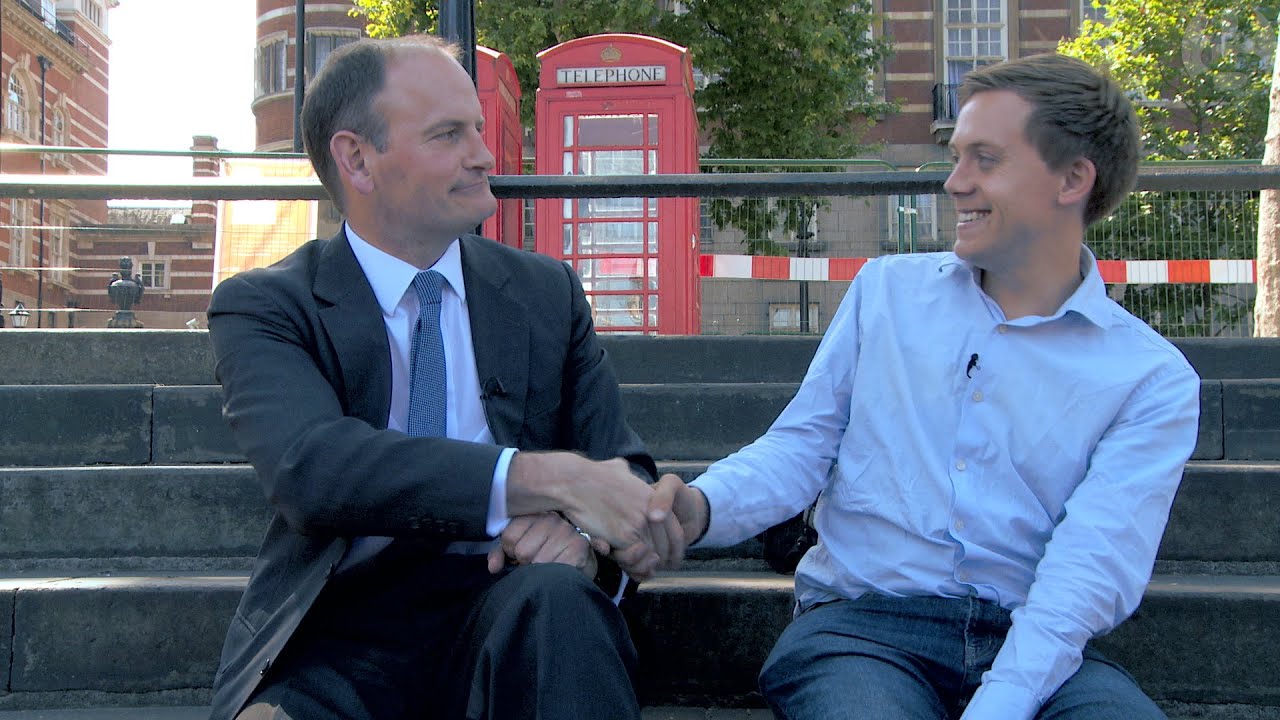
Douglas Carswell, the sole MP from UKIP, discusses his views on the NHS and competition in healthcare during an interview with Owen Jones.
Dana White, president of the Ultimate Fighting Championship, opened the Republican National Convention in Cleveland with a speech about Donald Trump's business acumen.
Less than 40,000 Marsh Arabs remain in Iraq, a sharp decline from an estimated quarter of a million in the early 1990s, as they face ongoing challenges in their communities.
More than 600,000 Iraqis were killed during Saddam Hussein's regime, many executed at Abu Ghraib prison by Saad Abdul Amir, the dictator's executioner.
The most dangerous road in Iraq is the 3 km stretch from Baghdad International Airport to the main highway, where many soldiers face constant threats.
Orbit, a golden retriever-labrador mix, has been a service dog for a veteran for three and a half years, helping her cope with PTSD after returning from war.
More than 1,000 Kurdish people live in a refugee camp known as 'the jungle,' enduring cold and muddy conditions while waiting to reach Britain.
95% of votes cast in Kirkuk support an independent Southern Kurdistan, reflecting the community's desire for autonomy amid political uncertainty.
The Iraq war leads to significant casualties and a critical inquiry into British involvement.
On March 14, 1991, Kurdish forces in Duhok rose up against Saddam Hussein's regime, leading to a desperate plea for Western intervention from refugees.
Adnan al Haideri claimed to have seen hundreds of sites in Iraq used for chemical, biological, and nuclear weapons research before his defection in 2001.
Seventy thousand American troops are stationed in Kuwait, preparing for a ground assault on Iraq amid fears of chemical attacks and a complex military strategy.
Kuwait's oil revenues are projected to exceed $10 billion in 1996, significantly higher than before the Iraqi invasion in 1990.