From over 100,000 films, discover the handful you'll love.
Free or premium access to the world's largest documentary library.
236 films(Page 2 of 5)
Justice Democrats, led by Executive Director Alexandra Rojas, focuses on electing progressive candidates like Cori Bush and Rashida Tlaib to challenge establishment politics.
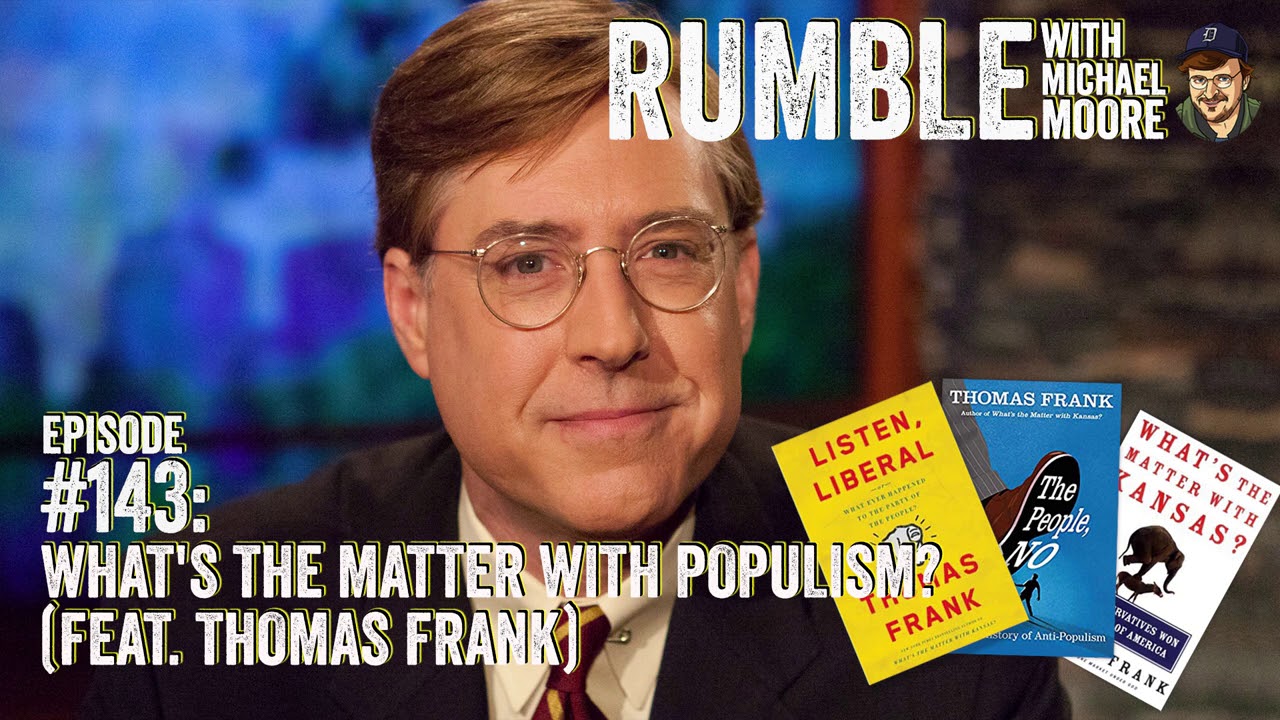
Thomas Frank discusses the failures of the Democratic Party and the need for citizen-led movements to drive real change in American politics.
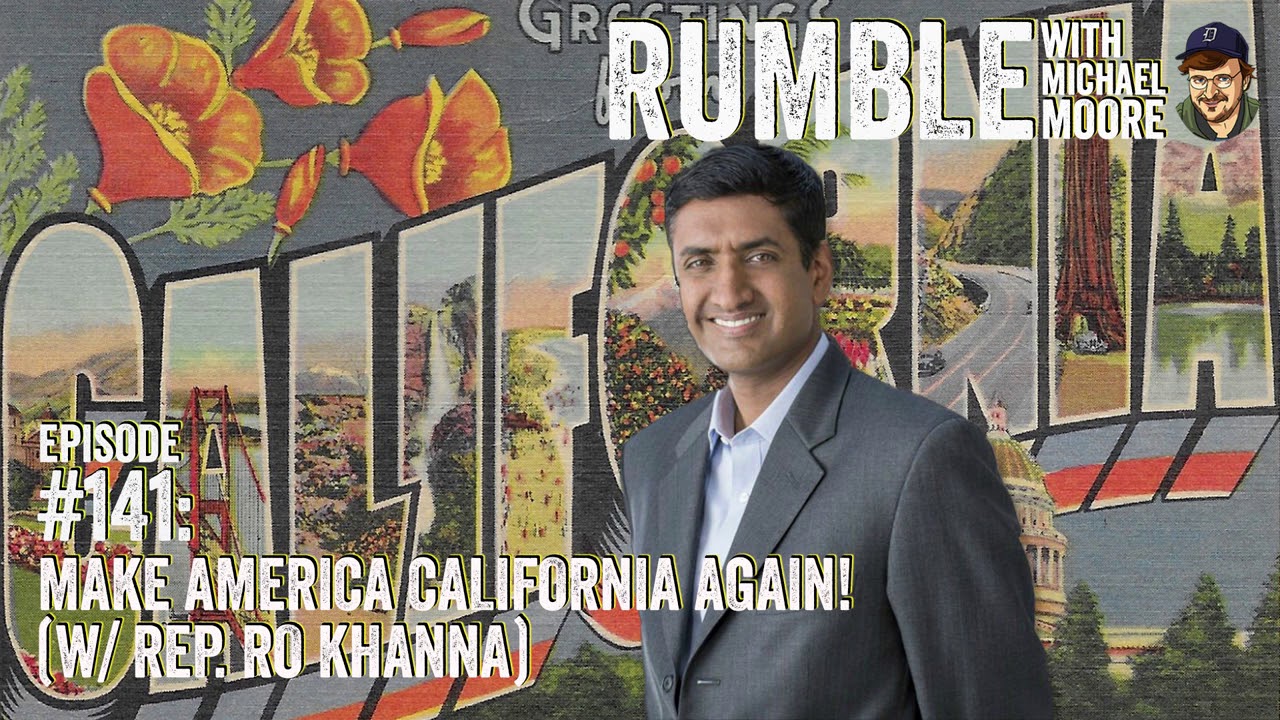
California congressman Ro Khanna discusses the achievements of Democratic control in California and the potential for similar progress in Washington if Democrats win the Georgia Senate races.
In the wake of the $1.9 trillion Recovery Act, Michael Moore critiques the Biden administration's progressive shift while urging the Catholic Church to advocate for unaccompanied migrant children in detention.
Gloria Steinem's influence on women's liberation is explored through the theatrical production "Gloria: A Life," featuring Christine Lahti and written by Emily Mann.
Congresswoman Ilhan Omar discusses the George Floyd Rebellion, her father's death from Covid-19, and Israel's planned annexation of Palestinian land.
Anand Giridharadas joins Michael Moore to discuss the growing wealth inequality in the U.S., where the richest 0.1% control more wealth than ever since the Great Depression.
Juneteenth, celebrated on June 19, marks the day in 1865 when Union soldiers announced the end of slavery in Galveston, Texas, and Congresswoman Barbara Lee reflects on its significance.
Michael Moore analyzes Donald Trump's claims that Joe Biden is controlled by left-wing groups, focusing on the implications of Biden's selection of Kamala Harris.
In 1971 Michigan, a woman faced an unplanned pregnancy amid illegal abortion laws, prompting a desperate trip to Buffalo, New York, where the procedure was legalized.
President Biden's decision to replace Andrew Jackson's portrait with Franklin D. Roosevelt's reflects his administration's intent to emulate Roosevelt's federal strategies during crises, as discussed with historian H.W. Brands.
Ruth Ben-Ghiat discusses the parallels between historical fascist leaders and Donald Trump's tactics, emphasizing the dangers posed by authoritarianism in contemporary politics.
Stephanie Kelton discusses the need for significant government intervention in response to the economic crises exposed by the coronavirus pandemic.
At an Iowa for Bernie rally at the University of Iowa, Phillip Agnew, Stacey Walker, and Mike Posner discuss the movements driving the campaign.
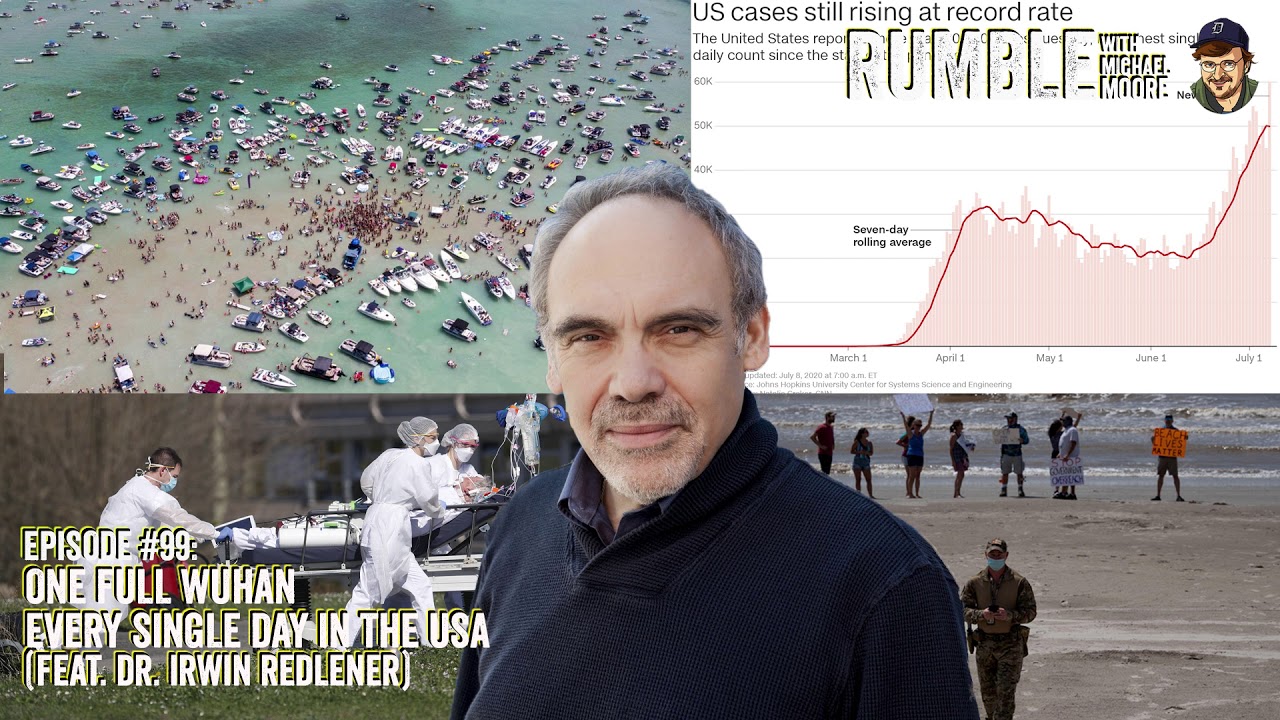
Dr. Irwin Redlener discusses the potential for one million daily COVID-19 cases in the U.S. and critiques the pandemic response under Donald Trump while advocating for immediate action from Joe Biden.
Former Michigan Governor Rick Snyder faces charges for willful neglect of duty related to the Flint water crisis, marking a historic legal accountability for state officials.
In the final hours before the 2020 election, Dr. Cornel West and Michael Moore discuss the urgency of political action against neofascism in America.
Pulitzer Prize-winning science writer Laurie Garrett discusses the United States' inadequate response to the Coronavirus pandemic and its far-reaching consequences.
On the 18th anniversary of Michael Moore's Oscar win for "Bowling For Columbine," Tom Mauser discusses America's unique gun violence problem following a mass shooting in Boulder, Colorado.
Michael Moore calls on Americans to take action to ensure free and fair elections and to remove Donald Trump's allies from government before Inauguration Day 2021.
Michael Moore's new documentary critiques the environmental movement's reliance on corporate interests and technological fixes in the fight against climate change.
New York's hospitals face overwhelming challenges as COVID-19 cases surge, with critical shortages of ventilators and protective equipment for healthcare workers.
Healthcare in America remains a critical issue, with 30 million uninsured and medical bills as the leading cause of bankruptcy, as discussed by Francesca Fiorentini and Michael Moore.
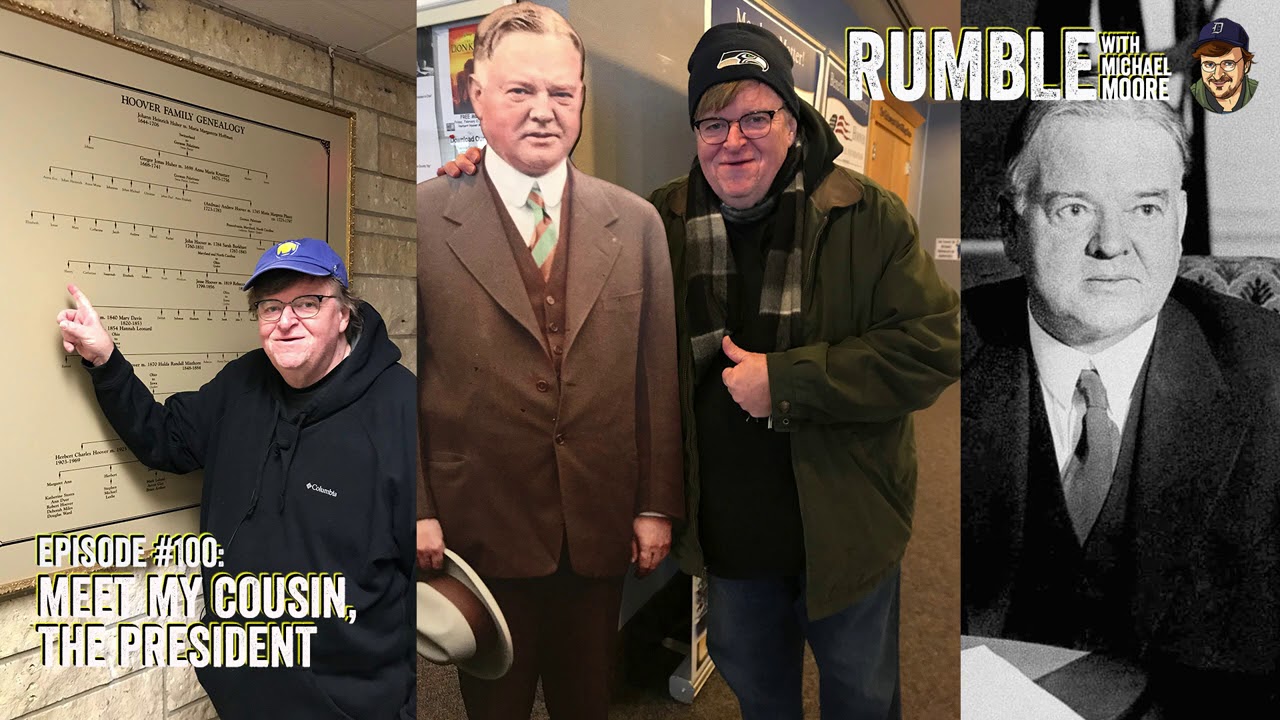
Michael Moore learns about his familial connection to Herbert Hoover while exploring the former president's legacy at the Herbert Hoover Presidential Library in Iowa.
Timothy Snyder discusses the connections between America's healthcare system and societal issues in light of his personal health crisis and his book "Our Malady."
Michael Bloomberg's bid for the 2020 Democratic nomination raises concerns about the party's values and the implications of endorsing his controversial record.
Naomi Klein and Michael Moore discuss climate barbarism, cultural references in media, and the resurgence of revolutionary movements in the U.S. and globally.
Donald Trump pressured Georgia Secretary of State Brad Raffensperger to overturn the election results during a call, revealing tactics reminiscent of organized crime.
Jane McAlevey discusses the importance of aggressive organizing and the role of unions in shaping a democratic future in the context of the 2020 election.
Michael's Emergency Podcast features responses from thousands of listeners worldwide, including a Danish Parliament member, on combating the coronavirus pandemic and government failures.
Wendell Potter, a former Cigna executive, reveals the inner workings of the health insurance industry and advocates for universal health care in America.
Senate Minority Leader Mitch McConnell's use of the filibuster poses significant challenges to the Biden administration's agenda, as discussed by Adam Jentleson.
Michael Moore examines the Nashville suicide bombing by Anthony Q. Warner and the Rockford shooting by Duke Webb, while reflecting on the Wounded Knee Massacre.
Jacob Soboroff reports on the inhumane policies at the U.S.-Mexico border during the Trump administration, highlighting the need for accountability and reform.
In Michigan, Congressman Dan Kildee discusses the political landscape four years after the 2016 election and the impact of the pandemic on voter mobilization.
January 6th's violent insurrection reflects a longstanding trend of reactionary and white supremacist elements in American politics, as analyzed by historian Rick Perlstein.
In Michigan, 13 men were arrested for plotting to kidnap Governor Gretchen Whitmer, highlighting the rise of homegrown extremism amid political tensions.
Michael Moore reflects on his relationships with Elizabeth Warren and Bernie Sanders, discussing the fractures within the progressive movement and the need for unity to defeat Donald Trump.
Michael Moore shares voicemails reflecting a range of emotions from supporters in response to Joe Biden's election victory and Donald Trump's refusal to concede.
Rachel Bitecofer, a political scientist, argues that Democrats should focus on mobilizing non-voters rather than appealing to swing voters to win elections.
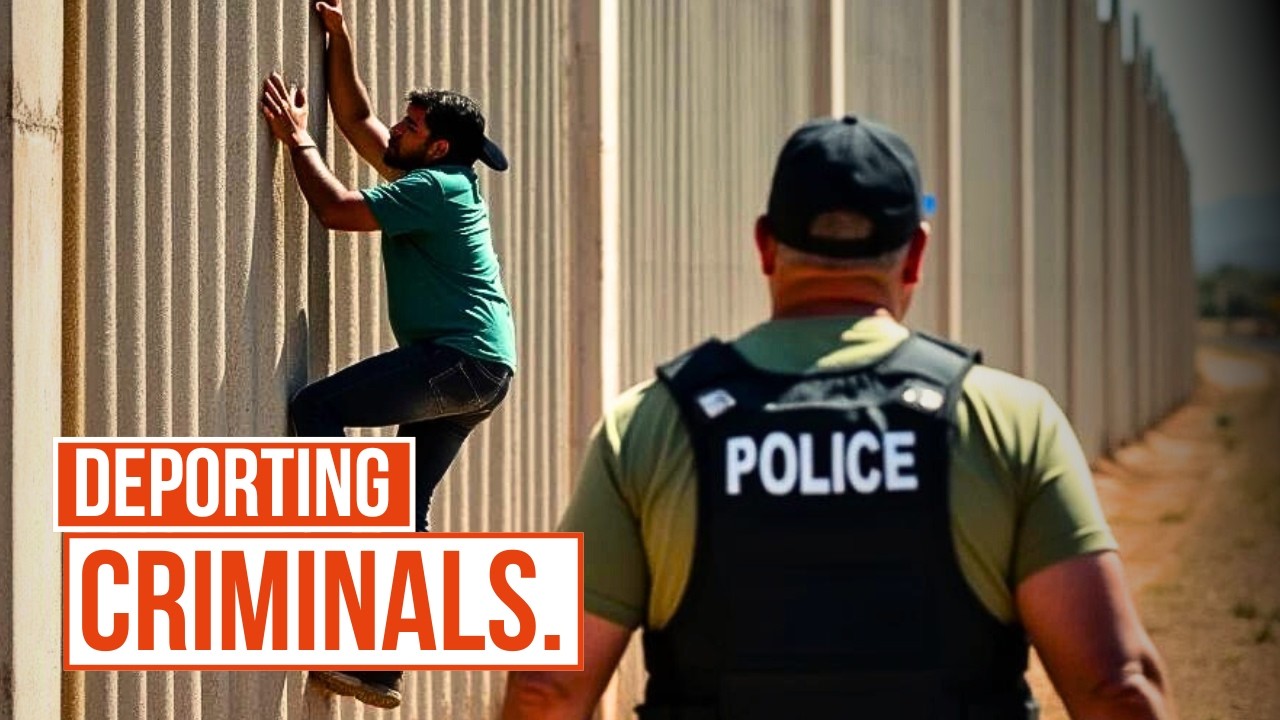
Near the US-Mexico border, ICE agents focus on identifying and deporting dangerous criminals to enhance national security.
Michael Moore discusses the impact of the Trump administration's actions on mail-in voting and offers strategies for voters to legally increase their voting power.
In the wake of George Floyd's killing, significant cultural changes emerge in America, including the cancellation of "Cops" and NASCAR's ban on the Confederate flag.
Michael Moore appeals to the 73 million Americans who voted for Donald Trump, urging them to prioritize their health during the COVID-19 pandemic.
On the day of the Michigan primary, Michael Moore engages with voters in Michigan and several other states while discussing a surprising call from a Democratic leader.
Dr. Ezekiel Emanuel, former Obama White House Health Policy Adviser, evaluates America's pandemic response and future challenges alongside Michael.
In Michigan, Michael Moore and Sam Riddle analyze the political landscape four years after the 2016 election, focusing on the impact of the pandemic and strategies for the 2020 election.
Super Tuesday results from California, Utah, and Colorado significantly shaped the 2020 Democratic primary race between Bernie Sanders and Joe Biden.